



What You'll Discover:
- Where day 6 sits in the first week and why it feels so different from day 3.
- What is happening with your sleep, energy, mood, and appetite right now.
- How cravings shift from physical to cue-driven, and why that matters.
- How days 4 through 7 compare, side by side.
- A practical plan for your first alcohol-free weekend.
Day 6 is the quiet bridge between the rough start of the week and the one-week mark. For many people, the shakes, sweats, and racing thoughts of days 2 and 3 have mostly faded. What's left is subtler.
Sleep is better but not great. Energy comes and goes. And cravings that used to feel physical now show up in very specific places, like the drive home, a Friday text from a friend, or the sound of a cork.
The short answer to "what happens on day 6" is this: your body is past the steepest part, and your habits are now doing most of the talking. Here's what that looks like and how to handle it.
Where Day 6 Fits in Your First Week
By day 6, most people are past the peak of physical withdrawal. If day 3 felt like the hardest day, you're in good company, and our post on 5 days without alcohol covers the turn many people feel just before this point.
That said, "most people" isn't everyone. If you were a heavy daily drinker, a few symptoms can linger, and the timeline can run longer.
The National Library of Medicine's MedlinePlus overview of delirium tremens notes that it usually starts 48 to 96 hours after the last drink but can begin as late as 7 to 10 days after. It is a medical emergency.
So, a quick safety check. If you're still very shaky, sweating heavily, or feel like your symptoms are getting worse instead of better on day 6, call a clinician today.
Call 911 or go to the emergency room right away for a seizure, confusion, hallucinations, a high fever, or a racing or irregular heartbeat. These are not things to wait out, whatever day it is.
If you drink heavily and haven't stopped yet, talk to a clinician before you do. A home taper is not a safe plan for everyone, and medically supervised withdrawal exists for good reason.
What Your Body Is Doing on Day 6
With the acute phase fading, the body moves from crisis mode into repair mode. Not everything resets at once, which is why day 6 can feel like a mix of "I'm doing great" and "why am I still this tired."
Sleep Is Rebuilding, but Unevenly
For many people, falling asleep is easier on day 6 than it was on day 2 or 3. Staying asleep is a different matter. Waking at 3 or 4 a.m. and lying there is still common.
Dreams can be vivid, too. Alcohol suppresses REM sleep, the dream-heavy stage, and when you stop drinking the brain often makes up for lost time. Some people even have dreams about drinking, which can be unsettling but are very normal.
A review of alcohol dependence and insomnia in Alcoholism: Clinical and Experimental Research found that sleep problems are widespread among people who drink heavily. It also found that poor sleep and drinking feed each other.
That's useful to know on day 6. A bad night is not a sign that quitting isn't working. It's a sign that sleep takes longer to rebuild than the first wave of withdrawal does.
With that in mind, protect your sleep like it's part of the plan, because it is. Keep a steady wake-up time, get morning light, and keep caffeine to the first half of the day.
Energy Comes in Waves
Many people notice a real burst of energy somewhere around days 5 to 7. You might wake up clearer, get through a to-do list, or feel like going for a run for the first time in months.
Then, a few hours later, you crash. That pattern is normal. Your body is still rebalancing blood sugar, hydration, and stress hormones, and sleep debt from earlier in the week hasn't been fully paid back.
The trick is not to treat a good hour as a promise or a bad hour as a verdict. Both are part of the bridge.
Mood: Lighter, With Some Flat Patches
Day 6 mood often has two sides. On one side, there's pride. You've done something hard, and a lot of people feel a quiet confidence that wasn't there on day 1.
On the other side, there can be a flat, slightly gray feeling. When the brain's reward system has relied on alcohol for a lift, everyday pleasures can feel muted for a little while.
That flatness usually improves as the weeks go on. If low mood feels heavy, lasts most of the day, or comes with thoughts of self-harm, please reach out to a clinician or call or text 988, the Suicide and Crisis Lifeline.
Appetite and the Sugar Question
As nausea fades, appetite often comes back strong. Many people also notice a surprising sweet tooth in the first week or two.
Part of that is simple. Many drinks carry a steady load of sugar and calories, and your body notices when they're gone. A dessert or a handful of chocolate is a far better trade than a drink, so don't be hard on yourself about it right now.
Regular meals with some protein help steady energy and mood, which in turn makes cravings easier to handle.
Small Wins Worth Noticing on Day 6
It's easy to focus on what still feels off. So, it's worth taking stock of what has already changed, because day 6 usually has more wins than it gets credit for.
Mornings are often the first thing people mention. Waking up without a headache, a dry mouth, or that vague sense of dread about last night is a big shift, even if you're still a little tired.
Money and time add up fast, too. Six evenings without drinks is six evenings of drinks you didn't buy and hours you got back. Some people put that money aside in a jar or a savings app, just to see it grow.
Many people also notice they're a bit more patient, a bit more present with family, or a bit sharper at work. These changes are small on day 6, but they're real, and they tend to build.
Write a few of them down. On a hard evening, a list of your own wins is far more convincing than anything someone else can tell you.
How Cravings Change Shape by Day 6
Early in the week, cravings were partly physical. Your nervous system was overexcited and looking for relief. By day 6, that layer is usually much quieter.
What's left is the habit layer. These cravings are cue-driven. They show up at the time, place, or feeling you've linked with drinking, like walking in the door after work, making dinner, or finishing a stressful call.
The NIAAA's Rethinking Drinking guide to stopping alcohol cravings describes urges as brief and manageable. It also splits triggers into external ones, like people and places, and internal ones, like moods and physical sensations.
External triggers are the easier ones to plan for, because you can see them coming. Internal triggers, like boredom, loneliness, or stress, take a bit more practice to spot.
Here's the encouraging part. The same guide notes that with practice, urges lose strength. Every evening you get through without a drink teaches your brain that the cue doesn't always end in alcohol.
For more ways to handle these moments, our guide on how to resist alcohol cravings lays out practical tools you can use today.
Days 4 to 7 Compared
This side-by-side view shows how the back half of the first week tends to unfold. Everyone's pace is different, so treat it as a general map rather than a schedule.
| Day | Sleep | Mood and energy | Cravings |
|---|---|---|---|
| Day 4 | Still choppy, vivid dreams start | Edge coming off anxiety, low energy | Still strong, both physical and habit |
| Day 5 | Falling asleep gets easier | First real bursts of energy | Physical pull fading |
| Day 6 | Better but uneven, early waking | Pride mixed with flat patches | Mostly cue-driven, tied to time and place |
| Day 7 | More restful nights for many | Steadier mood, clearer thinking | Weekend and social cues stand out |
The Weekend Is Coming: Plan Your First Alcohol-Free Weekend
For a lot of people, day 6 lands right before a weekend. And weekends are where drinking habits tend to live, from Friday happy hour to Saturday dinner to a Sunday afternoon beer.
That's why planning matters more on day 6 than on day 3. On day 3, you're getting through symptoms. Now you're getting through the calendar.
Friday: Replace the Ritual, Not Just the Drink
Think about what Friday drinking actually gave you. For most people it's a signal that the week is over, a way to relax, or a reason to see friends.
Keep the signal and swap the drink. Order takeout from a favorite spot, start a movie, take a long shower, or pour a fancy non-alcoholic drink in a real glass. The ritual still marks the end of the week.
Saturday: Decide Before You Go
If you have social plans, decide ahead of time what you'll drink and what you'll say. A simple "I'm taking a break this week" is plenty. Most people won't ask more than that.
Drive yourself if you can, so you control when you leave. And give yourself permission to skip a plan that feels too risky this early on. You can say yes next month.
Sunday: Notice the Payoff
Sunday morning is where the first alcohol-free weekend pays off. No hangover, no foggy regret, and a full day ahead.
Take a minute to actually notice that. Write down how you feel, how you slept, and what you did with the time. That note will come in handy the next time a craving tries to convince you a drink was worth it.
Our guide to the first week without alcohol has more tips for the social side of these early days.
Quitting or Drinking Less: Both Count
Day 6 is a natural moment to think about the bigger goal. Some people are using this week as the start of quitting for good. Others are using it as a reset before drinking less, on their own terms.
Both are valid. You don't have to pick a forever answer right now. What helps is noticing what this week has shown you, like which times of day are hardest, which situations pull hardest, and how you feel in the morning without alcohol.
That information is useful no matter which direction you choose.
Where Naltrexone Fits
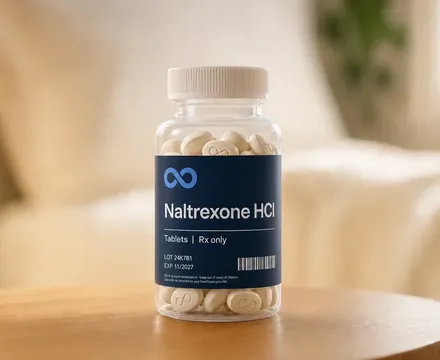
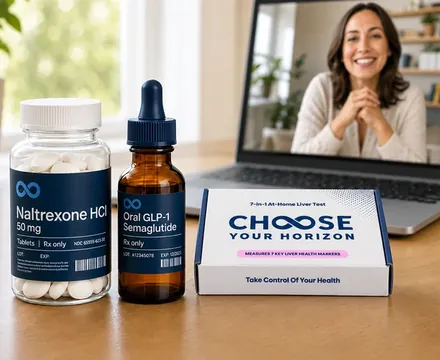
Day 6 cravings are mostly about habits and cues, and that's exactly where some extra support can help. Naltrexone is an FDA-approved medication for alcohol use disorder and has been used for that purpose since 1994.
Oral naltrexone (50 mg once a day) blocks opioid receptors involved in alcohol's reward. Over time, that can quiet cravings and make a drink feel less rewarding, which is useful whether your goal is to quit or to cut back.
It isn't for everyone. It can't be taken with opioids, and a clinician will check your health history and liver function first. Plenty of people never need it, and that's fine too.
You've Crossed the Bridge
Day 6 is quieter than day 3, and that's real progress. Physical symptoms are usually fading, sleep is rebuilding in fits and starts, energy comes in waves, and cravings are shifting from your body to your routines.
That shift is good news, because habits are something you can plan around. A clear plan for your first alcohol-free weekend can carry you right into day 7, which we cover in our post on 7 days no alcohol.
If symptoms are getting worse instead of better, or anything feels like an emergency, get medical care right away. And if you'd like support for the weeks ahead, asking for it is a smart move, not a sign of weakness.
Frequently Asked Questions
What happens on day 6 without alcohol?
For most people, physical withdrawal symptoms are fading, sleep is improving but still uneven, and energy comes in waves. Cravings tend to shift from physical urges to habits tied to certain times, places, and moods.
Is it normal to still have withdrawal symptoms on day 6?
Mild lingering symptoms like poor sleep or low mood can be normal, especially after heavy drinking. Symptoms that are getting worse, or any confusion, hallucinations, or seizures, need medical care right away.
Why am I so tired on day 6 sober?
Your body is still repaying sleep debt from earlier in the week and rebalancing blood sugar and stress hormones. Energy usually becomes steadier over the second week.
Why do I crave sugar after quitting alcohol?
Many drinks carry a lot of sugar and calories, so your body notices when they're gone. A sweet tooth is common in the first few weeks and usually settles down on its own.
How do I get through my first sober weekend?
Plan ahead. Replace the Friday ritual with something you enjoy, decide what you'll drink before social plans, and drive yourself so you can leave when you want.
If you'd like support with cravings and habits in the weeks ahead, Choose Your Horizon's integrated solution combines physician-guided naltrexone with coaching and tracking, built on clinical, neurological, and behavioral science.
It's private, online, and available in all 50 states. Take the online Alcohol Use Assessment to see if it's a good fit for you.
A private, physician-led plan to drink less or quit.
Medication, coaching and support from home. A short assessment is the first step.
Start Assessment