



What You'll Discover:
- How GLP-1s change the way your stomach and gut work.
- What alcohol does to your stomach, gut lining, and microbiome.
- Where the two overlap, symptom by symptom.
- Practical ways to ease nausea, reflux, and bowel changes.
- The red-flag symptoms that need prompt medical care.
If you're on a GLP-1 and you still drink, your gut is handling two strong influences at once. Both can cause nausea. Both can cause reflux. Both can change your bowel habits.
On their own, those effects are usually manageable. Stacked together, they can turn a normal evening into a miserable night or a rough next day.
The good news is that most of this is predictable. Once you understand what each one does, it's much easier to make choices that keep your stomach calm.
What GLP-1s Do to Your Digestive System
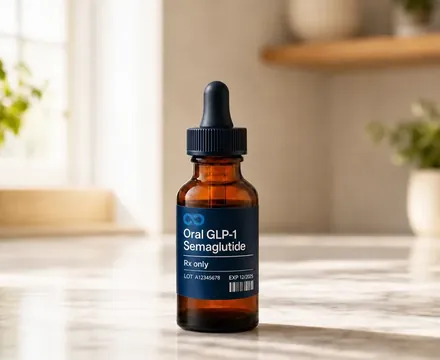
GLP-1 medications like semaglutide (Ozempic and Wegovy) and tirzepatide (Mounjaro and Zepbound) mimic a gut hormone that helps control appetite and blood sugar.
Part of how they work is by slowing how quickly your stomach empties and how quickly food moves through the small intestine. That's why you feel full sooner and stay full longer.
It's also why GI side effects are so common. In the trials behind Wegovy's label, 44 percent of people on the 2.4 mg dose reported nausea, compared with 16 percent on placebo.
Diarrhea showed up in 30 percent (versus 16 percent on placebo), and vomiting and constipation each showed up in 24 percent. Reflux and burping were less common, but still more frequent than on placebo.
Tirzepatide follows a similar pattern. In Zepbound's weight-loss trials, nausea affected roughly 25 to 29 percent of people, depending on the dose, compared with 8 percent on placebo.
These effects tend to be strongest when you start and each time the dose goes up. The same review notes that the stomach-slowing effect tends to lessen with longer treatment, which is one reason many people feel better after the first few months.
What Alcohol Does to Your Gut
Alcohol affects nearly every part of the digestive tract, starting the moment you swallow.
In the stomach, it irritates the lining and increases acid release. That's a big part of why drinking can leave you nauseated or with an upset stomach.
A detailed review of alcohol's role in gastrointestinal disorders explains that alcohol can weaken the muscle separating your esophagus from your stomach. When that muscle relaxes, acid can splash upward and cause heartburn.
Further down, alcohol can disrupt the muscle movement of the small and large intestines. That's one reason heavy drinking is linked to diarrhea.
The same review notes that alcohol can increase the movement of bacterial toxins across the intestinal wall. That leads straight into the bigger story of the gut barrier.
For a broader overview, our guide to alcohol and gut health covers how drinking affects digestion over time.
The Gut Barrier and Your Microbiome
Your intestines are lined with a barrier that lets nutrients in and keeps bacteria and their toxins out. Alcohol's effect on that barrier is one of the better-studied parts of this topic.
The National Institute on Alcohol Abuse and Alcoholism notes that one night of binge drinking can inflame the intestines and impair barrier function. That allows toxins from gut bacteria to enter the bloodstream.
Over time, the inflammation triggered by those toxins contributes to damage in the liver and other organs.
Alcohol also changes the gut community itself. A review on alcohol and the gut barrier describes how drinking increases gut permeability and causes dysbiosis, which means an imbalance in the types and numbers of gut bacteria.
GLP-1s are a different story. Research on how these medications affect gut bacteria in people is still early, and it doesn't yet give a clear, consistent picture.
So if you're looking for the part of this equation you can control, alcohol is the better-documented lever. Drinking less is good for your gut barrier no matter which medication you take.
How GLP-1s and Alcohol Stack Up
Here's where the overlap shows up most.
Nausea
A GLP-1 keeps food and drink in your stomach longer. Alcohol irritates the stomach lining and boosts acid. Put together, your stomach is holding an irritant for longer than usual.
That's why a couple of drinks can feel much rougher than they used to, and why next-day queasiness is such a common complaint.
Reflux and Heartburn
A fuller stomach puts more pressure on the valve at the top of it. Alcohol can relax that same valve. The combination makes reflux more likely, especially if you lie down soon after eating or drinking.
NIAAA notes that drinking about one serving of alcohol a day is associated with a 16 percent higher risk of developing GERD. Our article on alcohol and acid reflux explains why certain drinks hit harder.
Diarrhea and Constipation
GLP-1s can push your bowels in either direction. Alcohol tends to speed things up and can contribute to diarrhea, especially after heavier drinking.
If you're already constipated on a GLP-1, drinking won't fix it. The fluid loss from alcohol can actually make constipation harder to manage.
Dehydration
Vomiting and diarrhea pull fluid out of your body, and alcohol makes you lose more. Semaglutide's prescribing information warns that dehydration from GI side effects can lead to kidney problems.
That warning is most relevant during the early weeks and dose increases, which is exactly when GI side effects peak.
GI Symptom vs GLP-1 Role vs Alcohol Role vs What Helps
Here's a side-by-side view of the most common overlaps. Your own experience may differ.
| GI Symptom | GLP-1 Role | Alcohol Role | What Helps |
|---|---|---|---|
| Nausea | Slower stomach emptying keeps food in longer | Irritates the stomach lining and increases acid | Eat first, keep drinks small, skip alcohol on queasy days |
| Reflux and heartburn | Fuller stomach adds upward pressure | Weakens the valve between stomach and esophagus | Avoid fizzy and acidic drinks, don't lie down within 3 hours of eating |
| Diarrhea | Common, especially during dose increases | Disrupts intestinal muscle movement | Pause alcohol, sip fluids steadily, call if it won't stop |
| Constipation | Slower movement through the bowel | Fluid loss can make stools harder | Water, fiber, daily movement, ask your clinician about safe options |
| Dehydration | Vomiting and diarrhea pull fluid out | Increases fluid loss | Water between drinks, no alcohol when you're already losing fluids |
What Helps
Most of the fixes are simple. The trick is using them consistently, especially in the first months on a GLP-1.
Eat before you drink. Food in the stomach slows the rate of alcohol absorption and buffers the lining. Even if your appetite is low, have something real before the first drink.
Go smaller. A standard drink is 12 ounces of regular beer, 5 ounces of wine, or 1.5 ounces of spirits. One or two smaller drinks are far easier on a slowed-down stomach than a big pour.
Slow down and alternate with water. Sipping slowly gives your stomach less to handle at once. A glass of water between drinks also helps with hydration.
Choose drinks that are easier on reflux. If heartburn is your issue, many people do better skipping carbonated mixers and acidic drinks like citrus-heavy cocktails. Alcohol itself is a common reflux trigger, so less is better.
Stay upright after eating. Give yourself at least three hours between your last meal or drink and lying down. Raising the head of your bed can also help with nighttime reflux.
Respect your dose calendar. Side effects often flare around dose increases. Skipping alcohol for a few days around those changes can save you a lot of discomfort.
Give your gut a break on bad days. If you're nauseated, vomiting, or have diarrhea, skip alcohol entirely and focus on fluids until you feel steady.
For more on managing the medication side, our guide to GLP-1 side effects for people working on their drinking walks through what's normal.
A Simple Game Plan for a Night Out
It helps to have a plan before you walk in the door. Here's what that can look like on a GLP-1.
Before. Eat a real meal, even a small one. Decide on your number ahead of time, and if reflux has been bothering you, pick a drink that isn't fizzy or citrus-heavy.
During. Start with a glass of water. Sip your first drink slowly, and alternate each drink with water. If your stomach starts to feel full or sour, that's your cue to stop.
After. Stay upright for a while before bed, and have another glass of water. Pay attention to how your stomach feels the next morning, because that tells you what your limit really is now.
The next day. If you're queasy, keep food bland and fluids steady. Having another drink won't help, and NIAAA notes that only time lets the body heal irritated tissue after drinking.
Over a few weeks, you'll learn which drinks and amounts your gut tolerates. For many people, that number ends up lower than it was before they started their GLP-1.
Red-Flag Symptoms That Need a Clinician
Most GI side effects are uncomfortable but not dangerous. A few symptoms are different and need prompt attention.
Contact a clinician right away, or seek emergency care, if you have:
- Severe stomach pain that won't go away, with or without vomiting, especially if it spreads to your back.
- Pain in your upper abdomen with fever, yellowing of your skin or eyes, or clay-colored stools.
- Vomiting that keeps you from holding down fluids, or signs of dehydration like dizziness and very little urine.
- Severe constipation with a swollen belly, vomiting, or no bowel movement at all.
- Vomiting blood, or black or bloody stools.
The first symptom is the classic warning sign of pancreatitis, and GLP-1 labels say to stop the medication if it happens. The second can point to gallbladder problems, also listed in GLP-1 prescribing information.
Why Pancreatitis Deserves Extra Attention
GLP-1 labels list acute pancreatitis as a warning. The guidance is specific: severe pain in the stomach area that won't go away, sometimes felt through to the back, means stop the medication and call your healthcare provider.
Alcohol matters here, too. NIAAA notes that alcohol is the leading cause of chronic pancreatitis and the second leading cause of acute pancreatitis after gallstones.
That doesn't mean everyone who drinks on a GLP-1 will develop pancreatitis. It means your prescriber needs an honest picture of how much you drink, and whether you've ever had pancreatitis or gallbladder problems.
Share your full GI history while you're at it. GLP-1 labels advise against use in people with severe gastroparesis, so conditions that slow your stomach matter before you start.
Our guide to alcohol and pancreatitis covers the warning signs and why cutting back helps.
Where Naltrexone Fits
If your goal is to drink less, the most direct gut-friendly move is less alcohol. That's where naltrexone can help.
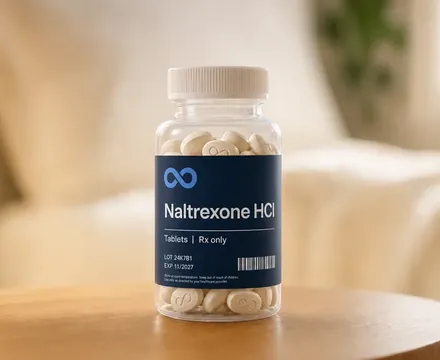
Naltrexone has been FDA-approved for alcohol use disorder since 1994. It blocks the opioid receptors involved in alcohol's rewarding buzz, so drinking feels less rewarding over time.
It comes as a 50 mg tablet you can take while you're still drinking. GLP-1s, by contrast, are not FDA-approved for alcohol use disorder, so using them for drinking is off-label and the evidence is still emerging.
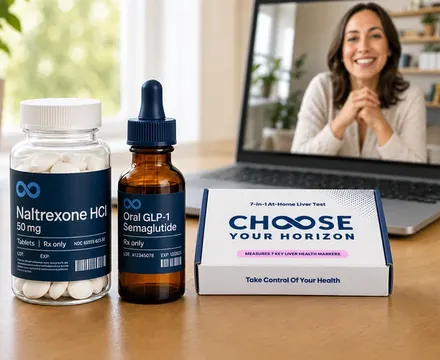
Choose Your Horizon offers a physician-guided GLP-1 and naltrexone combination for people who are a good fit for both.
Naltrexone's most common side effect is also nausea. So your physician will plan the timing so your gut isn't handling two new starts at once.
A Calmer Gut Starts With a Few Small Changes
GLP-1s slow your stomach and bowels. Alcohol irritates the stomach, relaxes the valve that keeps acid down, and weakens the gut barrier. Together, they can make nausea, reflux, and bowel changes worse.
Simple steps go a long way. Eat first, keep drinks small, skip alcohol on bad days and around dose increases, and stay upright after meals.
Know the red flags, especially severe stomach pain that won't go away. And if drinking less is part of your goal, support can make that easier on your gut and the rest of you.
Frequently Asked Questions
Does alcohol make GLP-1 nausea worse?
For many people, yes. A GLP-1 keeps food and drink in your stomach longer, and alcohol irritates the stomach lining, so the two together often intensify nausea.
Can GLP-1 medications cause acid reflux?
Yes. Reflux and burping are listed side effects in GLP-1 trials. Alcohol can relax the valve between the stomach and esophagus, so drinking can make reflux more likely.
Does alcohol damage the gut microbiome?
Research shows alcohol can increase gut permeability and disrupt the balance of gut bacteria. Even a single night of binge drinking can temporarily impair the intestinal barrier.
What stomach symptoms on a GLP-1 are an emergency?
Severe abdominal pain that won't go away, especially if it spreads to your back, needs prompt care because it can signal pancreatitis. So do vomiting blood, black stools, or signs of severe dehydration.
What drinks are easiest on the stomach while on a GLP-1?
Smaller, non-carbonated drinks sipped slowly with food tend to be easiest. If reflux is an issue, skip fizzy mixers and acidic, citrus-heavy cocktails.
Is it okay to drink if I'm constipated on a GLP-1?
Alcohol won't help and can make dehydration worse. Focus on water, fiber, and movement, and ask your clinician about safe options if constipation lasts more than a few days.
If you want to drink less and give your gut a break, take the online Alcohol Use Assessment to see if naltrexone, or a physician-guided GLP-1 and naltrexone combination, is a good fit for you.
A private, physician-led plan to drink less or quit.
Medication, coaching and support from home. A short assessment is the first step.
Start Assessment