

What You'll Discover:
- How to decide between cutting back and quitting, and why both count.
- Who needs medical support before stopping, and which signs mean get help now.
- The four main paths, from doing it on your own to medical care.
- A practical plan for the first 30 days, including what to do after a slip.
- When medication like naltrexone makes sense.
If you're reading this, part of you has already decided something needs to change.
Maybe it's the 3 a.m. wake-ups, the foggy mornings, or the quiet math of how many bottles went out with the recycling. That decision is the hardest step, and it rarely gets the credit it deserves.
You don't need to hit rock bottom first, and you don't need to take on a label. You need a plan that's realistic for your life. This guide walks you through one in five steps, whether your goal is to quit completely or to drink a lot less.
Step 1: Decide What "Stopping" Means for You
Before you change anything, decide what you're aiming for. For some people, stopping means no alcohol at all. For others, it means stopping the nightly bottle of wine or the weekend binges, while still having a drink at a wedding.
Both are valid goals. Cutting back is a real change, not a consolation prize. And plenty of people start with cutting back, learn a lot about their habits, and decide later to quit.
Of course, some situations make quitting the safer choice. NIAAA's Rethinking Drinking guidance on cutting down or quitting strongly advises quitting if any of these apply:
- You've tried cutting down but can't stay within the limits you set.
- You have alcohol use disorder or its symptoms.
- You have a physical or mental health condition caused or worsened by drinking.
- You take a medication that interacts with alcohol.
- You are or might be pregnant.
If none of those fit, the choice is yours to make, ideally with input from a doctor. Our guide to cutting back vs quitting alcohol lays out the trade-offs side by side.
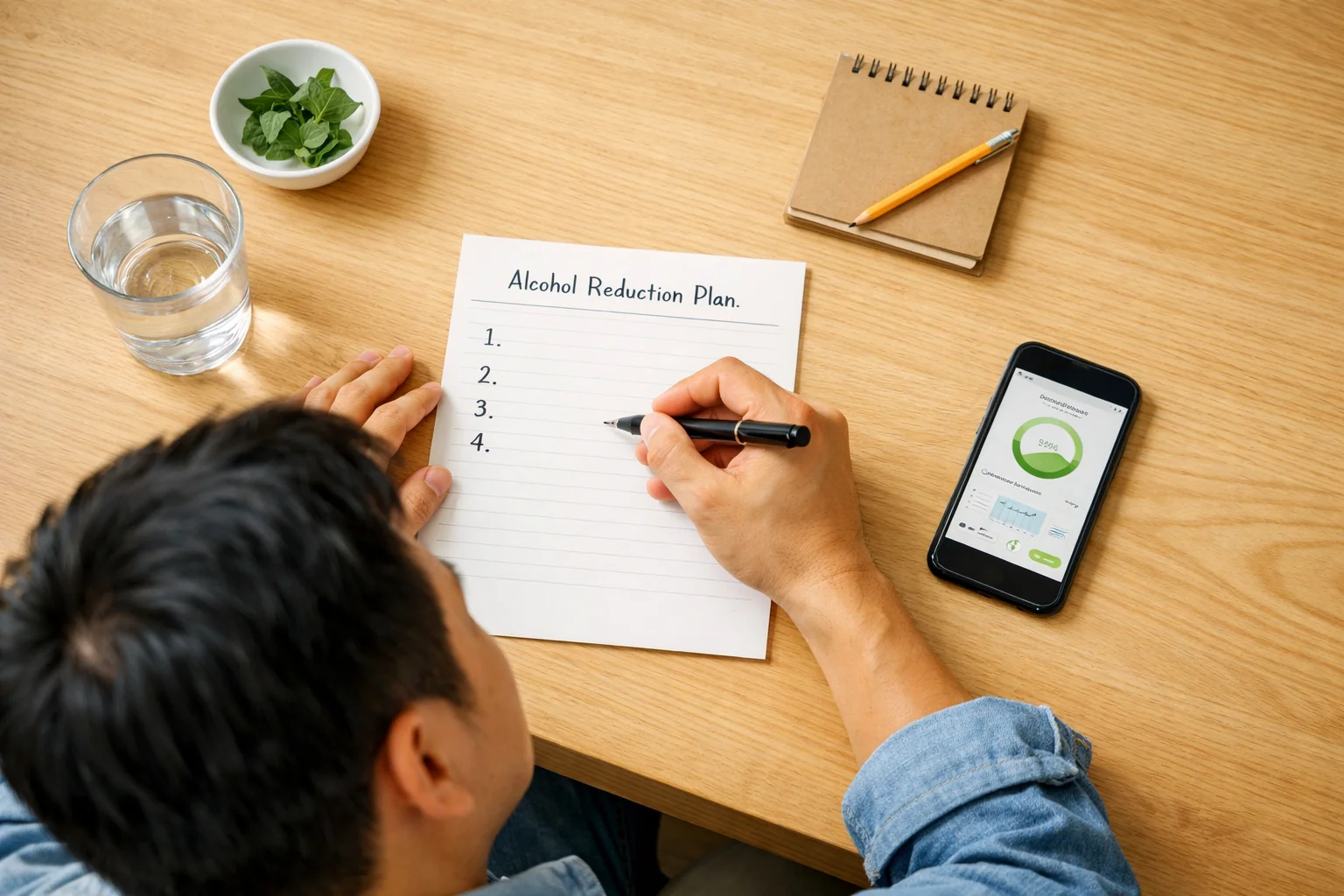
Whatever you choose, write it down in specific terms. "Drink less" is hard to measure. "No alcohol Sunday through Thursday, and no more than two drinks on Friday and Saturday" is a plan. So is "no alcohol for 30 days, then reassess."
Step 2: Do a Safety Check Before You Stop
For most people who drink lightly or a few times a week, stopping is uncomfortable at worst. But if your body has adapted to alcohol every day, stopping suddenly can trigger withdrawal, and withdrawal can be dangerous.
NIAAA's Rethinking Drinking site notes that quitting after long-term heavy drinking can cause dangerous withdrawal, and advises getting medical help to plan a safe stop. This step takes five minutes and it matters.
Who Should Talk to a Clinician First
Check in with a doctor or a telehealth clinician before you stop if any of these apply:
- You drink heavily every day, or nearly every day, and have for weeks or months.
- You've felt shaky, sweaty, anxious or sick when you went without a drink.
- You drink in the morning to steady yourself.
- You've ever had a withdrawal seizure or severe confusion after stopping.
- You have heart, liver or other serious health conditions, or you're pregnant.
A clinician can tell you whether it's safe to stop at home, whether to taper, or whether you need medical supervision for the first few days. None of that means you've failed. It means you're doing it safely.
Signs That Mean Get Help Now
The severe form of alcohol withdrawal is called delirium tremens. According to a StatPearls clinical review on NCBI, only about 3% to 5% of people withdrawing from alcohol reach that stage.
It can begin as early as 48 hours after the last drink and last up to five days. Rare doesn't mean ignorable, so know the warning signs before you start.
Call 911 or go to an emergency room if anyone withdrawing from alcohol becomes confused, sees or hears things that aren't there, or has a seizure.
The same goes for a high fever, a racing or pounding heart, or shaking and agitation that keep getting worse. These are medical emergencies, and fast care makes a real difference.
For a day-by-day look at what's normal and what isn't, see our guide on how long alcohol withdrawal lasts.
Step 3: Choose Your Path
There's no single right way to stop drinking. The best path is the one that matches your goal, your safety needs and your life. Here's how the four main options compare.
| Path | Best for | What it involves |
|---|---|---|
| On your own | Low withdrawal risk, strong motivation, a preference for privacy | A written plan, tracking, changes at home and free tools like Rethinking Drinking |
| Peer support | People who do better with community and accountability | In-person or online mutual support groups, sober-curious communities, a trusted friend |
| Telehealth with naltrexone | People with cravings, nightly habits or past attempts that didn't hold | A physician-guided prescription, coaching and tracking, all from home |
| In-person or inpatient care | Severe withdrawal risk or complex medical or mental health needs | Medically supervised withdrawal, then ongoing outpatient care |
These paths aren't either-or. Many people combine them, like doing most of the work on their own with a weekly online group and a prescription in the background.
On Your Own
Plenty of people change their drinking without a clinic or a group. It works best when withdrawal risk is low, your reasons are clear and you have a solid plan for your toughest moments.
We wrote a full, practical guide on how to stop drinking on your own, from picking a start date to handling the first week. If this is the path you're leaning toward, start there.
With Peer Support
Some people do far better with others who get it. Mutual support groups meet in person and online, and they're free. Sober-curious and moderation communities online offer a lighter-touch version.
Even one trusted friend who checks in counts as peer support. The power is accountability and the relief of not carrying it alone.
With a Clinician and Medication
If cravings run the show, or you've tried before and it didn't hold, adding medical support changes the odds. Telehealth makes this private and convenient. You can get a prescription, coaching and check-ins without sitting in a waiting room.
We cover how medication fits in Step 5.
In-Person or Inpatient Care
If you're at risk for severe withdrawal, or you're dealing with serious medical or mental health issues alongside drinking, in-person care is the right starting point. Medically supervised withdrawal keeps you safe for the first several days.
To find quality options near you, including telehealth, NIAAA's free Alcohol Treatment Navigator explains what good care looks like and how to search for it.
Step 4: Get Through the First 30 Days
The first month is when habits are loudest. The goal isn't perfection. It's to make the drink-free or drink-less choice the easy one, as often as possible.
Reset Your Environment
Remove alcohol from your home, or at least out of sight. Every extra step between you and a drink buys you a moment to choose. Stock up on drinks you actually enjoy instead, like sparkling water, good tea or non-alcoholic beer.
Map Your Triggers
Spend a few days noticing when the urge shows up. Common triggers are stress after work, certain people, boredom, being hungry or tired, and specific places. Once you know your top three, you can plan around each one.
If You Drink at Home Every Evening
This is the most common pattern, and it's mostly about ritual. The drink marks the end of the workday, the start of dinner or the moment the kids are in bed. So replace the ritual, not just the drink.
Pour a different drink in the same glass at the same time. Change the first 30 minutes after work, like a walk, a shower or cooking with music on. Many people find the craving fades once the old cue is gone.
Protect Your Sleep
Sleep can be restless for the first week or two, especially if you used alcohol to wind down. Keep a steady bedtime, cut caffeine after lunch and keep screens out of bed. For many people, sleep gets noticeably better within a few weeks.
Tell at Least One Person
You don't have to announce anything. But telling one person you trust makes it real and gives you someone to text on a hard night. A simple "I'm taking a break from drinking" is enough.
Ride Out Cravings
Cravings feel like they'll last forever, but they rise, peak and fade. When one hits, delay. Drink something, move your body, step outside or call someone, and let the wave pass.
Many people find that each craving they ride out makes the next one a little easier. Tracking them helps too. You'll start to see patterns, and you'll see progress.
What to Do After a Slip
A slip is information, not failure. It doesn't erase your progress, and it doesn't mean you can't do this. Slips are a common part of changing any long-standing habit.
The key is to keep one drink from becoming a lost week. Look at what happened, adjust your plan for that situation, and restart the next morning. If slips keep happening, that's a sign to add support, not to try harder alone.
Step 5: Know When Medication Makes Sense
For many people who struggle to stop, willpower isn't the real issue. Alcohol triggers a reward response in the brain, and over time that response drives cravings. Medication can work directly on that loop.
Naltrexone has been FDA-approved for alcohol use disorder since 1994. According to federal clinical guidance on NCBI, it reduces both the rewarding effects of alcohol and the craving for it.
A review of 29 placebo-controlled trials found its clearest effect is on heavy drinking. That fits how it works. When drinking feels less rewarding, it's easier to stop at one or two, or not start at all.
Medication tends to make the most sense when:
- Cravings are strong or constant.
- You've tried to quit or cut back before and it didn't hold.
- Drinking every evening has become automatic.
- Your goal is moderation, but you keep going past your limit.
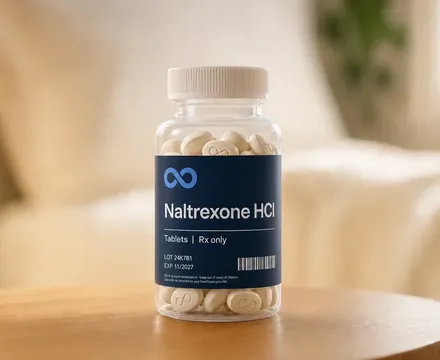
Naltrexone is a 50 mg tablet, usually taken once a day. It isn't habit-forming. It isn't right for people who take opioids or have serious liver disease, which is why a physician needs to review your health first.
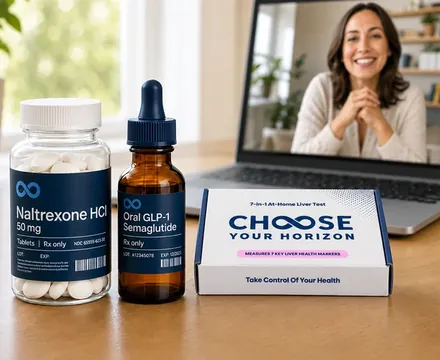
Choose Your Horizon offers physician-guided naltrexone online in all 50 states, alongside coaching and daily tracking, as part of an integrated solution built on clinical, neurological, and behavioral science.
It supports both goals, quitting and drinking less. Learn more in our guide to the pill to quit drinking.
What Progress Usually Looks Like
Everyone's timeline is different, but many people notice a similar pattern. The first week or two is the hardest, with cravings at your usual drinking times and some restless nights.
By weeks two to four, many people notice clearer mornings, steadier energy and better sleep. The urges usually come less often and pass faster.
Somewhere in the second or third month, the new routine starts to feel like yours. That's when it's worth checking in on your goal.
Some people who set out to cut back decide to keep going alcohol-free, and some who quit settle into occasional drinking with clear limits.
The Bottom Line
Stopping drinking is a skill, not a test of character. Decide what stopping means for you, check whether you need medical support first, and choose the path that fits your life.
Then give yourself 30 days of real structure, with a plan for triggers, evenings, sleep and slips.
If cravings keep winning, that's not a personal failing. It's a signal to add support, and medication like naltrexone is one of the most practical options.
Frequently Asked Questions
What is the best way to stop drinking alcohol?
The best way is the one that fits your goal and your safety needs. A written plan, changes at home, support from others and, when cravings are strong, medication like naltrexone all improve the odds.
Is it safe to stop drinking cold turkey?
For light or occasional drinkers it's usually safe. If you drink heavily every day or have had withdrawal symptoms before, talk to a clinician first, since withdrawal can be dangerous.
How do I stop drinking every night at home?
Replace the ritual, not just the drink. Remove alcohol from the house, pour a different drink at the same time, and change what you do in the first 30 minutes after work.
How long does it take to stop craving alcohol?
It varies. Cravings are usually strongest in the first few weeks and then come less often and fade faster, especially with support or medication.
Can a doctor prescribe something to help me stop drinking?
Yes. Naltrexone is FDA-approved for alcohol use disorder and reduces the reward and craving tied to drinking. Choose Your Horizon offers it online with physician guidance in all 50 states.
What should I do if I drink again after quitting?
Treat it as information, not failure. Look at what led to it, adjust your plan, and restart the next day. If slips keep happening, add more support.
When you're ready for support that fits your life, take the online Alcohol Use Assessment to see whether naltrexone and Choose Your Horizon's integrated solution are right for you.
A private, physician-led plan to drink less or quit.
Medication, coaching and support from home. A short assessment is the first step.
Start Assessment