A 2 minute assessment to get a personalized mental health or alcohol recovery plan.

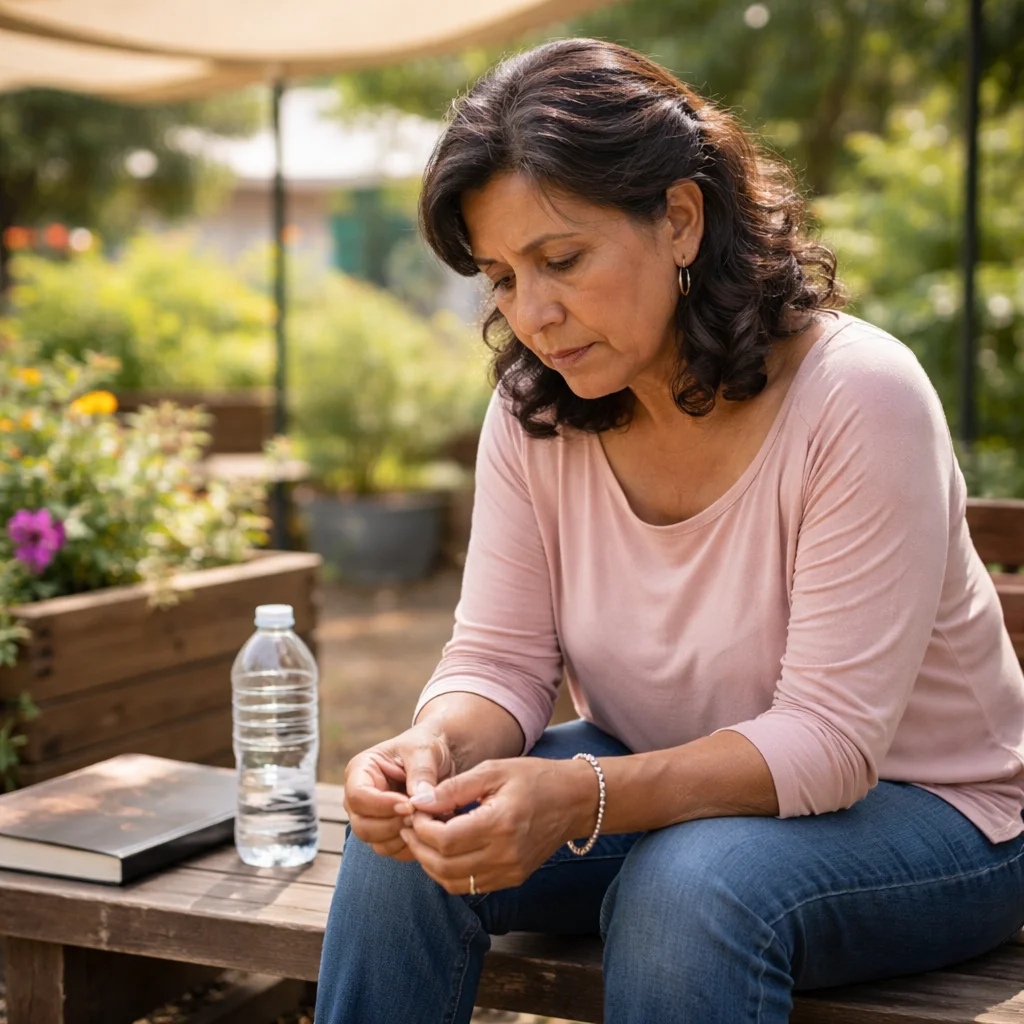
Many people with avoidant personality disorder drink alcohol to escape discomfort they’re trying to avoid, but it only provides temporary relief that can increase the risk of addiction.
What You’ll Learn
• The prevalence of avoidant personality disorder.
• The common traits that are associated with AVPD.
• Statistics involving alcohol use and avoidant personality disorder.
• What increases the risk of alcohol use disorder when someone has AVPD.
• Why both the AVPD and AUD need to be treated for full recovery.
Avoidant personality disorder (AVPD) is a Cluster C disorder defined by pervasive social inhibition, feelings of inadequacy and hypersensitivity to negative evaluation that typically begins in early adulthood.
It’s these feelings that cause some people with the disorder to turn to alcohol for relief.
Alcohol use disorder is more common across every personality disorder, not just this one. Our guide to alcohol use disorder and personality disorders breaks down the risk and the research for each one.
AVPD is sometimes confused with Social Anxiety Disorder (SAD). The distinction is that avoidant personality disorder is more severe. It’s been likened to a continuation of SAD.
Studies involving the general population put the prevalence of AVPD at 2.4%. However, in clinical populations the rate is much higher at around 44-55%.
This suggests that the disorder is significantly underdiagnosed in the general population, and that isn’t good because of the high rate of self-medicating with alcohol and narcotics.
Self-medicating is more common for people who aren’t diagnosed or have been misdiagnosed.
Much of what we know about alcohol use disorder and avoidant personality disorder comes from social anxiety research involving patients with SAD, some of whom met the criteria for AVPD.
While it may not be specific to AVPD, the research makes it clear that alcohol use is more problematic for people with avoidant personality disorder.
Common Traits For Avoidant Personality Disorder
No one likes uncomfortable experiences and social situations, but most people handle them in stride when it happens.
A person with avoidant personality disorder will worry relentlessly about the possibility of an uncomfortable situation and do whatever it takes to evade social discomfort.
There are seven traits that are associated with AVPD:
• Avoiding jobs involving interpersonal contact for fear of criticism or rejection
• Unwillingness to get involved with people unless there’s certainty of being liked
• Restraint within intimate relationships for fear of shame or ridicule
• Preoccupation with being criticized or rejected in social situations
• Feeling inhibited in new interpersonal situations due to inadequacy
• Self-view as socially inept and inferior
• Reluctance to take personal risks or try new activities for fear of embarrassment
When a person has at least four of the traits above they are diagnosed with AVPD.
Ironically, most of the traits are about holding back to avoid potential discomfort, and yet many people with avoidant personality disorder show less restraint with harmful alcohol use.
What Research Shows About the Connection Between AVPD and AUD
There isn’t a wealth of information specifically on avoidant personality disorder, but what exists is enlightening. There have also been a lot of studies done about social anxiety disorder, which is closely related to AVPD.
Across the board, the research has produced fairly consistent results.
NESARC studies have provided part of the picture along with widescale studies by national organizations:
• Among people with AVPD, 34.91% had lifetime alcohol dependence, compared to 12.26% of people without AVPD.
• AVPD substantially raises an individual's own risk of AUD, but it's not as overrepresented in general clinical alcohol-treatment populations as the more externalizing Cluster B disorders.
• NIAAA's published review notes roughly 20% of people treated for social anxiety disorder also have an alcohol use disorder, and about 15% of people in alcoholism treatment have comorbid social anxiety disorder.
Something else worth noting with avoidant personality disorder is that there’s an even stronger connection with drug dependence. Studies have found that the odds ratio for drug dependence is three times higher than alcohol dependence.
Why Avoidant Personality Disorder Increases the Risk of Alcohol Use Disorder
The reason AUD is more likely for someone with avoidant personality disorder is because it provides tension-relief.
Experts have made a tension-reduction hypothesis that alcohol actually acts as a negative reinforcer by temporarily easing the anticipatory anxiety and hypervigilance to social threat that define both SAD and AVPD.
But the alcohol use is nuanced. An interesting finding has been that people with AVPD report more alcohol-related problems despite drinking the equivalent or even less overall alcohol than non-anxious peers.
This suggests the risk isn't about volume but about when and why they drink. It’s also an indicator that occasional binge drinking could be a bigger problem than chronic drinking.
Researchers have found that alcohol has a particularly relaxing effect on people with social anxiety disorder and the same is believed for AVPD.
Alcohol can reduce attentional bias toward social threat cues, which reinforces its use specifically in situations the person would otherwise avoid entirely.
It appears alcohol use is specifically relied on to get through unavoidable social situations. Unfortunately, someone with AVPD increases the likelihood of an embarrassing social situation when they become inebriated.
The self-medicating can also lead to chronic drinking for someone with AVPD that finds themselves having to interact with others often.
The real kicker is that alcohol use will only make the anxiety worse the next day, but few people make that connection so the cycle of using alcohol for stress relief continues.
How to Keep Alcohol Use Under Control When AVPD is a Problem
Living with avoidant personality disorder is a challenge regardless of alcohol use. No one wants to live in a constant state of worry about how they are perceived and avoid life out of fear of judgement that may or may not happen.
Getting alcohol use under control isn’t possible without also addressing AVPD that is typically the catalyst for the drinking. Unfortunately, very little integrated treatment research exists for this specific combination of AVPD and AUD.
Many treatment studies involving avoidant personality disorder don’t include AUD comorbidity despite the prevalence.
The best path forward is to address each disorder simultaneously using evidence-based treatments.
The general protocol for AVPD treatment consists of individual or group cognitive behavioral therapy (CBT), schema therapy and metacognitive interpersonal therapy. Each one has evidence behind it.
An important part of the work is identifying social anxiety triggers that encourage alcohol use as well as healthy coping mechanisms that can replace alcohol.
There are now a variety of treatment options for alcohol use disorder that work much better than trying to simply white knuckle it. CBT that addresses alcohol use is one option that can fit in seamlessly with AVPD treatment.
There are also FDA-approved medications like prescription naltrexone that help in a variety of ways.
For someone with AVPD, naltrexone can help reduce binge drinking and going overboard when you’re in a social situation where there will be alcohol.
Because naltrexone blunts the buzz from alcohol, it’s common for people to drink less than they normally would.
And if you’ve formed a dependence on alcohol, naltrexone can help with that as well by modifying the reward system over time so that the brain doesn’t associate alcohol with pleasure or relief.
The best part is you don’t have to go visit a doctor in-person for this type of alcohol use treatment. You can get a naltrexone prescription online through a qualified clinician that won’t pass any judgement.
Learn more about your drinking habits and get personalized recommendations by taking the Alcohol Use Assessment. It’s quick and 100% confidential.