



What You'll Discover:
- What the FDA said in 2024, and what it concluded in 2026.
- What Europe's medicines regulator found.
- How cutting back on alcohol can shift mood and anxiety.
- How to tell medication effects from alcohol effects.
- When to call a clinician, and when to call 988.
Starting a GLP-1 and cutting back on drinking are both big changes. It makes sense to pay attention to how you feel, especially if you've seen news stories about these medications and mood.
So here's the clear version. Regulators in the U.S. and Europe looked closely at reports of suicidal thoughts in people taking GLP-1s, and neither found that the medications cause them.
That doesn't mean your mood doesn't matter. It means that if something feels off, there are several possible reasons, and most of them are manageable with the right support.
If you're having thoughts of suicide or self-harm right now, call or text 988 to reach the 988 Suicide & Crisis Lifeline. It's free, confidential, and available 24 hours a day.
Why Regulators Looked at GLP-1s and Mood
In 2023, reports began coming in from people describing suicidal thoughts while taking GLP-1 medications. A few of these drew wide media coverage.
The U.S. Food and Drug Administration began investigating in July 2023. Europe's medicines regulator opened its own review the same month, after Iceland's medicines agency flagged reports.
There was also some background. The labels for weight-loss GLP-1s, such as Wegovy and Zepbound, already carried a warning about suicidal thoughts and behavior.
That warning didn't come from GLP-1 data. According to the FDA, it was carried over from older weight-loss medications. That's why the diabetes versions, like Ozempic and Mounjaro, don't carry it.
What the FDA Said in January 2024
In January 2024, the FDA shared a preliminary evaluation of reports of suicidal thoughts or actions in people taking GLP-1s. It had not found evidence that the medications cause them.
The agency reviewed adverse event reports, clinical trials, and observational studies. The reports were often limited and could be influenced by other factors, and the trials didn't show an association.
The FDA was also careful about what it couldn't say. Suicidal thoughts and actions were rare in both treated and comparison groups, so it said it could not definitively rule out a small risk and would keep looking.
That kind of caution is normal for a safety review. Before reaching a final answer, the FDA planned a larger pooled analysis of trials and a study of real-world health records.
What Europe's Regulator Concluded
In April 2024, the safety committee of the European Medicines Agency finished its review. It concluded that the available evidence does not support a causal link between GLP-1 medications and suicidal or self-harm thoughts and actions.
The committee weighed several sources, including large studies of electronic health records. It decided no change to the product information was needed, and drugmakers would keep monitoring these events.
The FDA's Final Word in January 2026
In January 2026, the FDA finished its broader review and requested removal of the suicidal behavior and ideation warning from the labels of three weight-loss GLP-1s, including Wegovy and Zepbound.
The evidence behind that decision was substantial. A pooled analysis of 91 placebo-controlled trials with 107,910 patients found no increased risk of suicidal thoughts or behavior.
It also found no increased risk of other psychiatric effects, including anxiety, depression, irritability, or psychosis.
A second study used health records from more than 2.2 million people with type 2 diabetes. People starting a GLP-1 had no higher risk of intentional self-harm than people starting a different type of diabetes medication.
The updated Wegovy and Zepbound labels now list the warning as removed. The FDA's advice to patients stayed practical: keep taking your medication as prescribed and talk with your health care professional about any concerns.
It also kept one instruction in place. Tell your clinician if you notice new or worsening depression, suicidal thoughts, or any unusual changes in mood or behavior.
What This Means for You
The big-picture finding is reassuring. Across a large amount of data, GLP-1s don't appear to raise the risk of suicidal thoughts, depression, or anxiety.
Of course, averages don't describe every person. You can still have a hard stretch while taking a GLP-1, and that experience deserves attention no matter what caused it.
There are also everyday reasons a GLP-1 can affect how you feel. Eating much less can leave you tired and irritable. Persistent nausea is draining. Fast changes in weight and routine can stir up a lot emotionally.
If you have diabetes and take other medications that lower blood sugar, lows can show up as anxiety, irritability, or mood changes. That's listed right in the prescribing information.
The FDA is clear on one more point. Don't stop a GLP-1 on your own because of a mood concern. Talk to your prescriber first, since stopping suddenly can affect the condition you're treating.
For a broader look at what to expect physically, our guide to GLP-1 side effects when you're working on your drinking covers the common ones.
How Cutting Back on Alcohol Shifts Mood
Here's the part that often gets missed. If you started a GLP-1 and started drinking less around the same time, some of what you feel may be coming from the alcohol change.
Alcohol calms the brain in the moment. The brain pushes back to stay balanced, and when the alcohol wears off, that push can leave you more on edge than before.
The National Institute on Alcohol Abuse and Alcoholism describes this as a kind of mini-withdrawal. When the buzz fades, people can feel more restless and anxious than they did before they drank.
Over time, the pattern can build on itself. NIAAA notes that anxiety-like symptoms can follow even a single heavy drinking episode, rise between drinking episodes, and peak during withdrawal.
That's why the first days and weeks of cutting back can feel jittery. Sleep often gets worse before it gets better, and alcohol-related sleep problems may take 30 days or more without drinking to recover.
We cover this early phase in our guide to alcohol rebound anxiety, including why it happens and what helps.
Why Mood Usually Improves Later
The good news is that alcohol-related mood and anxiety symptoms tend to lift. A classic review of alcohol, anxiety, and depressive disorders found they are likely to improve markedly within the first several weeks to a month without drinking.
The same review made a useful point for anyone tracking their mood. If serious depression or anxiety is still there after about a month without alcohol, it may be a separate condition that deserves its own treatment.
The research is clearest for stopping, but the direction is similar when people cut back meaningfully. NIAAA notes that depression screening scores often rise and fall along with alcohol screening scores.
In other words, drinking less tends to move mood in the right direction, even if the first stretch is bumpy. Our article on alcohol and depression goes deeper on that two-way link.
Everyone's timeline is different. If you've been drinking heavily for a long time, the adjustment may take longer, and support makes a real difference.
Telling Medication Effects From Alcohol Effects
When two things change at once, it's hard to know which one is behind how you feel. A simple log beats guessing.
For a few weeks, jot down your mood, your sleep, what you ate, how much you drank, and when you took your GLP-1 dose. Patterns tend to show up quickly.
If anxiety spikes the morning after drinking, that points to alcohol. If you feel flat and drained on days you barely ate, that points to the appetite side.
Clinicians use the same approach. NIAAA recommends building a timeline of symptoms and drinking to separate alcohol-related symptoms from other conditions.
Choose Your Horizon's app includes drinking and mood tracking for exactly this reason. Bringing real data to your care team makes the next step much clearer.
If your anxiety mostly shows up after a night out, our guide to post-alcohol anxiety explains what's going on.
Small Things That Steady Your Mood
None of these replace care from a clinician. They do make the early weeks easier, whichever change is driving how you feel.
Eat on a schedule. A GLP-1 can make it easy to skip meals without noticing. Small, regular meals help keep your energy and mood more even.
Protect your sleep. Keep the same bedtime and wake time, even on weekends. A steady routine gives sleep that's been disrupted by drinking its best chance to recover.
Move a little every day. A short walk counts. Movement is one of the simplest ways to take the edge off restlessness.
Stay connected. Tell one person you trust what you're working on. Isolation tends to make low moods heavier and urges to drink louder.
What You Might Notice vs Likely Cause vs What to Do
Here's a quick way to sort through common experiences. It's a starting point for a conversation with your care team, not a diagnosis.
| What You Might Notice | Likely Cause | What to Do |
|---|---|---|
| Restless or anxious the morning after drinking | Rebound as alcohol wears off | Hydrate, eat, and log it. It often eases within a day or so. |
| Edgy, with poor sleep, in the first weeks of cutting back | Brain and sleep readjusting to less alcohol | Keep a steady routine and tell your care team if it feels intense. |
| Tired, irritable, or flat on a GLP-1 | Eating too little, nausea, or low blood sugar if you have diabetes | Eat regular small meals and ask your prescriber about pacing your dose. |
| Shaking, sweating, or a racing heart after stopping heavy drinking | Possible alcohol withdrawal | Contact a clinician the same day. Get emergency care for confusion or seizures. |
| Low mood or hopelessness lasting more than two weeks | Possible depression, whatever the cause | Tell your clinician soon so you can be properly evaluated. |
| Thoughts of suicide or self-harm | A crisis that needs immediate support | Call or text 988 now, or call 911 if you're in danger. |
When to Call a Clinician
You don't need to wait for a crisis to reach out. Mood changes are a normal thing to bring up with your care team, and early conversations tend to be easier ones.
Contact your clinician soon if you notice:
- Low mood, emptiness, or loss of interest that lasts more than two weeks.
- Anxiety that keeps you from sleeping, working, or functioning day to day.
- New or worsening depression after starting or changing a GLP-1 dose.
- Shaking, sweating, or a racing heart after cutting back on drinking.
- Any unusual change in mood or behavior that worries you or people close to you.
Get help right away if you have thoughts of suicide or self-harm. Call or text 988, or call 911 if you're in immediate danger.
Severe withdrawal is also an emergency. Confusion, hallucinations, or a seizure after stopping drinking need emergency care.
Where Naltrexone and Integrated Care Fit
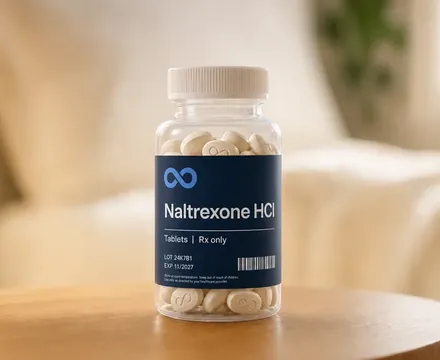
If you're working on your drinking while on a GLP-1, you don't have to manage it alone. Naltrexone has been FDA-approved for alcohol use disorder since 1994 and works by making alcohol feel less rewarding.
GLP-1s, by contrast, are not FDA-approved for alcohol use disorder. Using them for drinking is off-label, and the evidence is still emerging.
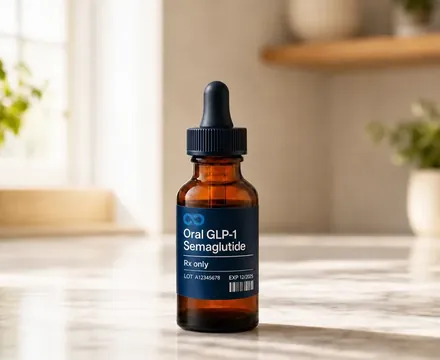
Choose Your Horizon offers a physician-guided GLP-1 and naltrexone combination for people who are a good fit for both. The medical team is led by a Mayo Clinic-trained psychiatrist, so mood is part of the conversation from the start.
That's the point of an integrated solution. Medication, coaching, and tracking work together, grounded in clinical, neurological, and behavioral science, so you're not left guessing which change is doing what.
The Bottom Line on GLP-1s, Alcohol, and Mood
Regulators looked hard at GLP-1s and suicidal thoughts. The FDA's 2026 review of 91 trials and a health records study of more than 2.2 million people found no increased risk.
Europe's regulator reached a similar conclusion in 2024. That's a clear, consistent answer from two major regulators.
Cutting back on alcohol has its own mood curve. The first days and weeks can bring rebound anxiety and rough sleep, and many people feel steadier within a month or so.
Your experience still counts more than any average. If your mood changes in a way that worries you, tell your clinician, and if you're in crisis, call or text 988.
Frequently Asked Questions
Do GLP-1 medications cause depression or suicidal thoughts?
Current evidence says no. In 2026 the FDA found no increased risk of suicidal thoughts, depression, or anxiety across 91 trials, and it requested removal of the warning from weight-loss GLP-1 labels.
What did the FDA say about GLP-1s and suicidal thoughts in 2024?
Its January 2024 preliminary review found no evidence that GLP-1s cause suicidal thoughts or actions. It said it couldn't rule out a small risk and kept studying the question.
Why do I feel anxious after cutting back on drinking?
As alcohol wears off, the brain rebounds and can leave you more restless than before. This rebound anxiety is common early on and usually eases with time.
How long does it take for mood to improve after cutting back on alcohol?
Alcohol-related mood and anxiety symptoms often improve markedly within several weeks to a month without drinking. Symptoms that last longer are worth a clinician's evaluation.
Should I stop my GLP-1 if my mood changes?
Don't stop on your own. Talk to your prescriber first, and if you have thoughts of suicide or self-harm, call or text 988 right away.
Is 988 only for people who are suicidal?
No. The 988 Suicide & Crisis Lifeline offers free support for anyone in emotional distress, any time of day. You can call or text 988.
If you want support with your drinking and your overall well-being at the same time, take the online Alcohol Use Assessment to see if naltrexone, or a physician-guided GLP-1 and naltrexone combination, could be a good fit for you.
A private, physician-led plan to drink less or quit.
Medication, coaching and support from home. A short assessment is the first step.
Start Assessment