A 2 minute assessment to get a personalized mental health or alcohol recovery plan.

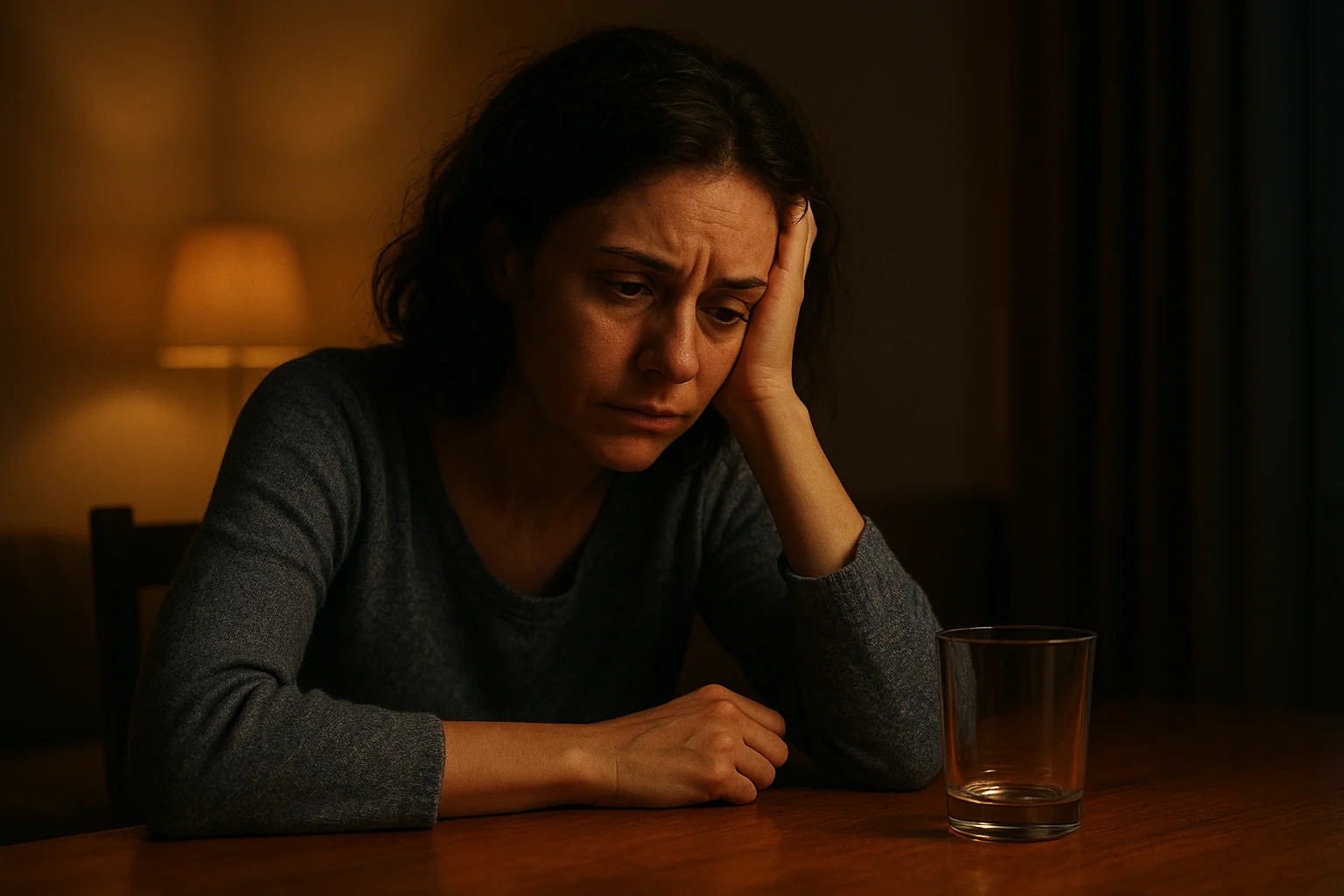
Alcohol and depression have a two-way relationship. Drinking can cause depression, and depression can lead to drinking. Understanding this cycle helps explain why addressing alcohol use is often necessary for depression to improve.
What You'll Discover:
• How alcohol and depression are connected.
• The specific ways alcohol causes or worsens depression.
• Why people with depression often turn to alcohol.
• How the two conditions create a self-reinforcing cycle.
• Why treating depression without addressing alcohol often fails.
• How to break the cycle and treat both conditions effectively.
Alcohol and depression commonly occur together. People who drink heavily are more likely to be depressed, and people who are depressed are more likely to drink heavily.
This isn't coincidence. The two conditions are linked through brain chemistry, behavior patterns, and self-medication. Understanding how they connect helps explain why treating one condition without addressing the other often fails.
The Connection Between Alcohol and Depression
Research from the National Institutes of Health shows that alcohol use disorder and depression co-occur far more often than chance would predict. Approximately 30% to 40% of people with alcohol use disorder also have major depression. The reverse is also true. People with depression are 2 to 3 times more likely to develop alcohol use disorder than the general population.
The relationship runs in both directions. Alcohol can directly cause depression through its effects on brain chemistry. Depression can lead to increased drinking through self-medication.
This bidirectional relationship creates complications for treatment. Which condition came first? Which one is maintaining the other? These questions matter because the answers shape what treatment will work.
For many people, both conditions are maintaining each other simultaneously. Drinking worsens depression. Depression drives more drinking. Breaking this cycle requires addressing both problems.
How Alcohol Causes Depression
Alcohol affects brain chemistry in ways that directly produce depressive symptoms.
Serotonin depletion - Serotonin is a neurotransmitter that regulates mood, sleep, and feelings of wellbeing. Even moderate alcohol consumption reduces serotonin availability in the brain. Low serotonin levels are directly linked to depression.
Regular drinking creates chronic serotonin depletion. Your brain has less of the chemical it needs to maintain stable, positive mood. This effect can persist for weeks after stopping heavy drinking.
Dopamine dysregulation - Alcohol triggers dopamine release, creating pleasurable feelings while drinking. But the brain adapts by reducing baseline dopamine activity. Over time, you need alcohol just to feel normal, and you feel worse than normal without it.
This is why people often feel flat, unmotivated, and joyless in the days after drinking. Their dopamine system is depressed. Activities that once brought pleasure no longer register the same way.
Sleep disruption - Alcohol disrupts sleep architecture even when it seems to help you fall asleep. You get less REM sleep and less restorative deep sleep. Chronic sleep disruption is strongly linked to depression.
People who drink regularly often wake feeling unrested regardless of hours slept. This compounds over time, creating a sleep debt that worsens mood.
Inflammation - Heavy drinking increases systemic inflammation, including neuroinflammation. Research links chronic inflammation to depression. The inflammatory response to regular alcohol consumption may directly contribute to depressive symptoms.
Stress hormone elevation - While alcohol temporarily reduces stress hormones, regular drinking elevates baseline cortisol levels. Chronically elevated cortisol is associated with depression and can damage brain structures involved in mood regulation.
These mechanisms explain why depression often improves significantly when people stop or substantially reduce drinking. The alcohol was directly causing or maintaining depressive symptoms through its effects on brain chemistry.
How Depression Leads to Drinking
People with depression often turn to alcohol because it provides temporary relief from their symptoms.
Self-medication - Alcohol is a central nervous system depressant that temporarily reduces anxiety, quiets racing thoughts, and creates feelings of relaxation or euphoria. For someone experiencing the pain of depression, these effects are appealing.
Research shows that approximately 20% of people with mood or anxiety disorders use alcohol specifically to self-medicate their symptoms. They're not drinking socially or recreationally. They're drinking to feel less depressed or anxious.
Escape from rumination - Depression often involves persistent negative thoughts and rumination. Alcohol dulls this mental activity. The temporary escape from one's own thoughts feels like relief, even though it doesn't address the underlying problem.
Social withdrawal antidote - Depression causes social withdrawal, which worsens isolation and loneliness. Alcohol can temporarily reduce social anxiety and make connection feel possible. This makes it attractive to people struggling with depression's social effects.
Sleep pursuit - Many people with depression struggle to sleep. Alcohol helps them fall asleep faster. The poor quality sleep and rebound wakefulness aren't immediately obvious, so alcohol becomes a sleep aid that actually makes things worse.
Anhedonia relief - Depression reduces the ability to feel pleasure. Alcohol artificially stimulates the reward system, temporarily overcoming anhedonia. This makes it one of the few things that feels good when depression has flattened other pleasures.
The problem is that self-medication with alcohol ultimately worsens depression. The relief is temporary. The rebound is worse. But the short-term benefit keeps the pattern going.
The Vicious Cycle
When alcohol use and depression coexist, they typically reinforce each other.
The cycle works like this:
Each trip through this cycle strengthens it. The brain becomes more conditioned to seek alcohol when depressed. The depression becomes more severe due to alcohol's neurological effects.
This is why people often feel like depression and drinking have become inseparable. The two conditions are genuinely intertwined.
Signs You're Caught in the Cycle
Several indicators suggest that alcohol and depression are reinforcing each other in your life.
You drink specifically to manage mood - If you drink not for social reasons or enjoyment but to feel less depressed, anxious, or emotionally overwhelmed, alcohol has become a coping mechanism for mood regulation.
Depression worsens after drinking - You notice that the days following drinking are worse than your baseline depression. The hangover includes emotional symptoms beyond just physical discomfort.
You've tried antidepressants without full success - If antidepressant medication hasn't fully resolved your depression and you're drinking regularly, the alcohol may be undermining the medication's effectiveness.
Periods of not drinking improve your mood - If you've noticed that stretches without alcohol correlate with better mood, this suggests alcohol is directly contributing to your depression.
You can't imagine coping without alcohol - The thought of facing your depression without alcohol to fall back on feels overwhelming or impossible.
Your drinking has increased alongside depression - Both conditions have worsened in parallel rather than independently.
If these patterns sound familiar, alcohol and depression are likely reinforcing each other. Breaking the cycle requires addressing both.
Which Came First? Does It Matter?
For treatment purposes, determining which condition came first can be helpful but isn't always essential.
Depression-first pattern - Some people develop depression first, then begin drinking to cope. In this pattern, treating the underlying depression is important, but the self-medication with alcohol has typically worsened the original depression.
Alcohol-first pattern - Others develop depression after periods of heavy drinking. In this pattern, the depression may resolve substantially once drinking stops. These cases are sometimes called "substance-induced depression."
Unclear or simultaneous onset - Many people can't clearly identify which came first, or the two conditions developed together during a difficult period.
Research suggests that regardless of which came first, addressing alcohol use is necessary for depression treatment to succeed. Even when depression preceded drinking, continued alcohol use maintains and worsens depressive symptoms.
The practical implication is that you likely need to address both conditions, not just the one you believe came first.
Why Treating Only Depression Often Fails
Many people with co-occurring alcohol use and depression try to treat only the depression. This approach frequently fails.
Alcohol undermines antidepressants - According to Mayo Clinic, combining antidepressants and alcohol can make depression worse. Alcohol interferes with how antidepressant medications work in the brain.
If you're taking an antidepressant while continuing to drink regularly, you're not giving the medication a fair chance to work.
Therapy insights get washed away - Cognitive behavioral therapy and other talk therapies help you develop healthier thinking patterns and coping strategies. But alcohol impairs the brain's ability to consolidate new learning. What you gain in therapy sessions may not stick if you're drinking afterward.
The neurochemical damage continues - Antidepressants try to correct neurotransmitter imbalances. Continued drinking keeps depleting serotonin and dysregulating dopamine. It's like taking blood pressure medication while eating salt by the spoonful.
The cycle stays intact - If alcohol remains your primary coping mechanism for difficult emotions, depression will keep triggering drinking, and drinking will keep worsening depression.
This is why mental health providers increasingly recognize that alcohol use must be addressed alongside depression treatment, not after.
Breaking the Cycle
Breaking the alcohol-depression cycle requires addressing both conditions, ideally simultaneously.
Reducing or stopping alcohol allows depression to improve - For many people, depression improves substantially within 2 to 4 weeks of stopping or significantly reducing drinking. The brain begins restoring normal neurotransmitter function.
This improvement helps distinguish how much of the depression was alcohol-induced versus independent. Even if depression doesn't fully resolve, it typically becomes more manageable and more responsive to treatment.
What to expect during the first weeks:
• Days 1-3: Possible withdrawal symptoms including anxiety and irritability
• Days 4-7: Sleep may initially worsen before improving
• Weeks 2-3: Mood typically begins stabilizing
• Week 4 and beyond: Clearer picture of baseline depression emerges
Depression treatment becomes more effective - Antidepressants work better when alcohol isn't interfering. Therapy produces more lasting changes when you can consolidate what you learn.
Alternative coping develops - As you build other ways to manage depression besides drinking, the cycle weakens. You no longer need alcohol to function when depressed because you have other tools.
Neurochemistry stabilizes - Without alcohol constantly disrupting serotonin, dopamine, and sleep, your brain can find a new equilibrium. This provides a more stable foundation for recovery from both conditions.
Medication Options for Co-Occurring Conditions
For people with both alcohol use disorder and depression, several medication approaches exist.
Antidepressants - SSRIs and other antidepressants can help with depression, but they work best when alcohol use is also addressed. Taking antidepressants while continuing heavy drinking often produces disappointing results.
Naltrexone - Naltrexone is FDA-approved for alcohol use disorder. It blocks opioid receptors involved in alcohol's rewarding effects. By making drinking feel less pleasurable, naltrexone helps reduce consumption over time.
Research shows promising results for naltrexone combined with antidepressants for people with both conditions. The naltrexone addresses the alcohol component while the antidepressant addresses the depression.
Combined approaches - Many treatment providers now recognize that addressing both conditions simultaneously produces better outcomes than treating them sequentially. This might include medication for both conditions plus therapy approaches that address the connection between them.
The key insight is that you don't have to treat depression first, then alcohol, or vice versa. You can address both at once.
Professional Support Matters
Both depression and alcohol use disorder respond better to professional support than self-treatment alone.
Accurate diagnosis - A healthcare provider can help determine whether you have depression, alcohol use disorder, or both. They can assess severity and help develop an appropriate treatment plan.
Medication management - If medications are appropriate, a provider can prescribe and monitor them, adjusting as needed.
Safety considerations - For heavy drinkers, suddenly stopping alcohol can cause dangerous withdrawal symptoms. Medical supervision ensures safety during the reduction or cessation process.
Therapy referrals - Providers can connect you with therapists who specialize in co-occurring conditions and understand how to address both simultaneously.
Self-help approaches can complement professional treatment, but for intertwined conditions like alcohol use and depression, professional guidance significantly improves outcomes.
Conclusion
Alcohol and depression are connected in both directions. Alcohol causes depression through its effects on brain chemistry. Depression leads to drinking through self-medication. Together, they create a cycle that maintains and worsens both conditions.
Breaking this cycle requires addressing alcohol use, not just depression. Antidepressants and therapy work better when alcohol isn't undermining them. Many people find that depression improves substantially when they reduce or stop drinking.
Medication-assisted treatment with naltrexone can help reduce drinking by changing how alcohol affects your brain. Combined with depression treatment, this addresses both sides of the cycle.
If you've struggled to improve depression despite treatment, alcohol use may be part of the problem. Addressing it could be the missing piece.
Take the online Alcohol Use Assessment to see if naltrexone could help you break the alcohol-depression cycle.