A 2 minute assessment to get a personalized mental health or alcohol recovery plan.

Online alcohol treatment follows a clear path. You complete a private assessment, a licensed physician builds your care plan, medication arrives at your door, and support continues from there.
What You'll Discover:
• What online alcohol treatment includes, and what it does not.
• The five steps, from first assessment to ongoing follow-up.
• How long each step takes, start to finish.
• The evidence that telehealth works for alcohol use disorder.
• Who online care fits best, and who should consider in-person options.
Getting help for drinking used to mean sitting in a waiting room, driving to weekly meetings, or stepping away from your life for a month. For a lot of people, none of those options ever felt realistic.
Online alcohol treatment removes those barriers. The entire process happens from home, from the first questionnaire to a physician consult to medication arriving in plain packaging at your door.
This guide walks through each step so you know exactly what to expect. Spoiler alert: the whole thing takes less time than most people spend commuting in a week.
What Online Alcohol Treatment Actually Includes
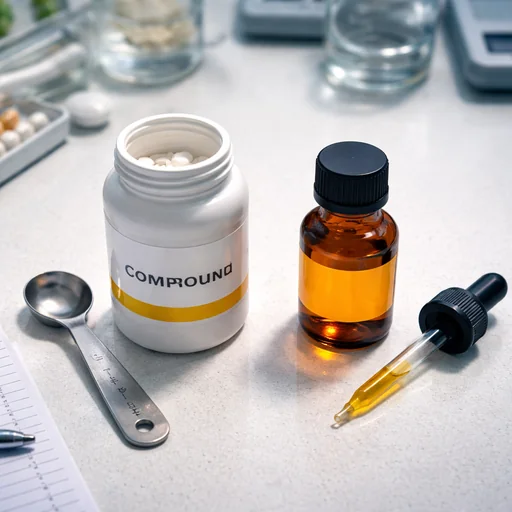
Online alcohol treatment is medical care for drinking, delivered through your phone or laptop. Licensed physicians evaluate your health, prescribe FDA-approved medication when appropriate, and follow your progress over time.
The National Institute on Alcohol Abuse and Alcoholism recognizes telehealth as a real route to alcohol care, covering medication support, counseling, or both together.
At Choose Your Horizon, that care takes the form of an integrated solution built on clinical, neurological, and behavioral science. Medication is one tool inside it, alongside physician guidance, coaching, and daily accountability.
It is worth being clear about what online alcohol treatment is not. It is not an app with generic advice, and it is not a website that mails pills with no doctor attached.
Done right, it is the same evidence-based care you would get from a knowledgeable physician's office, restructured so it reaches you at home.
The goal is simple. You get real medical care that helps you drink less or quit, on your own terms, without rearranging your life to receive it.
We break the model down further in our guide to telehealth alcohol treatment, but the short version is five steps. Here is how each one works.
Step 1: An Online Assessment of Your Starting Point
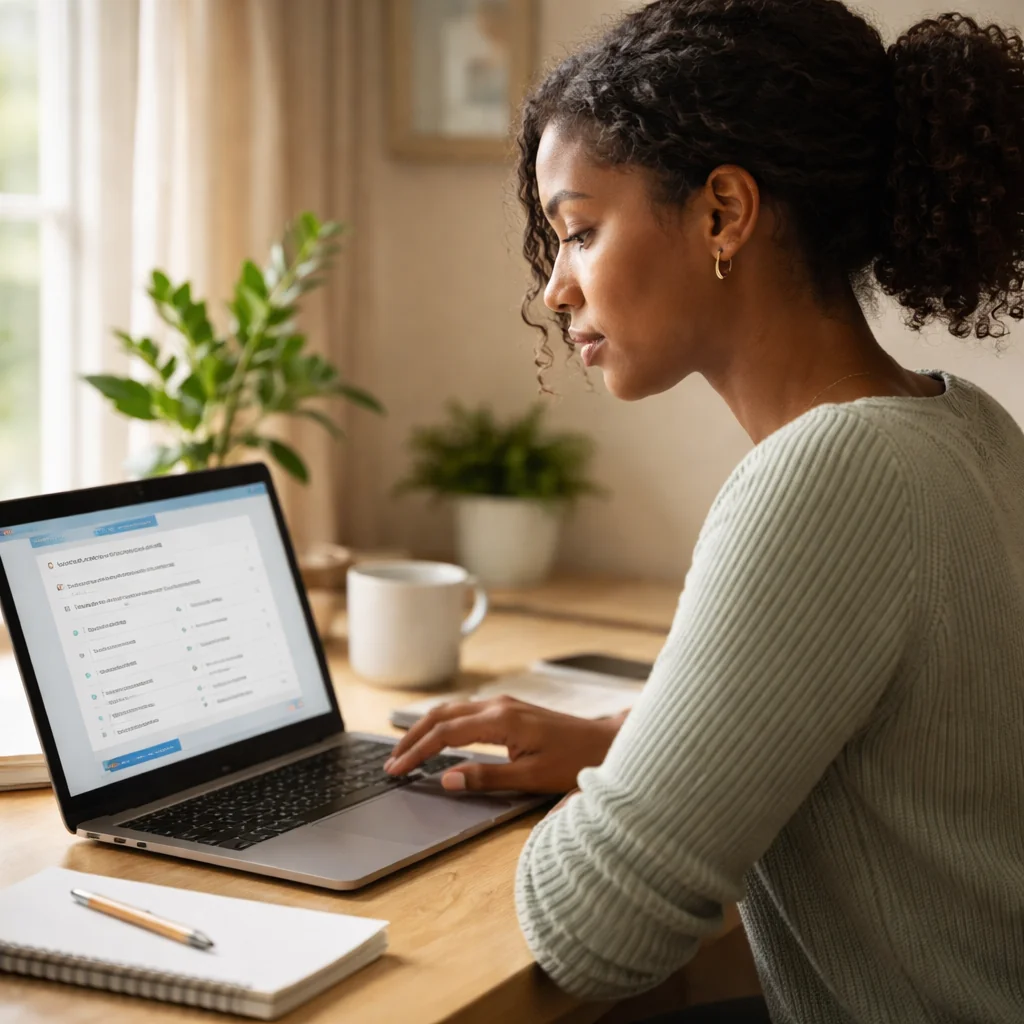
Everything begins with a short online assessment. You answer questions about your drinking patterns, your health history, and what you want to change.
The questions are modeled on the same validated screening tools physicians use in clinics. There is no interview, no phone call, and no one asking you to label yourself.
Most people finish in five to ten minutes. Your answers are protected health information, covered by the same federal privacy rules that apply at any doctor's office.
Think of it as understanding your starting point. The assessment gives your physician the picture they need to build a plan around your goals, whether that means cutting back to weekends or stopping entirely.
Step 2: A Licensed Physician Reviews Your Health
Next, a licensed physician reviews your assessment. At Choose Your Horizon the consultation is message-based, which means no video call to schedule and no camera to sit in front of.
The physician looks at your drinking patterns, current medications, and liver health. They also screen for anything that would make medication unsafe, like current opioid use, which does not mix with naltrexone.
Consultations are typically completed within hours, not weeks. If medication is a good fit, a prescription is issued within 12 to 24 hours.
You can ask questions at any point. This is a two-way conversation with a doctor, just in writing instead of an exam room.
Licensure matters here. Telehealth physicians must hold a license in the state where you live, which means the doctor reviewing your case is accountable to the same medical board as any local physician.
Step 3: A Personalized Care Plan Built Around Your Goals
There is no single plan handed to everyone. Your care plan depends on your goals, your health, and how your drinking actually looks week to week.
For most people, the plan centers on naltrexone, a once-daily 50mg tablet that has been FDA approved for alcohol use disorder since 1994.
Naltrexone blocks the opioid receptors that release dopamine when you drink. Over time, alcohol stops delivering the buzz your brain expects, and the craving quiets down on its own.
That mechanism is why naltrexone works for moderation as well as quitting. It turns down the reward, and you decide what to do with the extra control.
Where it makes sense, a physician may also discuss other physician-guided options, including GLP-1 medications that some doctors now consider for alcohol cravings. Nothing is prescribed by default.
The plan covers more than pills. It sets your check-in rhythm, your tracking tools, and the milestones you and your care team will watch for in the first months.
If the medication piece is new to you, our guide on how to start naltrexone for alcohol covers timing, dosing, and what the first weeks feel like.
Step 4: Discreet Delivery to Your Door
Once your prescription is approved, it ships directly to you. No pharmacy counter, no running into a neighbor, no explaining anything to anyone.
Packages arrive in plain packaging within two to three days. Refills work the same way, so you never have to think about pickup windows or transfer paperwork.
For many people this is the difference between starting and not starting. We cover why discretion matters so much in our article on private alcohol treatment.
Step 5: Coaching, Check-Ins, and Follow-Up
Medication alone is rarely the whole answer. The behavioral side of care is what turns a quieter craving into a lasting change.
With Choose Your Horizon, support continues long after the first shipment. You get 24/7 message access to your care team, daily check-ins that track your drinking, and tools that show your progress week over week.
Those daily check-ins do quiet work. Patients consistently describe them as the accountability layer that keeps a good week from becoming a one-off.
Follow-up matters on the medical side too. If side effects show up or results stall, your physician can adjust your dose without an office visit.
Some care plans also include at-home liver testing. Since alcohol and naltrexone are both processed by the liver, periodic tests let your physician watch your health recover in real numbers.
This ongoing layer is what separates real telehealth care from a one-time prescription site. It is the same structure we describe in our guide to medication-assisted treatment for alcohol at home.
How Long Each Step Takes
Here is the full timeline at a glance.
Add it up and most people go from first click to first dose in under a week. Many notice a change in their drinking within two to four weeks after that.
Compare that to traditional care, where the average wait for a first appointment can stretch past a month. Momentum matters when you have finally decided to do something.
The Evidence That Telehealth Works for Alcohol
Telehealth alcohol care is not a pandemic workaround that happened to stick. It has been studied directly, and the results hold up.
A systematic review of telehealth interventions for alcohol use disorder found that telemedicine reduced alcohol consumption while improving access to care, patient satisfaction, and quality of life.
The same review noted something worth sitting with. People using web-based formats had higher retention rates and were more likely to complete treatment than people in standard care alone.
That tracks with common sense. Care you can reach from your couch on a Tuesday night is care you actually use.
Retention is not a minor detail. Sticking with treatment is one of the strongest predictors of long-term success, so a format that keeps people engaged is doing real clinical work.
The medication side rests on decades of research. Naltrexone has been tested in more than a hundred clinical trials, and people who take it cut back or stop at meaningfully higher rates than people relying on willpower alone.
In one 12-week trial, 86 percent of participants were drinking less by the end of treatment. Numbers like that are why physicians consider naltrexone a first-line option for alcohol use disorder.
Who Online Alcohol Treatment Suits
Online care fits people whose drinking has crept up while their lives kept running. Professionals who cannot disappear for 30 days. Parents without childcare backup. Anyone who wants help without an audience.
It also fits the millions of people who drink more than they want to but do not see themselves in traditional recovery settings. You do not need a label or a rock bottom to want fewer drinks in your week.
Geography stops being a barrier too. If the nearest alcohol care is an hour away, or your town is small enough that everyone knows everyone, online care levels the field completely.
Care like this fits in the margins of a normal day. A message to your doctor over lunch, a tablet with your morning coffee, a check-in before bed.
All that said, online care is not right for every situation. People with a history of severe withdrawal symptoms, like seizures, hallucinations, or delirium, need in-person medical supervision to stop safely.
If you have ever had serious withdrawal, talk with a clinician before changing how much you drink. The NIAAA guide to finding alcohol care outlines higher-intensity options for anyone who needs more support.
For everyone else, the research keeps landing in the same place. Most people with alcohol use disorder do well in outpatient care, and telehealth makes outpatient care dramatically easier to stick with.
Your First 30 Days, Roughly Sketched
Week one usually looks like this. Your medication arrives, you take your first 50mg tablet, and you keep living your normal life while the medication starts blunting alcohol's effect.
Mild nausea or a headache can show up in the first days and usually fades quickly. Your care team is a message away if anything feels off, and doses can be adjusted early.
Weeks two through four are where most people notice the shift. Drinks stop hitting the way they used to, and stopping at one or two starts feeling unremarkable instead of heroic.
Through all of it, your check-ins keep a running record. Small wins become visible, and your care team can spot a stall before it becomes a slide.
By the end of the first month, 98 percent of Choose Your Horizon patients report improvements. Progress is rarely a straight line, but it is measurable, and you will see it.
Care That Fits Around Your Life
Online alcohol treatment works because it closes the gap between deciding to change and actually getting help. The assessment takes minutes. The physician review happens the same day. Medication arrives within the week.
Every step is private, online, and built around your goals rather than someone else's definition of recovery.
More than 8,000 people have changed their relationship with alcohol through Choose Your Horizon. Most of them started on an ordinary weekday, from a phone, without telling anyone.
If your drinking has been on your mind, that is reason enough to look at your options. Asking the question early is a strength, not an admission.
Frequently Asked Questions
How long does it take to start online alcohol treatment?
Most people go from assessment to medication in hand within a week. The assessment takes 5 to 10 minutes, physician review typically happens the same day, and delivery takes 2 to 3 days.
Do I have to quit drinking before starting?
No. Many people start naltrexone while still drinking, since the medication works by reducing the reward alcohol delivers. Your physician will recommend the safest starting approach for your history.
Is online alcohol treatment private?
Yes. Consultations are covered by federal health privacy laws, and medication ships in plain packaging. No one in your life needs to know unless you choose to tell them.
What medication is used in online alcohol treatment?
The most common is naltrexone, a once-daily 50mg tablet that reduces alcohol cravings over time. Some physicians also discuss GLP-1 medications as another option when appropriate.
Can I aim to drink less instead of quitting completely?
Yes. Online alcohol treatment supports moderation and abstinence equally. You set the goal, and your care plan is built around it.
Is online alcohol treatment safe?
For most people, yes. A licensed physician screens your health history first, and anyone at risk of severe withdrawal is directed to in-person care where stopping can be medically supervised.
Find out what a personalized care plan could look like for you. It takes just a few minutes to take the online Alcohol Use Assessment and see if naltrexone fits your goals.