



What You'll Discover:
- Why a three-day weekend is harder to manage than a one-day holiday.
- How the habits you set this weekend tend to follow you into June.
- What the CDC says about alcohol and lake or beach trips.
- How hangovers stack up across a long weekend.
- A day-by-day plan that survives Friday night through Monday.
Memorial Day weekend is the unofficial start of summer. The pools open, the lake house gets aired out, the grill comes back out of the garage, and everybody gets an extra day off.
It's also a weekend with no natural stopping point. Friday night bleeds into Saturday afternoon, Saturday into Sunday, and by Monday the whole thing feels like one very long cookout.
That's what makes it different from a single holiday. A plan that works on a Saturday tends to fall apart by day three unless it was built for three days in the first place.
Why a Three-Day Weekend Drifts
A regular weekend has guardrails you never think about. Sunday night means work on Monday, so Sunday afternoon tends to slow down on its own.
Memorial Day removes that guardrail and replaces it with another day off. The usual brake disappears, and nothing takes its place.
Travel adds to it. A lake rental or a beach trip comes with a stocked fridge, no schedule, and a group of people who are all off work at the same time.
Our guide on drinking less on vacation covers this dynamic in detail. A long weekend away is basically a short vacation, with all the same missing limits.
Then there's the drift itself. Most people don't decide to drink more on day three. They just start a little earlier because they started a little earlier the day before.
Why This Weekend Sets the Tone for Summer
There's a reason this weekend matters beyond the weekend. Habits form when you repeat something in the same setting, until the setting itself starts to cue the behavior.
A paper on the psychology of habit formation in the British Journal of General Practice describes exactly this. Actions repeated in a stable context get tied to that context's cues, so they start happening without much thought.
Think about what summer cues look like. The dock, the cooler, the first warm evening on the patio, the 3pm beer at the lake. For a lot of people, Memorial Day weekend is the first time all of those show up together.
Whatever you do with those cues that weekend has a head start on becoming the summer default. If the first lake day of the year includes eight beers, the second one probably will too.
The good news runs in the same direction. The same research found that missing an occasional repetition didn't derail the process, so one rough afternoon doesn't erase a better pattern.
One study cited in that paper found it took an average of 66 days for a new daily behavior to feel automatic. Memorial Day to Labor Day is roughly three months, which is plenty of time for whichever pattern you start.
If summer always seems to run heavier for you, our piece on why you drink more in summer breaks down the longer days and packed calendars that push it up.
A Weekend That Carries Real Weight for Some People
Memorial Day itself honors the people who died while serving in the U.S. military. For many veterans, service members, and military families, the weekend carries real weight underneath the cookouts.
If the weekend brings up grief, it helps to know how alcohol tends to treat heavy feelings. NIAAA describes a kind of mini-withdrawal where, once the buzz wears off, people feel more restless and anxious than before they drank.
That doesn't mean you can't raise a glass to someone you miss. It just means the second half of the night, and the next morning, can feel heavier than the toast did.
Lake and Beach Trips: What the CDC Wants You to Know
Memorial Day is the first big water weekend of the year for most of the country. The boats are just out of storage, the docks just went in, and everyone is a little rusty.
The CDC reports that among adolescents and adults, alcohol is involved in up to 70% of deaths associated with water recreation like boating or swimming. It's also involved in about 1 in 5 reported boating deaths.
The CDC also notes that almost half of fatal drownings among people 15 and older happen in natural water like lakes, rivers, and oceans. That's exactly where a lake or beach weekend puts you.
The reason alcohol matters so much is simple. It impairs balance, coordination, and judgment, and it increases risk-taking, according to the CDC. On a dock or a boat, those are the skills that count.
Life jackets are the other piece. Of the 658 boating-related deaths the U.S. Coast Guard reported in 2021, 81% were drownings, and 83% of those people weren't wearing a life jacket.
The weekend version of water safety fits in one sentence. The boat driver doesn't drink, life jackets stay on, and nobody swims after drinking, especially in open water.
How Hangovers Stack Over Three Days
A one-day holiday ends with one rough morning. A three-day weekend can mean three of them, and each one makes the next day's drinking easier to justify.
NIAAA explains that alcohol causes mild dehydration and fragmented sleep, and that during a hangover your attention, decision-making, and coordination can all be impaired.
That matters on a long weekend because Saturday's hangover happens on a boat or a beach, and Monday's happens on the drive home.
The morning drink is the trap. NIAAA notes that a "hair of the dog" might briefly dull some symptoms, but it can also prolong the hangover.
That's how a three-day weekend quietly becomes a three-day drinking session. Each morning borrows a little from the next one.
The Group Trip Effect
A lot of Memorial Day weekends happen in groups. A shared lake rental, a beach house split five ways, or a campsite with three families who all brought coolers.
Group trips change the math in a few predictable ways. The first is the grocery run. When alcohol gets bought in bulk for the whole house, the supply stops being a limit and starts feeling like something that needs to get finished.
The second is pace. In a group, you tend to drink at the speed of the fastest drinker at the table, not your own. Nobody decides this out loud. It just happens one round at a time.
The third is that nobody is really keeping score. With a dozen people and a fridge full of cans, it's genuinely hard to know how many you've had by dinner.
None of that requires skipping the trip. It means doing a few things on purpose. Bring your own drinks so your supply is yours, pour your own instead of accepting refills, and let someone else be the person who keeps up.
It also helps to tell one person on the trip what you're going for. A friend who knows you're taking it easier this weekend makes every offer easier to turn down.
The Long-Weekend Drift vs a Plan That Holds
Here's what the difference looks like across the whole weekend. The plan on the right isn't strict, it's just decided ahead of time.
| Day | The long-weekend drift | A plan that holds |
|---|---|---|
| Friday night | Kick things off hard, because there are three days left | Keep it close to a normal Friday and get a real night of sleep |
| Saturday | Start drinking at the lake by late morning | Pick a start time and a number, with water between drinks |
| Sunday | Start earlier to take the edge off the hangover | Make Sunday the light day or a fully alcohol-free day |
| Monday | It's the last day, so finish strong | Wrap up early, especially if you're driving home |
| The Tuesday after | Feel wrecked and promise to reset in June | Feel normal and carry the same plan into summer |
A Plan That Survives Three Days
A good long-weekend plan treats the weekend as one unit, not three separate days. That's the main difference between a plan that holds and one that's gone by Sunday afternoon.
Set a weekend total, not just a daily limit
Decide on your number for the whole weekend before you pack the car. A weekend total keeps a big Saturday from quietly turning into a big Sunday too.
NIAAA's Rethinking Drinking tips recommend setting goals for how many days you'll drink and how many drinks on those days. They also suggest building in some days when you don't drink at all.
Name your light day
Pick one day that's alcohol-free or close to it. Sunday works well for a lot of people because it breaks the stacking effect right in the middle of the weekend.
Protect your mornings
Plan one thing each morning that you actually want to be clear-headed for. A paddle, a run, an early tee time, pancakes with the kids. Long weekends are won in the morning.
Keep track as you go
Counting in your head stops working somewhere around drink three. A quick note on your phone each time you open one keeps the weekend total honest without making a big deal of it.
Bring the drinks you want to be holding
If you're staying at a rental or a friend's lake house, bring your own non-alcoholic options. Sparkling water, good iced tea, or a few non-alcoholic beers make it easy to have something cold in hand all afternoon.
Have your answer ready
Someone will hand you a drink you didn't ask for. NIAAA suggests having a polite, convincing "No, thanks" ready, because the faster you say it, the less likely you are to give in.
If that moment tends to get you, our guide on how to say no to a drink has lines that work without turning it into a conversation.
If You Want a Sober Start to Summer
Some people use Memorial Day as the starting line for a sober summer, and it's a great one. You get three full days of proof that the lake and the grill are still great without alcohol.
Our guide to a sober summer covers how to plan it so the season feels like a good one, not a test.
All that said, cutting back and quitting are both legitimate goals. What matters is picking the one you actually want instead of letting the weekend pick for you.
When the Weekend Tells You Something
If Tuesday morning comes and the weekend looked a lot heavier than you planned, that's worth noticing. It's information about a habit, not a judgment about you.
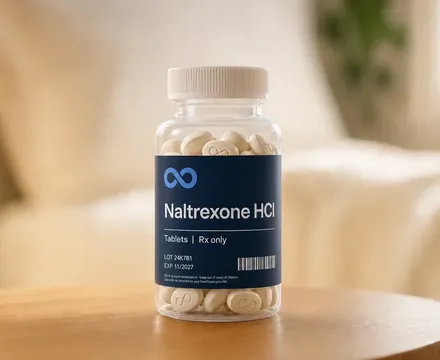
Habits like this respond well to the right support, and medication is one of the most useful tools available. Naltrexone is a 50mg oral tablet that reduces the rewarding buzz alcohol produces in the brain.
With less reward, the pull toward the next drink fades. That's why many people on naltrexone find themselves stopping after one or two without much effort.
It can be taken daily or about an hour before a situation you know will run heavy. A physician decides whether it fits, based on your health history, liver function, and other medications.
Choose Your Horizon is an integrated solution grounded in clinical, neurological, and behavioral science. Physician-guided care, coaching, and progress tracking are all handled online.
Start Summer the Way You Want It to Go
Memorial Day weekend packs three days of the best parts of summer. It's also the first stretch of the year when summer habits get set, so it's worth going in with a plan.
Think in weekend totals, pick a light day, protect your mornings, and keep the boat driver sober. Those few moves hold up from Friday night all the way to the drive home.
And if summer has been getting heavier year after year, that's a reasonable thing to want help with. Nobody needs to wait for a crisis to make a change.
Frequently Asked Questions
How do I avoid drinking too much on a long weekend?
Set a total for the whole weekend before it starts, pick one light or alcohol-free day, and plan something each morning you want to be clear-headed for.
Why do I drink more on three-day weekends?
The usual brake of work the next day disappears, and travel often adds a stocked fridge and no schedule. Each day also tends to start a little earlier than the one before.
Is it safe to drink on a boat over Memorial Day weekend?
The person driving shouldn't drink at all, and boating under the influence is illegal in every state. Everyone else should wear life jackets and skip swimming after drinking.
Does a drink the next morning help a hangover?
No. NIAAA notes that a morning drink might briefly dull symptoms but can prolong the hangover. Time is the only real cure, with water, food, and rest helping in the meantime.
Can one weekend really affect my drinking all summer?
It can set the tone. Habits form through repetition in the same settings, so what you do on the first lake weekend often becomes the default for the next one.
Is a sober Memorial Day weekend realistic?
Very much so. Plenty of people use it to kick off a sober summer, and planning your drinks and activities ahead of time makes it much easier.
If you'd like this summer to go differently than the last one, a few minutes is all it takes to get started. Take the online Alcohol Use Assessment to see whether naltrexone could be a good fit for you, with a physician reviewing your history.
A private, physician-led plan to drink less or quit.
Medication, coaching and support from home. A short assessment is the first step.
Start Assessment