A 2 minute assessment to get a personalized mental health or alcohol recovery plan.

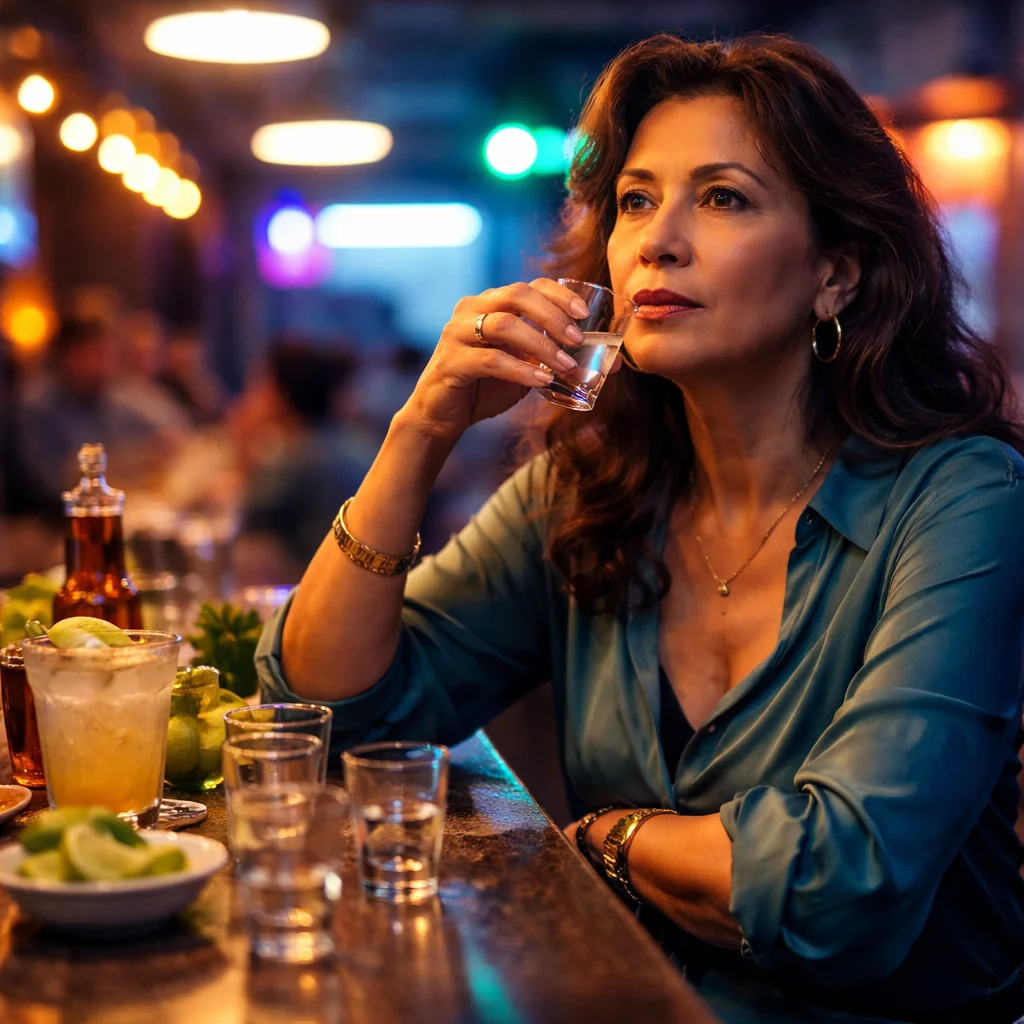
Research shows that people take shots with the intent of rapid intoxication, but the physiological effects are just as problematic since shots encourage more drinking.
What You’ll Learn:
• Why taking shots suggests that the goal of drinking is intoxication not socializing.
• What makes binge drinking more likely when a person is taking shots.
• How rapid intoxication impacts your ability to stop drinking.
• How the dopamine system is affected by shots and how it reinforces drinking more.
• What alcohol myopia is and why it’s worse when you’re taking shots.
• The connection between impulse control and the likelihood of taking shots.
• What shots do to the liver.
• When taking shots is a clear red flag that can’t be ignored.
When you have an alcoholic beverage it can be a 12-ounce beer or a 1.5-ounce shot. Both are a single serving of alcohol, but the experience is quite different.
The latter is often looked at as potentially more problematic, and it should be. If someone tends to take shots of liquor frequently when they drink it can be a serious red flag for unhealthy behaviors that increase the risk of addiction.
Taking Shots Suggests Getting Drunk is the Goal, Not Socializing
There’s a big difference between having a drink or two at a social gathering over the course of a few hours and taking a few shots as soon as you get to a bar or restaurant.
The latter suggests that the goal is to get intoxicated quickly, not simply to socialize or enjoy an adult beverage.
Shots significantly increase the likelihood of intoxication because the blood alcohol concentration goes up quickly and the liver can’t process the alcohol fast enough.
Not only will the person get intoxicated if they continue to drink, but they’ll get drunk quickly.
And that’s usually the point with shots. A 2026 study looking at the behaviors connected to different types of alcoholic beverages found some distinct differences.
Wine drinkers usually space their drinks out over the course of hours and pair it with food. Shots are taken almost exclusively with the intent of rapid intoxication and aren’t paired with a meal.
If someone frequently takes shots and usually drinks to excess, that’s a warning sign that the motivation for the drinking is troublesome.
Binge Drinking is More Likely
Taking a shot is usually done in a matter of seconds and followed by another drink. That’s not a social drinking pace. Doing one shot isn’t a big red flag, especially if it’s a celebratory group activity.
But downing two, three or more definitely is cause for concern or if you have one or two shots along with other alcoholic drinks, essentially doubling the alcohol intake.
There isn’t any exact clinical data on how much more a person is likely to drink if they’re taking a shot.
But behavioral research has shown that shots induce inebriation faster, which often increases the pace of drinking and the overall volume of alcohol that’s consumed. In other words, you’re more likely to binge drink.
Here again the behavior suggests that the goal is to get inebriated rather than to enjoy a drink while socializing, relaxing or having a meal.
Rapid Intoxication Makes It Harder to Stop Drinking
As you can imagine, getting intoxicated quickly doesn’t make it easier for a person to slow their pace or stop when they’ve reached the point of being drunk. That’s because the buzz from the shots lowers inhibitions and impairs judgement.
These effects sneak up on a person quickly without them realizing that it’s affecting their decision making.
The worst part is that decisions are affected well beyond the drinking. Rapid intoxication can lead to other bad choices like driving under the influence.
Shots Intensify the Dopamine Effect of Alcohol
We know that alcohol addiction forms because chronic use causes changes in the brain. Alcohol’s effect on the dopamine system is one of the biggest factors. And a shot delivers a concentrated amount of alcohol that creates an intense dopamine surge.
But what goes up must come down. The surge in dopamine from alcohol is followed by the dopamine receptors being desensitized. This causes a drop in mood that’s lower than before the shot was taken. So what does the drinker do?
Often they go for another shot to experience the dopamine surge again.
Shots Inhibit Impulse Control
If you already struggle with impulse control, it’s best to really limit drinking because alcohol directly impacts that region of the brain. Another big consideration is people that naturally have low self control are more likely to take shots.
A Florida Atlantic University study discovered that people who find impulse control difficult are more likely to take part in high intensity drinking. And of course, once a person takes a shot their impulse control gets worse.
The result is that the person is virtually incapable of turning down another drink even if they are already drunk.
Shots Cause Alcohol Myopia to Set in Quicker
There’s something called alcohol myopia. It’s called that because when someone becomes intoxicated they don’t think about the long-term effects of alcohol use. Instead they become hyper focused on what’s happening in the moment.
Shots bring on alcohol myopia faster because they raise blood alcohol level at a faster pace.
Shots Overwhelm the Liver
As mentioned above, shots can do a real number on the liver because it’s trying to process a lot of alcohol all at once. It overwhelms the liver and causes toxic byproducts called acetaldehyde to build up.
Acetaldehyde damages and destroys liver cells. As the cells are damaged the stress causes inflammation in the liver.
The more stress the liver is under the more likely it is that the tissue will become scarred. It’s a condition known as fibrosis. Taking shots is the quickest way to stress the liver with alcohol.
When Shots Are a Clear Red Flag You Can’t Ignore
Many people who consume alcohol have taken a shot at some point. The act of shooting liquor in and of itself isn’t necessarily a red flag for problematic drinking. But there are certain behaviors that indicate shots are a sign of alcohol misuse.
Shots are considered a red flag if:
• You’re taking shots most of the time or close to every time you drink.
• You encourage others to take shots or insist on it even when others decline.
• You want to feel buzzed as quickly as possible.
• Taking shots usually leads to blackouts, fighting or dangerous decisions.
• There’s no special occasion connected with taking a shot.
• You can’t stop at just one shot or you quickly follow it up with another drink.
There’s a lot to unpack if you’re taking shots often. What’s important is to examine the motivation and reasoning behind why you’re taking shots. An occasional shot usually isn’t cause for alarm. Repeatedly taking shots every time you drink is.
Given the negative effects on the brain and body, dialing it back on shots is highly recommended for anyone. If you find that you’re drinking with the goal of getting drunk, it’s time to cut back on alcohol in general.
Some people are able to do this on their own, but many people find it difficult to resist the urge to take a shot. For those people naltrexone can be a real gamechanger that helps correct dopamine system dysfunction.
Taking naltrexone before drinking alcohol prevents the dopamine surge that motivates you to drink more. Over time the brain disconnects alcohol use with experiencing pleasure, helping to dramatically reduce alcohol cravings.
Getting a naltrexone prescription online is easy with Choose Your Horizon. The entire process is handled from your home and the medication is shipped to you in discreet packaging.
Find out if naltrexone can help you drink less by taking the Alcohol Use Assessment.