

What You'll Discover:
- What LDN is and how its dose compares with standard naltrexone.
- What LDN is being studied for and how strong the evidence is.
- Whether LDN is FDA-approved, over the counter, or a controlled substance.
- The most common LDN side effects.
- Why LDN is not the dose used to help with drinking.
If you've spent time in chronic pain groups, autoimmune forums, or wellness corners of social media, you've probably seen three letters come up again and again: LDN.
People talk about it for pain, fatigue, inflammation, and a long list of conditions. Then they mention that it's naltrexone, a medication many people know as a treatment for alcohol use, and the confusion starts.
Both things are true. LDN and the naltrexone used for drinking are the same molecule. But the dose, the purpose, the evidence, and the way you get it are very different. Below, each piece gets a plain explanation.
What LDN Means
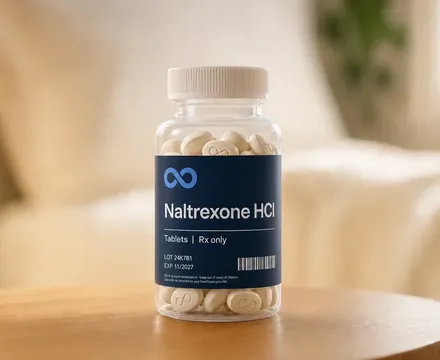
LDN stands for low dose naltrexone. It's naltrexone taken at a dose far smaller than the standard prescription.
A review of low dose naltrexone's therapeutic uses describes LDN as a daily dose of roughly 1 to 5 mg. The same review notes that clinicians have used doses from 0.5 to 4.5 mg a day under the "low dose" label.
The dose that shows up most often in studies is 4.5 mg once a day. For comparison, the standard naltrexone tablet used for alcohol is 50 mg. So a typical LDN dose is less than a tenth of the alcohol dose.
That difference matters. At the standard dose, naltrexone blocks opioid receptors in the brain for most of the day. At a few milligrams, the blockade is much shorter, and researchers think the medicine may act through different pathways.
How LDN Is Made and Taken
Standard naltrexone comes as a 50 mg tablet from regular pharmacies. There's no mass-produced tablet at LDN strengths, so LDN is usually made by a compounding pharmacy.
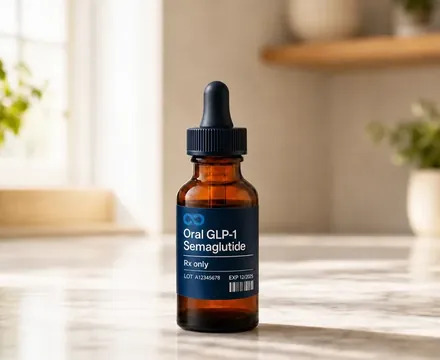
Compounding pharmacies prepare custom doses, usually as small capsules or a liquid. That lets a prescriber start very low and adjust the dose in small steps.
LDN is typically taken once a day. Many prescribers start at a lower dose and work up gradually, watching for side effects along the way.
Timing is something prescribers often adjust. Some people take it at night, while others move it to the morning if they notice vivid dreams or trouble sleeping.
Because it's compounded, LDN often isn't covered by insurance, and price and availability can vary from pharmacy to pharmacy.
It also helps to know that compounded medicines aren't FDA-approved products. The FDA doesn't review each compounded batch for quality the way it reviews a manufactured tablet, so the pharmacy you use matters.
A licensed compounding pharmacy working from a real prescription is the safe route. Anything sold online without a prescription is a different story.
What LDN Is Being Studied For
LDN has drawn interest across several conditions, especially those involving chronic pain and inflammation. The review linked above discusses research in fibromyalgia, Crohn's disease, and multiple sclerosis.
The leading theory is that at low doses, naltrexone may calm inflammatory activity in glial cells, the support cells of the nervous system. The review describes this as an effect on a signaling pathway involved in the immune response.
Researchers are still working out how much of that theory holds up in people, and the research is early.
What the Evidence Looks Like So Far
Most LDN studies are small. One well-known crossover trial included 31 women with fibromyalgia taking 4.5 mg a day, and pain dropped more on LDN than on placebo during the study.
That's encouraging, but it's a small group, and the study authors called for larger trials. Reviews of LDN generally find it is well tolerated, with stronger evidence for safety than for how well it works.
All that said, LDN is being actively studied and some results look promising. It hasn't been proven in the large, long trials that lead to FDA approval for any of these conditions.
If you're considering LDN for a health condition, the best person to talk with is a clinician who knows your full history and that condition well.
Why LDN Gets So Much Attention Online
LDN has a devoted following, and it's easy to see why. Naltrexone is an older generic medicine that has been prescribed for decades, and at low doses it tends to cause few side effects.
Many of the conditions it's studied for, like fibromyalgia and other long-term pain, can be hard to treat. People who have tried several options without much relief understandably look for something new.
Personal stories also travel fast. A post about feeling better on LDN can reach thousands of people in a day, long before research catches up.
None of that makes the stories false. It just means online enthusiasm and clinical evidence are moving at different speeds, and it helps to keep both in view.
Is LDN FDA-Approved
No low dose naltrexone product is FDA-approved. When LDN is prescribed, it's used off-label, which means a clinician is prescribing an approved medicine for a use or dose the FDA hasn't specifically reviewed.
Off-label prescribing is legal and common in medicine. It simply means the decision rests on the prescriber's judgment and the available research, rather than an FDA review of that exact use.
Naltrexone itself is FDA-approved at the standard dose. The prescribing information for naltrexone tablets covers alcohol dependence and blocking the effects of opioids, and it recommends 50 mg once daily for most patients with alcohol dependence.
Is Low Dose Naltrexone Over the Counter
No. LDN is a prescription medication, just like standard naltrexone. You can't buy it legitimately off the shelf, and a compounding pharmacy needs a valid prescription to prepare it.
You may see supplements or websites that claim to sell "LDN" without a prescription. Treat those with real caution. Without a licensed prescriber and pharmacy, you can't know what's in the product or how much.
Our article on whether naltrexone is available over the counter explains how prescriptions work for naltrexone at any dose.
Is Low Dose Naltrexone a Controlled Substance
No. Naltrexone isn't a controlled substance at any dose. The FDA prescribing information lists its DEA schedule as "None."
That's because naltrexone doesn't produce a high and has virtually no potential for misuse. It blocks opioid receptors instead of activating them.
That's also why prescriptions for naltrexone don't carry the extra restrictions that apply to controlled medications. We go deeper on this in our guide to whether naltrexone is a controlled substance.
LDN Side Effects
LDN is generally well tolerated in studies, and most side effects are mild. The one that comes up most consistently is vivid dreams.
A 2025 meta-analysis of low dose naltrexone in fibromyalgia found that people taking LDN were about 2.4 times as likely to report vivid dreams as people taking placebo. The same analysis didn't find a clear link between LDN and headaches.
Other effects people commonly report include:
- Trouble sleeping or restless sleep, especially in the first weeks.
- Nausea or an upset stomach.
- Headache or fatigue, which some people notice early on.
These often ease as the body adjusts. When they don't, prescribers may lower the dose, slow the increase, or change the time of day it's taken.
One Important Interaction: Opioids
Even at low doses, naltrexone blocks opioid receptors. That means it can interfere with opioid pain medicines and can trigger withdrawal symptoms in anyone who has opioids in their system.
If you take any opioid medication, including after surgery or for dental pain, make sure every prescriber knows you're on LDN.
Questions Worth Asking Before Starting LDN
If you and a clinician are discussing LDN for a health condition, a few questions can make the conversation more useful.
What's the goal, and how will we measure it? Agreeing on a specific change, like less daily pain or better energy, makes it easier to tell whether LDN is helping.
How long should I try it? Many prescribers suggest giving it a set trial period before deciding whether to continue.
How does it fit with my other medications? This matters most for opioid pain medicines, but bring a full list of everything you take.
Where will it be filled? Ask which compounding pharmacy your prescriber trusts, since quality and pricing vary.
LDN vs. Standard Naltrexone at a Glance
| Feature | Low Dose Naltrexone (LDN) | Standard Naltrexone |
|---|---|---|
| Typical dose | About 1 to 5 mg a day, most often 4.5 mg | 50 mg once a day |
| Form | Compounded capsule or liquid | 50 mg tablet from a regular pharmacy |
| FDA status | Not FDA-approved at this dose, used off-label | FDA-approved for alcohol dependence and opioid blockade |
| Typical use | Studied for chronic pain and inflammatory conditions | Reducing drinking and supporting abstinence |
LDN Is Not the Alcohol Dose
This is the most important point for anyone who found LDN while looking for help with drinking.
Naltrexone helps with alcohol by blocking opioid receptors steadily, so the endorphin reward from drinking is muted. That's why the second or third drink becomes less appealing, and why cravings ease over time.
That effect depends on the full dose. Research on naltrexone for alcohol has used 50 mg a day or more, taken daily or before drinking situations, and it supports both cutting back and quitting.
In other words, the 50 mg dose is FDA-approved for alcohol use disorder and has decades of research behind it. LDN at a few milligrams hasn't been established as a treatment for drinking.
We compare the two side by side, including why one can't substitute for the other, in our guide to low dose naltrexone vs. naltrexone for alcohol.
If you're new to how naltrexone works for drinking in general, our explainer on what naltrexone is and how it works is a good place to start.
If You're Already Taking LDN
Some people already take LDN for another condition and wonder if it's also helping them drink less. Don't adjust your LDN on your own to try to cover drinking.
Instead, talk with the clinician who prescribes your LDN and let them know your drinking goals. They can coordinate with whoever helps with your drinking, since naltrexone at two different doses shouldn't be combined without a clear plan.
About "Low Dose Naltrexone Online Assessments"
Searches for an LDN online assessment have grown, and it's easy to land on telehealth pages that mix the two uses together.
Here's how it works at Choose Your Horizon. Choose Your Horizon prescribes the standard 50 mg dose of naltrexone to help people drink less or quit. It does not prescribe LDN for pain, autoimmune conditions, or other uses.
The online Alcohol Use Assessment is built for drinking goals. A physician reviews your answers, your health history, and your current medications, then decides whether naltrexone is a good fit.
From there, the integrated solution adds coaching, daily check-ins, and drink tracking, all 100% online and available in all 50 states. Moderation and quitting are both valid goals.
If you're looking for LDN for another condition, start with your primary care clinician or a specialist who treats that condition. They can weigh the research and decide whether it makes sense for you.
The Bottom Line
LDN is naltrexone at a much smaller dose, usually a few milligrams a day, made by compounding pharmacies and prescribed off-label.
It's being studied for chronic pain and inflammatory conditions, and the early research is interesting but still limited.
It's prescription-only, it isn't a controlled substance, and its most common side effect is vivid dreams.
What LDN isn't is a treatment for drinking. If alcohol is what you want help with, the dose that's been studied and approved is 50 mg, prescribed by a clinician who knows your goals.
Reaching out for that support is a practical, everyday health decision.
Frequently Asked Questions
What is LDN medication?
LDN is low dose naltrexone, usually about 1 to 5 mg a day. It's prescribed off-label, mostly for chronic pain and inflammatory conditions, and made by compounding pharmacies.
Is low dose naltrexone over the counter?
No. LDN requires a prescription, and a compounding pharmacy prepares it from that prescription.
Is low dose naltrexone a controlled substance?
No. Naltrexone isn't a controlled substance at any dose, and its prescribing information lists no DEA schedule.
What are the most common LDN side effects?
Vivid dreams are the most consistent side effect in studies. Some people also notice trouble sleeping, nausea, or headaches, which often ease over time.
Can low dose naltrexone help with alcohol cravings?
LDN isn't approved for drinking, and it hasn't been established as a treatment for alcohol use. The dose used for alcohol is 50 mg, which is FDA-approved for alcohol use disorder.
Does Choose Your Horizon prescribe LDN?
No. Choose Your Horizon prescribes standard 50 mg naltrexone for people who want to drink less or quit, and does not prescribe LDN for other conditions.
If drinking is what you'd like help with, the first step takes just a few minutes. Take the online Alcohol Use Assessment to see if naltrexone and Choose Your Horizon's integrated solution are a good fit for you.
A private, physician-led plan to drink less or quit.
Medication, coaching and support from home. A short assessment is the first step.
Start Assessment