

What You'll Discover:
- Why GLP-1 medications can lower thirst and the water you get from food.
- How nausea, vomiting, and diarrhea add to fluid loss during dose increases.
- What alcohol does to vasopressin and urine output.
- What the FDA label says about kidney injury tied to dehydration.
- The early signs of dehydration and the simple habits that help most.
If you take a GLP-1 medication like semaglutide, you've probably noticed that you eat less and feel full sooner. What's easier to miss is that you may be drinking less water too.
Add alcohol to that picture and two things start working on your fluid balance from opposite ends. One lowers what goes in. The other raises what comes out.
None of this means a drink on a GLP-1 is off-limits for everyone. It does mean hydration deserves more attention than it used to get. Here's how the pieces fit together, and what actually helps.
Why Dehydration Comes Up So Often on GLP-1 Medications
GLP-1 medications work partly by acting on appetite signals in the brain and partly by slowing how quickly your stomach empties. Those same effects can cut into the fluid you take in, in three separate ways.
Thirst Signals Can Get Quieter
GLP-1 hormones seem to play a role in thirst, not just hunger. Researchers have tested this directly with GLP-1 medications.
In a randomized trial of the GLP-1 medication dulaglutide, people with a condition that causes excessive thirst drank about 490 mL less fluid during a test visit. That worked out to a drop of roughly 17% compared with placebo.
That study involved a specific group, so it doesn't prove the same size effect in everyone. It does support the idea that GLP-1 medications can dial down the urge to drink fluids, not just the urge to eat.
The practical problem is simple. If your body is sending a weaker "drink something" signal, you can fall behind on fluids without ever feeling thirsty.
Eating Less Also Means Taking In Less Water
A good share of the water you take in each day comes from food rather than from a glass. Fruit, vegetables, soups, yogurt, and cooked grains all carry water with them.
So when a GLP-1 shrinks your portions, it shrinks that hidden water too. Someone eating half their usual amount can lose a noticeable part of their daily fluid without skipping a single glass of water.
This one is easy to overlook because it doesn't feel like dehydration. It just feels like a smaller appetite.
Nausea, Vomiting, and Diarrhea Add Up
Stomach side effects are the most common complaint with GLP-1 medications. In the weight-management trials summarized on the FDA label for Wegovy, 44% of people on semaglutide reported nausea.
The same trials found that 30% reported diarrhea and 25% reported vomiting. On placebo, those numbers were 16%, 16%, and 6%.
Every bout of vomiting or diarrhea takes water and electrolytes like sodium and potassium with it. A few rough days in a row can leave you running low, especially when nausea makes a glass of water feel unappealing.
How Alcohol Pulls Water Out of Your Body
Alcohol is a diuretic, which means it makes you urinate more than you otherwise would. The reason comes down to one hormone.
According to the National Institute on Alcohol Abuse and Alcoholism, alcohol suppresses vasopressin, a hormone the brain releases to tell the kidneys to hold on to water. With less vasopressin, more fluid leaves as urine.
NIAAA notes that the mild dehydration that follows likely contributes to classic hangover symptoms like thirst, fatigue, and headache. Alcohol also irritates the stomach lining and increases acid release, which can cause nausea on its own.
That last point matters more than it seems. If you already feel queasy from a GLP-1, alcohol's effect on your stomach can turn an uneasy evening into vomiting, and vomiting is one of the quickest ways to lose fluid.
Beer gets a pass from a lot of people because it's mostly water. Its alcohol still acts on vasopressin, though, which we explain in our article on whether beer dehydrates you.
How GLP-1 Effects and Alcohol Stack Together
On their own, neither a GLP-1 nor a couple of drinks is likely to seriously dehydrate a healthy person. The concern is what happens when the effects overlap.
Picture a Saturday during a dose increase. You ate a light lunch, drank less water than usual because you weren't thirsty, and you've had mild nausea since morning. Then you have three glasses of wine at dinner.
Each piece is small. Together, you start the evening with less fluid on board, add a diuretic, and raise the odds of vomiting. That's the stack.
Timing matters too. The FDA label tells prescribers to watch kidney function in people with fluid-draining side effects, especially during dosage initiation and escalation. That's exactly when many people are still figuring out how alcohol fits.
How Alcohol Absorbs on a GLP-1
GLP-1 medications slow how quickly the stomach empties. Most alcohol is absorbed after it moves on to the small intestine, so that slowdown delays how quickly alcohol reaches your bloodstream.
In a small study of people taking GLP-1 medications, breath alcohol rose more slowly after a set dose of alcohol. Participants also spent more of the session at lower alcohol levels than people not on a GLP-1.
Of course, that's not a reason to drink more. A slower rise can make it harder to judge how much you've had, and the diuretic effect still shows up. Waiting for a buzz that arrives later can lead to an extra drink you didn't plan on.
If you're weighing whether drinking fits with your medication at all, our guide on whether you can drink alcohol on a GLP-1 covers the bigger safety picture.
Dehydration is also a big reason the morning after can feel rougher than you remember. We dig into that in our article on whether Ozempic makes hangovers worse.
Dehydration Drivers at a Glance
Here's how each driver of fluid loss compares, and what helps with each one.
| Dehydration Driver | GLP-1 Medication | Alcohol | What Helps |
|---|---|---|---|
| Thirst | Can quiet the urge to drink fluids | Thirst often shows up the next day | Sip water on a schedule, not just when thirsty |
| Water from food | Smaller meals mean less water from food | Drinks often take the place of water and meals | Eat water-rich foods like soup, fruit, and yogurt |
| Stomach losses | Nausea, vomiting, and diarrhea, most often early and during dose increases | Irritates the stomach and can trigger vomiting | Use an oral rehydration drink when losing fluid |
| Urine output | Not a major factor on its own | Suppresses vasopressin, so you urinate more | Alternate every drink with a full glass of water |
| Kidney strain | Label warns of kidney injury tied to dehydration | Adds fluid loss on top of GI losses | Call your clinician if you can't keep fluids down |
What the FDA Label Says About Your Kidneys
Your kidneys need steady blood flow to filter properly, and dehydration reduces it. When fluid drops low enough, the kidneys can be injured, which doctors call acute kidney injury.
The semaglutide label includes a warning titled "Acute Kidney Injury Due to Volume Depletion." It describes postmarketing reports of acute kidney injury in people treated with semaglutide, in some cases requiring hemodialysis.
The label adds that the majority of these events occurred in people who had stomach side effects leading to dehydration, such as nausea, vomiting, or diarrhea. Prescribers are told to monitor kidney function in people reporting those side effects.
Serious kidney problems are uncommon. In the Wegovy weight-management trials, acute kidney injury occurred in 7 adults on the medication (0.4 cases per 100 patient years) compared with 4 on placebo (0.2 cases per 100 patient years).
The patient guidance is direct. The Medication Guide says "It is important for you to drink fluids to help reduce your chance of dehydration" and tells people to contact their provider right away if nausea, vomiting, or diarrhea doesn't go away.
The label also advises people to take precautions to avoid fluid depletion. Alcohol isn't named in that warning, but drinking adds fluid loss on top of the exact situation it describes.
Some people have less room for error. That includes older adults, people with existing kidney disease, and people taking medications that affect fluid balance or kidney function, such as water pills.
Signs of Dehydration to Watch For
Dehydration usually starts quietly. On a GLP-1, thirst may be muted, so it helps to watch for other early signs:
- Dry mouth or sticky saliva.
- Urinating less often than usual.
- Dark yellow urine.
- Headache or unusual tiredness.
- Lightheadedness when you stand up.
Some signs need prompt medical attention. These include very little or no urine for many hours, confusion, a racing heartbeat, fainting, or being unable to keep fluids down.
Severe stomach pain that won't let up, sometimes reaching through to the back, also needs to be checked right away. GLP-1 labels list it as a possible sign of pancreatitis.
If you're unsure whether a symptom is a normal adjustment or something more, our overview of GLP-1 side effects for people using them for alcohol walks through what's common and what isn't.
Practical Hydration Habits That Help
The good news is that most GLP-1 dehydration is preventable with a few steady habits. None of them require forcing down huge amounts of water.
Drink on a Schedule, Not on Thirst
Because thirst may be a weaker signal right now, give yourself outside cues. A glass of water with each meal, a bottle at your desk, or a phone reminder every couple of hours all work.
A quick self-check helps. Pale yellow urine is a good sign. Dark yellow urine, or going most of the day without needing the bathroom, means you're behind.
Eat Your Water
Lean on foods that carry fluid, like broth-based soups, melon, oranges, berries, cucumbers, and yogurt. They're also easier on a queasy stomach than heavy, greasy meals.
Small, frequent meals tend to sit better on a GLP-1 than large ones. They also give you more chances during the day to take in fluid.
Replace Electrolytes When You're Losing Fluid
If you've been vomiting or have diarrhea, plain water may not be enough. An oral rehydration solution replaces sodium and potassium along with fluid and is designed for exactly this situation.
Small, frequent sips are easier to keep down than big gulps when your stomach is unsettled.
Pair Every Drink With Water
If you do drink, alternate each alcoholic drink with a full glass of water. Eating something first and setting a firm limit before the first drink both help.
Drinks with a lower alcohol content and smaller pours also mean less of a diuretic hit overall.
Be Extra Careful During Dose Increases
Stomach side effects tend to be strongest when you start a GLP-1 or move up to a higher dose. That's a smart window to skip alcohol, or keep it minimal, until your body settles.
Skip Alcohol on Rough Stomach Days
If you've been nauseated, vomiting, or dealing with diarrhea, that's a day to sit out drinking entirely. Your body is already working to hold on to fluid, and alcohol pushes in the other direction.
Heat and exercise matter too. Sweating on a hot day or after a workout drains fluid, so those are days for more water and less alcohol.
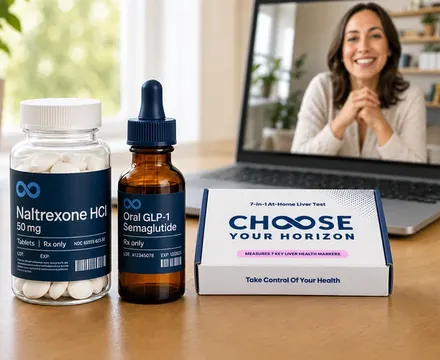
Where Naltrexone Fits If You Want to Drink Less
Some people notice that a GLP-1 changes how they feel about alcohol. Research on that is promising but still emerging. GLP-1 medications are not FDA-approved for alcohol use disorder, so using them for drinking is off-label.
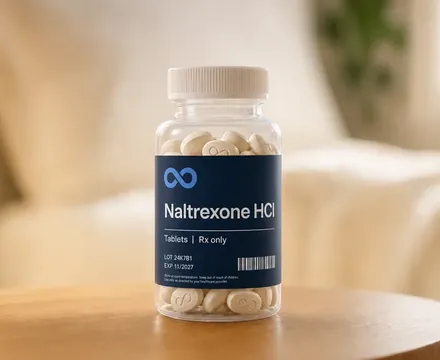
Naltrexone is different. It has been FDA-approved for alcohol use disorder since 1994 and works in the brain's reward system, blunting the pleasure and cravings that keep drinking going.
It's a 50mg tablet taken once a day or ahead of drinking. Its most common side effect is mild nausea, which usually shows up early and often fades as your body adjusts.
Some people take both under one clinician's care. Whether that makes sense depends on your health history, your goals, and your other medications, and that's a decision for a prescriber who knows your full picture.
The Bottom Line
GLP-1 medications can lower how much you drink and eat, and their stomach side effects can drain fluid quickly. Alcohol adds to that by suppressing vasopressin, so your kidneys let more water go.
The FDA label takes dehydration seriously because it has been linked to kidney injury. Most of the time, though, steady habits keep you on the right side of that line.
So drink on a schedule, eat water-rich foods, replace electrolytes when you're sick, and give alcohol a pass during dose increases and rough stomach days. Call your clinician if fluids won't stay down.
And if drinking is something you'd like to change, that's a completely normal thing to want help with. You don't need to hit a low point first.
Choose Your Horizon offers an integrated solution for people who want to drink less or stop, pairing naltrexone with physician-guided care and coaching grounded in clinical, neurological, and behavioral science.
Frequently Asked Questions
Do GLP-1 medications cause dehydration?
They can contribute to it. GLP-1 medications may lower thirst and food intake, and nausea, vomiting, and diarrhea can drain fluid. The FDA label advises taking precautions to avoid fluid depletion.
Does alcohol dehydrate you more on Ozempic?
Alcohol's diuretic effect is the same, but it lands on top of lower fluid intake and possible stomach side effects. That combination is what makes dehydration more likely.
Can dehydration on a GLP-1 hurt your kidneys?
It can. Semaglutide labels warn about acute kidney injury tied to dehydration from stomach side effects. Call your clinician if nausea, vomiting, or diarrhea won't let up.
Does a GLP-1 make alcohol hit you faster?
No. GLP-1 medications slow stomach emptying, which delays how quickly alcohol reaches your blood. Dehydration and nausea can still make drinking feel worse, though.
How much water should I drink on a GLP-1?
There's no single number for everyone. Aim for pale yellow urine, drink at regular times instead of waiting for thirst, and ask your clinician if a heart or kidney condition changes your fluid needs.
Should I avoid alcohol when starting a GLP-1?
Skipping or limiting alcohol during the first weeks and after each dose increase is a smart move, since stomach side effects peak then. Your prescriber can tell you what makes sense for you.
If you'd like support changing your drinking, take the online Alcohol Use Assessment to see if naltrexone could be a good fit for you.
A private, physician-led plan to drink less or quit.
Medication, coaching and support from home. A short assessment is the first step.
Start Assessment