A 2 minute assessment to get a personalized mental health or alcohol recovery plan.

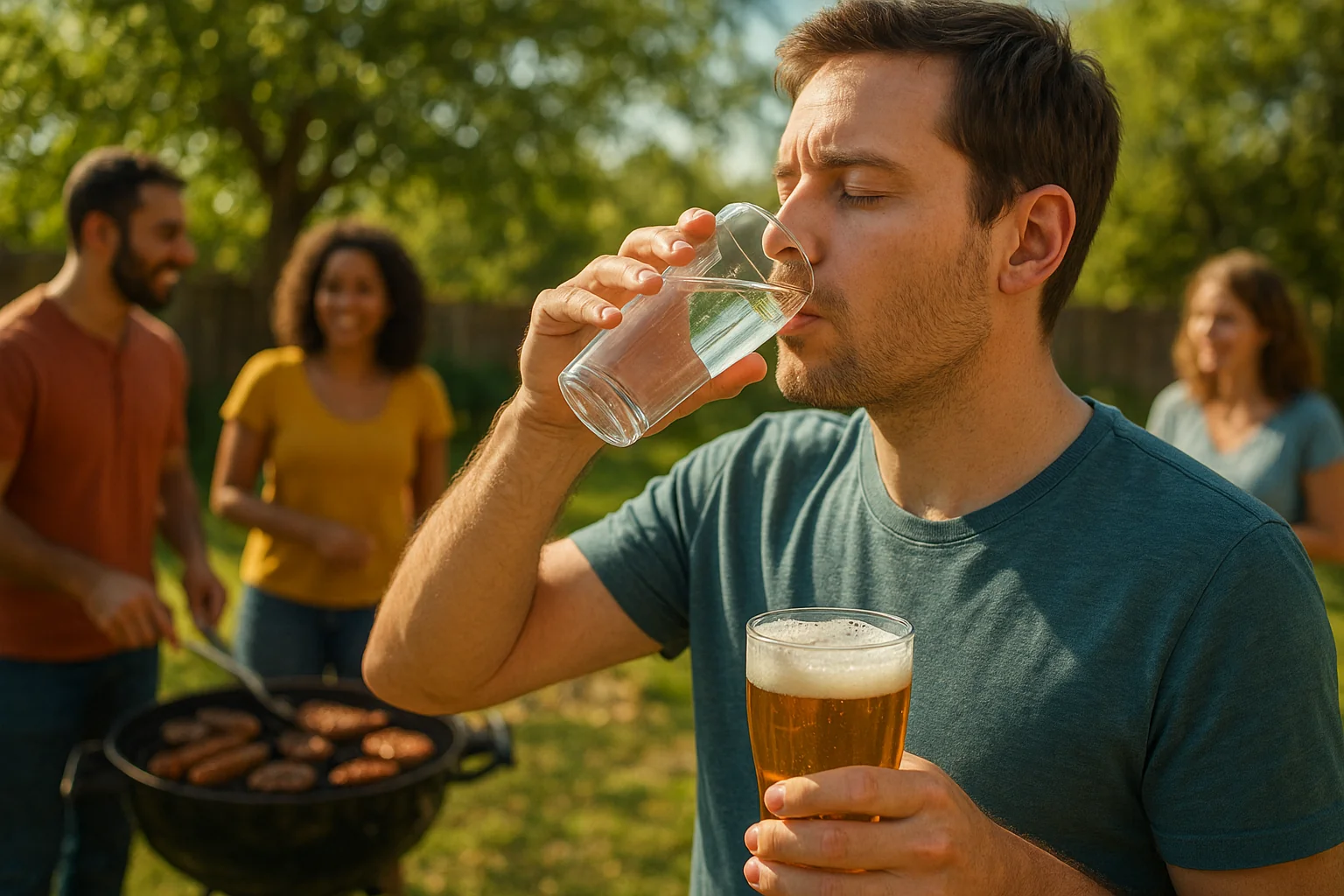
Yes, beer can dehydrate you. Alcohol suppresses the hormone that tells your kidneys to retain water, causing you to urinate more than you take in. The degree of dehydration depends on the beer's alcohol content and how much you drink.
What You'll Discover:
• Whether beer dehydrates you and how much.
• The biological mechanism behind alcohol's dehydrating effect.
• How beer compares to other alcoholic beverages for dehydration.
• What research shows about low-alcohol versus regular beer.
• How dehydration contributes to hangover symptoms.
• How to minimize dehydration if you choose to drink beer.
If you've ever woken up with a dry mouth and headache after drinking beer, you've experienced alcohol-related dehydration. Understanding how beer affects your body's fluid balance helps explain these effects and put them in context.
The Direct Answer
Yes, beer dehydrates you.
All alcoholic beverages, including beer, have a diuretic effect. They cause your body to produce more urine than the liquid you consumed would normally produce. This creates a net fluid loss even though you're drinking liquid.
The degree of dehydration depends on several factors. Higher-alcohol beers cause more dehydration. Drinking more beers causes more dehydration. Your hydration status before drinking affects how strongly the diuretic effect hits you.
A few light beers may not significantly dehydrate you. Several high-alcohol IPAs will substantially dehydrate you. The difference matters for understanding beer's effects on your body.
How Alcohol Causes Dehydration
The mechanism behind alcohol's dehydrating effect involves a hormone called vasopressin, also known as antidiuretic hormone (ADH).
Under normal conditions, your body releases vasopressin when it needs to conserve water. This hormone signals your kidneys to reabsorb water rather than passing it into urine. When you're dehydrated, vasopressin levels rise, and you produce less, more concentrated urine.
Alcohol suppresses vasopressin release from the pituitary gland. With less vasopressin circulating, your kidneys don't receive the signal to retain water. They pass more water into urine, increasing urine volume significantly beyond what the liquid you drank would normally produce.
Research from the National Institutes of Health confirms this effect. When you drink alcohol, you urinate more than the volume of liquid you consumed. This creates a net negative fluid balance.
The diuretic effect begins about 20 minutes after drinking and continues as alcohol remains in your system. The more you drink, the more pronounced the effect becomes.
This is why you may need to urinate frequently while drinking beer. Each beer you consume triggers additional vasopressin suppression, increasing urine production and accelerating fluid loss.
The math of beer and fluid loss:
For every standard beer consumed, some estimates suggest you may lose an additional 200-300ml of fluid beyond what you'd normally produce. This means drinking four beers might create a fluid deficit equivalent to skipping a few glasses of water while also losing extra fluid.
The deficit accumulates throughout a drinking session. By the end of an evening of heavy beer drinking, total fluid loss can be substantial.
How Beer Compares to Other Alcoholic Drinks
Beer's dehydrating effect is generally less severe than wine or spirits because beer typically has lower alcohol content per volume.
A standard 12-ounce beer at 5% ABV contains approximately 14 grams of alcohol. A 5-ounce glass of wine at 12% ABV contains the same amount. A 1.5-ounce shot of spirits at 40% ABV also contains 14 grams of alcohol.
However, beer delivers this alcohol in a much larger volume of liquid. The 12 ounces of beer provide more fluid than the 5 ounces of wine or 1.5 ounces of spirits.
This means beer may dehydrate you somewhat less severely than equivalent amounts of stronger alcohol on a per-drink basis. The net effect is still fluid loss, but beer provides more fluid to work with.
However, this doesn't mean beer hydrates you. It means beer may be somewhat less dehydrating than the same number of drinks of wine or spirits. The net effect is still negative fluid balance.
Drinking several beers can dehydrate you more than a single glass of wine because the total alcohol consumed is higher despite the lower concentration. Five beers contain more alcohol than one glass of wine.
Comparison by alcohol content:
• 12 oz beer at 5% = 0.6 oz pure alcohol in 12 oz liquid
• 5 oz wine at 12% = 0.6 oz pure alcohol in 5 oz liquid
• 1.5 oz spirits at 40% = 0.6 oz pure alcohol in 1.5 oz liquid
All three deliver the same alcohol, but beer provides more total liquid. This partially offsets but doesn't eliminate the dehydrating effect.
The Role of Alcohol Content
Research shows that beer's dehydrating effect depends heavily on its alcohol content.
Studies examining different alcohol concentrations found that the threshold for significant diuretic effect appears to be around 4% ABV. Below this level, beer's dehydrating effect is minimal. Above this level, dehydration becomes more pronounced.
Light beer (around 4% ABV) - Causes minimal additional fluid loss compared to an equivalent volume of water. The diuretic effect exists but is small enough that the liquid volume mostly compensates. Popular light beers like Bud Light (4.2% ABV) and Miller Lite (4.2% ABV) fall into this category.
Regular beer (5-6% ABV) - Causes moderate fluid loss. You'll produce more urine than the beer's volume would suggest, creating net dehydration over time. Standard lagers and most pale ales fall here.
Strong beer (7%+ ABV) - Causes significant fluid loss. Craft IPAs, Belgian ales, double IPAs, and imperial stouts often exceed 7% ABV. A 16-ounce 8% ABV beer can dehydrate you more than several regular beers.
High-alcohol craft beers (9-12%+ ABV) - Cause substantial dehydration. Imperial IPAs, barleywines, and Belgian strong ales in this range have alcohol content approaching wine. The dehydrating effect is correspondingly severe.
This explains why drinking strong craft beers often leads to worse hangovers than drinking the same number of light beers. The higher alcohol content creates more severe dehydration along with other effects.
Research on Low-Alcohol Beer
Studies have produced interesting findings about low-alcohol and non-alcoholic beer.
Research published in peer-reviewed journals examined post-exercise rehydration with different beverages. The study found that beer with 4% or less alcohol content did not significantly impair rehydration compared to water or sports drinks.
When participants were already dehydrated from exercise, low-alcohol beer performed similarly to non-alcoholic alternatives for restoring fluid balance.
This suggests that the body's heightened water conservation response when dehydrated partially counteracts alcohol's diuretic effect. When your body needs water urgently, it works harder to retain what you consume even when alcohol is present.
Additional research found no significant difference in net fluid balance between non-alcoholic beer, low-alcoholic beer, full-strength beer at lower ABV levels, and water when people were moderately dehydrated.
However, this doesn't mean low-alcohol beer is a good hydration choice. Water hydrates you without any alcohol-related effects. The research simply shows that the dehydrating effect of very low alcohol content is less severe than sometimes assumed.
Dehydration and Hangover Symptoms
Dehydration contributes significantly to hangover symptoms, though it's not the only cause.
Headache - Dehydration causes brain tissue to temporarily shrink slightly and pull away from the skull, triggering pain receptors. This is a major contributor to the throbbing hangover headache that many people experience.
Dry mouth and thirst - These are direct symptoms of fluid deficit. The parched feeling in your mouth the morning after drinking reflects genuine dehydration.
Fatigue and weakness - Your body doesn't function optimally when dehydrated. Energy levels and physical performance decline. The exhaustion you feel after drinking is partly dehydration.
Dizziness - Dehydration reduces blood volume, which can cause lightheadedness especially when standing up quickly. This contributes to the unsteady feeling of a hangover.
Nausea - Dehydration can worsen gastrointestinal symptoms and contribute to the queasy feeling associated with hangovers.
Muscle cramps - Dehydration affects electrolyte balance, potentially causing muscle discomfort.
However, dehydration doesn't explain all hangover symptoms. Alcohol also causes inflammation, disrupts sleep architecture, creates toxic metabolites like acetaldehyde, irritates the stomach lining, and affects blood sugar. Addressing dehydration alone won't prevent hangovers from heavy drinking.
Signs of Alcohol-Related Dehydration
Recognizing dehydration symptoms helps you understand how beer is affecting your body.
Thirst - The most obvious sign. If you're drinking beer and feeling increasingly thirsty, dehydration is occurring.
Dark urine - Concentrated, dark yellow urine indicates dehydration. Clear or light yellow urine suggests adequate hydration. Monitor urine color during and after drinking.
Reduced urination frequency - Despite alcohol's diuretic effect, severely dehydrated people may eventually produce less urine overall as the body desperately tries to conserve remaining fluids.
Dry mouth and lips - Early signs of dehydration that often appear while drinking or shortly after.
Headache - Can begin during drinking if dehydration becomes significant, not just the morning after.
Fatigue - Feeling tired despite not being sleepy can indicate dehydration.
Cognitive fog - Difficulty thinking clearly can be related to dehydration, though alcohol itself causes this as well.
If you notice these symptoms while drinking or the morning after, dehydration is contributing to how you feel.
Minimizing Dehydration While Drinking Beer
If you choose to drink beer, certain practices can reduce dehydration.
Alternate with water - Drink a glass of water between beers. This replaces some lost fluid and slows your overall alcohol consumption. The 1:1 ratio is a useful guideline.
Choose lower-alcohol options - Light beers and session ales with lower ABV cause less dehydration than strong IPAs or imperial stouts. A 4% ABV beer is significantly less dehydrating than a 7% ABV beer.
Drink slowly - Spacing out your consumption gives your body more time to process alcohol and reduces peak blood alcohol levels. This also gives you time to drink water between beers.
Start hydrated - Beginning the evening well-hydrated provides a buffer before alcohol's effects create a deficit. Drink water before you start drinking beer.
Eat while drinking - Food slows alcohol absorption, reducing the intensity of its effects including dehydration. Eating also provides some additional fluid from food.
Drink water before bed - Consuming water before sleep gives your body fluids to work with during overnight recovery. Keep water by your bed for when you wake up thirsty.
Monitor your consumption - Pay attention to how many beers you're having and what their alcohol content is. Awareness helps you make better decisions.
These strategies reduce but don't eliminate dehydration. The more beer you drink, the more dehydrated you'll become regardless of these measures.
Common Questions About Beer and Hydration
Can beer count toward daily fluid intake?
Technically, beer does provide some fluid. However, the diuretic effect means you retain less than you consume. Beer is a poor choice for meeting hydration needs. Water, herbal tea, and other non-alcoholic beverages are far more effective for hydration.
Does drinking beer in hot weather cause more dehydration?
Yes. Heat causes sweating, which already depletes fluids. Adding beer's diuretic effect on top of heat-related fluid loss creates faster, more severe dehydration. Drinking beer in hot weather or after physical activity is particularly dehydrating.
Will drinking water after beer reverse the dehydration?
Water helps restore fluid balance, but it takes time. Drinking water after beer is beneficial, but the dehydration that occurred still affects you. The best approach is drinking water throughout the evening, not just afterward.
Does cold beer dehydrate you more than room temperature beer?
No. Temperature doesn't affect the diuretic mechanism. The alcohol content is what matters, not whether the beer is cold. Cold beer might feel more refreshing, but it has the same dehydrating effect as warm beer of the same alcohol content.
How long does beer-related dehydration last?
The diuretic effect of alcohol can persist for several hours after drinking stops. Full rehydration typically requires drinking water and waiting for the body to restore normal fluid balance, which can take until the next day depending on how much you drank.
The Bigger Picture
Understanding beer's dehydrating effect is useful, but it's one piece of a larger picture about alcohol and health.
Dehydration is just one of many ways alcohol affects your body. Beer also delivers empty calories, disrupts sleep quality, impairs judgment and coordination, creates toxic metabolites, and carries long-term health risks when consumed regularly.
If you're researching beer's health effects, dehydration might be the least concerning issue. Alcohol consumption carries risks including increased cancer risk, liver damage, cardiovascular effects, and potential for dependence.
For people whose drinking has become more than they intended, medication-assisted treatment with naltrexone can help reduce consumption by changing how alcohol affects your brain's reward system.
The medication blocks opioid receptors involved in alcohol's pleasurable effects. Over time, this weakens the reinforcement driving continued drinking, allowing consumption to naturally decrease.
If you're concerned enough about beer's health effects to research dehydration, considering your overall drinking pattern might be worthwhile.
Conclusion
Yes, beer dehydrates you. Alcohol suppresses vasopressin, the hormone that tells your kidneys to retain water. This causes increased urination and net fluid loss.
The degree of dehydration depends on alcohol content. Light beers with 4% or less ABV cause minimal dehydration. Regular beers cause moderate dehydration. Strong craft beers cause significant dehydration.
Dehydration contributes to hangover symptoms including headache, thirst, fatigue, and dizziness. Staying hydrated while drinking can reduce but not eliminate these effects.
If concern about beer's health effects has led you here, the dehydration question is part of a larger picture worth examining.
Take the online Alcohol Use Assessment to see if medication-assisted treatment could help you reduce your beer consumption.