


What You'll Discover:
- What's actually in a hangover IV drip.
- The six things that cause a hangover, and which ones an IV touches.
- What the research says, and doesn't say, about IV hydration.
- The real risks and costs of drip lounges.
- Why drinking less is the only hangover prevention that reliably works.
You wake up with a pounding head, a sour stomach, and a full day ahead of you. Then you remember the place down the street that promises to fix all of it with an IV.
It's easy to see the appeal. When you feel that rough, anything that sounds fast and medical feels worth a try.
So, here's an honest look at what hangover IV drips can do, what they can't, and what the evidence actually supports. No lecture, just the facts you need to decide.
What a Hangover IV Drip Actually Is
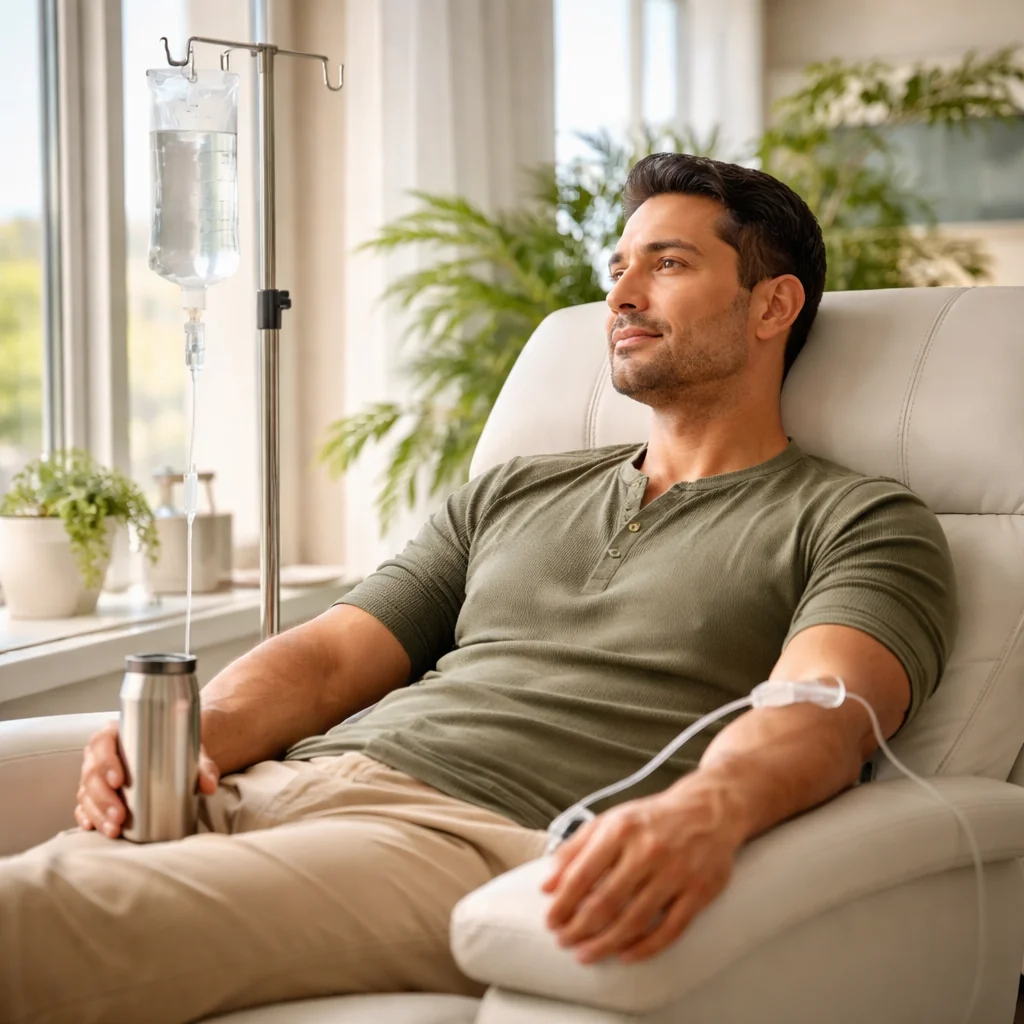
A hangover IV drip is a bag of fluid delivered straight into a vein through a small catheter, usually in your arm. The base is typically a saline-type solution, which is water with salts like sodium and chloride.
Most lounges then add extras. Common add-ons include B vitamins, vitamin C, minerals like magnesium, and sometimes medicine for nausea or pain.
You'll find these services in storefront lounges, on spa menus, and through mobile teams that come to your home or hotel. The pitch is the same everywhere: rehydrate, replenish, and feel human again.
What Actually Causes a Hangover
To judge any hangover cure, it helps to know what's behind the misery. According to the National Institute on Alcohol Abuse and Alcoholism's hangover fact sheet, several factors work together.
Mild dehydration. Alcohol suppresses vasopressin, a hormone that tells your kidneys to hold on to fluid. You urinate more, lose fluid, and may wake up thirsty, tired, and headachy.
Disrupted sleep. You may fall asleep faster after drinking, but your sleep is fragmented and you tend to wake up earlier. That alone explains a lot of next-day fatigue.
Stomach irritation. Alcohol irritates the lining of the stomach and increases acid release, which leads to nausea and stomach pain.
Inflammation. Alcohol increases inflammation in the body, which feeds that achy, sick-all-over feeling.
Acetaldehyde exposure. When your liver breaks down alcohol, it creates acetaldehyde, a toxic, short-lived byproduct that contributes to inflammation in the liver, brain, gut, and other organs.
Mini-withdrawal. While you drink, your brain adjusts to alcohol's calming effects. When the buzz wears off, you can feel more restless and anxious than before you started.
NIAAA notes that symptoms peak when your blood alcohol concentration returns to about zero, and they can last 24 hours or longer.
What the Research Says About IV Drips for Hangovers
The short answer is that the evidence is thin.
NIAAA addresses IV treatments directly. It notes that some people turn to electrolyte drinks or even IVs to correct the electrolyte imbalance caused by fluid loss.
In NIAAA's words, research has not found a link between how disrupted your electrolytes are and how bad your hangover is. It also hasn't shown that added electrolytes make hangovers less severe.
In most people, the body restores electrolyte balance on its own fairly quickly once the alcohol wears off.
NIAAA's bottom line is blunt. None of the many popular remedies have been scientifically proven to work, and only time cures a hangover.
A classic review of hangover mechanisms reached a similar conclusion years earlier. Few hangover treatments had been rigorously studied, and time was the most important factor, with symptoms usually easing over 8 to 24 hours.
What an IV Can and Can't Do
None of this means an IV does nothing. It does one specific thing well and tends to get credit for much more.
What It Can Do
It replaces fluid quickly. The same review notes that about four drinks' worth of alcohol can lead the body to lose 600 to 1,000 milliliters of water over several hours. An IV puts fluid back fast.
It may ease dehydration symptoms. If thirst, dry mouth, and a dehydration headache are your main complaints, fluids can help with those.
Add-on medicines can dull symptoms. If the drip includes medicine for nausea or pain, you may feel better for a while. That's symptom relief, not a cure.
It gives you an hour of rest. Lying back in a quiet chair while the clock runs isn't nothing.
What It Can't Do
It can't clear alcohol or acetaldehyde faster. Your liver works through alcohol at its own pace. As NIAAA puts it, you have to wait for the body to finish clearing these toxic byproducts.
It can't repair lost sleep. Fragmented sleep from the night before is still fragmented sleep.
It can't calm inflammation or heal an irritated stomach. Both need time.
It can't reverse mini-withdrawal. That restless, anxious feeling comes from your brain rebalancing after alcohol, not from a shortage of fluid.
There's also a timing wrinkle. The mechanisms review notes that vasopressin, the fluid-holding hormone, starts rising again as blood alcohol falls toward zero. By the time the hangover hits, your body is often already working to rehydrate.
Hangover Causes vs What an IV Can Fix
| Hangover Cause | What You Feel | What an IV Does |
|---|---|---|
| Mild dehydration | Thirst, fatigue, headache | Helps, though water and food usually do the same job |
| Disrupted sleep | Exhaustion, low focus | Nothing |
| Stomach irritation | Nausea, stomach pain | Add-on medicine may mask it for a while |
| Inflammation | Aches, feeling sick all over | Nothing |
| Acetaldehyde exposure | Adds to inflammation in organs | Nothing, only time clears it |
| Mini-withdrawal | Anxiety, restlessness | Nothing |
Why Hangover Drips Can Feel Like They Work
Plenty of people walk out of a drip lounge feeling better, and that experience is real. It just has more than one explanation.
First, time is on the drip's side. Hangovers naturally ease over the course of the day, so any treatment that takes an hour gets to borrow some of that recovery.
Second, rest helps. An hour lying still in a calm room can take the edge off a headache and an upset stomach.
Third, add-on medicines for nausea or pain can make you feel better while they last, whether or not the fluid itself did much. And when you've paid for a treatment that promises relief, expecting to feel better can shape how you feel.
The Real Risks of IV Drip Lounges
For most healthy adults, a single IV placed by a trained professional goes smoothly. Still, putting a needle and a catheter into a vein is a medical procedure, and it carries real risks.
Vein and skin problems. Bruising, soreness, and irritated veins are common. Fluid can also leak into the surrounding tissue if the catheter slips.
Infection. Any break in the skin can let bacteria in. Clean technique matters, and it's harder to guarantee in a hotel room or a crowded event space.
Too much fluid for some bodies. People with heart failure, kidney disease, and certain other conditions can't always handle a large volume of fluid quickly. That can strain the heart and lungs.
Reactions to additives. Vitamins, minerals, and medicines in the bag can cause side effects or interact with medicines you already take.
Uneven oversight. Rules for who can start an IV, who has to supervise, and what screening is required vary by state. The health check before your drip can vary just as much.
If you do book a drip, ask who will place the IV, whether a clinician reviews your health history and medications first, and exactly what's in the bag. Skip it if you have heart or kidney problems and haven't cleared it with your own doctor.
The Cost Question
Hangover IV drips are usually paid out of pocket, and prices vary widely by city, setting, and add-ons. Mobile service and extra vitamins or medicines tend to push the bill higher.
Before you sit down, ask for the total price, including any travel fee or extras. Then weigh it against what the evidence says the drip can actually do.
When You Need Real Medical Care Instead
A hangover is miserable, but it usually passes. Some situations look like a bad hangover and are something more serious.
Call 911 if someone has mental confusion, trouble staying conscious, repeated vomiting, seizures, or trouble breathing. NIAAA lists these as signs of an alcohol overdose.
Other warning signs on that list include a slow heart rate, clammy skin, and a very low body temperature. An alcohol overdose can cause permanent brain damage or death, so don't wait it out.
If you drink heavily most days and wake up shaky, sweaty, nauseated, or very anxious, that may be alcohol withdrawal rather than a hangover. Withdrawal can become dangerous, so talk with a doctor or get urgent care instead of booking a drip.
And if you can't keep any fluids down for many hours, see a clinician. That's the situation where medical IV fluids, given after a real evaluation, genuinely help.
A Smarter Morning-After Plan
If you're hungover right now, the basics are boring but they work with your body rather than against it.
Sip water steadily. Small, regular sips are easier on an upset stomach than chugging.
Eat something bland. Toast, crackers, rice, or broth can settle your stomach and give you some energy.
Rest if you can. Your body is clearing byproducts, rehydrating, and healing irritated tissue, and none of that can be rushed.
Skip the "hair of the dog." NIAAA notes that a morning drink might mask symptoms briefly but could prolong the malaise.
Be careful with pain relievers. NIAAA cautions that some over-the-counter pain relievers can be hard on the liver or stomach when combined with alcohol, so check with a pharmacist.
Why Drinking Less Is the Only Reliable Prevention
NIAAA is clear on this point. The only way to fully avoid a hangover is to not drink, or to keep your drinking to a minimum.
The research backs that up. A review of alcohol metabolism and hangover found a direct relationship between blood alcohol concentration and hangover severity. The more alcohol in your blood, the worse the next day tends to be.
The older mechanisms review found the same pattern. People who drink smaller amounts are less likely to get a hangover at all.
That doesn't mean you have to quit to feel better. A few changes make a real difference:
- Decide on a drink limit before you start, and tell someone you trust.
- Space your drinks out and alternate with water or a non-alcoholic option.
- Eat a real meal before and while you drink.
- Call it a night earlier to protect your sleep.
Products marketed for prevention haven't changed this picture. Our reviews of hangover prevention drinks and Cheers hangover pills look at what the evidence says about those options.
When Hangovers Become a Pattern
One rough morning after a wedding is one thing. Needing a recovery plan most weekends is another.
If you're scheduling drips, losing whole days to hangovers, or dreading the anxiety that shows up the morning after, it may be time to look at the drinking itself.
That next-day dread even has a name. Our guide to hangxiety explains why it happens and how to ease it.
Noticing a pattern isn't a reason for shame. It's useful information, and you don't need to hit rock bottom to deserve support.
How Naltrexone Can Help
Since hangover severity tracks how much you drink, the most effective hangover strategy is drinking less. Naltrexone is one way to make that easier.
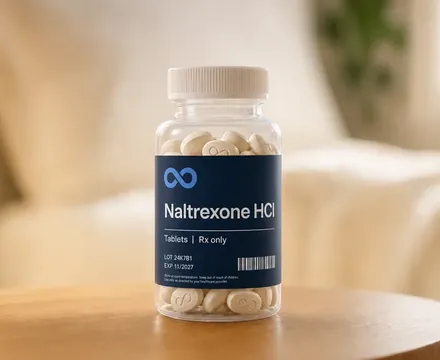
Naltrexone has been FDA-approved for alcohol use disorder since 1994. It blocks opioid receptors involved in alcohol's rewarding buzz, so drinking feels less compelling and many people stop after one or two.
It comes as a 50mg tablet. Our article on naltrexone and hangovers covers how it fits into fewer, milder mornings after.
How Choose Your Horizon Can Help
Choose Your Horizon offers an integrated solution grounded in clinical, neurological, and behavioral science. Our physicians can prescribe naltrexone after an online assessment, and care includes coaching and ongoing support.
Everything happens online and discreetly. Whether your goal is fewer hangovers, drinking less, or quitting, you decide what success looks like.
The Bottom Line on Hangover IV Drips
An IV can replace fluid quickly and may ease thirst and a dehydration headache. It can't clear alcohol faster, fix your sleep, calm inflammation, or settle the anxious rebound that comes with a hangover.
Research hasn't shown that added electrolytes reduce hangover severity, and the drips carry real risks and costs. Time is still the only cure.
The most reliable fix happens before the first drink. Drinking less means fewer and milder hangovers, and support is available when cutting back feels harder than it should.
Frequently Asked Questions
Do IV drips really cure a hangover?
No. NIAAA says no hangover remedy has been scientifically proven to work and only time cures a hangover. An IV may ease dehydration symptoms like thirst and headache.
Is an IV better than drinking water for a hangover?
There's no good evidence that it is for people who can keep fluids down. Research hasn't shown that added electrolytes reduce hangover severity, and the body usually rebalances on its own.
Are hangover IV drips safe?
Any IV carries some risk, including bruising, irritated veins, and infection. Extra fluid can be dangerous for people with heart or kidney conditions, so check with your doctor first if that applies to you.
What actually helps a hangover?
Time, rest, water, and bland food help your body recover. The only reliable prevention is drinking less or not drinking.
When should I see a doctor instead of getting an IV?
Call 911 for confusion, trouble staying awake, repeated vomiting, seizures, or trouble breathing. If you drink heavily most days and wake up shaky or sweaty, see a doctor, since that may be withdrawal.
Can naltrexone help prevent hangovers?
Indirectly, yes. Naltrexone reduces the rewarding buzz from alcohol, which helps many people drink less, and drinking less is what prevents hangovers.
If you're ready for fewer mornings like this, take the Alcohol Use Assessment online to see if naltrexone and Choose Your Horizon's integrated solution are a good fit for you.
A private, physician-led plan to drink less or quit.
Medication, coaching and support from home. A short assessment is the first step.
Start Assessment