A 2 minute assessment to get a personalized mental health or alcohol recovery plan.

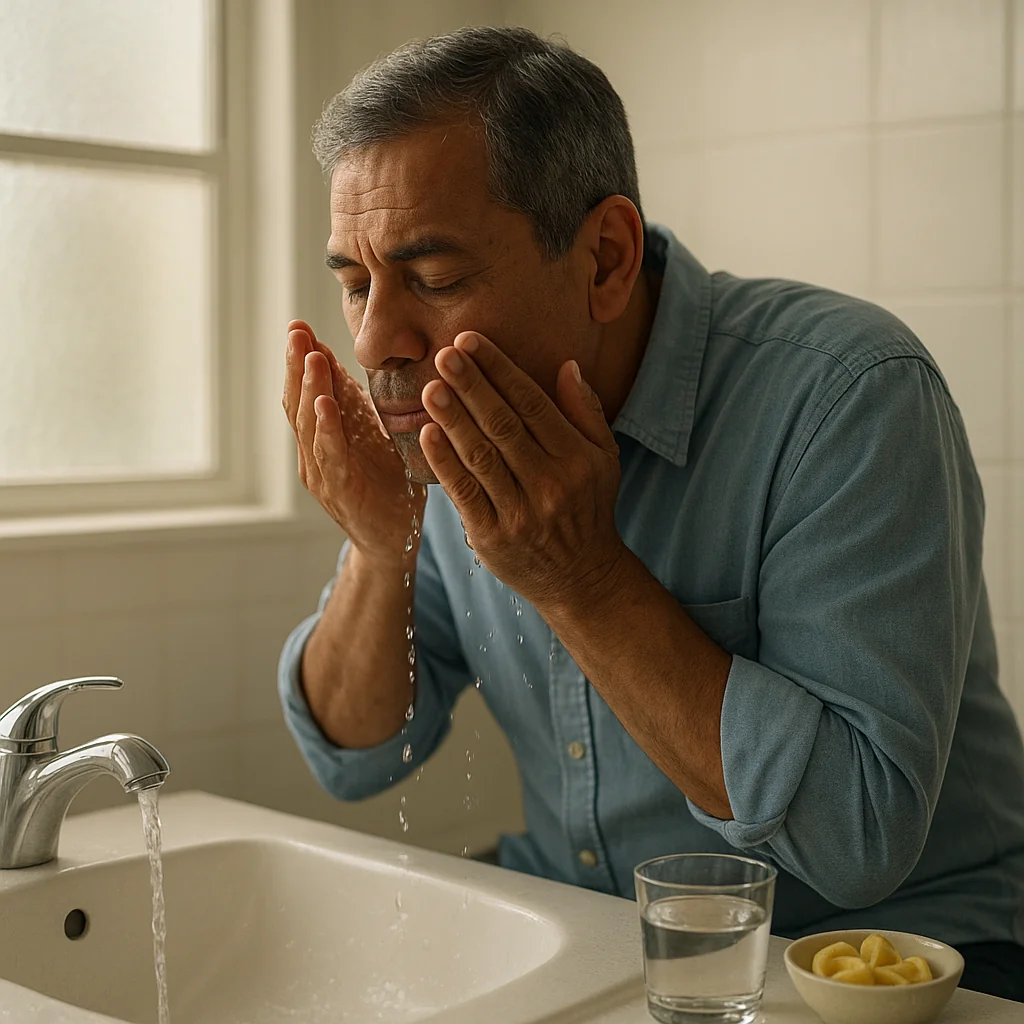
That wave of dread the morning after drinking has a name and a clear cause. Hangxiety comes from your brain rebounding after alcohol, and there is a lot you can do about it.
What You'll Discover:
• What hangxiety is and how common it really is.
• Why your brain chemistry swings toward anxiety after drinking.
• The roles of cortisol and dehydration in next-day dread.
• How long hangxiety usually lasts.
• Practical ways to reduce it and when it signals a pattern.
You wake up after a night of drinking, and before you even remember what you said or did, the feeling is already there. A tight chest, a racing mind, a sense of dread that does not match anything happening around you. That is hangxiety.
It is real, it is common, and it has a clear biological explanation. Understanding what your brain is doing the morning after makes the feeling less frightening, and it points to simple changes that help.
What Hangxiety Is and How Common It Is
Hangxiety is the spike in anxiety that shows up in the hours after drinking, usually the next morning. It can range from mild unease to genuine dread, often paired with a hangover.
It is more common than many people realize. Research suggests roughly one in five social drinkers experiences meaningful next-day anxiety, so if it happens to you, you are in large company.
Some people are more prone to it than others. A study of social drinkers found that more shy or anxious people were especially likely to feel a jump in anxiety the day after drinking, even when alcohol had calmed them the night before.
That detail is worth sitting with. The same drink that quiets nerves in the evening can hand them back, with interest, in the morning. The reason lies in how alcohol works on the brain.
Why Your Brain Swings Toward Anxiety
Alcohol does not create calm out of nowhere. It borrows it from the next day. To see how, it helps to know two of the brain's main chemical messengers.
GABA is your brain's main calming signal. It quiets activity and helps you feel relaxed. Glutamate is the opposite, the main excitatory signal that ramps activity up.
Alcohol boosts GABA and dampens glutamate, which is why a drink can feel relaxing and loosen you up. In the moment, your brain tips toward calm.
Your brain does not like being pushed off balance, so it pushes back. As you keep drinking and then sleep it off, it dials down GABA and ramps up glutamate to compensate.
When the alcohol clears, that compensation is still in place. Research on how GABA calms the brain and glutamate excites it describes how this leaves the brain in an over-excited, under-calmed state once alcohol leaves the system.
The result is a nervous system running hot, with too little of the calming signal and too much of the exciting one. That imbalance is felt as anxiety. We unpack this further in our guide to rebound anxiety.
Why the Calm Feels So Good, Then Backfires
It helps to understand why this trade is so easy to fall into, especially if you are someone who gets anxious in social settings.
In the moment, alcohol genuinely works. The GABA boost takes the edge off, the room feels easier, and conversation flows. For an anxious person, that relief can feel like a small miracle.
The catch is that the relief is a loan, not a gift. Your brain charges interest, and it collects the next morning when the rebound arrives.
That is why people who feel the most social anxiety often feel the worst hangxiety. The bigger the calm they borrowed, the bigger the swing back. It is a cruel setup, and recognizing it is the first step to stepping out of it.
Over time, leaning on alcohol for calm can also nudge your baseline anxiety higher, so you need the drink more and feel worse without it. That is the loop worth interrupting early.
The Cortisol and Dehydration Pieces
Brain chemistry is the core of hangxiety, but two more factors pour fuel on it.
The first is cortisol, your main stress hormone. Drinking disrupts the system that regulates it, and levels can run high the next morning. Research on alcohol's negative emotional side describes how alcohol disturbs the body's stress axis.
Elevated cortisol primes you to feel on edge. Pair it with a brain that is already over-excited, and ordinary worries can feel overwhelming. Our piece on alcohol and cortisol goes deeper on this loop.
The second factor is dehydration. Alcohol is a diuretic, and the mechanisms behind a hangover include fluid loss, electrolyte shifts, and poor sleep, all of which make anxiety harder to ride out.
Poor sleep deserves its own mention. Alcohol wrecks the quality of your rest, and a short, fragmented night leaves anyone more anxious and less able to cope, hangxiety or not.
Here is how the main mechanisms line up with what you feel.
Reading down the table, a pattern stands out. Almost every soothing thing alcohol does at night comes back as its opposite in the morning.
Does the Type or Amount of Drink Matter
People often ask whether switching drinks will spare them the morning dread. The honest answer is that the amount matters far more than the type.
Hangxiety is driven mostly by the size of the rebound, and that scales with how much alcohol your brain had to adapt to. More drinks mean a bigger swing back toward anxiety.
That said, drinks high in congeners, like red wine and dark spirits, tend to produce rougher hangovers overall. A worse hangover usually means worse hangxiety riding along with it.
Drinking quickly on an empty stomach also makes things worse, because your blood alcohol spikes and crashes harder. Pacing yourself and eating smooths that curve.
So there is no magic drink that prevents hangxiety. The reliable levers are drinking less, drinking slower, and not drinking on an empty stomach or a short night of sleep.
How Long Hangxiety Lasts
The good news in all of this is that hangxiety is usually temporary. For most people it tracks with the hangover itself.
Symptoms tend to peak in the morning as your blood alcohol bottoms out, then ease through the day as your brain chemistry rebalances and you rehydrate. Most people feel back to normal within 24 hours.
In some cases, especially after heavier drinking, it can linger into a second day. A 24 to 48 hour window covers the large majority of hangxiety episodes.
If your anxiety routinely lasts longer than that, or stays high even on days you have not been drinking, that is a different signal. It may point to an underlying anxiety issue or a drinking pattern worth a closer look.
Hangxiety Versus an Ordinary Hangover
It is worth separating hangxiety from the rest of a hangover, because they do not always show up together.
A classic hangover is mostly physical, the headache, nausea, and fatigue. Hangxiety is the mental and emotional layer, the dread and the racing thoughts, and some people get one far more than the other.
You might feel physically fine and still be gripped by anxiety, or feel rough in your body while your mood stays steady. Both patterns are normal, and they trace back to which systems your drinking hit hardest.
Knowing which one you tend to get helps you prepare the right response, whether that is more water and rest, or more breathing and reassurance.
How to Reduce Hangxiety
You cannot fully erase hangxiety once it starts, but you can soften it, and you can do a lot to prevent the worst of it. A few habits make the biggest difference.
• Drink water between alcoholic drinks and before bed to limit dehydration.
• Eat before and while you drink to steady blood sugar.
• Keep the total amount lower, since bigger swings mean bigger rebounds.
• Avoid using alcohol as your main tool for social nerves.
• In the morning, rehydrate, eat, move gently, and wait it out.
That last point matters. Hangxiety lies to you. The dread feels permanent and meaningful in the moment, but it is a chemical state that fades, not an accurate read on your life.
Caffeine is worth watching too. A strong coffee on an already jittery, dehydrated morning can sharpen the edge rather than help, so go easy until you have had water and food.
If you notice that anxiety is part of why you drink in the first place, that cycle is worth understanding. Our guide to how alcohol can cause anxiety walks through how drinking to calm down can quietly make baseline anxiety worse over time.
What Actually Helps in the Moment
When hangxiety has already arrived, you cannot think your way out of it, but you can take the edge off while you wait for it to pass.
Start with the basics your body is missing. Water, a balanced meal, and a little protein steady your blood sugar and address the dehydration feeding the feeling.
Gentle movement helps more than most people expect. A short walk outside burns off some of the excess stress chemistry and gives your racing mind something else to do.
Slow breathing works on the same system. A few minutes of long, slow exhales signals your nervous system to settle, which directly counters the over-excited state behind hangxiety.
Above all, remind yourself that the feeling is temporary and chemical. Naming it as hangxiety, rather than treating the dread as truth, takes away a lot of its power. It will lift, usually by evening.
When Hangxiety Signals a Pattern Worth Addressing
For many people, hangxiety is an occasional, unpleasant cost of a big night. For others, it is a recurring signal that deserves attention.
A few patterns are worth noticing. If you regularly drink to manage anxiety, if hangxiety hits after most drinking sessions, or if the next-day dread is making you anxious about your own behavior, those are meaningful flags.
The same study of social drinkers linked stronger hangxiety with higher scores on a screening tool for problem drinking. In other words, intense, frequent hangxiety can be an early sign worth heeding.
This is not about labels or shame. It is about noticing a pattern early, while you have the most options. We cover the broader picture in our article on post-alcohol anxiety.
You do not have to hit any kind of low point to deserve support. Plenty of people decide that the morning dread simply is not worth it, and they choose to change their relationship with alcohol on their own terms.
Frequently Asked Questions
How long does hangxiety last?
For most people it peaks in the morning and fades within 24 hours as brain chemistry rebalances and you rehydrate. After heavier drinking it can stretch into a second day, but a 24 to 48 hour window covers most episodes.
Why do I feel anxious the day after drinking even if nothing bad happened?
The dread is mostly chemical, not situational. After alcohol leaves your system, your brain holds too little of its calming signal and too much of its excitatory one.
Add elevated cortisol on top, and the whole mix feels like anxiety regardless of what actually happened the night before.
Does drinking water help with hangxiety?
It helps but will not cure it. Dehydration makes hangxiety worse, so rehydrating eases part of the picture, while the brain-chemistry rebound still needs time to settle.
Is hangxiety a sign of an anxiety disorder?
Not necessarily. Occasional hangxiety is a normal response to drinking. But if you drink to manage anxiety, or if next-day dread is frequent and intense, it can point to an underlying issue worth discussing with a professional.
How can I prevent hangxiety before it starts?
Drink less overall, pace yourself with water, eat before and during drinking, and protect your sleep. Smaller amounts of alcohol cause smaller rebounds, which is the most reliable way to reduce the next-day spike.
The Bottom Line
Hangxiety is your brain rebounding after alcohol. The calming GABA signal stays suppressed, the excitatory glutamate signal stays elevated, and cortisol runs high.
Dehydration and poor sleep make all of it harder to bear. The result is real anxiety with a clear, physical cause.
The reassuring part is that it usually passes within a day, and you can blunt it. Drinking less, hydrating, eating, and protecting your sleep all shrink the rebound. And if the dread keeps showing up, that is useful information, not a verdict.
If you have noticed that anxiety and drinking are feeding each other, you do not have to untangle it alone.
You can take a quick, discreet online Alcohol Use Assessment to see whether naltrexone and Choose Your Horizon's support could be a good fit for you.