A 2 minute assessment to get a personalized mental health or alcohol recovery plan.

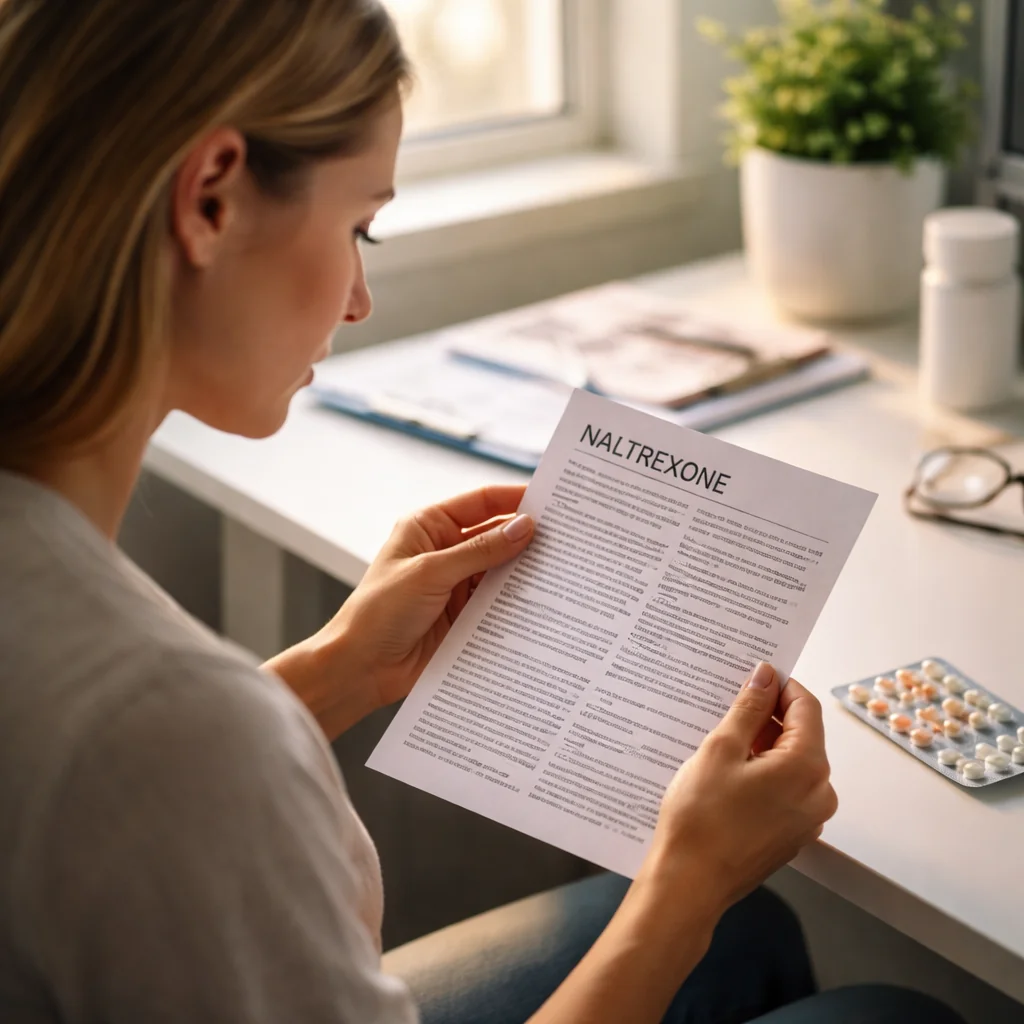
For years the story was that naltrexone works better for men, and the research has not held that up, which matters for a lot of women weighing this option.
What You'll Discover:
• What the research shows about how well naltrexone works in women.
• Where the "it works better for men" idea came from and why it faded.
• Side effect notes that come up more often for women.
• Whether naltrexone interacts with hormonal birth control.
• How cycle and hormone shifts affect drinking and cravings.
• Why pregnancy and breastfeeding change the conversation entirely.
Women are drinking more than they were twenty years ago, and the culture around it got a marketing budget somewhere along the way.
The wine glass with a joke printed on it. The mom group where the punchline is always the same. The idea that a bottle a night is just how the week ends.
For a lot of women, the honest question is not whether it has become a problem. It is what to actually do about it without turning it into an identity.
Naltrexone comes up quickly in that search, and it comes with a specific piece of baggage worth clearing up first.
The "It Works Better for Men" Problem
If you have read about naltrexone, you may have run into the claim that it works less well in women. That idea has a real history and a shaky foundation.
Some early trials did report weaker results in female participants. The problem was that those trials enrolled far more men than women, which makes any female subgroup finding fragile.
A study looking at naltrexone and sex differences in alcohol dependence treatment found the effect size over placebo was similar in men and women.
The authors concluded that apparent sex differences likely came down to sample size and which drinking outcomes were measured, rather than any biological difference in how the medication works.
Later work on higher-dose naltrexone found the same thing. Similar dropout rates, similar tolerability, and improved drinking outcomes in both groups with no meaningful sex difference.
The fair summary is that naltrexone appears to work in women, and the older claim to the contrary has not survived closer examination.
Why the Research Gap Existed at All
It is worth knowing why this question was murky for so long, because the answer is not flattering.
Alcohol treatment trials historically enrolled mostly men. For a long time that was simply how the field operated, and women were a small slice of most study populations.
Despite requirements from the National Institutes of Health, direct comparisons of how alcohol medications perform across sexes remain relatively thin.
That does not mean the evidence for women is absent. It means the sample sizes are smaller and the confidence intervals wider than anyone would prefer.
So the honest framing is that naltrexone works in women based on the available evidence, and the evidence base for women is still smaller than it should be.
That is a reason for good clinical follow-up, not a reason to skip the option.
Alcohol Hits Women Differently to Begin With
Part of why this matters is that the underlying problem is not the same problem men have.
The National Institute on Alcohol Abuse and Alcoholism notes that women tend to develop alcohol-related problems sooner and at lower drinking amounts than men.
The mechanism is fairly simple. Women weigh less on average and, pound for pound, carry less body water, so the same drink produces a higher blood alcohol concentration.
Women are also more likely than men to experience hangovers and blackouts at comparable doses, and more susceptible to alcohol-related liver and heart problems.
Emergency visits, hospitalizations, and deaths tied to alcohol have risen faster among women than men over the past two decades.
None of that is meant to alarm. It is meant to explain why "I drink less than the men around me" is not the reassurance it sounds like. We go further into this in our guide to women and alcohol.
Common Questions and What the Evidence Says
Here are the questions that come up most often, with the short version of what research supports.
The pattern is that most of the concerns women raise about naltrexone are not supported by different clinical handling.
Side Effects Worth Knowing About
Naltrexone is generally well tolerated, and the side effects that do show up follow a predictable arc.
Nausea is the most common one. It tends to be mild, tends to appear in the first days, and tends to fade as the body adjusts.
Headache, fatigue, dizziness, and trouble sleeping are next on the list. These also typically settle within the first week or two.
Taking the tablet with food helps a lot of people with the nausea. So does taking it in the evening rather than first thing in the morning.
Because naltrexone is processed by the liver, prescribers check liver function before starting and monitor along the way. That is routine, not a warning sign.
The one absolute rule is opioids. Naltrexone blocks opioid receptors, so anyone taking opioid pain medication needs to sort that out with a clinician first. We cover the full picture in naltrexone side effects.
Naltrexone and Hormonal Birth Control
This is one of the most common questions women ask, and the answer is reassuring.
There is no established interaction between naltrexone and hormonal contraception. Naltrexone does not reduce the effectiveness of the pill, the patch, the ring, or an IUD.
The two work through completely different systems. Naltrexone acts on opioid receptors in the brain, while hormonal contraception works through the reproductive endocrine system.
They are also cleared differently enough that the usual liver-based interaction concerns do not apply in the way people fear.
That said, every prescriber should have your full medication list, including contraception, before writing anything. That is basic care rather than a specific naltrexone concern.
We answer this one in more detail in naltrexone and birth control.
Cycle, Hormones, and the Urge to Drink
Here is something that rarely comes up in a standard appointment, and it explains a pattern many women already sense.
Drinking and craving are not flat across the month. A pilot study on menstrual cycle stage, hormonal contraception, and alcohol found craving was higher during the follicular phase in naturally cycling participants.
Other research has found women in treatment drank most during the mid-to-late luteal phase and during menses, which points at more than one pattern rather than a single rule.
The mechanism appears to involve fluctuating ovarian hormones, particularly estradiol, which tracks with alcohol consumption in some studies.
The practical takeaway is not to time your medication to your cycle. Naltrexone works on a daily schedule and that does not change.
The takeaway is that if certain weeks feel harder, that is not a character flaw or a sign the medication stopped working. It is a real, documented pattern.
Knowing which weeks tend to be harder for you makes it much easier to plan around them rather than be surprised by them.
Pregnancy and Breastfeeding
This is the one area where the answer is genuinely "talk to your clinician," and that is not a dodge.
Naltrexone crosses into breast milk in small amounts, and the safety data in pregnancy is limited rather than reassuring or alarming.
Decisions here get made case by case, weighing the risks of continued heavy drinking against the uncertainties around the medication.
What is not uncertain is alcohol itself. There is no known safe amount of alcohol during pregnancy, and the guidance is to avoid it entirely.
If you are pregnant, might become pregnant, or are breastfeeding, say so early in the conversation. It changes the plan, and it should.
Anyone in that situation who is drinking heavily should also get medical guidance before stopping abruptly, since withdrawal can be genuinely dangerous.
The Wine Culture Nobody Signed Up For
There is a reason so many women arrive at this question through wine specifically rather than through a dramatic story.
The evening glass got normalized in a way that other drinking never did. It became shorthand for coping, for reward, for the moment the day is finally over.
That framing makes it very hard to notice the drift from one glass to two to most of a bottle, because the whole culture says it is fine.
Naltrexone is useful here precisely because it works on the loop that keeps the glass automatic. It does not require you to quit first or declare anything about yourself.
It blocks the opioid receptors that release the reward alcohol produces, so the first glass stops making the second one inevitable.
For a habit built on ritual and momentum rather than crisis, that is exactly the right point of intervention.
What Starting Actually Looks Like
The practical version is less dramatic than most people expect.
Naltrexone is an oral 50mg tablet, taken once daily. It is not a controlled substance and it is not habit-forming.
Guidance from the clinical reference literature on naltrexone describes it as a well-tolerated opioid antagonist used to reduce drinking and craving.
You do not have to quit before you start. Many people take it and keep drinking at first, which is how the reward learning gradually unwinds.
Some people take it daily. Others take it about an hour before situations where drinking is likely, which suits an occasional pattern better.
The right approach depends on your drinking, your health history, and your goals, which is what the screening conversation is for. We walk through that in how do I know naltrexone is right for me.
What Progress Tends to Look Like
Expectations matter here, because the change is usually quieter than people imagine.
Most women do not describe a dramatic moment. They describe noticing, a few weeks in, that they poured one glass and did not particularly want a second.
The first shift is often in how automatic the pour feels. The reaching for it loosens before the wanting does.
Heavy drinking days tend to drop before total drinking days do. That is a real and meaningful improvement even when the overall count looks similar.
Some weeks will be harder than others, and hormones are part of why. A rough week is not evidence that it stopped working.
The people who do best tend to track something simple, keep the follow-up appointments, and give it more than a couple of weeks before judging it.
Conclusion
The idea that naltrexone works better for men has not held up. The studies that looked directly at it found similar effect sizes in women and men.
Alcohol does affect women differently, at lower doses and with faster consequences, which is a reason to take the question seriously rather than a reason to wait.
Hormonal birth control is not a barrier. Cycle-related shifts in craving are real and worth planning around. Pregnancy and breastfeeding need a direct conversation with a clinician.
Choose Your Horizon builds its integrated solution around clinical, neurological, and behavioral science, with physician-guided care and support that fits into an ordinary week.
Wanting to change your relationship with alcohol is reason enough to look into it. There is no threshold you have to cross first to deserve help.
Frequently Asked Questions
Does naltrexone work as well for women as for men?
Research that compared the two directly found similar effect sizes over placebo. Earlier claims of weaker results in women appear to have come from small female sample sizes.
Does naltrexone affect birth control?
There is no established interaction between naltrexone and hormonal contraception. They work through different systems, though your prescriber should still have your full medication list.
Can I take naltrexone during my period?
Yes. Naltrexone is taken on a daily schedule regardless of cycle phase. Some weeks may feel harder because craving shifts with hormones, which is a documented pattern.
What are the most common side effects for women?
Nausea leads the list, followed by headache, fatigue, and trouble sleeping. Most are mild and fade within the first weeks, and taking the tablet with food often helps.
Is naltrexone safe during pregnancy or breastfeeding?
That requires a direct conversation with your clinician. Data is limited, decisions are made case by case, and alcohol itself should be avoided entirely during pregnancy.
Do I have to stop drinking before starting naltrexone?
No. Many people start while still drinking, which is how the medication gradually reduces the reward that keeps the habit running.
If the evening glass has quietly become something you would rather not keep pouring, you do not have to sort that out alone.
Take the online Alcohol Use Assessment to see if naltrexone could be a good fit for you.