A 2 minute assessment to get a personalized mental health or alcohol recovery plan.

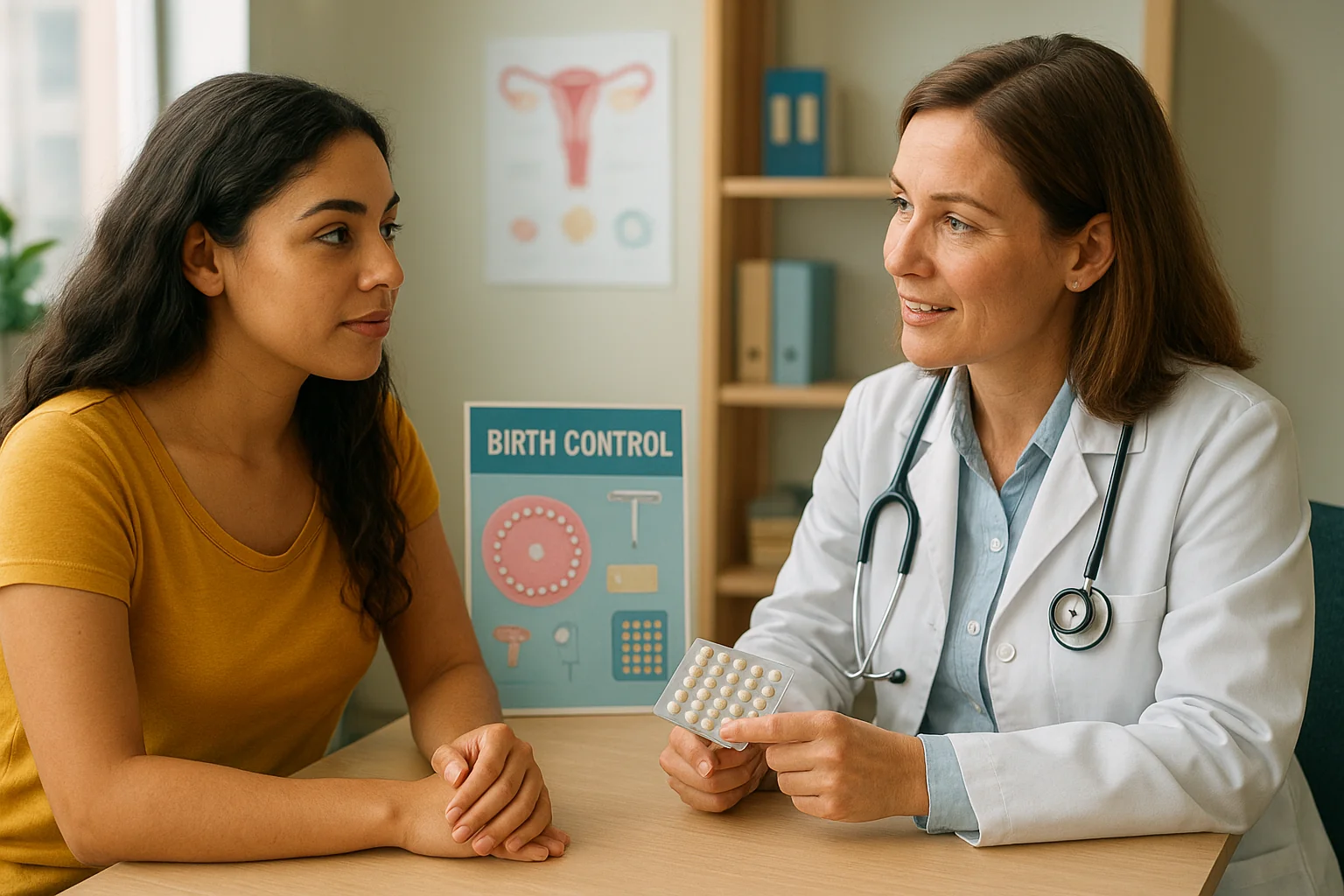
Women who are taking naltrexone need to carefully consider their birth control options because some contraceptives may be less effective.
What You’ll Learn:
- What types of contraceptives could be affected by naltrexone.
- How naltrexone impacts the effectiveness of hormonal contraceptives.
- What research shows about low dose naltrexone and female fertility.
- What female patients need to consider before taking naltrexone.
- Contraceptive alternatives that prevent pregnancy during naltrexone treatment.
- Why it’s vital to stop alcohol use prior to becoming pregnant.
The most common age for initial treatment for alcohol use disorder is 35-45 years old. However, the National Institutes of Health (NIH) notes that the peak for meeting the criteria for alcohol dependence is between the ages of 25 and 35 years old. And recent research shows that younger people are becoming more interested in reducing their alcohol intake or quitting entirely.
Combine that data with the fact that around 43% of people taking naltrexone are female, and it’s clear that a number of patients are within childbearing ages, including those that are over 40 years old. Many people have been told the chances of getting pregnant at the age of 40 or older is virtually impossible. That is a medical misconception that is now coming to light as maternal age continues to increase.
Any woman who has not reached menopause should use contraceptives to prevent an unwanted pregnancy, particularly women who are taking naltrexone. Why does this matter? Because naltrexone could impact the effectiveness of some contraceptives as well as a woman’s fertility.
What Types of Contraceptives Are Affected by Naltrexone
Today, contraceptives come in many forms. Fortunately, naltrexone drug interactions could play a role with hormonal birth control medications only, and even then it isn’t a direct interaction.
Some studies looking at low dose naltrexone found that the medication doesn’t change the mechanisms of hormonal birth control, but it can alter a woman’s hormone levels. Naltrexone works by blocking opioid receptors from exogenous opioids that come from outside the body and ones that are produced internally in the endogenous opioid system. The endogenous system is connected to the hypothalamic-pituitary-gonadal (HPG) axis that regulates female hormones.
Because hormone production can be affected, naltrexone has the potential to impact the effectiveness of hormonal birth control. More research is needed to study the medication interactions, but for now it’s recommended that women within childbearing years be made aware of the possibility.
What Female Patients Should Consider Before Taking Naltrexone
All patients need to consult with a qualified clinician to receive a naltrexone prescription. Part of the reason for this is so that the clinician can determine if there would be any drug interactions with medications you’re already taking.
Things that female patients need to keep in mind while talking to their clinician include:
Naltrexone Can Enhance Ovulation and Increase the Chance of Pregnancy: Naltrexone is being studied for a variety of purposes and female fertility is one of them. Early research has revealed that naltrexone can enhance ovulation and increase the chance of pregnancy, even in women with fertility issues. It improves hormone balance in women with PCOS, induces ovulation in women who have difficulty ovulating, lowers inflammation in patients with endometriosis and normalizes ovarian function.
If They Could Be Currently Pregnant: Taking naltrexone while pregnant isn’t advised because the FDA has categorized it as a Category C drug. That means the effects on the fetus are unknown so it’s best to avoid the medication during pregnancy.
Their Individual Chances of Getting Pregnant: Fertility does decline with age, but women are able to get pregnant until they reach menopause, which happens at the age of 51 on average. Studies show that within six months of well-timed unprotected sex:
- 34-36 year old women have a 56% chance of getting pregnant
- 37-39 year old women have a 46% chance of getting pregnant
- 40-45 year old women have a 28% chance of getting pregnant
Having a Backup Form of Birth Control: If you are taking hormonal contraceptives, it’s a good idea to use a backup form of birth control just to err on the side of caution.
Effective Forms of Birth Control That Can Be Used While Taking Naltrexone For Alcohol Use Disorder
Hormonal birth control pills may be less effective while taking naltrexone, but that’s just one form of contraceptive that can be used. Along with fertility awareness methods (tracking menstrual cycles to have an idea of when ovulation occurs) women taking naltrexone can use:
Abstinence
Abstinence is the only 100% surefire way to avoid becoming pregnant before, during and after naltrexone treatments.
Condoms
The most widely recommended type of contraceptive is condoms because they dramatically reduce the chance of both pregnancy and sexually transmitted illnesses (STIs). Just keep in mind that male condoms are around 87-98% effective while female condoms are 79-95% effective.
Diaphragms and Cervical Caps
A diaphragm as well as cervical caps cover the cervix to prevent sperm from entering. Both are made of silicone but are shaped differently and need to be left in for different lengths of time. Diaphragms should stay in six hours after sex while cervical caps can be left in for up to two days. For maximum protection, spermicides should also be used. You’ll need a prescription and doctor fitting to get a diaphragm or cervical cap that is 84% effective at preventing pregnancy.
Spermicides and Phexxi Gel
Two chemical-based options are spermicides and Phexxi gel. They are inserted into the vagina up to an hour before sex to prevent sperm from moving into the cervix and fertilizing an egg. These methods are 79-84% effective but could cause yeast infections or UTIs.
Sponges With Spermicide
Sponges that are treated with spermicide can be inserted prior to sex to create an additional barrier to the cervix. This method has a 78-86% rate of efficacy.
Copper IUD
Copper IUDs don’t rely on hormones to prevent pregnancy. Instead, the copper acts as a spermicide and also affects the uterine lining making it less hospitable for implantation. This is considered the best contraceptive at 99% effective.
Why Quitting Alcohol is a Good Idea If You Want to Expand Your Family in the Future
For all the women who do want to have a child in the future, using naltrexone to quit drinking is a very good idea. Even healthy women in their 20s only have a 25% chance of getting pregnant in a given menstrual cycle. Lifestyle choices play a role in fertility, and heavy alcohol consumption has consistently shown to have a negative effect. Women who drink heavily have a lower chance of getting pregnant regardless of their age.
Fetal alcohol syndrome (FAS) is also a major concern. Drinking while you’re pregnant can do serious damage to the developing fetus, affecting physical appearance, neurobehavioral conditions and the risk of mental disabilities. Any amount of alcohol consumption can impact the growing baby and lead to FAS.
If you want to quit drinking before trying to get pregnant or simply to live a healthier lifestyle for whatever is down the road, take our online Alcohol Use Assessment. It’s a free, fast and confidential way to find out if you’re a good candidate for naltrexone.