A 2 minute assessment to get a personalized mental health or alcohol recovery plan.

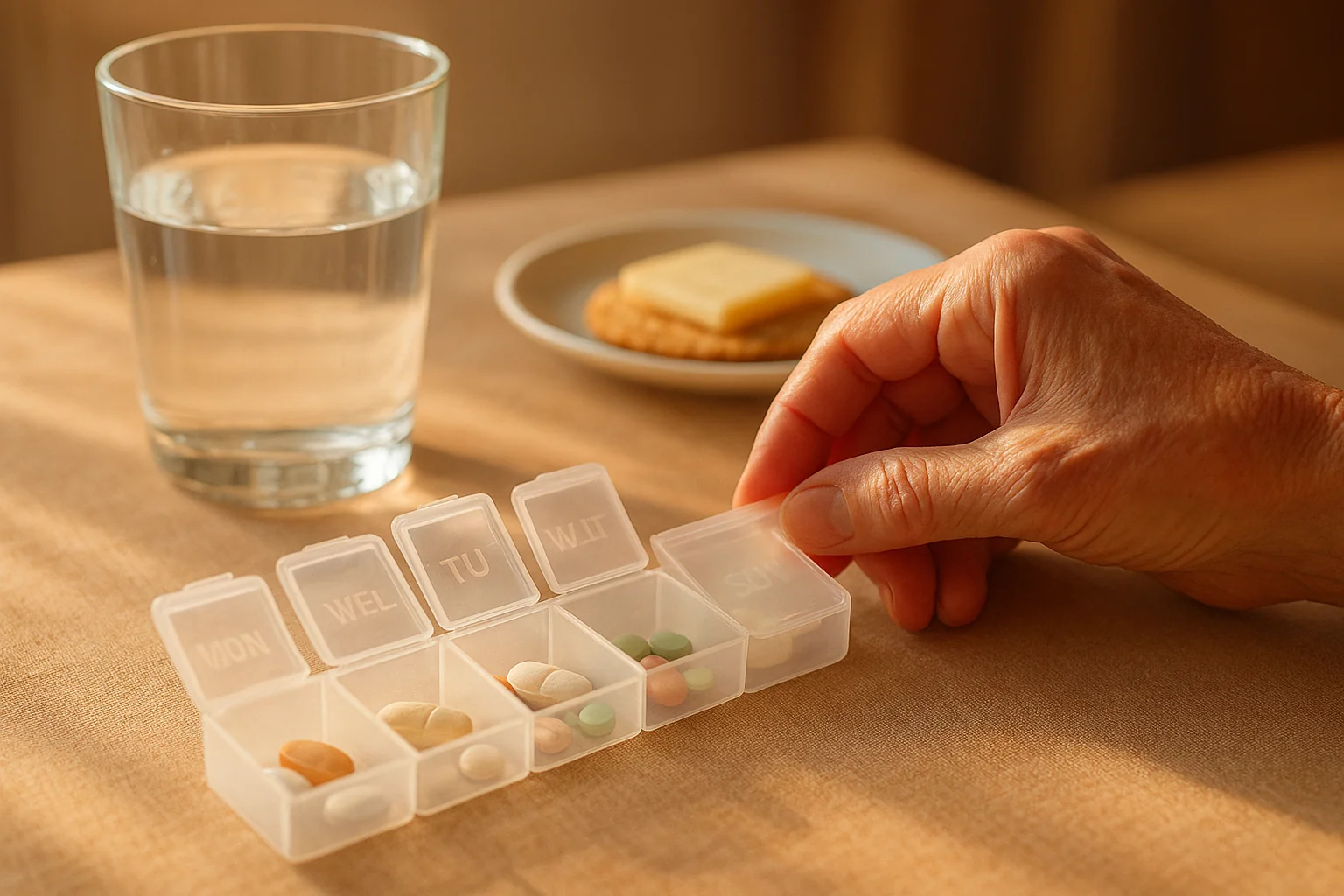
Any medication can have potential side effects, and it’s important to know which ones to watch out for when you begin taking naltrexone even if they are rare.
What You’ll Learn in This Guide:
- How naltrexone works as an alcohol treatment
- The most common naltrexone side effects
- Why nausea is the most common side effect
- Why naltrexone can cause constipation
- How naltrexone affects the liver
- How to minimize or avoid naltrexone side effects
- Who may experience naltrexone contraindications
- What naltrexone drug interactions people should be aware of prior to treatment
- The side effects vs. benefits of taking naltrexone for alcohol treatment
- Why working with an experienced clinician helps with side effects
- How to get started using prescription naltrexone to reduce alcohol use
If you’re considering naltrexone to help reduce alcohol consumption, it’s natural to wonder about side effects. Any kind of medication can come with side effects, but fortunately even the most common ones for naltrexone aren’t a problem for the majority of patients.
Most people tolerate naltrexone well, and when side effects do occur they’re usually mild and temporary. For many patients, side effects subside on their own within the first few days or weeks of treatment.
Understanding what’s normal and what isn’t can help you start taking naltrexone with confidence, not complications.
How Naltrexone Medication Works For Alcohol Treatment
Naltrexone is a medication commonly used to help people reduce alcohol cravings and drinking frequency.
When someone drinks alcohol, the brain releases endorphins. These chemicals activate opioid receptors and create feelings of pleasure once you start drinking. Naltrexone blocks those receptors that play a key role in reinforcing the use of alcohol.
Because of this mechanism that makes drinking less rewarding, naltrexone can help people:
- Decrease cravings over time
- Drink less often
- Reduce binge drinking episodes
- Maintain sobriety
For many people, this change happens gradually as their brain’s reward system remodulates and disassociates alcohol with the pleasurable effects.
Naltrexone is so effective it’s been approved by the FDA for alcohol use disorder since 1994 and is considered the gold standard for medication assisted treatment (MAT). Naltrexone is most often prescribed as a once-daily 50mg tablet, although dosing strategies may vary depending on treatment goals and patient response.
Doctors have been prescribing naltrexone safely for decades, and while the medication is generally well tolerated, a small percent of people experience side effects when they begin treatment.
Find out more about the mechanisms of naltrexone in this thorough article about how naltrexone works and the science behind it.
Common Naltrexone Side Effects - That Still Don’t Occur Often
It should be noted that most people experience mild side effects or none at all while taking naltrexone. When side effects do occur, the most commonly reported symptoms include:
- Nausea
- Headache
- Fatigue
- Dizziness
- Vomiting
- Anxiety or restlessness
- Sleep disturbances
- Abdominal discomfort
- Constipation or diarrhea
- Reduced appetite
These side effects are usually temporary and often improve as the body adjusts to the medication. Nausea is the most common side effect, affecting roughly 9–35% of people depending on dosage and the study population.
Starting at a lower dose and increasing gradually can significantly reduce the likelihood of uncomfortable symptoms.
You can get the full rundown of how likely side effects are and how to reduce them in our overview of the most common naltrexone side effects.
Naltrexone Nausea: The Most Common Side Effect
Nausea is usually the side effect people worry about most when starting naltrexone because it’s the most common one. Research suggests around 1 in 10 people taking naltrexone for alcohol use experience nausea.
Why Nausea Happens With Naltrexone
Even though the medication works primarily in the brain’s reward pathways, it can also affect opioid receptors in the digestive system, which may temporarily disrupt gut function.
Symptoms associated with naltrexone nausea include:
- Mild stomach discomfort
- Occasional nausea
- Reduced appetite
- Temporary queasiness soon after taking the pill
For most patients:
- Nausea is experienced during the first few days or weeks of treatment
- It improves as the body adapts to the naltrexone
- It can often be reduced with simple adjustments
Ways to Reduce Nausea When You’re Taking Naltrexone
Small changes can make a big difference for managing nausea. Many clinicians recommend:
Take naltrexone with food
Food helps buffer the stomach and reduce irritation.
Start with a lower dose
Some providers begin with 25 mg before increasing to the full dose.
Stay hydrated
Dehydration can worsen nausea and headaches.
Take the medication at night
Some patients prefer sleeping through the adjustment period to avoid discomfort.
These simple steps help many people stay comfortable while their body adapts to the medication. If nausea persists, your clinician may recommend adjusting your dosing schedule. It’s just one reason why it’s important to have a clinician guiding the treatment process.
For detailed information on preventing this side effect, check out our guide on Minimizing and Avoiding Naltrexone Nausea
Digestive Side Effects: Constipation and Stomach Changes
Some people notice mild digestive changes after they start taking naltrexone, particularly constipation. This is once again a symptom that occurs because opioid receptors in the digestive system can also be affected by the medication.
Naltrexone can slow movement in the gastrointestinal tract, especially when the medication is first introduced. When gut movement slows down it can cause:
- Fewer bowel movements
- Hard stools
- Bloating
- Mild abdominal discomfort
Like nausea, the resulting constipation is usually temporary and manageable. Ways to reduce this naltrexone side effect include:
- Drinking more water
- Consuming more dietary fiber
- Staying physically active
- Adjusting medication timing
Learn more with our complete rundown of Naltrexone Constipation: Causes and Solutions
Rare But Critical Naltrexone Side Effects
Serious side effects from naltrexone are rare, but it’s important to know what they are so you can discuss them with your healthcare provider.
Potential complications may include:
- Liver problems
- Allergic reactions
- Mood changes
You should seek out medical assistance if you experience symptoms such as:
- Yellowing of the skin or eyes
- Severe abdominal pain
- Persistent nausea or vomiting
- Dark urine
- Unusual fatigue
These reactions are uncommon, but they should always be evaluated by a medical professional. Because naltrexone is processed by the liver, clinicians may recommend baseline liver function tests before starting treatment.
Discover the facts about naltrexone liver effects.
Naltrexone Contraindications: Who Needs to be More Cautious
Naltrexone is safe for many people, but there are situations where it may not be recommended or the patient needs to be closely monitored due to contraindications.
There are medication contraindications for individuals who:
- Have acute hepatitis or liver failure
- Are currently dependent on opioid medications
- Have had a previous allergic reaction to naltrexone
Because naltrexone blocks opioid receptors, taking it while opioids are still in your system can trigger sudden withdrawal that’s a shock to the body. For this reason, patients must be opioid-free before starting treatment.
In some cases, conditions like stable liver disease or hepatitis may still allow for treatment if the response is carefully monitored by a clinician. Before taking prescription naltrexone, a clinician should review your medical history to determine whether the medication is appropriate and at what dosage.
Get vital detailed information from our discussion about Naltrexone Contraindications.
Naltrexone Drug Interactions: Why Taking Multiple Medications at Once Matters
Another reason professional guidance is important for managing side effects is that naltrexone can interact with certain medications. Drug interactions are always a concern no matter what type of medication you’re taking.
For example, it should generally not be used with opioid medications for pain management, because it blocks the receptors those drugs rely on. There are also medications that affect liver function and may need to be adjusted once you start taking naltrexone.
To learn what medications to watch out for, read our Naltrexone Drug Interactions guide.
Naltrexone vs GLP-1 Medication Side Effects
Recently, medications known as GLP-1 receptor agonists have received a lot of attention for their potential effects on alcohol cravings. Both types of medications can cause digestive side effects early in treatment, but they work through very different mechanisms.
While both medications can cause digestive side effects early in treatment, naltrexone has far more clinical evidence for alcohol use disorder. For most people wanting to reduce alcohol consumption today, naltrexone remains a first-line treatment option.
Read the full comparison on Naltrexone vs GLP-1 for Alcohol Use Disorder
Benefits vs. Side Effects of Naltrexone For Alcohol Use
Are the potential side effects of naltrexone worth it? For many people, the answer is a definitive yes.
Clinical studies have shown that naltrexone can help:
- Reduce heavy drinking days
- Increase abstinent days
- Decrease alcohol cravings
- Support long-term moderation goals
Because most side effects are mild and short-lived, many patients find that the potential benefits of naltrexone treatment far outweigh the initial adjustment period. Of course, every person’s situation is different, which is why working with a clinician is important for avoiding side effects that could hinder treatment.
Considering Naltrexone? Get Medical Support That Makes Reducing Alcohol Use Easier and Safer
Medication works best when it is part of a treatment plan that’s overseen by experienced clinicians who can provide guidance and reassurance. If you’re exploring ways to reduce alcohol use, professional guidance can make the process much more effective and sustainable.
At Choose Your Horizon, licensed medical professionals help patients determine whether naltrexone is the right option. Our treatment plans focus on:
- Safe medication management
- Evidence based care
- Personalized support
Before and during treatment you’ll work with a clinician who can:
- Evaluate your medical history
- Determine the right naltrexone dosage
- Monitor side effects
- Adjust treatment if needed
Many patients also benefit from combining naltrexone with behavioral strategies, counseling or coaching, which you can also receive through our Connect network of therapists.
Start Drinking Less Starting With an Alcohol Use Assessment
If you’re curious about whether naltrexone could help you reduce your drinking, the first step is understanding your current alcohol habits and drinking patterns.
At Choose Your Horizon, you can:
- Take a quick online Alcohol Use Assessment
- Consult with a licensed clinician online
- Get guidance on whether medication can support your goals
Our process is confidential, judgment-free and designed to help you make informed decisions that allow you to take control of your health.
Take the first step today by completing the Alcohol Use Assessment.