A 2 minute assessment to get a personalized mental health or alcohol recovery plan.

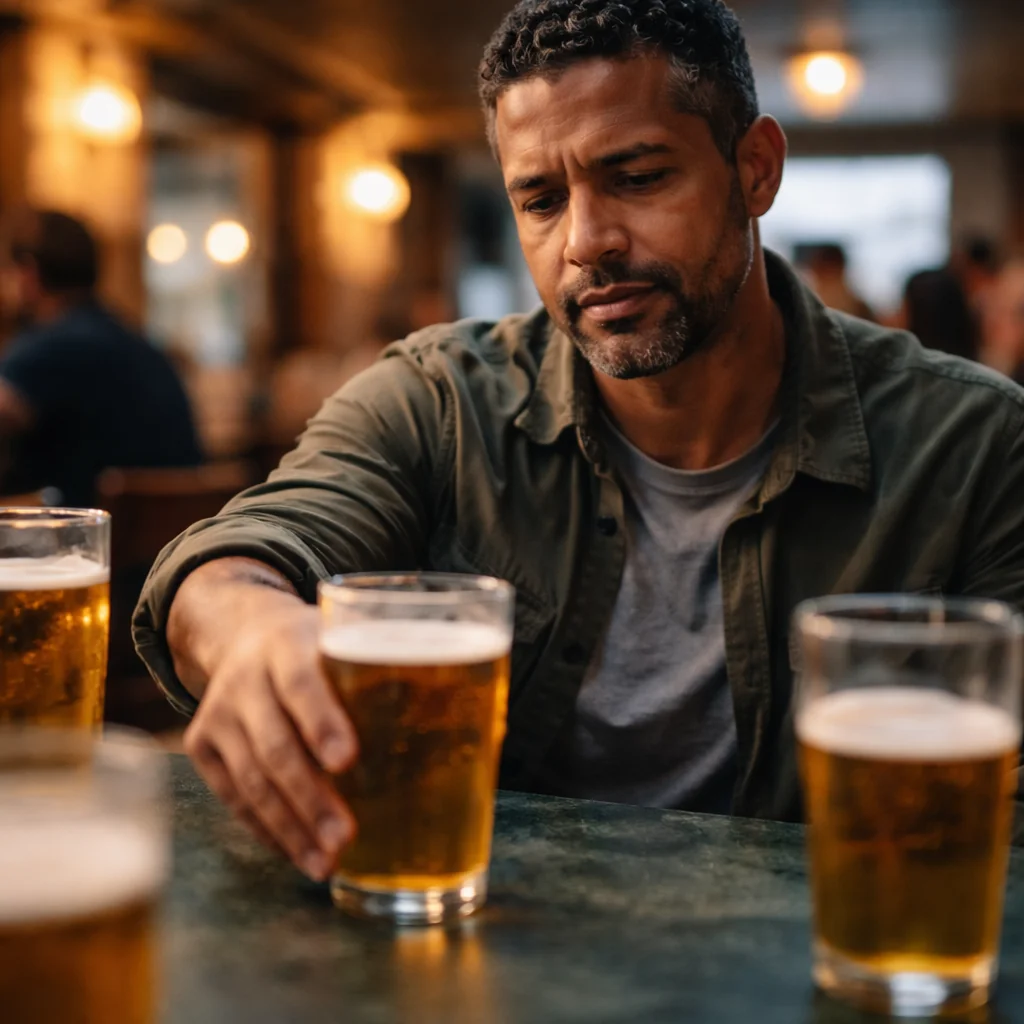
Beer is the drink Ozempic complicates most, because volume, carbonation, and a slower stomach were never a good combination, and naltrexone is the tool aimed at the habit itself.
What You'll Discover:
• Why carbonation and a slower stomach make beer uncomfortable on a GLP-1.
• What happens to your tolerance after two or three pints.
• How beer calories work against the reason you started the medication.
• Why bloating and reflux show up more than they used to.
• Whether the medication quiets the beer habit on its own.
• Where naltrexone fits for beer drinking specifically.
You started Ozempic for your weight or your blood sugar, and it is doing its job. The food noise is down, the numbers are moving.
Then Friday comes around and you are three pints in, feeling worse than you expected and fuller than you should.
Beer is the drink that changes most on a GLP-1, and not for the reason most people assume. It is not just the alcohol. It is the volume, the carbonation, and the pace.
Here is what actually shifts when beer meets a slower stomach, and what to do about the habit underneath it.
Why Beer Is the Hardest Drink on a GLP-1
Most articles treat all alcohol the same. Beer deserves its own conversation because of one thing: you drink a lot of it at once.
A standard beer is twelve ounces. A pint is sixteen. Three of those is close to half a liter of liquid, plus dissolved carbon dioxide, going into a stomach that is now emptying slowly.
Wine and spirits arrive in small pours. Beer arrives in volume, and volume is exactly what a GLP-1 makes your stomach less willing to handle.
Then there is sessionability. Beer is the drink people have five of over an evening, because each one is low enough in alcohol to justify the next.
That pattern was fine before. It runs straight into the medication now, because the stomach never gets a chance to clear before the next round lands.
We cover the same territory for the evening glass in our piece on GLP-1 medications and wine, though beer behaves differently enough to be worth its own look.
Carbonation Meets Delayed Gastric Emptying
The defining action of a GLP-1 is slowing how fast the stomach empties into the small intestine. That is a large part of how the medication controls appetite and blood sugar.
Research on the clinical consequences of delayed gastric emptying with GLP-1 medications shows the effect is real and measurable, though it varies quite a bit between people.
Now add carbonation. Beer carries dissolved carbon dioxide that comes out of solution once it hits body temperature, expanding as gas in the stomach.
Normally that gas moves on with everything else. On a GLP-1, it sits there longer, and so does the liquid it came in with.
The result is the tight, overfull, uncomfortable feeling a lot of people describe after two pints. It is not in your head, and it is not a sign that something is wrong.
It is just two things pushing the same direction. Slower exit plus expanding gas equals pressure.
Your Tolerance Is Lower Than It Was
The other thing beer drinkers notice is that three pints do the work four used to.
Part of that is mechanical. A classic study on the relation between alcohol absorption and gastric emptying found that how fast the stomach empties directly shapes how fast alcohol enters the bloodstream.
Slower emptying can actually delay the peak, which sounds protective. In practice it often means the effect arrives later and catches you off guard.
The bigger factor is that you are eating less. Beer on a light stomach hits harder and faster than the same beer after a full meal.
Put those together and the old pacing rules stop applying. The pint count that used to be your comfortable ceiling is now above it.
We break the tolerance shift down further in does Ozempic lower alcohol tolerance.
The Calorie Math Nobody Wants to Run
Then there is the part that works directly against the reason you started the medication.
A regular beer runs roughly 150 calories. An IPA can push past 200. Three or four on a Friday is a meal's worth of calories with no meal attached.
Alcohol also gets burned first. Research on the links between alcohol, dietary intake, and body weight notes that alcohol is energy dense, produces a weak fullness signal, and inhibits fat oxidation.
That last part matters most. While your body is clearing alcohol, fat burning is on pause, which is precisely the process the GLP-1 is working to accelerate.
Beer also tends to pull food along with it. Wings, fries, and late-night eating are part of the same pattern for a lot of people.
None of that erases the medication's benefit. It does act as a steady brake on it, week after week.
A Few Beers on Ozempic
Here is the quick picture of what tends to change when beer meets a GLP-1.
The pattern is consistent. A GLP-1 does not make beer dangerous, it makes beer less comfortable and less compatible with the goal.
Bloating, Reflux, and a Touchier Stomach
Gastrointestinal effects are the most common side effects of this class of medication. Nausea, fullness, and reflux top the list.
Beer aggravates every one of those. The carbonation adds pressure, the alcohol relaxes the valve at the top of the stomach, and the volume keeps things sitting.
If you have noticed heartburn showing up on beer nights that never used to bother you, that is the interaction rather than a new condition.
The practical fixes are unglamorous but they work. Slower pace, water between drinks, food in the stomach first, and fewer rounds.
Smaller servings help more than people expect. A twelve ounce bottle instead of a sixteen ounce pint cuts a third of the volume without changing the ritual much.
And if the discomfort is persistent rather than occasional, that belongs in a conversation with your prescriber rather than a workaround.
Blood Sugar Deserves a Mention
There is a quieter risk that beer drinkers in particular should know about.
Alcohol tells the liver to pause its usual job of releasing glucose. A GLP-1 is already working to lower blood sugar.
Several beers on a light stomach can push someone lower than they expect, and the signs of a low look a lot like being tired or a little drunk.
For anyone also taking medication for diabetes, this moves from a footnote to a real conversation with a prescriber.
The general safety picture is broader than this one point, and we walk through it in our guide to Ozempic and alcohol.
Does Ozempic Quiet the Beer Habit
Plenty of people on a GLP-1 report wanting alcohol less, and there is early science suggesting the medication touches shared reward pathways.
But beer drinkers often report the opposite experience from wine drinkers. The habit survives, even when the appetite for food drops off.
Part of the reason is that beer drinking is usually social and situational. It is the game, the patio, the round at the bar, the thing your hands do while you talk.
A medication that turns down appetite does not touch that. The pull is coming from the setting and the routine, not from hunger.
So some people find the beer loses its appeal on its own. Others find they are eating less and drinking exactly the same, which is a common and frustrating combination.
Either way, the medication was never designed for that job, and no GLP-1 is FDA-approved for alcohol use disorder.
Where Naltrexone Fits for the Beer Habit
This is the gap naltrexone was built for, and beer is close to the ideal case for it.
Naltrexone is a once-daily 50mg tablet that works by blocking the opioid receptors that release the reward alcohol produces in the brain.
That matters for beer specifically because of how beer drinking works. The problem is rarely the first pint. It is that the first pint makes the second one automatic.
With the reward turned down, that priming effect fades. People report stopping at one or two where five used to be the default without deciding anything.
It also fits the way beer drinking actually happens. You can take naltrexone daily, or about an hour before a game or a night out, for a more targeted approach.
We go deeper into how this plays out at the bar in naltrexone for beer drinkers.
Two Medications, Two Different Jobs
It helps to stop thinking of these as competing options and start seeing them as tools aimed at different problems.
A GLP-1 handles appetite, weight, and blood sugar. Any effect on drinking is a bonus that shows up for some people and not others.
Naltrexone is FDA-approved for alcohol use disorder. Reducing drinking is its main job, backed by decades of clinical, neurological, and behavioral science.
Some people use both together under physician supervision, and Choose Your Horizon supports either path. The combination is a clinical decision made with a prescriber.
For a lot of people that combination is the honest answer, because the weight goal and the beer habit are two separate things that happen to share a person.
What makes it work is oversight, since both medications can affect the stomach and both need someone watching how they land together.
Practical Rules That Actually Help
If you are going to keep drinking beer on a GLP-1, a few small adjustments make a bigger difference than willpower does.
Eat something first. Beer on a light stomach hits harder, drops blood sugar further, and sits worse than beer after food.
Downshift the container. Bottles instead of pints, and lighter beers instead of heavy IPAs, cut both the volume and the calories without ending the ritual.
Alternate with water. It slows the pace, keeps you ahead of dehydration, and gives your stomach room between rounds.
Decide the number before you arrive. Beer drinking rarely goes off the rails at the start, it drifts, and a number set in advance is easier to hold than one negotiated at the bar.
And pay attention to the dose weeks. The days right after a dose increase are usually when the stomach is least forgiving, so those are the nights to go light.
Conclusion
Beer is the drink that changes most on Ozempic. The volume, the carbonation, and the pace all run against a stomach that is now emptying slowly.
Your tolerance is lower than it was, the calories work against your goal, and the reflux and bloating are real rather than imagined.
The medication may quietly reduce your interest in beer, or it may leave the Friday routine completely intact. It was never built to do that job.
If the beer habit is the thing you actually want to change, naltrexone is the tool aimed directly at it, and it can sit alongside a GLP-1 under a physician's guidance.
You do not need a crisis to look into this. Wanting the pints to stop running the weekend is reason enough.
Frequently Asked Questions
Can you drink beer while taking Ozempic?
Most people can drink occasionally, though beer tends to be less comfortable than it was. Expect more fullness, lower tolerance, and a higher chance of reflux.
Why does beer make me so bloated on Ozempic?
The medication slows how fast your stomach empties, so the liquid and the carbonation both sit longer. That combination produces pressure and fullness faster than it used to.
Does beer stop Ozempic from working?
It does not block the medication, but it works against the goal. Beer adds calories and your body pauses fat burning while it clears alcohol.
How many beers can I have on a GLP-1?
There is no set number, and your old ceiling is probably too high now. Go slower than your habit suggests, eat first, and check with your prescriber about your situation.
Does Ozempic reduce beer cravings?
Some people find beer loses its appeal, but many find the habit untouched, especially when it is social. The evidence is still emerging and no GLP-1 is approved for alcohol.
Can I take naltrexone and Ozempic together?
Often yes, under physician supervision, since they target different systems. Naltrexone works on the drive to keep drinking, while a GLP-1 works on appetite and blood sugar.
Whether the medication has quieted the beer or left the Friday routine exactly where it was, you get to decide what the next round looks like.
Take the online Alcohol Use Assessment to see if naltrexone could be a good fit for you.