A 2 minute assessment to get a personalized mental health or alcohol recovery plan.

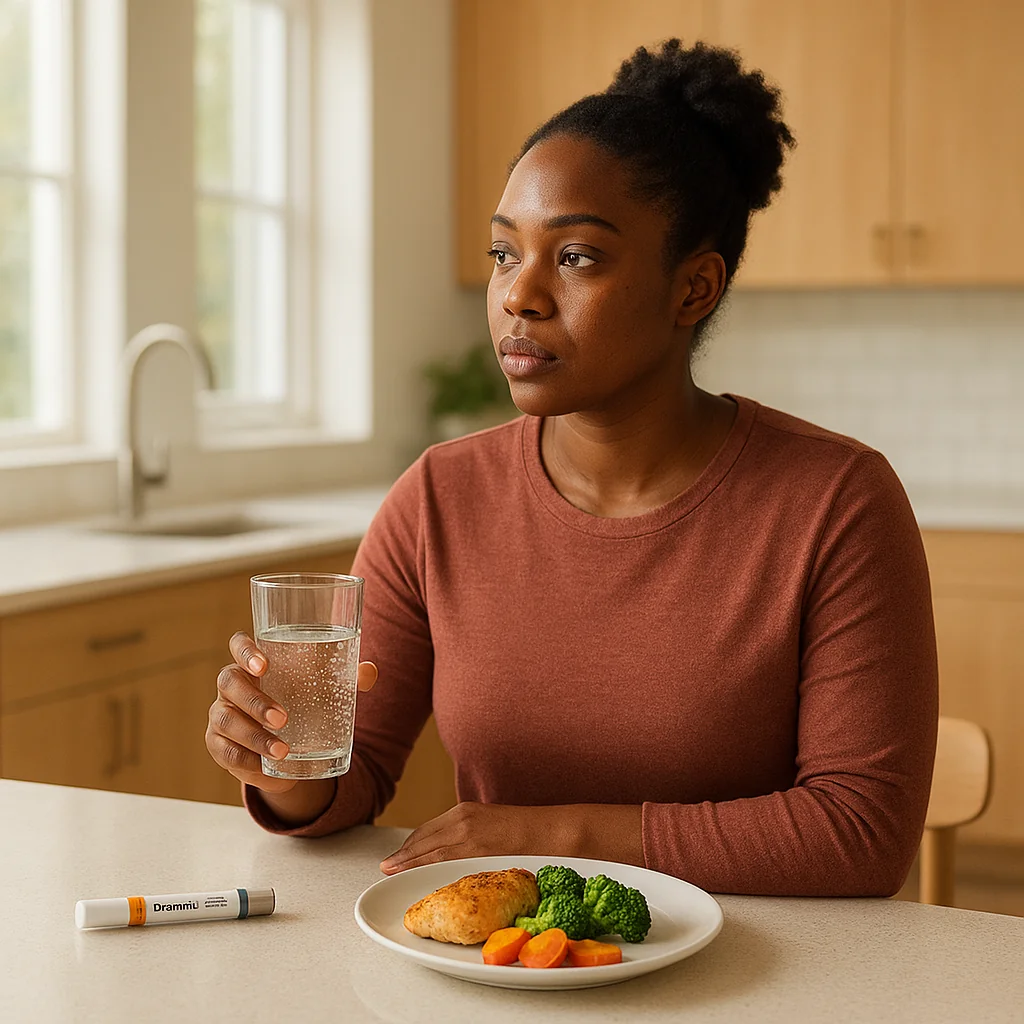
A lot of people on Ozempic notice that alcohol hits harder and faster, and there are a few clear reasons why that happens.
What You'll Discover:
• Why slowed digestion can make drinks feel stronger.
• How eating less and losing weight change your tolerance.
• What semaglutide does in the brain around alcohol.
• The blood sugar safety angle worth knowing.
• Where naltrexone fits if your goal is drinking less.
If you started Ozempic and noticed that one glass of wine hits like two, you are not alone. Plenty of people report feeling drunk faster, and that their usual amount now feels like too much.
So does Ozempic lower your alcohol tolerance? In a practical sense, for many people, yes.
The medication does not change the alcohol in your glass. But it changes how your body takes it in and how your brain responds to it.
That shift is mostly harmless and sometimes even useful. It is still worth understanding so you can drink, or not, with your eyes open.
Ozempic is a brand of semaglutide, a GLP-1 medication. The same effects show up across this drug class, so this applies whether you are on Ozempic or another semaglutide product.
First, What People Actually Notice
The most common report is simple. Drinks seem to hit faster and harder than they used to.
A second pattern is just as common. People find they want alcohol less, or feel satisfied after one drink when they used to have three.
A third is less pleasant. Some people feel rougher than before, with more nausea during or after drinking.
All three of these trace back to the same handful of mechanisms. Let's go through them one at a time.
Why This Is Suddenly Such a Common Story
A few years ago, almost no one talked about Ozempic and alcohol. Now it comes up constantly, and there is a simple reason.
GLP-1 medications went from niche to everywhere. Millions of people are now on semaglutide for diabetes or weight, so the alcohol effects show up everywhere too.
Many of those people kept drinking the way they always had, at least at first. So they noticed the change in real time, often at a single dinner or party.
The pattern was consistent enough that it caught researchers' attention. What started as scattered anecdotes turned into a serious line of study on GLP-1 drugs and drinking.
That is good news for anyone trying to make sense of their own experience. You are not the first to feel it, and the reasons are increasingly well understood.
The rest of this article breaks those reasons down. None of them are mysterious once you see how the medication works.
Slowed Digestion Makes Drinks Feel Stronger
The first reason is the simplest. Semaglutide slows how fast your stomach empties into your intestines.
That is part of how it helps with appetite and blood sugar. Food, and alcohol, sit in the stomach longer.
Alcohol absorption depends heavily on timing. Normally, alcohol moves into your small intestine and into your bloodstream fairly quickly, especially on an empty stomach.
Researchers studying semaglutide and alcohol note that slowed gastric emptying changes how alcohol is absorbed. It alters how your blood alcohol rises.
That altered rise can feel different. Combined with everything below, many people notice the effects more.
There is a second wrinkle. Alcohol sitting longer in the stomach can break down more, producing more of a byproduct called acetaldehyde.
Acetaldehyde is the compound behind a lot of hangover misery. For some people, a drink ends up feeling less pleasant, not just stronger.
If you want the practical do's and don'ts, our guide on whether you can drink alcohol on a GLP-1 walks through it.
Eating Less and Weight Change Shift Your Tolerance
The next reasons have nothing to do with the drug acting on alcohol directly. They are about the body changing around it.
Semaglutide curbs appetite, so people tend to eat less. Drinking on a lighter stomach means alcohol reaches your bloodstream faster and hits harder.
That alone can make a familiar amount feel like more. Skipping a meal before drinking, which is easy to do on this medication, amplifies it.
Weight loss matters too. Alcohol spreads through the water in your body.
As your body composition changes, the same number of drinks can produce a higher concentration. A smaller frame often means less tolerance.
Put together, eating less plus losing weight can quietly lower the amount of alcohol it takes to feel an effect. Many people read this as their tolerance dropping, and functionally that is what is happening.
This is also why pacing yourself the way you used to may no longer work. Your old "normal" was calibrated to a different body and a fuller stomach.
What Semaglutide Does in the Brain Around Alcohol
There is a deeper layer here, and it is part of why GLP-1 drugs have drawn so much research attention for drinking. They appear to act on the brain's reward system.
Alcohol's pull comes partly from dopamine release in the brain's reward pathway. That dopamine hit is a big part of why one drink leads to another.
Studies on semaglutide and alcohol drinking found it dampens alcohol's activation of that dopamine system in animals. It also showed effects on GABA signaling.
In plain terms, alcohol may simply feel less rewarding. The buzz that usually nudges you toward a second and third drink can be muted.
Real-world data points the same way. One large analysis found semaglutide was linked to lower rates of alcohol use disorder in people taking it, both new cases and recurrences.
This brain effect overlaps with feeling drunk faster, but it is not the same thing. One is about how strong alcohol feels, the other is about how much you want it.
We unpack the cravings side in our piece on whether GLP-1 medications reduce alcohol cravings. It is the natural next read if this part caught your interest.
Mechanism vs Effect on How Alcohol Hits
Here is a plain summary of the main mechanisms and what each one does to the way alcohol affects you. Your own experience may differ.
No single mechanism tells the whole story. For most people who feel a change, it is several of these stacking together.
That stacking is why the effect can feel surprisingly strong. Three or four small changes add up to a noticeable difference.
Is Feeling Drunk Faster a Bad Sign
It is natural to wonder whether a stronger reaction to alcohol means something is wrong. In most cases, it does not.
For the most part, this is just the predictable result of the mechanisms above. Slower digestion and a lighter stomach change how alcohol lands, and that is expected.
It is not a sign of liver trouble or an allergic reaction. It is the same alcohol behaving differently in a changed body.
There are a couple of exceptions worth knowing. If you feel severely ill, dizzy to the point of fainting, or notice symptoms of low blood sugar, that is worth attention.
Those situations are less about tolerance and more about safety, especially if you have diabetes. They deserve a call to your clinician.
For everyone else, feeling it faster is mostly a cue to adjust your habits. Smaller pours, slower pacing, and food go a long way.
Think of it as useful feedback from your body. It is telling you the old amount no longer fits, which is information you can act on.
The Safety Angle Worth Knowing
Feeling drunk faster is usually not dangerous on its own. But a few things are worth keeping in mind.
The biggest is blood sugar, especially if you take semaglutide for diabetes. Alcohol can push blood sugar in either direction.
A review on alcohol use in people with diabetes notes it can lead to dangerous lows. That risk is higher when you have not eaten enough.
Drinking less because alcohol now hits harder is generally a healthy outcome, not a problem. The concern is the reverse.
Drinking your old amount and being more impaired than you expect is the real risk. That is where accidents and bad decisions happen.
Nausea is another one. Semaglutide can already cause it, and alcohol can pile on, so a night out may leave you feeling rougher than before.
The simple safety moves are familiar ones. Eat something, go slower than you used to, and hydrate.
Do not drive based on how you "usually" handle a couple of drinks. If you have diabetes, watch your blood sugar closely around drinking.
Practical Tips If You Still Want to Drink
You do not have to quit drinking entirely just because alcohol hits differently now. Plenty of people simply adjust how they do it.
Start by recalibrating your sense of a "normal" amount. The pour that used to feel right may now be more than you want, so begin lower.
Eat before and while you drink. A meal slows absorption and softens the sharper, faster effect that semaglutide can create.
Hydrate alongside the alcohol. Alternating water with drinks helps with both the nausea and the next-day rough feeling.
Go slower than your old pace. Since the effect can build differently, give each drink time to land before deciding on another.
If you have diabetes, check your blood sugar around drinking. Alcohol can cause lows, and that risk deserves real attention.
And give yourself permission to stop early. Many people on a GLP-1 find they are satisfied with far less than before, which is not a bad thing.
Where Naltrexone Fits
GLP-1 medications were designed for blood sugar and weight. The alcohol effects are a side benefit researchers are still studying.
They look promising, but they are not an alcohol-specific treatment. If your real goal is to drink less or quit, there is a medication built precisely for that.
Naltrexone is FDA-approved for alcohol use disorder. The NIAAA overview of naltrexone treatment describes how a 50mg daily dose reduces craving by blocking the reward of drinking.
That is a more direct path than relying on a side effect of a weight or diabetes drug. Naltrexone targets the alcohol reward pathway on purpose.
The two are not rivals to pit against each other. If you are weighing the options, our comparison of naltrexone versus GLP-1 for alcohol use lays out where each one shines.
The point is simple. If alcohol hitting harder on Ozempic has you rethinking your drinking, there is an established tool made for exactly that goal.
It is also worth knowing that the two are not mutually exclusive. Some people on a GLP-1 still choose naltrexone when drinking is the thing they most want to change.
Does the Effect Last, or Does Tolerance Come Back?
A fair question is whether this is permanent. The honest answer is that it depends on which mechanism is driving it.
The digestion effect is tied to the medication being active. As long as semaglutide is slowing your stomach, that piece sticks around.
The weight and appetite changes are more lasting in a sense. If your body composition has shifted, your tolerance reflects the new you, not a temporary state.
The brain reward effect is the one researchers are still mapping. It may fade if you stop the medication, or it may help some people build new, lighter drinking habits that outlast it.
What this means in practice is simple. Do not assume your old tolerance will quietly return, and do not bank on the GLP-1 doing the heavy lifting forever.
If drinking less is a goal you want to hold onto, it helps to have a plan that does not depend on a side effect. That is where an alcohol-specific tool earns its place.
Habits matter too. Many people use this window, when alcohol already feels less appealing, to reset their relationship with it for good.
Conclusion
If you feel drunk faster on Ozempic, there is nothing wrong with you. Slowed digestion, a lighter stomach, weight loss, and changes in the brain's reward system all combine to lower your tolerance.
For most people this is harmless and sometimes a quiet nudge toward drinking less. The main cautions are blood sugar, extra nausea, and not driving on your old assumptions.
If cutting back on alcohol is the actual goal, you do not have to lean on a side effect to get there. Naltrexone is an FDA-approved, alcohol-specific option, and you do not need to hit a crisis point to look into it.
Seeing how the two relate is a good first step. We cover it in our guide to Ozempic and alcohol.
Frequently Asked Questions
Does Ozempic lower your alcohol tolerance?
For many people, functionally yes. It does not change the alcohol itself, but slowed digestion, eating less, and weight loss can make the same drinks feel stronger.
Why do I feel drunk faster on Ozempic?
Semaglutide slows how fast your stomach empties and tends to reduce how much you eat. Both let alcohol reach your bloodstream in a way that feels stronger or comes on differently.
Is it dangerous to drink alcohol on Ozempic?
Usually not in moderation, but watch your blood sugar if you have diabetes, since alcohol can cause lows. Expect more nausea, go slow, and do not drive on old assumptions.
Does Ozempic reduce alcohol cravings?
Research suggests semaglutide can make alcohol feel less rewarding and is linked to lower rates of alcohol use disorder. It is not FDA-approved for that purpose, though.
What medication is actually made for drinking less?
Naltrexone is FDA-approved for alcohol use disorder. It blocks the reward of drinking to reduce cravings, which is a more direct path than a side effect of a weight or diabetes drug.
Can I take naltrexone while on a GLP-1?
Many people do, since they treat different things. Talk to a clinician about your full medication list so they can confirm it fits your situation.
If you want to know whether naltrexone could be a good fit for your goals, take a quick, discreet online Alcohol Use Assessment to see if Choose Your Horizon's naltrexone program makes sense for you.