A 2 minute assessment to get a personalized mental health or alcohol recovery plan.

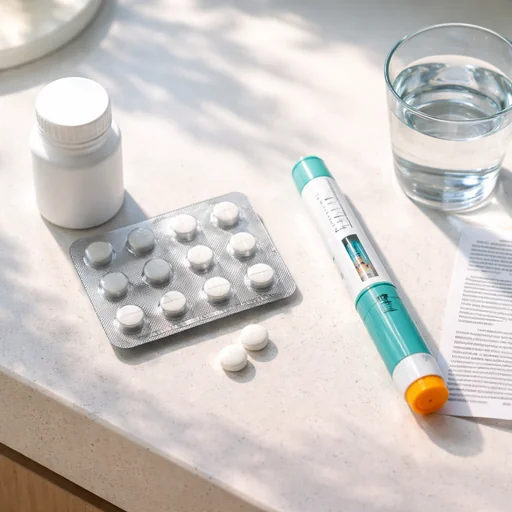
Ozempic became famous for weight loss, but something else started showing up in the data: people taking it were also drinking less. Here is what the science says about why.
What You'll Discover:
• What semaglutide (Ozempic) actually does in the body.
• Why drinking alcohol while taking semaglutide worsens side effects.
• The emerging research on GLP-1 medications and alcohol cravings.
• How semaglutide compares to FDA-approved alcohol use treatments.
• What to do if you want to reduce your drinking.
Ozempic has been in the news constantly for the past few years, first for weight loss, then for diabetes management, and more recently for something that many people noticed but did not expect: their desire to drink alcohol was going down. Patients started sharing this in online forums. Doctors started taking note. Researchers started studying it.
Understanding what is actually happening, what the evidence shows so far, and what it means for people who want to drink less takes more than a headline. Here is a clear-eyed look at Ozempic, alcohol, and where the science stands.
What Ozempic Is and Why It Matters for Alcohol
Ozempic is a brand name for semaglutide, a medication in the GLP-1 receptor agonist class. GLP-1 stands for glucagon-like peptide-1, a hormone naturally produced in the gut that plays a role in blood sugar regulation, appetite, and feelings of fullness. Semaglutide mimics this hormone.
The medication was originally developed for type 2 diabetes. Its effect on weight loss came later, as clinical trials showed significant reductions in body weight among people taking it. Wegovy, the same drug at a higher dose, was then approved specifically for weight management.
What researchers noticed along the way was that GLP-1 receptors exist not just in the digestive system but also in the brain, including in areas associated with the reward system. These are the same brain regions involved in alcohol craving and use. The National Institute on Alcohol Abuse and Alcoholism recognizes the role of brain reward pathways in alcohol use disorder, and GLP-1 receptors in those pathways have become an active area of research.
What Happens in Your Body When You Drink on Semaglutide
If you are currently taking Ozempic or semaglutide for any reason, drinking alcohol can make side effects significantly worse. This is not a dangerous drug interaction in the way that some medication-alcohol combinations are, but it is uncomfortable and worth understanding.
Semaglutide slows gastric emptying, the rate at which food and liquid move from your stomach into your small intestine. This is part of how it reduces appetite and stabilizes blood sugar. Alcohol interacts with this process in ways that tend to amplify nausea, vomiting, and GI discomfort. People who drink while on semaglutide often report much stronger nausea than they would expect from the amount they consumed.
Alcohol also affects blood sugar, often causing hypoglycemia several hours after drinking. Semaglutide already influences blood sugar regulation, so the combination can produce more significant drops than alcohol would cause on its own. If you are taking semaglutide for diabetes management specifically, this is especially worth being aware of.
The practical takeaway is straightforward: drinking while on semaglutide is not prohibited by most prescribers, but it tends to feel worse than drinking without it, and the GI side effects from both compound each other.
Why Semaglutide May Reduce Alcohol Cravings: The Mechanism
The more interesting question for many people is not whether semaglutide worsens drinking side effects, but whether it actually reduces the desire to drink in the first place.
The mechanism being studied involves GLP-1 receptors in the brain's mesolimbic dopamine system, the same reward pathway that alcohol activates. When you drink alcohol, dopamine is released in this system, producing the pleasurable reinforcement that creates craving. GLP-1 receptors in this region appear to modulate how strongly dopamine responds to rewards like alcohol and food.
When semaglutide activates these receptors, it may dampen the dopamine surge associated with drinking. The result, in theory, is that alcohol feels less rewarding, craving decreases, and people drink less. This is similar in principle to how naltrexone works, though the specific receptor mechanisms differ.
The anecdotal reports are consistent with this mechanism. People taking Ozempic for weight loss started noticing they were no longer reaching for a glass of wine at the end of the day, or that they could stop after one drink rather than three. These reports appeared across forums, social media, and eventually in physician offices worldwide. Our article on whether GLP-1 medications reduce alcohol cravings explores this in more detail.
What the Research Actually Shows Right Now
The honest summary is that the evidence is promising but early. There are animal studies showing clear reductions in alcohol intake with GLP-1 agonists. There are retrospective human studies suggesting people taking GLP-1 medications for diabetes or weight loss show lower rates of alcohol use disorder diagnoses. There are case reports and small clinical studies.
What does not yet exist is a large, randomized controlled trial specifically testing semaglutide as a treatment for alcohol use disorder in humans. That research is underway, but it has not been completed and peer-reviewed at the scale that would warrant calling semaglutide an established treatment for AUD.
This is an important distinction. The science is directionally positive. The anecdotal data is compelling. But the evidence base for semaglutide and alcohol use disorder is not yet at the level of medications that have been through decades of controlled trials. Our overview of the benefits of GLP-1 for reducing alcohol use covers the current state of evidence in more detail.
Ozempic vs. Naltrexone for Alcohol Use
For comparison: naltrexone has been FDA-approved for alcohol use disorder since 1994. A 2023 meta-analysis covering 118 clinical trials and over 20,000 participants established it as one of the most evidence-supported first-line treatments available. According to the National Institutes of Health StatPearls database, naltrexone works by blocking opioid receptors that mediate the rewarding effects of alcohol, directly reducing craving and the reinforcing pleasure of drinking.
Semaglutide does not have this track record yet for alcohol use disorder. It is not currently FDA-approved for that indication. That may change as research matures, but it is where things stand today.
This does not mean semaglutide has no role in alcohol treatment. Some clinicians are using GLP-1 medications as part of a broader treatment approach, particularly for people who also have weight management goals. Our comparison of naltrexone vs. GLP-1 for alcohol use disorder covers the practical differences between the two approaches.
For most people seeking help with alcohol use, naltrexone remains the most evidence-supported starting point. It has the clinical trials, the FDA approval, and a three-decade track record. Semaglutide is a promising emerging option, not a replacement.
What If You Are Already Taking Ozempic and Noticing Changes
If you are taking semaglutide for diabetes or weight loss and have noticed that you are drinking less, that is consistent with what many patients report. It may reflect the medication's effect on the brain reward system. It is worth mentioning to your prescriber, particularly if you have concerns about your alcohol use.
If you are drinking and experiencing significantly worse nausea or stomach symptoms than before starting semaglutide, that is also consistent with how the two interact. Reducing or eliminating alcohol while on semaglutide tends to improve GI tolerability of the medication overall.
What to Do If You Want to Drink Less
If your primary goal is to reduce your alcohol intake, the most direct path is to speak with a clinician who specializes in alcohol use. The NIAAA notes that effective treatments for alcohol use disorder are significantly underused, often because people do not know they are available or do not realize they qualify.
Naltrexone is frequently the first medication recommended given its evidence base. GLP-1 medications may be appropriate as part of a broader plan, particularly if weight management is also a goal. Understanding how naltrexone works is a good starting point if you are comparing your options.
If you would like to find out whether medication-assisted treatment for alcohol use could help you, you can take an online Alcohol Use Assessment to see if Choose Your Horizon's program is a good fit. The assessment is discreet, takes a few minutes, and is the first step toward talking with a clinician about your options.