




What You'll Discover:
- Why alcohol can make your ankles and lower legs swell.
- How to tell short-lived puffiness from swelling that needs a doctor.
- How liver, heart, and kidney problems can show up as ankle swelling.
- The red flags that need same-day care.
- Whether edema goes away if you stop drinking, and how long it takes.
- Simple ways to ease swelling at home.
You wake up after a wedding, a long dinner, or a weekend away, and your shoes feel tight. Your socks leave deep lines around your ankles. Your legs feel heavy.
Swollen ankles after drinking are more common than most people realize. Most of the time, the cause is a temporary mix of fluid shifts, salty food, and a lot of time on your feet.
Sometimes, though, swelling is a quieter sign of something that deserves attention. This post covers both, so you know what's normal and what isn't. For a closer look at the feet specifically, see our post on feet swelling from alcohol.
What Edema Actually Is
Edema is the medical word for swelling caused by extra fluid trapped in your body's tissues. It shows up most often in the feet, ankles, and lower legs.
That's because of gravity. When you stand or sit for a long time, fluid naturally drifts downward and pools in the lowest parts of your body.
According to the National Library of Medicine's MedlinePlus, foot, leg, and ankle swelling is common with long periods of standing, long flights or car rides, pregnancy, carrying extra weight, and getting older.
A quick test you may have seen is pressing a finger into the swollen area for a few seconds. If a dent stays behind, that's called pitting edema, and it means fluid is sitting in the tissue.
Why Your Ankles Swell After Drinking
Alcohol doesn't cause swelling through one single pathway. It's usually a combination of things that happen on the same night.
Fluid and Salt Shifts
Alcohol suppresses a hormone called vasopressin, which normally tells your kidneys to hold onto water. That's why you pee more when you drink, and why you can wake up thirsty and dehydrated.
Your body then works to restore its balance. At the same time, drinking often comes with salty food like fries, chips, pizza, or bar snacks, and salt makes your body hold onto extra water.
The combination can leave fluid sitting in the wrong places, and gravity sends a good share of it to your ankles.
Widened Blood Vessels
Alcohol relaxes and widens blood vessels. That's part of why your face can feel warm or flushed after a drink or two.
Wider vessels let more blood flow into your legs and feet. When that happens alongside hours of standing or sitting, more fluid can seep out of the small vessels and into the surrounding tissue.
Inflammation
Heavy drinking can stir up inflammation in the body. Inflamed tissue tends to hold more fluid, which can add to the puffy, heavy feeling in your legs the morning after.
Standing, Sitting, and Heat
Think about the settings where people tend to drink the most. Weddings, concerts, long dinners, flights, and summer barbecues all involve hours of standing, sitting still, or being in the heat.
Those settings cause swelling on their own, even without alcohol. Add drinks to the mix and the effect often adds up.
The good news is that this type of swelling usually improves when you put your feet up, move around, drink water, and give your body time to rebalance.
When Swelling Points to Something More
Short-lived swelling after a night out is one thing. Swelling that sticks around for days, keeps coming back, or comes with other symptoms is different.
A clinical overview of peripheral edema causes explains that heart failure and liver cirrhosis can both cause swelling in both legs. In those conditions, the body senses too little effective blood volume and holds onto salt and water.
Long-term heavy drinking can affect all three of the organs most involved in fluid balance: the liver, the heart, and the kidneys.
The Liver
Your liver makes a protein called albumin, which helps keep fluid inside your blood vessels. When the liver is badly scarred, it makes less albumin, and fluid leaks into tissues.
The National Institute of Diabetes and Digestive and Kidney Diseases lists swelling in the lower legs, ankles, or feet as a complication of cirrhosis. Fluid can also build up in the belly, which is called ascites.
Liver disease from alcohol often causes no symptoms early on. Our guide to alcohol-related liver problem symptoms covers the earlier, subtler signs worth knowing.
When swelling comes with yellow skin or eyes, a swollen belly, easy bruising, or confusion, it can signal advanced liver disease. Our article on signs of liver failure from alcohol explains those symptoms in detail.
The Heart, Including Alcohol-Related Cardiomyopathy
When the heart can't pump strongly, blood backs up in the veins, and fluid collects in the legs and ankles. This is one of the classic signs of heart failure.
Long-term heavy drinking can weaken the heart muscle directly. This is called alcohol-related cardiomyopathy. The heart chambers stretch and the muscle loses pumping strength.
Risk rises with heavy drinking over many years. The clinical overview notes that drinking about 80 grams of alcohol a day, roughly five to six standard drinks, for at least five years significantly raises the risk.
Symptoms can include breathlessness that gets worse over time, trouble breathing when lying flat, waking at night short of breath, and a racing or irregular heartbeat. Ankle swelling often shows up alongside those.
The Kidneys
Your kidneys control how much salt and water stay in your body. When they aren't working well, fluid can build up, and swelling in the legs can follow.
MedlinePlus lists kidney failure among the conditions where swollen legs can be a sign that there's too much fluid in the body.
The Veins and Blood Clots
Leg veins have small valves that keep blood moving back toward the heart. When those valves weaken, which becomes more common with age, blood pools in the legs and causes swelling that usually improves when you raise your legs.
A blood clot in a deep leg vein, called deep vein thrombosis (DVT), is different. It usually causes swelling in just one leg, often with pain, warmth, or redness. Long flights and long periods of sitting raise the risk.
Temporary Swelling vs. Swelling That Needs a Doctor
| Pattern | Likely Cause | What to Do |
|---|---|---|
| Both ankles puffy the morning after drinking, better by the next day | Fluid and salt shifts, widened vessels, time on your feet | Elevate, move, drink water, cut salt |
| Both ankles swell often and stay swollen for days | Possible liver, heart, kidney, or vein problem | Book a doctor visit soon |
| Swelling with breathlessness, especially lying down | Possible heart problem, including cardiomyopathy | Get medical care the same day |
| One leg swollen, painful, warm, or red | Possible blood clot (DVT) | Get medical care the same day |
| Swelling with yellow skin or eyes or a swollen belly | Possible advanced liver disease | Get medical care the same day |
Red Flags That Need Same-Day Care
Most ankle swelling isn't an emergency. These situations are the exceptions, and they deserve prompt attention.
Call 911 or go to the emergency room if you have:
- Shortness of breath or chest pain, especially pain that gets worse when you breathe in.
- Coughing up blood, fainting, or feeling suddenly lightheaded.
Get seen the same day if you have:
- New swelling in just one leg, especially with pain, warmth, or redness.
- Swelling with yellowing skin or eyes, a swollen belly, or confusion.
- Swelling with trouble breathing when lying flat, or waking up short of breath.
Shortness of breath with leg swelling can mean a clot has traveled to the lungs or that the heart is struggling. Neither is something to wait out.
If you drink heavily every day and are thinking about stopping, talk with a clinician first. Stopping suddenly after long-term heavy drinking can cause dangerous withdrawal, and medical support makes it safer.
Will Edema Go Away If You Stop Drinking
For the short-lived kind of swelling, yes. Once the salt, fluid shifts, and long hours on your feet are behind you, your body usually clears the extra fluid on its own.
If the same pattern happens every time you drink, cutting back often means the swelling shows up less, or not at all.
When swelling comes from organ damage, the answer depends on the cause and how far it has gone.
Heart. The cardiomyopathy overview notes that alcohol's effect on the heart muscle is reversible at first. With long-term continued drinking, the damage can become permanent. That's why stopping or sharply cutting back early matters so much.
Liver. Stopping alcohol is one of the most important steps for protecting a damaged liver and preventing further harm. Some changes can improve, while advanced scarring may not fully reverse. A doctor can tell you where you stand.
Kidneys and veins. Swelling from these causes usually needs its own treatment, and improvement depends on the underlying condition.
There's no single timeline that fits everyone. The most useful step is a checkup, ideally including blood work, so you know what's driving the swelling.
What Helps Swelling at Home
For mild swelling without any red flags, a few simple steps can make a real difference.
Raise your legs. Prop your feet up above the level of your heart a few times a day, and when you're resting at night. Gravity works in your favor this way.
Keep moving. Walking and flexing your ankles help your calf muscles pump fluid back toward your heart. On long flights or drives, take regular breaks.
Go easy on salt. Cutting back on salty food, especially on nights when you drink, reduces how much water your body holds.
Drink water. It sounds backward, but staying hydrated helps your body rebalance. Alternating alcoholic drinks with water also slows your pace. Our guide to hydration and alcohol has more practical tips.
Skip the guesswork with water pills. MedlinePlus notes that home care should come first for swelling that isn't tied to a serious condition, and that prescription diuretics can have side effects. Don't take them without a doctor's advice.
When Swelling Is a Signal to Look at Your Drinking
Swollen ankles aren't a verdict on you. But if they keep showing up after drinking, they're a useful nudge to take stock.
For many people, cutting back is enough to make the swelling settle and to protect the liver and heart over the long term. Others decide that taking a break or quitting fits their goals better. Both are valid choices.
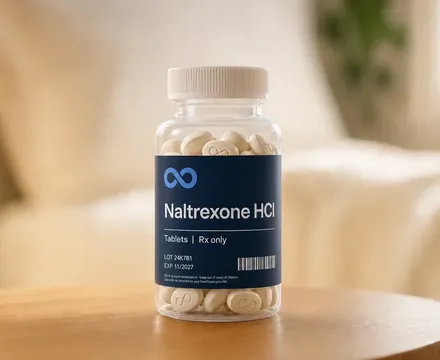
If cutting back has been harder than you expected, that's common, and there's no need to tough it out alone. Naltrexone is an FDA-approved medication that reduces the reward from drinking, which makes it easier to stop after one or two.
Choose Your Horizon combines physician-prescribed naltrexone with coaching and tracking in an integrated solution that's 100% online and available in all 50 states. It works whether your goal is drinking less or not drinking at all.
The Bottom Line
Swollen ankles after drinking usually come from a mix of fluid shifts, salty food, widened blood vessels, and long hours on your feet. That kind of swelling tends to settle on its own within a day or so.
Swelling that lingers, keeps coming back, affects one leg, or arrives with breathlessness, yellow skin, or a swollen belly is different. Those signs deserve medical attention, sometimes the same day.
Your body is giving you useful information. Paying attention to it, getting checked when something feels off, and asking for support with drinking if you want it are all signs of taking good care of yourself.
Frequently Asked Questions
Why do my ankles swell when I drink alcohol?
Alcohol changes how your body handles fluid and salt, and it widens blood vessels. Combined with salty food and hours on your feet, fluid pools in your ankles.
How long does ankle swelling from alcohol last?
Short-lived swelling after drinking usually improves within a day or so, especially if you elevate your legs, move around, and drink water. Swelling that lasts for days should be checked by a doctor.
Will edema go away if I stop drinking?
Swelling from a night of drinking clears on its own. Swelling from liver, heart, or kidney damage depends on the cause, and stopping alcohol early gives the heart and liver their best chance to recover.
Can swollen ankles be a sign of liver damage?
Yes. Cirrhosis can cause swelling in the lower legs, ankles, and feet, sometimes with fluid in the belly. A doctor can check your liver with a physical exam and blood tests.
When should I worry about swollen ankles?
Get same-day care for swelling in one leg with pain or redness, or swelling with breathlessness, yellow skin, or a swollen belly. Call 911 for chest pain or trouble breathing.
If you've noticed your drinking showing up in your body and want some support, you can start privately. Take the online Alcohol Use Assessment to see if Choose Your Horizon's integrated solution is a good fit for your goals.
A private, physician-led plan to drink less or quit.
Medication, coaching and support from home. A short assessment is the first step.
Start Assessment