A 2 minute assessment to get a personalized mental health or alcohol recovery plan.

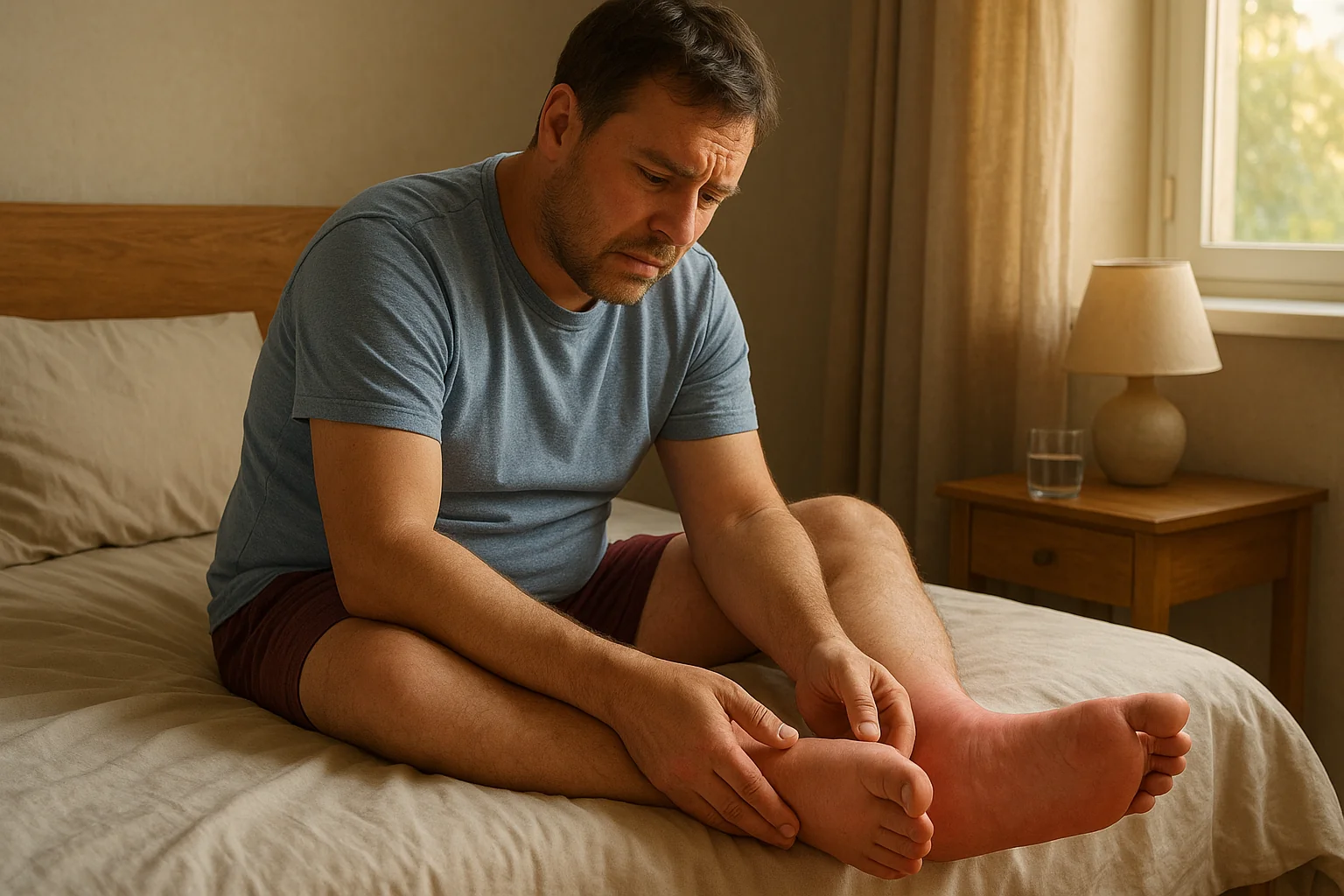
Feet swelling after drinking alcohol is called edema. It happens because alcohol causes dehydration, which triggers your body to retain fluid that pools in your feet and ankles. Occasional swelling usually resolves in a day or two. Persistent swelling may indicate liver damage.
What You'll Discover:
• Why alcohol causes feet and ankle swelling.
• The biological mechanisms behind alcohol-related edema.
• The difference between temporary and concerning swelling.
• When feet swelling signals liver problems.
• How to reduce swelling after drinking.
• What recurring foot swelling tells you about your drinking.
If you've woken up with swollen feet, ankles, or hands after a night of drinking, you've experienced alcohol-induced edema. Understanding why this happens helps you assess whether it's a minor inconvenience or a sign of something more serious.
Why Feet Swell After Drinking Alcohol
Feet swelling after drinking is a condition called peripheral edema. It occurs when excess fluid accumulates in the tissues of your lower extremities.
Alcohol triggers edema through several mechanisms. The dehydration from drinking leads your body to compensate by retaining extra fluid. This fluid tends to pool in your feet and ankles due to gravity, which constantly pulls fluids downward.
The swelling typically appears the morning after drinking and can persist for one to two days. For most occasional drinkers, the swelling resolves on its own as your body rebalances fluid levels.
However, if you experience severe or persistent swelling that doesn't resolve, this may indicate more serious health effects from alcohol.
The Mechanism Behind Alcohol-Related Swelling
Several biological processes contribute to feet swelling after drinking.
Dehydration and compensatory fluid retention - Alcohol suppresses antidiuretic hormone (ADH), also called vasopressin. This hormone normally tells your kidneys to retain water. With less ADH circulating, you urinate more than usual and become dehydrated.
As you become dehydrated, your body compensates by pulling water from cells into the bloodstream to maintain blood pressure. When you stop drinking and start rehydrating, your system may overcorrect and start retaining too much fluid. This fluid can accumulate in tissues, especially in lower extremities where gravity causes it to pool.
This explains why swelling often appears the morning after drinking rather than during drinking. The overcorrection happens during recovery.
Sodium retention - Alcohol affects how your kidneys handle sodium. Drinking leads to increased sodium retention, and sodium attracts water. Higher sodium levels in your body mean more water retention.
Research from the National Institutes of Health confirms that excess sodium retention is a primary driver of edema. Alcohol's effect on sodium balance directly contributes to swelling.
The salty foods often consumed while drinking compound this effect. Bar snacks, pizza, and other high-sodium foods add more salt that your body then retains along with water.
Blood vessel dilation - Alcohol causes blood vessels to expand (vasodilation). This widening of blood vessels allows more fluid to leak from capillaries into surrounding tissues. Expanded blood vessels in the legs and feet contribute to swelling in those areas.
This is also why some people notice flushing or warmth in their skin while drinking. The same vasodilation affecting feet also affects blood vessels throughout the body.
Reduced lymphatic function - Alcohol may impair the lymphatic system, which normally helps remove excess fluid from tissues. The lymphatic system acts like a drainage network, collecting excess fluid and returning it to the bloodstream. Reduced lymphatic drainage means fluid accumulates rather than being efficiently cleared.
Kidney function effects - According to NIH research, alcohol impacts kidney function in multiple ways. The kidneys play a central role in regulating fluid balance. When alcohol disrupts normal kidney function, fluid regulation becomes impaired.
Temporary Versus Persistent Swelling
The duration and severity of feet swelling after drinking provides important information about what's happening in your body.
Temporary swelling (1-2 days):
• Appears the morning after drinking
• Resolves within 24-48 hours
• Associated with single episodes of heavy drinking
• Reduces with hydration, rest, and elevation
• Generally not cause for immediate concern
• Disappears completely between drinking occasions
This type of swelling results from acute effects of alcohol on fluid balance. Your body recovers as you rehydrate and process the alcohol. While unpleasant, it typically doesn't indicate serious damage.
Persistent or recurring swelling:
• Lasts longer than 2-3 days
• Occurs regularly after drinking
• Worsens over time
• Doesn't fully resolve between drinking episodes
• May be accompanied by other symptoms
• Progressively takes longer to resolve
Persistent swelling warrants attention. It may indicate that alcohol is affecting your body in more serious ways, particularly impacting liver function.
Severe acute swelling:
• Significant swelling after drinking
• Accompanied by pain, redness, or warmth
• Affects one leg more than the other
• Occurs with shortness of breath
Severe acute swelling requires prompt medical evaluation to rule out blood clots or other serious conditions.
When Swelling Signals Liver Problems
The liver plays a critical role in managing fluid balance. When alcohol damages the liver, swelling often becomes a symptom.
According to medical literature, alcohol-associated liver disease can cause peripheral edema and abdominal swelling (ascites). This happens because liver damage affects multiple systems involved in fluid regulation.
How liver damage causes swelling:
Reduced albumin production - Your liver produces albumin, a protein that helps keep fluid in your bloodstream. Think of albumin as a sponge that holds water inside blood vessels. When liver function declines, albumin levels drop. Without sufficient albumin, fluid escapes from blood vessels into surrounding tissues, causing edema.
Portal hypertension - Liver damage can create increased pressure in the portal vein, which carries blood from the digestive system to the liver. This pressure forces fluid out of blood vessels and into tissues. Portal hypertension often causes fluid accumulation in the abdomen (ascites) as well as the legs and feet.
Impaired sodium regulation - A damaged liver struggles to regulate sodium properly. Patients with alcohol-induced liver cirrhosis show a strong tendency to retain salt, which drives significant fluid retention. This creates a cycle where the body keeps accumulating fluid.
Warning signs that swelling may indicate liver damage:
• Persistent swelling that doesn't resolve
• Abdominal swelling or bloating alongside feet swelling
• Yellowing of skin or eyes (jaundice)
• Easy bruising
• Fatigue that doesn't improve with rest
• Loss of appetite
• Dark urine or pale stools
• Spider-like blood vessels on the skin
If you experience these symptoms along with feet swelling, you should see a healthcare provider promptly. Liver damage from alcohol can be serious but is often reversible if caught early and drinking stops.
Other Factors That Contribute to Swelling
Alcohol-related feet swelling can be worsened by other factors.
Standing or sitting for long periods while drinking - If you spend hours standing at a bar or sitting at a table, gravity already promotes fluid pooling in your lower extremities. Adding alcohol's effects makes swelling worse. Moving around periodically helps.
Salty bar food - The sodium in pretzels, chips, peanuts, wings, and other bar snacks compounds alcohol's sodium retention effects. More sodium means more water retention. A high-sodium meal while drinking significantly increases next-day swelling.
Heat - Drinking in hot weather or in warm environments increases fluid loss through sweating while alcohol simultaneously causes fluid retention. The combination can worsen swelling and dehydration.
Medications - Some medications interact with alcohol to increase fluid retention. Blood pressure medications, corticosteroids, and NSAIDs (like ibuprofen) can all contribute to edema. Combining these with alcohol can amplify swelling.
Underlying health conditions - Heart disease, kidney problems, and venous insufficiency can all cause feet swelling. Alcohol exacerbates these underlying conditions. If you have any of these conditions, alcohol-related swelling may be more pronounced.
Amount consumed - More alcohol means more severe effects on fluid balance. A few drinks cause less swelling than a heavy drinking session. Binge drinking creates more dramatic fluid shifts than moderate consumption.
Frequency of drinking - Regular heavy drinking doesn't give your body time to fully recover between episodes. This can lead to progressively worsening swelling over time.
How to Reduce Swelling After Drinking
If you experience feet swelling after drinking, several approaches can help reduce it.
Elevate your feet - Raising your feet above heart level helps fluid drain back toward your center. Lie down and prop your feet on pillows for 15-30 minutes several times throughout the day. Gravity works both ways, and elevation uses it to reduce swelling.
Hydrate adequately - Drinking water helps your body restore normal fluid balance. Adequate hydration signals to your body that it can stop retaining excess fluid. Aim for clear or light yellow urine as an indicator of adequate hydration.
Reduce sodium intake - Avoid salty foods the day after drinking. Lower sodium intake helps your kidneys clear excess fluid. Choose fresh foods over processed options.
Move around - Light walking activates your calf muscles, which act as pumps to help move fluid back up your legs. Avoid sitting or standing in one position for long periods. Even brief movement helps.
Wear compression socks - Compression stockings apply gentle pressure that helps prevent fluid from pooling in your feet and ankles. They can speed resolution of existing swelling and prevent it from worsening.
Take breaks from sitting - If you're working at a desk, get up and move every 30-60 minutes to promote circulation.
Avoid alcohol - The most effective way to resolve alcohol-related swelling is to stop drinking and let your body recover. Continued drinking will perpetuate the swelling.
These approaches help with temporary swelling. If swelling persists despite these measures, medical evaluation is appropriate.
When to See a Doctor
Feet swelling after drinking usually resolves on its own. However, certain situations warrant medical attention.
See a doctor if:
• Swelling doesn't resolve within 3 days
• One leg swells significantly more than the other (could indicate blood clot)
• Swelling is accompanied by shortness of breath
• You have chest pain along with swelling
• The skin over swollen areas is red, hot, or painful
• You notice abdominal swelling in addition to feet
• You develop jaundice (yellowing of skin or eyes)
• Swelling has worsened progressively over time
Sudden severe swelling in one leg could indicate deep vein thrombosis (DVT), a blood clot that requires immediate medical attention. This is especially concerning if accompanied by pain or warmth in the leg.
Persistent edema combined with other symptoms like fatigue, abdominal bloating, or jaundice suggests possible liver damage and needs evaluation.
What Feet Swelling Tells You About Your Drinking
Recurring feet swelling after drinking is your body sending a clear message. Even when the swelling resolves, its repeated occurrence indicates that alcohol is significantly affecting your body.
If you regularly experience feet swelling after drinking, consider:
• Your drinking may be affecting your liver function
• Your body is struggling to process the amount of alcohol you consume
• The physical effects of drinking are becoming noticeable
• Your relationship with alcohol may be worth examining
Many people dismiss symptoms like feet swelling as minor inconveniences. But these symptoms reflect real physiological stress that drinking places on your body.
For people whose drinking has become more than they intended, medication-assisted treatment with naltrexone offers an evidence-based approach to reduction.
Naltrexone blocks opioid receptors involved in alcohol's rewarding effects. When you drink while taking it, alcohol produces less pleasurable feeling. Over time, this weakens the reinforcement driving continued drinking.
The medication doesn't require abstinence. You can take naltrexone and continue drinking while consumption naturally decreases as the reward diminishes.
If physical symptoms like feet swelling have made you concerned about your drinking, addressing the drinking itself is more effective than managing individual symptoms.
Prevention: Reducing Swelling Before It Starts
If you choose to drink, certain practices can reduce the likelihood of feet swelling.
Drink less - The most effective prevention is consuming less alcohol. Moderate drinking produces less severe fluid imbalances than heavy drinking.
Stay hydrated throughout - Alternating alcoholic drinks with water helps maintain hydration and reduces the severity of fluid shifts.
Avoid salty snacks - Choosing lower-sodium foods while drinking reduces overall sodium intake that contributes to fluid retention.
Move periodically - If drinking in a setting where you're seated or standing for long periods, take breaks to walk around and keep circulation active.
Limit duration - Shorter drinking sessions generally produce less severe effects than all-day or all-night sessions.
These strategies reduce but don't eliminate the risk of swelling. The body still responds to alcohol through the mechanisms described above.
Conclusion
Feet swelling from alcohol is caused by dehydration, fluid retention, sodium retention, and blood vessel dilation. These effects combine to cause fluid to pool in your lower extremities.
Occasional swelling that resolves within a day or two is common after heavy drinking and usually not cause for alarm. However, persistent or recurring swelling, especially combined with other symptoms, may indicate alcohol-related liver damage.
Your body doesn't swell randomly. Feet swelling after drinking is a physical signal that alcohol is affecting you. If this signal appears regularly, listening to it may be more valuable than simply treating the symptom.
Take the online Alcohol Use Assessment to see if medication-assisted treatment could help you reduce drinking and address the root cause of alcohol-related symptoms.