


What You'll Discover:
- What the VA offers for alcohol care, including medication.
- What to know about wait times, eligibility, and getting started.
- Why some veterans add private telehealth, and what it can and can't do.
- How to ask the VA directly about records and benefits.
- How to keep VA and private care coordinated and safe.
- What the VA's new semaglutide trial means for veterans.
Some habits make perfect sense in uniform. A few beers to wind down after a long day. A drinking culture that helped bond a unit. After service, those same habits can start taking more than they give.
If that sounds familiar, you're far from alone. We look at how service shapes drinking in our article on drinking in the military.
This guide covers your options once you're ready to change your drinking. VA care, private telehealth, or both, and how to make them work together safely.
If you're in crisis or worried about a veteran, help is available right now. Dial 988 then press 1 to reach the Veterans Crisis Line, text 838255, or start a confidential online chat. It's free, private, and available 24/7.
What the VA Offers for Alcohol Care
The VA treats a wide range of drinking problems, and it sees a lot of them. According to a recent VA announcement, more than 400,000 veterans are currently diagnosed with alcohol use disorder.
The VA's substance use treatment services cover everything from unhealthy alcohol use to severe, life-threatening problems. What you're offered depends on what you need.
On the medication side, the VA offers medically managed detox to stop drinking safely, along with medicines that reduce cravings.
On the counseling side, options include short-term outpatient counseling, intensive outpatient treatment, marriage and family counseling, and self-help groups.
For people who need more structure, there's residential (live-in) care, plus continuing care and relapse prevention. The VA also offers specialized services for women veterans, returning combat veterans, and veterans experiencing homelessness.
The VA treats related conditions too, like PTSD and depression. That matters, because drinking rarely shows up on its own.
To get started, you apply for VA health care. If you already have a VA primary care provider, you can bring up your drinking with them directly. They can screen you and offer treatment and support.
If You're Not Enrolled in VA Health Care
Not every veteran is enrolled, and that doesn't close the door. If you've served in a combat zone, you may be able to get free, private counseling and an alcohol and drug assessment at one of the VA's 300 community Vet Centers.
You can do that even without VA health care benefits. It's a good starting point if you want to talk to someone who understands service before deciding anything else.
In a crisis, the VA is also clear that you can go directly to your nearest VA medical center. Your discharge status doesn't matter, and neither does whether you're enrolled.
The Access Realities
VA care is strong, but it's also a large system. How quickly you're seen depends on where you live and what kind of care you need, and wait times vary by facility and specialty.
The VA is transparent about this. Its Access to Care site publishes appointment wait times and availability by specialty for VA facilities, along with quality and patient satisfaction data.
It's worth checking your local numbers before you decide how to start. Some veterans find openings quickly, and others face a longer wait.
If the VA can't provide the care you need directly, you may be eligible for community care. That's care from a provider outside the VA, authorized and paid for by the VA. It has to be approved by the VA first, so ask your VA team.
The VA also offers its own telehealth, so some VA care can happen from home. Ask your care team whether telehealth fits your needs.
Talking to Your VA Provider About Drinking
Bringing up drinking can feel awkward, especially with a provider you usually see for other things. A little preparation makes it easier.
Be specific. Instead of "I drink a bit," try "I have four or five beers most nights, more on weekends." Clear numbers lead to clearer advice.
Say what you want, whether that's cutting back or stopping entirely. Then ask directly about medication options for drinking and whether telehealth visits are available for that care.
If it helps, bring someone you trust. And if the first answer doesn't fit your life, it's completely fine to ask what else is available.
Why Some Veterans Also Choose Private Telehealth
Some veterans use only VA care, and for many people that's a great choice. Others add a private telehealth option alongside it, or use one while they're getting set up with the VA.
The reasons are usually practical. Some want to start right away. Some prefer to keep alcohol care in a separate, private setting. Some live far from a VA facility or have schedules that make daytime appointments hard.
Private telehealth for alcohol is typically built around convenience. With Choose Your Horizon, you complete an online assessment and a physician reviews it, often within hours.
If naltrexone is a fit, it ships discreetly and usually arrives in two to three days. Care continues by message, with coaching and tracking along the way.
Our overview of telehealth alcohol treatment explains how online care works, from the first message to ongoing follow-up.
Private telehealth isn't the right setting for everything, though. If you drink heavily every day, you may need medically supervised detox, which the VA offers.
Seek emergency care right away for severe withdrawal symptoms like confusion, seizures, or hallucinations.
Privacy, Records, and Benefits
Many veterans worry about how alcohol treatment might affect a disability rating, benefits, a job, or a security clearance. Those are reasonable questions, and they deserve straight answers from the people who actually hold the records.
We can't tell you how VA records will be used in your specific situation, and no outside service can guarantee it either. So the best move is to ask the VA directly before you start.
The VA has a dedicated Privacy Service and privacy officers who handle questions and concerns about VA records. You can also make a Privacy Act request to see or correct VA records that contain your personal information.
It helps to write your questions down before you call, and to ask for answers in writing when you can. Clear answers make the next decision much easier.
If you hold a clearance or work in a regulated field, ask your security officer or HR team about any reporting rules that apply to you.
A private telehealth service keeps its own records, separate from your VA chart, so your VA team won't automatically see them. That separation cuts both ways, which brings us to coordination.
How Private Telehealth Can Complement VA Care
The goal isn't to pick a side. NIAAA's guide to telehealth options for alcohol treatment suggests you might put together a care plan that combines several options, from professional telehealth to online support groups.
For veterans, that could mean keeping primary care, PTSD care, and mental health care at the VA, while using private telehealth for alcohol-specific medication and check-ins.
To keep that combination safe:
- Tell your VA clinicians about every medication you take, including naltrexone from a private provider.
- Tell your private provider about every VA prescription, especially any opioid pain medication.
- Let your VA team know you take naltrexone before any surgery or dental work.
- Keep one up-to-date medication list and bring it to every visit.
- Keep your VA mental health and PTSD care going. Alcohol care tends to work best alongside it.
That opioid point matters most. Naltrexone blocks opioids, so it isn't used in people who currently take opioid medication. Anyone treating you for pain needs to know you take it.
Here's how the two options compare side by side.
| Factor | VA care | Private telehealth (such as Choose Your Horizon) |
|---|---|---|
| Access | Apply for VA health care, then see your primary care provider or a VA substance use clinic. Wait times vary by facility and specialty. | Online assessment with physician review often within hours. Medication ships discreetly in about two to three days. |
| Cost | Covered as VA health care. Copays may apply for care not connected to your service. | Self-pay with set plan pricing |
| Privacy | Part of your VA health record. Ask the VA directly how records are used and shared. | Kept in a separate private record, outside your VA chart. Share what your VA team needs to know. |
| Continuity | Same system as your VA primary care, PTSD, and mental health care | Available in all 50 states, so care follows any stateside move. Share your medication list with the VA. |
| Range of care | Detox, counseling, intensive outpatient, residential care, and medication options | Naltrexone with physician-guided care, coaching, and tracking |
PTSD, Service, and Drinking
Drinking among veterans often has deep roots. A review in NIAAA's research journal describes a disproportionate burden of co-occurring PTSD and alcohol use disorder among service members and veterans.
The authors point to factors tied to military service, including aspects of military culture, deployment, and trauma exposure. In other words, the drinking often makes sense in context, even when it's no longer helping.
If PTSD is part of your picture, keep that care going. Naltrexone works on alcohol's reward, not on trauma, so it fits best alongside PTSD treatment rather than in place of it.
Our guide to alcohol and PTSD goes deeper on how the two feed each other and what helps.
The VA Semaglutide Trial
In July 2026, the VA announced a clinical trial of semaglutide for alcohol use disorder. Semaglutide is a GLP-1 medication used to treat diabetes.
The trial will enroll more than 600 veterans ages 18 to 80 with moderate or severe alcohol use disorder at 18 VA medical centers. Participants get weekly injections of semaglutide or a placebo for 24 weeks, followed by a safety follow-up.
Researchers will track changes in drinking, health, and quality of life. Recruitment began on July 28, 2026, and interested veterans can contact their local VA medical center or search for the trial on ClinicalTrials.gov.
The VA is also clear that veterans shouldn't self-medicate with GLP-1 drugs or use them to replace other alcohol treatment, since proven treatments are already available.
We cover the trial in more detail in our breakdown of the VA GLP-1 alcohol trial. The bigger takeaway is encouraging. Medication for drinking is getting serious research attention inside the VA itself.
Where Naltrexone Fits
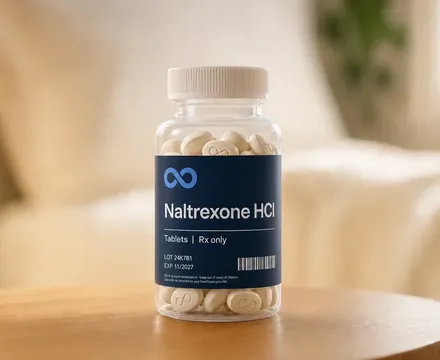
Naltrexone has been FDA-approved for alcohol use disorder since 1994. It blocks the brain's opioid receptors, which reduces the rewarding buzz from alcohol and the urge to keep drinking.
It works whether your goal is cutting back or quitting. You can take it daily, or about an hour before situations where you expect to drink.
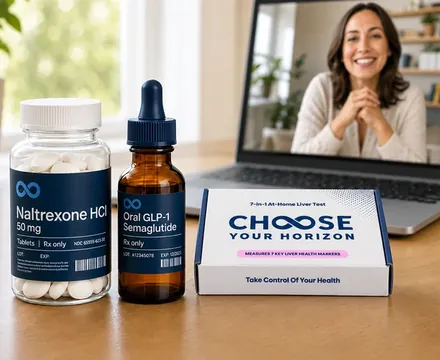
Choose Your Horizon pairs naltrexone with physician-guided care, coaching, and daily tracking. It's an integrated solution built on clinical, neurological, and behavioral science, available in all 50 states.
For some people, a GLP-1 medication may be another physician-guided option to discuss with a clinician.
Naltrexone's most common side effects are nausea, headache, dizziness, and fatigue, and they're usually mild. Liver tests are commonly done before starting and at intervals afterward.
A Simple Way to Get Started
You don't need to have everything figured out before you take a first step. Start with the piece that feels easiest.
If you're enrolled in VA health care, bring up your drinking at your next primary care visit, or ask about the VA's substance use services and telehealth options.
One easy first move is tracking your drinks for a week. It gives any clinician, VA or private, a clear picture to work with.
If you want to start privately, an online assessment takes a few minutes. Either way, keep your medication list current and share it with everyone who treats you.
The Bottom Line
The VA offers real, evidence-based help for drinking, including medication, counseling, and residential care, and it treats the PTSD and depression that often come with it. For many veterans, it's the right home base.
Some veterans also add private telehealth for speed, privacy, or convenience. That can work well, as long as every clinician knows about every medication and your other VA care continues.
Questions about records and benefits deserve direct answers, so ask the VA. And wanting to change your drinking is reason enough to reach out, whichever door you choose.
Frequently Asked Questions
Does the VA treat alcohol use disorder?
Yes. The VA offers care ranging from unhealthy alcohol use to severe problems, including medication, detox, outpatient and intensive outpatient counseling, and residential care.
Can I use private telehealth for alcohol while getting VA care?
Yes, the two can work together. Tell your VA clinicians about any medication a private provider prescribes, and tell your private provider about your VA prescriptions, especially opioid pain medication.
Will private alcohol treatment show up in my VA records?
A private provider keeps its own records, separate from your VA chart. For your safety, it's still best to tell your VA team about any medication you take.
How long does it take to get alcohol treatment at the VA?
It varies by location and type of care. The VA publishes wait times and availability by facility and specialty on its Access to Care website.
Can veterans join the VA semaglutide alcohol trial?
The trial is enrolling veterans ages 18 to 80 with moderate or severe alcohol use disorder at 18 VA medical centers. Contact your local VA medical center or search ClinicalTrials.gov.
What is the Veterans Crisis Line number?
Dial 988 then press 1, or text 838255. You can also chat online. It's free, confidential, and available 24/7.
If you're ready to look at your drinking, you can start privately and on your own schedule, alongside the VA care you already have. Take the online Alcohol Use Assessment to see if naltrexone could be a good fit for you.
A private, physician-led plan to drink less or quit.
Medication, coaching and support from home. A short assessment is the first step.
Start Assessment