


What You'll Discover:
- Why heat and alcohol make a long day in the sun harder on your body.
- What the CDC says about alcohol, boats, and swimming.
- Why fireworks and a few drinks are a risky pairing.
- A realistic plan for a Fourth that starts at 10am and ends after dark.
- What to do if the holiday shows you something about your drinking.
The Fourth of July might be the most American way to spend a day outside. A parade in the morning, a cooler by noon, burgers on the grill, a boat or a lake if you're lucky, and fireworks once it finally gets dark.
It's also one of the biggest drinking days of the year, and the reason isn't hard to spot. The day is long, it's hot, and somebody has a cold drink in hand from the first hour to the last.
None of that has to change for the day to go better. What changes is having a plan before the cooler opens, so the day you get is the day you actually wanted.
Why the Fourth Turns Into a Twelve-Hour Drinking Day
Most holidays have a natural shape. Thanksgiving has a meal and New Year's Eve has a countdown. The Fourth has a start time and an end time that can be twelve hours apart.
That length is the whole story. Two beers at a backyard party is a light afternoon. Two beers an hour from 11am until the fireworks is a completely different day.
Day drinking also doesn't register the way evening drinking does. In the sunshine, with food around and nobody dressed up, it feels casual. The count climbs anyway.
Then there's what's actually in the cooler. NIAAA notes that a regular 5% beer is one standard drink, while a 12-ounce beer at 10% alcohol counts as two. A cooler full of strong IPAs can double the math without anyone noticing.
If summer in general tends to run heavier for you, you're not imagining it. Our piece on why you drink more in summer breaks down the longer days, the patios, and the packed social calendar behind it.
Heat and Alcohol: Why the Sun Makes Everything Hit Harder
Heat and alcohol work on your body from two directions at once. The sun pulls water out through sweat, and alcohol pulls water out through your kidneys.
Here's how that second part works. According to NIAAA, alcohol suppresses vasopressin, a hormone that signals your kidneys to hold onto fluid. The result is more urination and more fluid loss.
On a 90-degree afternoon, that adds up. A cold beer feels refreshing going down, but it isn't doing the job a glass of water does.
We cover the details in our guide on whether beer dehydrates you, including why the answer depends on how strong the beer is and how many you have.
The research on alcohol and heat is more nuanced than most warnings suggest. A 2024 scoping review on alcohol and heat stress notes that alcohol is widely treated as a risk factor for heat-related harm.
That same review found that alcohol's direct effect on the body's cooling system is still poorly understood. Most of the experiments so far involved young, healthy men, moderate doses, and short stretches of heat.
That nuance points straight at the practical problem. A lot of the risk is behavioral. People drink beer instead of water, stay in the sun longer, and write off early warning signs as just being a little buzzed.
That last one is the real trap. Dizziness, headache, nausea, and feeling wiped out are early signs of heat exhaustion. They also happen to be what a few drinks in the sun feel like.
So when someone starts to fade, get them into the shade with water and something to eat. If they become confused, stop making sense, or seem to be getting worse, treat it as an emergency and call 911.
Boats, Lakes, and Pools: The Part Worth Taking Seriously
Water is where the Fourth's risks get real, and it's worth being direct about it.
The CDC reports that among adolescents and adults, alcohol is involved in up to 70% of deaths associated with water recreation like boating or swimming. It's also involved in about 1 in 5 reported boating deaths.
The reason is simple. The CDC explains that alcohol impairs balance, coordination, and judgment, and it increases risk-taking.
Those are exactly the skills you need for climbing off a boat, swimming out to a raft, or deciding whether the water looks too rough.
Life jackets are the other half of the story. Of the 658 boating-related deaths the U.S. Coast Guard reported in 2021, 81% were drownings, and 83% of those people weren't wearing a life jacket.
A few rules hold up well on the water:
- The person driving the boat doesn't drink. Boating under the influence is illegal in every state, just like driving a car.
- Kids and weak swimmers keep life jackets on all day, not just while the boat is moving.
- Nobody swims after drinking, especially in lakes and rivers where depth and current are hard to read.
- One sober adult is the official water watcher at every pool and dock, and the job rotates in shifts.
None of that kills the fun. It just puts the drinking on shore, where a misstep means a wet towel instead of an emergency.
Fireworks and Impaired Judgment
Fireworks are the grand finale for a reason. They're also explosives, handed out at the end of a day when plenty of people have been drinking since lunch.
Fireworks injuries cluster around the Fourth every year, and the stories tend to sound alike. Someone holds one too long, leans over a fuse that seems to have gone out, or lights something while showing off for a crowd.
Alcohol doesn't invent those mistakes, but it makes every one of them more likely. Slower reactions, worse coordination, and a bigger appetite for risk are the wrong mix around anything that goes off.
The simplest fix is assigning the job. The person lighting fireworks is the person who hasn't been drinking, the same way you'd hand someone the boat keys. Everyone else gets to sit back and enjoy the show.
And if your town puts on a professional display, that's the easiest upgrade of all. You get the best part of the night with zero risk and a better view.
The Default Fourth vs a Fourth With a Plan
None of this means skipping the fun. It means deciding a few things at breakfast instead of at 4pm, when every decision gets harder.
| The moment | The default Fourth | A Fourth with a plan |
|---|---|---|
| 10am, the cooler opens | First beer with breakfast, because it's a holiday | A big glass of water, real food, and a later start time like noon |
| Noon to 4pm in the sun | Roughly one drink an hour, and nobody's counting | Alternate every drink with water or seltzer, and pick lighter beers |
| On the boat or at the lake | Everyone's drinking, including the driver | A sober captain, life jackets on, and no swimming after drinks |
| The grill and dinner | Grazing all day, then a big meal late | Eat early and often, so alcohol isn't landing on an empty stomach |
| Fireworks after dark | Whoever's holding the lighter lights them | One sober adult runs fireworks, or everyone watches the town show |
A Realistic Plan for a Long Day in the Sun
The best plans for the Fourth are boring on paper and great in practice. They don't depend on willpower at 5pm, because they're set up before you leave the house.
Pick your number and your start time
Decide how many drinks you want before the day begins, and when the first one happens. A noon start instead of a 10am start trims two hours off the day without costing you anything worth remembering.
Make water the default
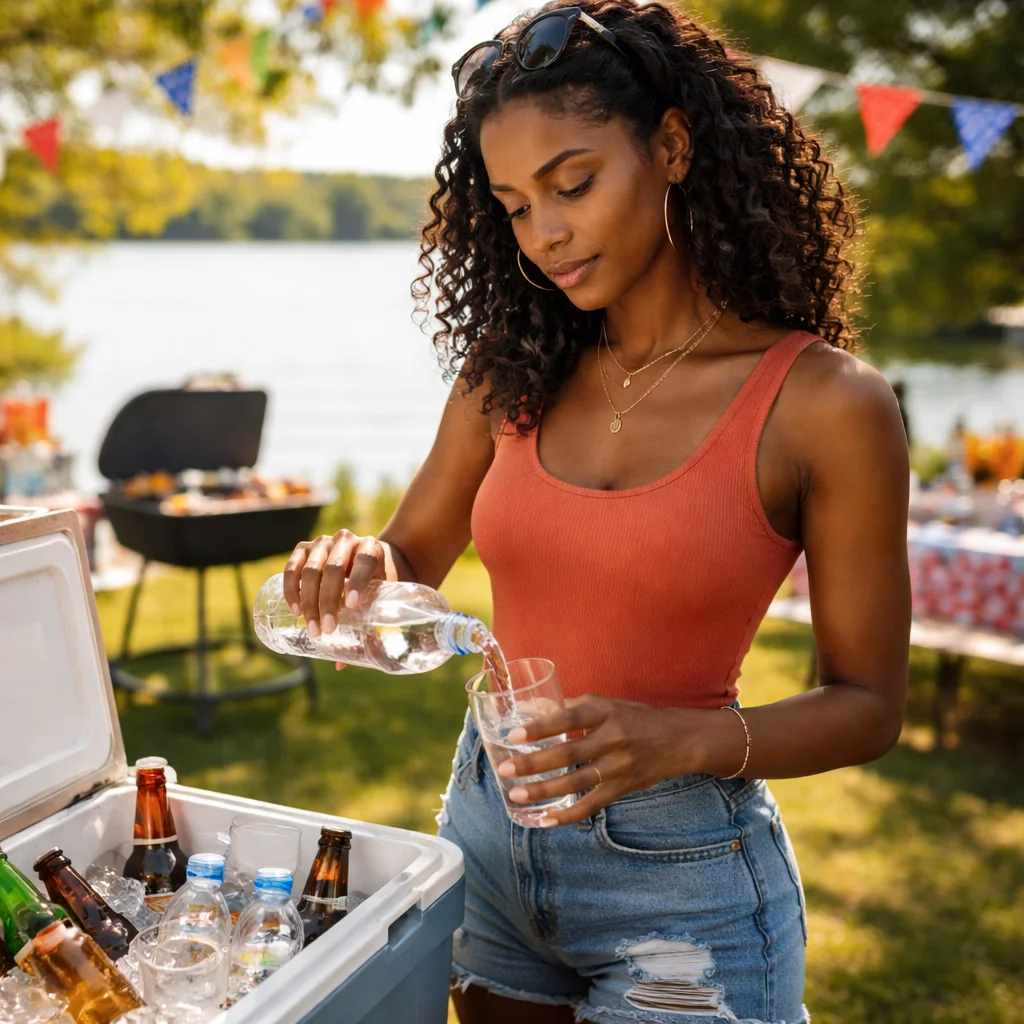
Bring your own drinks so you control what's in your hand. A cooler with as much sparkling water, iced tea, and lemonade as beer makes alternating easy instead of awkward.
A simple rule works well here. One full glass of water between every drink, and more whenever you're sitting in direct sun.
Choose lighter drinks for the long stretch
If you're drinking, a regular or light beer goes a lot further than a 9% IPA or a red cup of punch nobody measured. Save the stronger drink for the one you actually want to taste.
Build the day around more than the cooler
Yard games, a swim before anyone opens a drink, the walk to the parade, the grill. The more the day has going on, the less the cooler becomes the main event.
If being the person who's drinking less feels awkward at a big party, our guide on socializing without alcohol has practical lines and moves for exactly this kind of crowd.
Plan the exit before the fireworks
Figure out how everyone is getting home before the first drink. After the fireworks, roads are packed and patience is short, which is a bad combination for anyone who's been drinking.
If You're the One Hosting the Cookout
Hosts have more influence over the day than anyone else, and most of it comes down to setup. A few choices made the night before shape how the whole party drinks.
Put the non-alcoholic drinks front and center, in the same cooler and on the same ice as the beer. When the water and lemonade are just as cold and just as easy to grab, a lot of guests take them without thinking.
Keep food coming all day rather than saving everything for one big meal. Chips and a cooler at noon followed by burgers at 7pm is a long stretch of drinking on not much else.
Shade matters more than people expect. A canopy, a few umbrellas, or a spot under the trees keeps guests out of the direct sun, which makes a long afternoon easier on everyone.
Finally, be the host who asks about rides early. A quick "who's driving tonight" before the first round is a lot easier than the same conversation after the fireworks.
Doing the Fourth Without Drinking at All
Plenty of people spend the Fourth with no alcohol at all, and it's a surprisingly good holiday for it. You get the whole day, you actually remember the fireworks, and the fifth is just a normal good morning.
If a sober summer has been on your mind, our guide to a sober summer covers how to make the season feel bigger, not smaller.
Of course, cutting back and quitting are both reasonable goals. The point is choosing on purpose instead of letting a twelve-hour day choose for you.
When the Holiday Shows You Something
Sometimes the Fourth is just a great day. Other times you wake up on the fifth and realize it got away from you again, and that it's been happening more than you'd like.
That's useful information, not a verdict on who you are. Long, unstructured days strip away the usual limits and show what a habit does on its own.
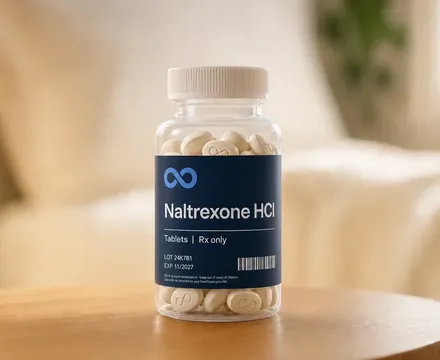
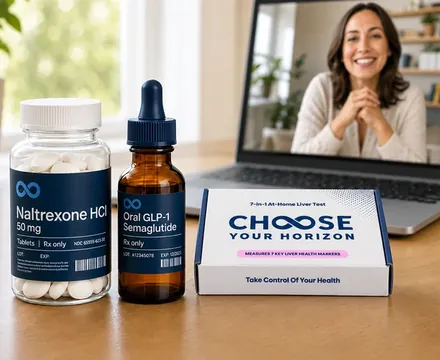
Medication can make a real difference here. Naltrexone is an oral 50mg tablet that dampens the reward signal alcohol triggers in the brain, which makes stopping after one or two feel much less like a fight.
Some people take it daily. Others take it about an hour before a day they know will run long, which makes a holiday like the Fourth a natural fit for that approach.
Whether it's right for you depends on your health history, your liver function, and your current medications, including any opioids. A physician makes that call, not a blog post.
Choose Your Horizon is an integrated solution built on clinical, neurological, and behavioral science. It brings together physician-guided care, coaching, and tracking, all online and all discreet.
Enjoy the Whole Day
The Fourth is long, hot, and full of water, and that's exactly what makes it great. It's also why the default version of the day is harder on your body than it looks.
Pick your number and your start time, keep water in your hand, keep the boat driver and the fireworks lighter sober, and know how you're getting home. Those few moves do most of the work.
And if the holiday has you thinking about your drinking more broadly, take that seriously without being hard on yourself. Nobody needs to hit rock bottom to want things to feel different.
Frequently Asked Questions
Does alcohol dehydrate you more in the heat?
Alcohol increases urination by suppressing a hormone that helps your kidneys hold onto fluid. In the heat you're also losing water through sweat, so the two add up quickly.
Is it illegal to drive a boat after drinking?
Yes. Boating under the influence is illegal in every state, the same as driving a car. The safest setup is a captain who doesn't drink at all.
Is it safe to swim after drinking?
It's riskier than most people assume. The CDC reports alcohol is involved in up to 70% of deaths tied to water recreation among adolescents and adults, so save the drinks for after the swim.
How can I drink less on the Fourth of July?
Pick a start time and a number before the day begins, alternate every drink with water, and stick with lighter drinks for the long afternoon. Planning the ride home helps too.
What are the signs of heat exhaustion?
Heavy sweating, dizziness, headache, nausea, and weakness are common early signs. If someone becomes confused or keeps getting worse, call 911.
What are good non-alcoholic drinks for a Fourth of July party?
Sparkling water with fruit, iced tea, lemonade, and non-alcoholic beer all work well. Keep them in the same cooler as everything else so they're just as easy to grab.
If the Fourth has you rethinking how summer usually goes, a few minutes is a good place to start. Take the online Alcohol Use Assessment and a physician will review your history and let you know whether naltrexone could be a good fit for you.
A private, physician-led plan to drink less or quit.
Medication, coaching and support from home. A short assessment is the first step.
Start Assessment