A 2 minute assessment to get a personalized mental health or alcohol recovery plan.

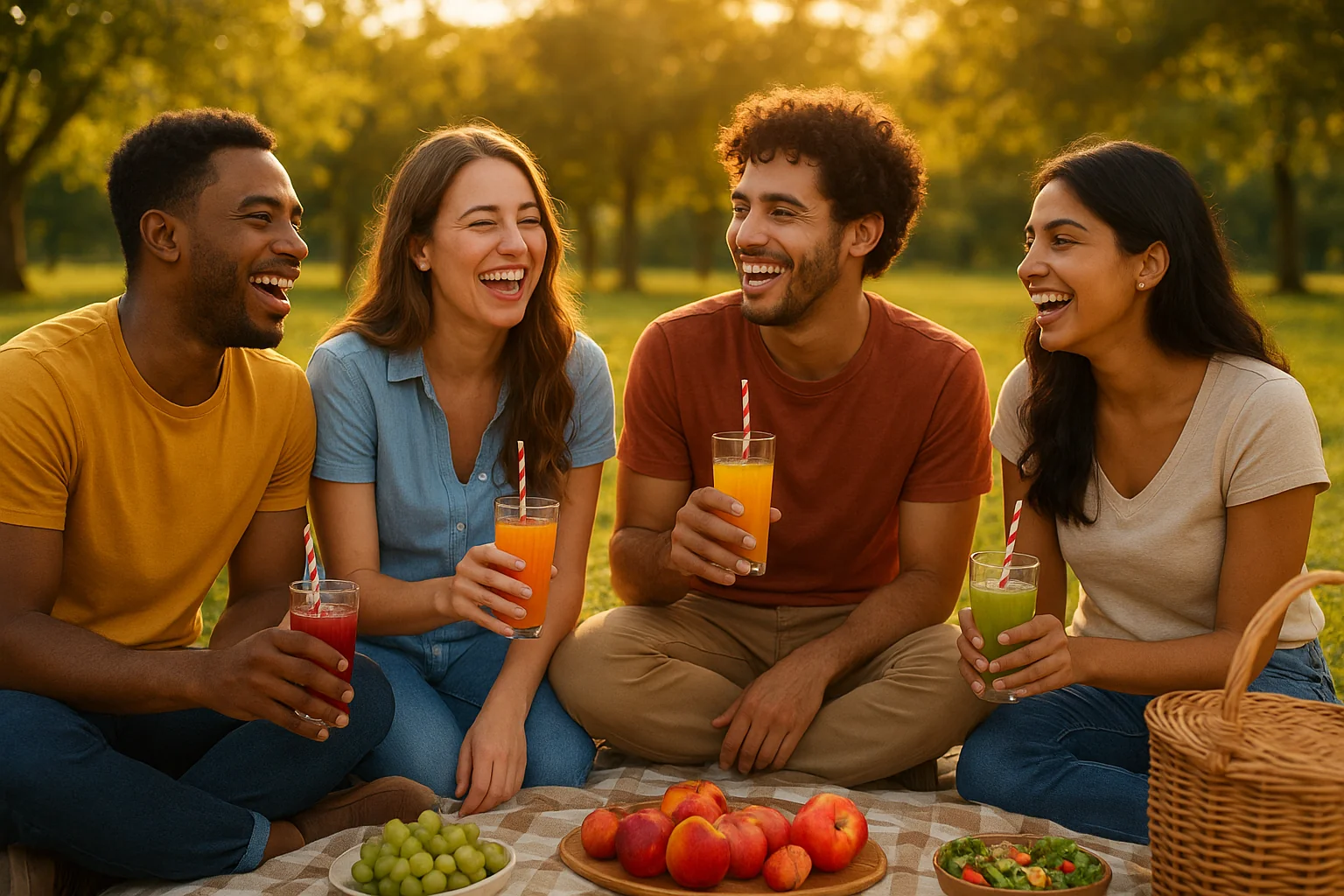
Socializing without alcohol is not about deprivation. It is about discovering that you are more capable, more interesting, and more genuinely connected than alcohol ever let you believe.
What You'll Learn:
• Why your brain has learned to associate alcohol with social ease, and how to retrain that response
• Practical strategies you can use at your next social event starting tonight
• What to say when people ask why you are not drinking
• Alcohol-free activities that are genuinely enjoyable, not just filler
• When social drinking may signal a deeper pattern worth addressing
If you have ever felt like you cannot relax at a party, loosen up on a date, or make small talk at a networking event without a drink in your hand, you are not alone. For millions of Americans, alcohol and socializing have become so intertwined that the idea of showing up sober to a gathering can feel genuinely intimidating.
Maybe you are rethinking your relationship with alcohol. Maybe you are in early sobriety. Or maybe you simply want to prove to yourself that you can have a good time without a buzz. Whatever brought you here, this guide is for you. We will walk through why alcohol feels like a social requirement, offer practical strategies you can use tonight, and explore how to build a social life that does not depend on drinking.
Why Alcohol Feels Like a Social Requirement
The Brain Chemistry Behind "Liquid Courage"
There is a real, biological reason alcohol makes social situations feel easier. When you take that first sip, alcohol triggers a release of dopamine in the brain's reward center, creating a temporary feeling of pleasure and confidence. At the same time, it enhances the effects of a neurotransmitter called GABA, which slows down brain activity and reduces anxiety. According to the National Institutes of Health, this one-two punch of boosted reward signals and dampened inhibition is exactly why a drink can make you feel more outgoing, more relaxed, and less self-conscious.
The problem is that these effects are temporary. Once the alcohol wears off, many people experience a rebound of anxiety that is often worse than what they felt before drinking. Over time, the brain starts to expect alcohol in social situations, and the idea of socializing sober begins to feel nearly impossible. That is not a character flaw. It is chemistry.
How Culture Reinforces the Connection
Biology is only part of the story. American culture actively reinforces the idea that socializing requires alcohol. Happy hours, tailgates, wine-and-paint nights, boozy brunches, networking mixers with open bars, almost every social template comes with alcohol baked in. Advertising, television, and social media further normalize the message that drinking equals connection and fun.
When you grow up surrounded by these cues, it makes sense that going against the grain feels uncomfortable. The good news is that cultural norms are shifting. Research from the National Institutes of Health shows that a growing number of younger Americans are choosing to drink less or not at all. You are not swimming against the tide as much as you might think.
Practical Strategies for Socializing Without Alcohol
You do not need a complete personality overhaul to enjoy social events sober. What you need are a few reliable strategies that help you get through the door and feel comfortable once you are inside.
Set Your Intention Before You Walk In
Before you arrive at any event, take thirty seconds to clarify why you are going and what you want out of it. Maybe it is catching up with a specific friend, meeting one new person, or simply proving to yourself that you can do this. Having a purpose shifts your focus from "I am not drinking" to something positive and forward-looking.
Some people find it helpful to set a time limit, too. Telling yourself you will stay for one hour takes the pressure off. You can always stay longer if you are having a good time, but knowing you have an exit plan can make the first few minutes much easier.
Keep Something in Your Hand
This one sounds simple, but it works. Holding a drink, any drink, eliminates the most common social cue that invites questions or offers of alcohol. A sparkling water with lime, a craft mocktail, a ginger beer, or even a fancy coffee all do the job. If you want some inspiration, our guide to non-alcoholic cocktails and mocktails covers dozens of satisfying options that feel celebratory without the alcohol.
The goal here is not deception. It is comfort. When your hands are occupied and you look like everyone else at the event, your brain can stop monitoring the "I am different" signal and start actually engaging with the people around you.
Be the Organizer and Choose the Setting
One of the most powerful moves you can make is to be the person who suggests the plan. When you choose the setting, you control the environment. Instead of defaulting to a bar, suggest a restaurant with a great food menu, a coffee shop, a hike, a farmers market, or a bowling alley. Most of your friends will not care where the hangout happens. They just want to see you.
Being the organizer also gives you a sense of control, which directly counters the anxiety that often drives social drinking in the first place.
Arrive Early, Leave When You Want
Getting to an event early, before the crowd builds and before people have had several drinks, gives you time to settle in and establish your footing. Conversations in the first hour tend to be more genuine and relaxed. As the night goes on and the energy shifts, you are free to leave whenever you want. There is no rule that says you have to close out the night.
Bring a Sober Ally
If you have a friend who is also cutting back or who supports your decision, bring them along. Having one person in the room who understands your choice makes a tremendous difference. You do not need to make a big announcement. You just need someone who will not pressure you and who can be a conversational home base when things feel awkward.
What to Say When People Ask Why You Are Not Drinking
This is one of the biggest fears people have about socializing sober, and the reality is almost always less dramatic than you expect. Most people are far too focused on their own experience to notice or care what is in your glass. But for the rare moments when someone does ask, having a response ready removes the anxiety of being caught off guard.
Here are a few options that work in virtually any setting:
• "I am driving tonight."
• "I am on a health kick right now."
• "I am taking a break. Feeling great so far."
• "I am just not in the mood tonight."
You do not owe anyone an explanation, and you do not need to justify your choice. A brief, confident answer almost always ends the conversation. If someone pushes back, that says far more about their relationship with alcohol than it does about yours.
One reframe that many people find helpful is this: nobody remembers what you were drinking at last week's dinner. They remember how the conversation felt. When you stop worrying about what is in your glass, you free up mental energy for the thing that actually matters, the connection.
Alcohol-Free Social Activities That Actually Feel Fun
Part of socializing without alcohol is expanding your definition of what "going out" looks like. When the bar is your only template, going sober feels like removing the main event. But when you have a wider menu of options, you realize how many genuinely enjoyable things exist that do not revolve around drinking.
Here are some ideas worth trying:
• Outdoor adventures, hiking, kayaking, rock climbing, or a simple walk in a park. Physical activity naturally boosts endorphins, and beautiful scenery gives you something to talk about besides work.
• Fitness or movement classes, yoga, spin, dance classes, or pickup basketball. Shared physical effort creates bonding that alcohol only imitates.
• Game nights, board games, trivia, cards, or video games. The competitive element provides built-in conversation and energy.
• Live events, concerts, comedy shows, open mic nights, theater. The entertainment does the heavy lifting socially.
• Creative classes, pottery, cooking, painting, or photography workshops. Learning something new alongside others is one of the fastest ways to build genuine rapport.
• Volunteering, community cleanups, food banks, or charity events. Shared purpose is one of the deepest forms of connection.
If you are exploring what it means to question your drinking habits without committing to total abstinence, you might find our article on being sober curious helpful. It covers the mindset shift behind the growing movement of people who are simply choosing to drink more intentionally, or not at all.
Socializing Without Alcohol in Your 20s and 30s
Young adulthood comes with its own set of pressures. College culture, dating apps, after-work happy hours, weddings, and milestone celebrations all seem to assume that everyone is drinking. If you are in your 20s or 30s and trying to socialize without alcohol, it can feel like you are opting out of an entire social infrastructure.
Here are a few things worth knowing.
First, you are part of a larger shift. Data from the Centers for Disease Control and Prevention shows that alcohol consumption among younger adults has been declining steadily. The "sober curious" movement, the rise of non-alcoholic spirits, and an increased focus on mental health have all contributed to a cultural environment where not drinking is far more accepted than it was even a decade ago.
Second, dating without alcohol is not only possible, it can be better. When you meet someone sober, you get a clearer picture of who they are and how you actually feel around them. If the idea of a sober first date sounds intimidating, our guide to sober dating walks through practical tips for making it work.
Third, your social circle will likely shift, and that is okay. Some friendships are built on shared drinking rather than shared values. As you spend more time sober, you will naturally gravitate toward people who are interested in the same things you are. That is not losing friends. It is finding better ones.
When Social Drinking Is Part of a Bigger Pattern
For some people, the difficulty of socializing without alcohol is not just about shyness or habit. It is connected to a deeper reliance on alcohol that has developed over time. If you find that you genuinely cannot imagine attending a social event without drinking, or if the thought of it triggers intense anxiety, that is worth paying attention to.
Social drinking can gradually cross into something more when it starts to serve a function beyond enjoyment. Using alcohol to manage anxiety, to feel "normal" around other people, or to cope with stress are all signs that the relationship with alcohol may have shifted. The National Institute on Alcohol Abuse and Alcoholism defines Alcohol Use Disorder (AUD) on a spectrum from mild to severe, and many people who would never describe themselves as having a "problem" still meet the clinical criteria.
That is not something to be ashamed of. It is something that responds well to treatment.
Naltrexone, for example, is an FDA-approved medication that works by reducing the rewarding effects of alcohol in the brain. For people who find that cravings or compulsive drinking are making it hard to change their social habits, naltrexone can help level the playing field. It does not eliminate choice, it makes the choice not to drink feel less like a battle. If you are interested in learning more about what can stand in for alcohol in social and everyday situations, our piece on alcohol alternatives explores a wide range of options.
It is also worth noting that underlying anxiety itself is treatable. If social anxiety is driving your drinking, addressing the anxiety directly, through therapy, lifestyle changes, or medical support, can make sober socializing feel dramatically easier.
Building a Social Life That Does Not Revolve Around Alcohol
Making it through one alcohol-free event is a win. Building a social life that does not depend on drinking is a longer project, but one that pays off in ways most people do not expect.
Here are a few long-term strategies.
Curate your calendar. Start saying yes to activities that do not center on alcohol and politely declining the ones that do not serve you. This does not mean you can never go to a bar again. It means you are being intentional about how you spend your social energy.
Find your people. Sober communities, both online and in person, have grown significantly in recent years. Whether it is a local running club, a sober social group, or an online forum, finding people who share your values removes the feeling of being the odd one out. According to the Substance Abuse and Mental Health Services Administration, social support is one of the strongest predictors of long-term success for people changing their relationship with alcohol.
Redefine what connection means to you. Many people discover, once they start socializing sober, that they were confusing the buzz of alcohol with the buzz of genuine connection. Sober conversations tend to be more present, more memorable, and more real. That might sound idealistic right now, but it is something that thousands of people report once they are a few weeks or months in.
Be patient with yourself. The first few alcohol-free social events may feel awkward. That is normal. Your brain is learning a new pattern, and new patterns take repetition. The discomfort is temporary. What you build on the other side of it is not.
The Freedom on the Other Side
Learning how to socialize without alcohol is not about deprivation. It is about discovering that you are more capable, more interesting, and more connected than alcohol ever let you believe. The confidence that comes from genuinely enjoying a night out sober, from having a real conversation, from laughing without needing a drink to get there, is a kind of freedom that no cocktail can match.
If you are reading this and recognizing that your social drinking has become something harder to control, know that help is available and you do not need to have hit rock bottom to deserve it. Choose Your Horizon offers a discreet, online naltrexone program supervised by real physicians. You can take a quick online Alcohol Use Assessment to see if naltrexone could be a good fit for you. No pressure, no judgment, just a starting point.
Whatever path you choose, the fact that you are here, thinking about this, already says something important about who you are becoming.