





What You'll Discover:
- What your own drinking at the party signals to the teens in the room.
- The legal and safety reality of underage guests at a hosted party.
- Why "they'll drink anyway, so better here" doesn't hold up.
- Easy hosting choices that keep the focus on the graduate.
- How adult graduates can enjoy the party circuit without losing the summer.
Graduation season runs from late spring well into summer. There's the ceremony, the open house, the backyard party, and then a string of other people's parties for weeks afterward.
Two groups end up with drinking questions. Parents hosting or attending high school parties want to celebrate without creating a problem for the teens in the room. Adult graduates finishing college or grad school have a party circuit of their own.
Both sections stand on their own, so feel free to skip to the one that fits you. The parent section comes first because the safety and legal details are worth knowing before the invitations go out.
For Parents: What You Model at the Party Matters
A graduation party is one of the few times your teen's friends, your relatives, and your adult friends are all in one yard. The teenagers are watching how the adults drink, even while pretending not to.
NIAAA notes that parents influence whether and when adolescents begin drinking, as well as how they drink. The way parents themselves drink is part of that influence.
If you choose to drink, NIAAA's advice is simple. Model responsible drinking.
That doesn't mean hosting a dry party unless you want to. It means the adults at a graduation party look like people enjoying a drink, not people getting drunk at a kid's celebration.
Teens are also listening more than most parents assume. NIAAA cites research that around 80% of teens feel parents should have a say in whether they drink alcohol, far more than say the same about music or clothes.
Our article on how parents shape kids' beliefs about alcohol goes deeper into how those beliefs form, often long before the first drink.
The "Better Here Than Somewhere Else" Myth
Some parents decide that if the kids are going to drink anyway, it's safer to let them do it at home where an adult can keep an eye on things. It's an understandable instinct. The research doesn't back it up.
NIAAA reports that in a study of middle schoolers, students whose parents allowed them to drink at home or provided alcohol saw the steepest escalation in drinking.
Other studies NIAAA cites suggest that teens who are allowed to drink at home drink more heavily outside of it.
NIAAA also names this exact situation. Parental provision of alcohol is a direct risk factor for alcohol misuse, including when parents provide alcohol for parties attended or hosted by their teens.
So the supervised-drinking party doesn't teach moderation. Mostly it teaches that drinking is part of the celebration, a lesson that tends to follow kids into the dorm in the fall.
The flip side is encouraging. NIAAA notes that teens are less likely to drink heavily when parents set clear rules against drinking at a young age and drink responsibly themselves.
The Legal and Safety Reality of Underage Guests
This part isn't fun, but it's worth knowing before you send the invitations. Most high school graduates are 17 or 18, which means nearly every graduate and friend at the party is under the legal drinking age of 21.
Many states have social host laws. NIAAA's Alcohol Policy Information System tracks laws that impose liability on social hosts responsible for underage drinking on property they own, lease, or otherwise control.
The details vary a lot from state to state. Depending on where you live, consequences can include fines, criminal charges, or civil liability if an underage guest is hurt or hurts someone else after drinking at your home.
In some states, the law can apply even if you weren't home when the drinking happened. "I didn't know" and "I was out" aren't always the protection people assume.
This isn't legal advice, and your state's rules may differ in important ways. If you're unsure, the APIS database is a good starting point, and a local attorney can answer specific questions.
NIAAA's own guidance for parents is direct. Know your state's laws about providing alcohol to your own children, and never provide alcohol to someone else's child.
The Safety Side Matters Just as Much
The legal risk is real, but the safety risk is the one that keeps parents up at night. Graduation parties often mean a lot of teens, a long evening, and plenty of other parties happening the same weekend.
NIAAA notes that teens and young adults may be at particular risk for alcohol overdose because they often binge drink, and large amounts consumed quickly cause rapid increases in blood alcohol.
The warning signs are worth knowing by heart. Confusion, trouble staying awake, vomiting, seizures, slow or irregular breathing, clammy skin, and very low body temperature all signal an emergency.
If you see any of them, call 911 right away. NIAAA is clear that you shouldn't wait for every symptom, and that someone who has passed out should never be left to sleep it off.
While you wait, stay with the person. If they're lying down, roll them onto their side so they don't choke if they vomit.
Hosting Choices That Keep the Party Safe
The good news is that a great graduation party barely needs alcohol to work. Food, music, a photo slideshow, yard games, and a cake with the grad's face on it carry the day just fine.
If adults will be drinking, keep it separate and supervised. A cooler on the deck that anyone can open is an open invitation, while drinks served by an adult at a designated spot are much easier to manage.
A drink station with great non-alcoholic options gives everyone, including the adults, something festive to hold. Lemonade, iced tea, a big bowl of punch, and a couple of mocktails go a long way.
Our guide to hosting a party without alcohol has menus and ideas if you'd like to go fully alcohol-free.
Keep an eye on the exits, too. Teens heading from your party to another one and adults driving home are both part of the plan, and a quick check on rides before people leave goes a long way.
Finally, talk to your graduate before the party. A simple, calm conversation about the house rules, what happens if a friend shows up with alcohol, and how to reach you makes the night easier for everyone.
When You're a Guest at Another Family's Party
Parents spend a lot of graduation season at other people's parties, too. The same modeling applies there, and so does the drive home.
If you're drinking, pace it the way you would at your own house, and settle who's driving before you arrive. A string of open houses on one Saturday can quietly add up to more than any single party.
Sometimes you'll notice teens drinking where they shouldn't be. A quiet word with the host is usually the right first move, since many hosts genuinely don't know what's happening behind the garage.
If a young person looks seriously unwell, skip the etiquette and act. Stay with them and call 911 if you see the overdose warning signs.
It also helps to talk with your own teen before party season starts. Agree on a no-questions-asked pickup rule, so they always know they can call you for a ride instead of getting in a car with someone who's been drinking.
Hosting Choice vs What It Signals
Every hosting decision sends a message to the teens in the yard, whether you mean it to or not. Here's how the common choices tend to land.
| Hosting choice | What it signals |
|---|---|
| An open cooler of beer that anyone can grab | Drinking is part of the celebration, for everyone in the yard |
| Adults drink at a separate, supervised spot | Adults can enjoy a drink while the party stays about the grad |
| Serving teens "so at least they're safe here" | Teen drinking is expected and approved, which research links to heavier drinking later |
| A great non-alcoholic drink station | Celebrating doesn't require alcohol |
| A clear plan for rides home | Everyone's safety is the host's top priority |
For Parents Whose Own Drinking Is on Their Mind
Sometimes planning a party like this makes parents notice their own drinking. Maybe it's the stocked bar in the shopping cart, or a moment of wondering what your kid has picked up from you over the years.
That kind of reflection is healthy, not a reason for guilt. If you've been wondering how to bring it up, our guide on talking to your kids about your drinking is a good place to start.
For Adult Graduates: The Party Circuit
If you're the one graduating from college or grad school, the next month can look like a nonstop celebration. Commencement, family dinners, friends' parties, and a last big weekend in your college town.
All of it is worth celebrating. The tricky part is that it often lands right as college drinking norms end and a new routine is supposed to begin.
A lot of grads notice their drinking is heavier than they'd like right at this transition. That's a useful thing to notice early, before a first job and a new city lock a pattern in place.
Think in seasons, not single nights
Graduation season can mean several parties in just a few weeks. Deciding ahead of time which ones you'll drink at, and how much, keeps the whole stretch from blurring together.
Pace for the room
Your graduation dinner with your grandparents is a different room than a friend's backyard party. Reading the room and pacing for it is part of being an adult at both.
Have an easy line ready
NIAAA's Rethinking Drinking tips suggest keeping a polite, convincing "No, thanks" ready, because the faster you say it, the less likely you are to give in.
"I'm good for now" works at every party. If you're drinking less or not at all, our guide on socializing without alcohol has more ways to enjoy a party without it becoming a topic.
Use the transition
New jobs, new cities, and new routines make one of the easiest moments to change a habit. The old cues disappear, so a new pattern has room to form from day one.
When You Want Support
Whether you're a parent rethinking your own habits or a graduate who wants a fresh start, support is available, and you don't have to be in crisis to use it.
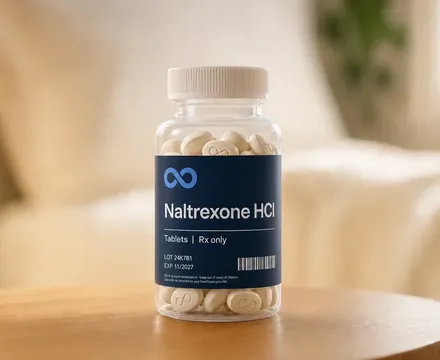
Naltrexone is an oral 50mg tablet for adults that dampens the reward signal alcohol triggers in the brain. With less of that pull, many people find it easier to stop after one or two drinks, or to skip drinking entirely.
Some people take it daily. Others take it about an hour before a social event they know will involve drinking. A physician decides whether it fits based on your health history, liver function, and current medications.
Choose Your Horizon is an integrated solution built on clinical, neurological, and behavioral science, with physician-guided care, coaching, and tracking all online. Drinking less and quitting are both goals we support.
Celebrate the Graduate
Graduation is a milestone worth a real party. For parents, the best version keeps alcohol away from underage guests, keeps the adults modeling the kind of drinking they'd want their kids to copy, and keeps everyone getting home safe.
For adult graduates, the best version is a celebration you remember, followed by a summer and a first job that start on your terms.
And if this season has you thinking more seriously about drinking, yours or someone else's, that's worth acting on. Wanting things to feel different is reason enough.
Frequently Asked Questions
Can I get in trouble if teens drink at my graduation party?
Possibly. Many states have social host laws that hold adults responsible for underage drinking on property they control, and the penalties vary by state. This isn't legal advice, so check your state's specific laws.
Is it safer to let teens drink at home?
Research says no. NIAAA reports that teens allowed to drink at home tend to drink more heavily outside the home, and that parental provision of alcohol is a direct risk factor.
Should I serve alcohol to adults at my child's graduation party?
That's your call. If you do, keep it in a separate, supervised area, never serve anyone under 21, and offer great non-alcoholic options for everyone.
How much should parents drink at a graduation party?
There's no exact number, but the goal is modeling responsible drinking. Teens notice how adults drink at celebrations, so pacing yourself sends a useful message.
How can college graduates celebrate without drinking too much?
Treat graduation season as a whole, decide which parties you'll drink at, pace for the room, and keep an easy line ready for when you'd rather not have another.
What should I do if a guest has had too much to drink?
Don't leave them alone or let them sleep it off. If they're confused, vomiting, hard to wake, or breathing slowly, call 911 right away.
If graduation season has you thinking about your own drinking, as a parent or a new grad, a few minutes is a good start. Take the online Alcohol Use Assessment to see whether naltrexone could be a good fit for you.
A private, physician-led plan to drink less or quit.
Medication, coaching and support from home. A short assessment is the first step.
Start Assessment