



What You'll Discover:
- Why the same drinking habits hit harder in your 40s and 50s.
- What alcohol does to sleep, blood pressure, testosterone, and recovery.
- What "sober curious" actually means (it is not a label).
- A practical 30-day experiment you can start this week.
- What changes when men cut back, with honest timelines.
- When support makes sense, and what it looks like.
Somewhere around 40, the math on drinking quietly changes. The same three beers that used to make a nice Friday now cost you a choppy night of sleep, a slow Saturday, and a short fuse by lunchtime.
Nothing dramatic happened. There was no wall and no rock bottom. You just started noticing that the evening drink borrows more from tomorrow than it used to, and the interest rate keeps going up.
If that sounds familiar, you are in good company. Plenty of men in their 40s and 50s drink a bit more than they would admit at a physical, and a growing number are curious about life with less of it.
This guide is for that guy. Not a guy in crisis, just a guy who wants his mornings back.
Why Drinking Costs More After 40
Your body at 45 is not your body at 25, and alcohol is one of the first places that shows. The drinking itself may not have changed much. What changed is how long it takes to bounce back.
Here is where most men feel it first.
Sleep Gets Worse, Even When You Fall Asleep Faster
A nightcap really does knock you out faster. That is the trap. Alcohol shortens the time it takes to fall asleep, then disrupts the second half of the night as your body clears it.
A well-known NIH-published review of sleep, sleepiness, and alcohol use describes more wake time and lighter sleep late in the night, plus suppressed REM sleep (the dreaming stage) early on.
The same review notes that tolerance to alcohol's sedative effect develops within about three nights. So the drink that seemed to help you sleep stops helping fast, while the 3 a.m. wake-ups stay put.
Blood Pressure Creeps Up
Blood pressure is the number doctors start circling around this age, and alcohol has a direct line to it. The relationship is dose-dependent, which means more drinking tends to mean higher readings.
The upside is that this one responds to change. A meta-analysis of 36 trials found that cutting back lowered blood pressure in people who drank more than two drinks a day.
The biggest effect showed up in the heaviest drinkers. People who had six or more drinks a day and cut their intake by about half saw systolic pressure (the top number) fall by about 5.5 mm Hg on average.
The Belly and the Scale
Alcohol is calorie-dense, and it rarely travels alone. The beers come with wings, the wine comes with cheese, and the late night comes with whatever is in the pantry at 11 p.m.
Your body also treats alcohol as a priority to clear, which puts fat burning on the back burner while it works. Add a slower midlife metabolism and the result tends to settle right around the waistline.
Testosterone Takes a Hit
This is the one men tend to ask about, so it deserves careful wording. Heavy drinking can lower testosterone, and that effect is well documented.
A review on substance use and male hypogonadism explains that alcohol can lower testosterone by acting on both the testes and the brain signals that control them.
In one study the review cites, healthy men given alcohol daily saw testosterone start dropping after 72 hours. The authors also note that stopping the substance resolves the hormone issue in most cases.
That does not mean a beer at the game tanks your hormones. The evidence is strongest for heavy, regular drinking. Our guide to alcohol consumption and low testosterone goes deeper.
Workouts Stop Paying Off
If you lift, run, or play anything competitive, you have probably noticed that recovery is slower than it used to be. Alcohol makes that worse.
In a small study on alcohol and post-exercise muscle building, drinking after a hard session cut muscle protein synthesis by 24%, even with a protein shake. To be fair, the dose was big, around 12 standard drinks.
Still, the direction is clear. A big night after training undoes part of the work, and in your 40s every gain is hard-won.
Mood and the Short Fuse
Mood is the hardest piece to measure and the easiest to feel. Poor sleep, mild dehydration, and the comedown after a few drinks add up to a flat, irritable next day.
Plenty of men notice it as patience. The kids are louder, the inbox is more annoying, and traffic feels personal. It rarely gets blamed on last night's drinks, but it often belongs there.
The Identity Barrier: "It's Not Like I Have a Problem"
Most men who are curious about cutting back hit the same wall. They do not see themselves in the picture of someone with a drinking issue, so changing anything feels like admitting to something.
That reaction makes sense. The old model treated drinking like a light switch. You were either fine or in trouble, and getting help meant a label for life.
Real drinking does not work that way. It runs on a spectrum, and most people sit somewhere in the middle. Our guide to gray-area drinking describes that space: not a crisis, but not quite working either.
Where the Default Comes From
For many men, drinking is woven into the parts of life that matter. Work dinners where the client orders a second bottle. Golf where the cooler rides in the cart. Fantasy draft night.
There is also the private version. A beer or two after work is often the only clear signal that the day is over. It flips you from work mode to home mode, and nobody ever handed you a different switch.
The Fun Dad and the Good Host
Then there are the roles. The fun dad at the barbecue. The guy who picks the whiskey. The friend who keeps the night going. Cutting back can feel like resigning from a job you never applied for.
Here is a reframe that helps. Nobody is tracking your drinks as closely as you think. People notice that you showed up, not what is in your glass.
What Sober Curious Actually Means
Sober curious is not a diagnosis, a club, or a pledge. It just means questioning the default. Instead of drinking because it is Friday, you get curious about whether you actually want one.
That shift sounds small, but it changes a lot. Once drinking is a choice instead of autopilot, you can see what it does for you and what it costs.
Our guide to the sober curious movement covers where the idea came from. For men over 40, the useful part is simple. You can run the experiment without announcing anything to anyone.
Moderation Is a Valid Goal
Spoiler alert: sober curious does not have to end in quitting. For plenty of men, the goal is drinking less, on purpose, and enjoying the drinks they do have more.
Quitting is a valid goal too. So is starting with moderation and deciding later. You pick the target based on how you feel, not on what a label says you should do.
A 30-Day Experiment for Busy Men
Thirty days is long enough to feel a difference and short enough to commit to. Treat it like any other test at work. You are collecting data, not taking a vow.
Week 1: Track Without Changing Anything
Write down every drink for seven days. Log the drink, the time, and the situation in your phone notes.
It sounds boring. It is also the most eye-opening week for most men. Counting honest pours (not the ones you would report to your doctor) tends to recalibrate what "a couple of beers" means.
Week 2: Add Alcohol-Free Days
Pick at least three days a week with zero drinks, and keep them for the rest of the month. Weeknights are usually the easiest win, since they are mostly habit drinking.
Notice how you sleep on those nights. For many men, this is the week the experiment starts to sell itself.
Week 3: Swap the Ritual, Not Just the Drink
The after-work beer is really about the switch from work to home. A short walk, a shower, a workout, or a cold non-alcoholic beer can do the same job.
A few swaps that tend to stick:
- Non-alcoholic beer or a good seltzer for the first round.
- A set number of drinks decided before you leave the house.
- A glass of water between every alcoholic drink.
- A morning workout booked for the day after a social night.
Our guide on how to drink less without quitting has more tactics for work events and nights out.
Week 4: Tell One Person
No announcement needed. Tell one person you trust, like your partner, a friend, or a brother. Something like, "I'm cutting back this month to see how I sleep."
That one sentence does two jobs. It adds a bit of accountability, and it takes the pressure off at the next dinner because someone already knows.
What to Measure
Pick a few markers before day one so you can compare at day 30. Sleep quality, weight, and waist size are easy. A home blood pressure cuff is useful if you have one.
Also rate your energy and patience at about 3 p.m. on a scale of one to ten. It sounds unscientific, but it is often the change men notice most.
What Changes When Men Cut Back, With Honest Timelines
Here is the honest version. Some changes show up in days. Others take weeks or months. And a lot depends on how much you were drinking to start with.
| Area | What regular drinking does | What men often notice after cutting back |
|---|---|---|
| Sleep | Faster to fall asleep, then lighter, broken sleep late in the night | Deeper sleep and easier mornings, often within the first week or two |
| Weight and waist | Extra calories, late snacking, fat burning put on hold | Modest weight change within a month, more over several months |
| Blood pressure | Higher readings, especially above two drinks a day | Lower readings, sometimes within a month |
| Testosterone | Heavy drinking can suppress production | Levels may recover over months, best confirmed with a blood test |
| Mood and patience | Flat, irritable next days | Steadier mood and fewer short-fuse days within a few weeks |
The First Week or Two
Sleep is usually the first thing men notice. The first few nights can feel restless as your body adjusts, then many men describe deeper sleep and clearer mornings.
Energy and mood tend to follow sleep. Fewer foggy mornings usually means more patience by dinner.
Around One Month
A month is enough to see measurable changes in some people. In a study of one month without alcohol, moderate to heavy drinkers who abstained had lower blood pressure, lower insulin resistance, and modest weight loss.
The changes were not dramatic. Weight fell about 1.5% and systolic blood pressure about 6.6% on average. The group that kept drinking saw no significant change.
Over Several Months
Bigger changes take longer. Body composition, training progress, and hormone levels tend to shift over months rather than weeks.
If testosterone is on your mind, ask your doctor about rechecking levels after a few months of drinking less. One month of data will not tell you much there.
When It Makes Sense to Get Support
Plenty of men run the 30-day experiment and find it easier than expected. Others find it harder. Both outcomes are useful information.
Support is worth a look if you set limits and keep blowing past them, if alcohol-free days feel like white-knuckling, or if someone close to you has mentioned your drinking more than once.
None of that makes you a different kind of person. It just means willpower alone is not the best tool for this job, which is true for plenty of things in life.
One safety note. If you drink heavily every day, stopping suddenly can cause withdrawal that needs medical care. Talk to a doctor before quitting cold turkey, and get emergency help for confusion, seizures, or hallucinations.
How Naltrexone Fits a Busy Life
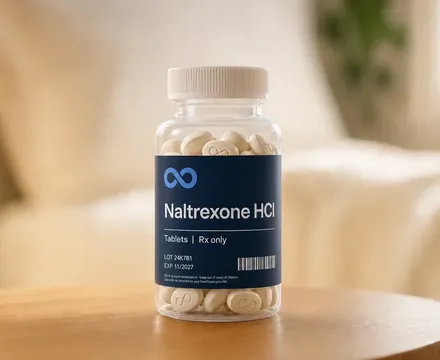
Naltrexone is a prescription medication that has been FDA-approved for alcohol use disorder since 1994. It dulls the reward your brain gets from alcohol, so the second and third drinks feel less pressing.
That makes it a good fit for men who want to drink less, not only quit. Some take a 50 mg tablet daily. Others take it about an hour before a situation where they expect to drink, like a work dinner.
It is not a willpower substitute or a magic switch. It works best paired with coaching and honest tracking. It is also not for everyone, since people who take opioid medications cannot use it.
How Choose Your Horizon Works
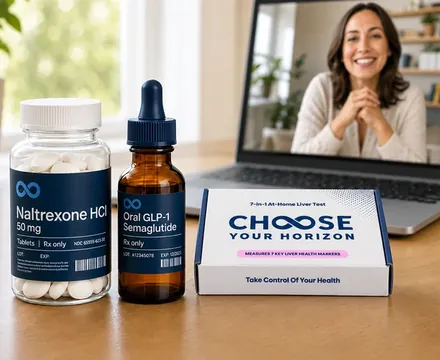
Choose Your Horizon is an integrated solution built on clinical, neurological, and behavioral science. It pairs physician-guided naltrexone with coaching and simple daily tracking.
It is 100% online and available in all 50 states. There is no waiting room, and medication ships in discreet packaging. Most of it fits into a few minutes on your phone.
You set the goal. Drink less or quit, your call. The care team helps you get there.
The Bottom Line
Drinking after 40 is not a moral question. It is a cost-benefit question, and the costs rise with age. Sleep, blood pressure, recovery, mood, and the waistline all feel it.
Being sober curious just means running the numbers for yourself. Track for a week, add alcohol-free days, swap the ritual, and tell one person. Then see how you feel at day 30.
If cutting back turns out harder than expected, that is common, and it is not a character flaw. Getting support is the same kind of smart move as seeing a doctor about a bad knee.
Frequently Asked Questions
Should I stop drinking at 40 or 45?
There is no age where you have to quit. Many men find alcohol costs more in sleep, recovery, and blood pressure after 40, which makes it a good time to test cutting back and see how you feel.
What does sober curious mean for men?
It means questioning the habit of drinking by default, without taking on a label. You might drink less, take breaks, or quit. The point is choosing on purpose.
How long after cutting back does sleep improve?
Many people notice better sleep within the first week or two, after a few restless nights. Tolerance to alcohol's sedative effect builds within days, so the nightcap was helping less than it seemed.
Will cutting back on alcohol raise my testosterone?
Heavy drinking is linked to lower testosterone, so drinking less removes one source of pressure on your hormones. Results vary, so ask your doctor to recheck levels after a few months.
Can I just drink less instead of quitting?
Yes. Moderation is a valid goal, and many men do well with alcohol-free weeknights and a set limit on social nights. If limits keep slipping, naltrexone can make them easier to hold.
If you are curious how much easier drinking less could be with some backup, take the online Alcohol Use Assessment to see whether physician-guided naltrexone from Choose Your Horizon is a good fit.
A private, physician-led plan to drink less or quit.
Medication, coaching and support from home. A short assessment is the first step.
Start Assessment