A 2 minute assessment to get a personalized mental health or alcohol recovery plan.

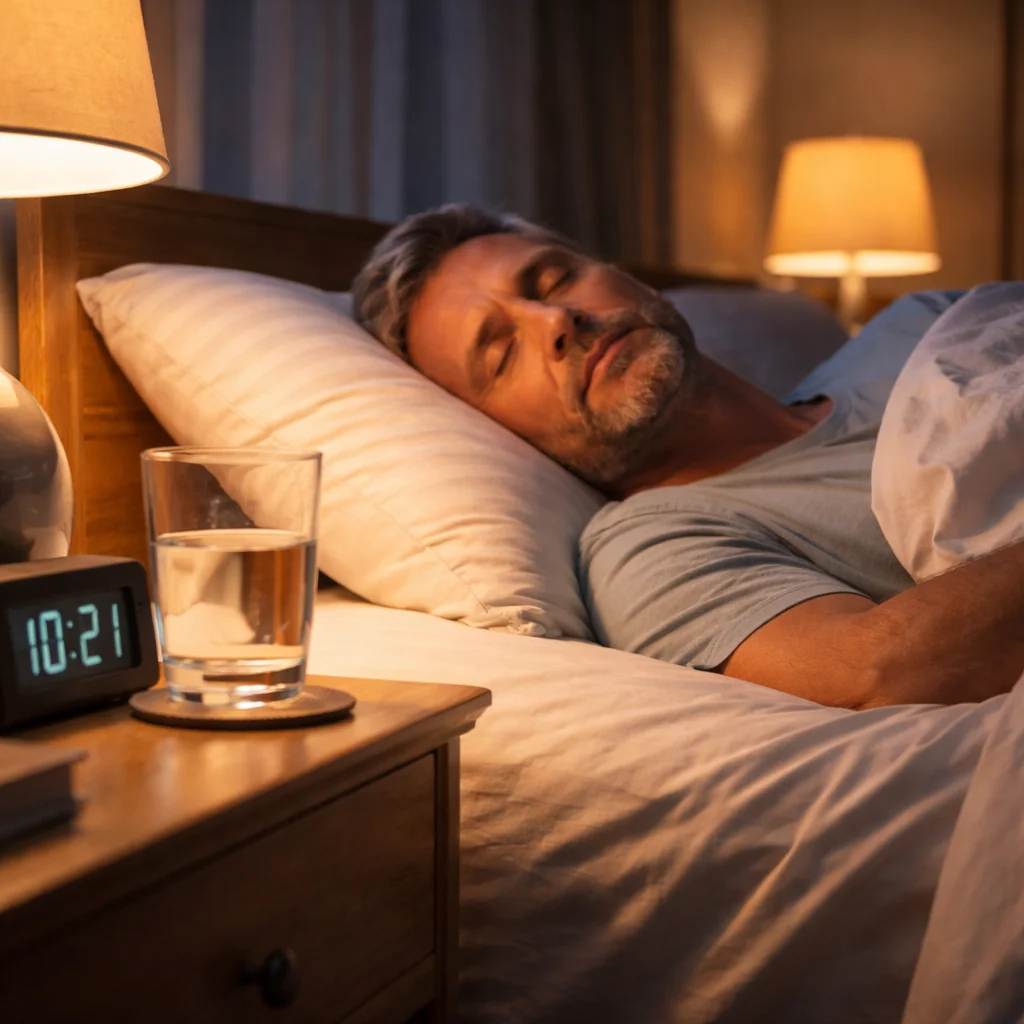
REM sleep takes a hit after just a single night of drinking. Chronic alcohol use leads to chronic REM deprivation, but cutting back can help sleep rebound quickly.
Short Answer:
Alcohol disrupts REM sleep after a single night of drinking and the effects build over time with chronic use. No matter how long a person has been drinking, REM sleep can return to normal once alcohol is reduced or stopped with early improvements seen after just a few nights.
What You’ll Learn:
• Why less REM sleep can reinforce alcohol use.
• How a single night of drinking impacts REM sleep.
• The effects of chronic REM disruption.
• How quickly someone can recover their REM sleep after they reduce or stop drinking.
In Part 1 we explained what REM sleep is and why it’s so important for our psychological, emotional, physical and cognitive wellbeing. That set the stage for then delving into how alcohol disrupts sleep structure as a whole, in particular REM sleep.
We’re now breaking down the one-time and long-term sleep disruptions that happen after drinking along with why reduced REM sleep reinforces alcohol use.
Why Less REM Sleep Reinforces Alcohol Use
The worst part of all of this is that reduced REM sleep can reinforce drinking. This is especially true when a person finds that they fall asleep easier after drinking. The assumption is that alcohol is helping them sleep, when in actuality it’s going to cause bigger issues in the middle of the night.
Tolerance to alcohol's sedative effect builds quickly as well. Over time the sedation won’t feel the same at the same amount, and you’ll have to drink more to feel the effect.
Becoming increasingly reliant on alcohol to fall asleep is only one of the reinforcing issues. REM sleep is crucial for mood regulation. It’s very common for alcohol to be used as a way to elevate mood when a person is feeling depressed, anxious or otherwise uncomfortable. But the problem is REM is reduced and the next morning you’re worse off than before. You’re creating a perpetual cycle when REM sleep is reduced that makes alcohol’s effect on mood worse.
This is why it’s so important to recognize the effect that alcohol is having on your sleep quality so you can start resting easier with proper REM cycles.
Does a Single Night of Drinking Affect REM Sleep?
Yes. One evening of drinking can measurably change that night's REM sleep, and it doesn't take heavy drinking to see an effect.
When a 2025 meta-analysis pooled 27 polysomnography sleep studies, alcohol nights differed from alcohol-free nights in three ways:
• REM sleep started about 18 minutes later on average.
• Total REM time was about 11 minutes shorter on average
• REM's share of the night fell by about 2.8 percentage points (roughly 10%)
But those are just averages. The researchers also noted that effects were dose dependent so some people had greater deficits than others. For every additional gram of alcohol per kilogram of body weight, REM time dropped by roughly 40 minutes.
The other issue is it takes 4+ drinks to get the benefit of getting to sleep easier. So any benefit there might be gets negated or worse by the reduced REM sleep. Other research fits this picture. In a study 93 young adults were dosed to a breath alcohol concentration of 0.10%. The result was that alcohol reduced REM sleep, increased time awake and lowered self-rated sleep quality.
Drinking earlier in the evening may not fully protect you. In a small study, a modest dose six hours before bedtime still reduced REM and increased time awake. The meta-analysis can't pin down exactly when and how timing matters, because most studies had people drink within about three hours of bed.
What Happens When REM Sleep is Disrupted Night After Night?
When drinking becomes regular, disrupted REM stops being an occasional event and becomes a pattern. There’s converging evidence from alcohol research and from sleep research that suggests chronic REM sleep reduction is a contributing factor for:
Shifts in your sleep architecture. In people with long-term heavy drinking, REM is typically suppressed while drinking and tends to rebound during withdrawal. Lab studies of people with alcohol dependence show less deep sleep, more light sleep and a higher proportion of REM sleep than in controls, differences that were still present in people who had been abstinent for up to 719 days. Researchers describe this combination as increased "REM pressure."
Daytime cognitive function suffers. Alcohol interacts with sleep loss to worsen daytime sleepiness and performance impairment. Since sleep also supports learning and memory, poor sleep can compound concentration and memory difficulties.
Poor sleep can make relapse more likely. This is the part that matters most if you're trying to change your drinking habits. In a study of people entering alcohol treatment, insomnia remained a robust predictor of later relapse. In another, increased REM pressure at admission predicted relapse in people with alcohol dependence three months later. And in a polysomnography study of abstinent patients, persistently abnormal REM measures were linked to relapse.
Can REM Sleep Recover After Reducing Alcohol Use?
Even though REM can take a significant hit, getting it back on track is possible. Your REM sleep starts changing within days of cutting back, many people notice better sleep within a few weeks, and the full timeline depends on how much and how long you've been drinking.
First Few Nights
REM sleep tends to rebound. In healthy volunteers who drank before bed for three nights, REM sleep increased after they stopped. In people who drink heavily, REM is suppressed while drinking and tends to rebound during withdrawal, often alongside trouble falling asleep.
About One Month
Around 56% of 4,232 people who took part in Dry January said their sleep quality was better by the end of the month.
Several Months
In people in treatment for alcohol dependence, both abstinence and moderate drinking predicted a significant drop in insomnia symptoms at six months, while those who returned to heavy drinking saw no improvement.
Months to Years
Sleep architecture can remain altered. Differences were still present in people abstinent for up to 719 days, and abnormalities can persist for years. A related sleep-EEG measure improved with longer sobriety, suggesting recovery keeps progressing over time
A few things are worth taking from this:
Cutting back counts. In the treatment study above, moderate drinking was associated with improved sleep, not only abstinence. You don't have to reach zero for your sleep to start moving in the right direction.
The first stretch can be bumpy. Rebound and withdrawal-related sleep disturbance are common early on. A federal treatment guide notes that these symptoms typically improve with time
Safety comes first if you drink heavily. Stopping suddenly after regular heavy drinking can cause alcohol withdrawal, which can include seizures, and the more often you drink, the more likely withdrawal becomes. If you drink heavily or daily, talk with a healthcare provider before you stop.
Get Support, Reduce Drinking, Get Better Sleep
If drinking is keeping you from sleeping, reduction is a good goal. Being that it’s dose dependent, even a small reduction in drinking can help you sleep better at night.
But cutting back is rarely a matter of willpower alone. Alcohol acts on the brain's reward system, and cravings can pull you back even when you know exactly what drinking does to your sleep and your health.
Naltrexone prescription medication has been FDA-approved to treat alcohol use disorder since 1994. It works by blocking opioid receptors involved in alcohol's rewarding effects, which reduces both the reward from drinking and the craving for it. That can make it easier to drink less if that's your goal or to stay sober if you're quitting.
Choose Your Horizon is a clinician-led telehealth platform that helps people drink less or quit alcohol entirely, meeting you wherever you are with your goals. You'll work online with a licensed medical professional who can evaluate whether naltrexone is right for you and build a plan around your goals, with ongoing clinical support along the way.
Ready to take the first step? Take the Alcohol Use Assessment