A 2 minute assessment to get a personalized mental health or alcohol recovery plan.

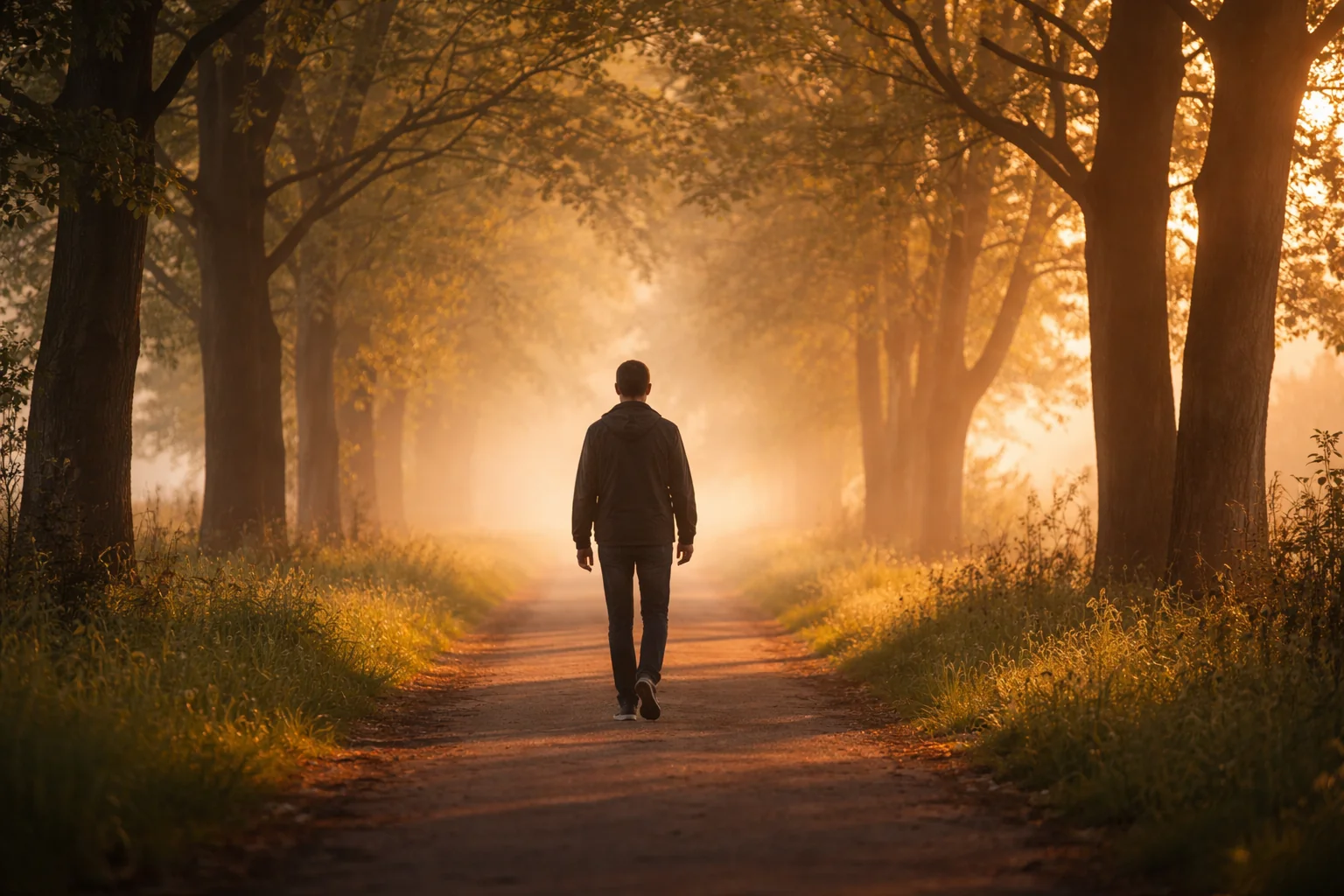
Discover why it is that high levels of anxiety lead to chronic drinking and what you can do to overcome both problems.
What You’ll Learn:
- The difference between typical anxiety and heightened anxiety.
- Why heightened anxiety often leads to chronic drinking.
- How chronic drinking perpetuates anxiety.
- The problems that come from self-medicating with alcohol.
- What you can do to overcome anxiety and unhealthy alcohol use.
If you are dealing with heightened anxiety there’s a good chance you’re also drinking more alcohol than you normally would. It might seem like an effective fix in the moment, but using alcohol to deal with anxiety can be extremely detrimental, leading to even bigger problems that produce more anxiety.
With anxiety and chronic alcohol use there isn’t just a connection. It’s a cyclical problem that needs to be addressed as quickly as possible.
How to Know If You Have Heightened Anxiety
Are you worried that you have heightened anxiety? It’s a bit ironic how just the thought of anxiety can cause anxiety.
There’s a sliding scale for anxiety that’s broken down into four categories:
Mild Anxiety
This is everyday anxiety that everyone has to deal with here and there. It can actually be beneficial because mild anxiety can make us more alert and focused on things that need our attention.
Symptoms of mild anxiety include:
- Irritability
- Restlessness
- Tension-relieving in the form of finger tapping, nail biting or fidgeting
Moderate Anxiety
This is when anxiety begins to be problematic because it can narrow your perception and make it difficult to fully perceive your surroundings. Your attention can be fixed on just one thing and everything else is ignored. All of this makes it more difficult to solve problems and think clearly, but you’re still capable of doing so. At this point physiological reactions can also happen, causing you to sweat, breath heavier and have a higher heart rate.
Symptoms of moderate anxiety include:
- Inattention
- Lack of focus
- Difficulty concentrating
- Sweating
- Jitteriness
- Elevated heart rate
- Increased respiratory rate
- Headaches
- Gastric discomfort
- Voice tremors
Severe Anxiety
When a person experiences severe anxiety they aren’t perceiving much that’s going on around them. They are hyper focused, usually on whatever is the immediate source of stress. This causes you to go into an autopilot state where critical thinking and problem solving are virtually impossible. There is also a stronger bodily response as well as a sense of doom or dread.
Symptoms of severe anxiety include:
- Inability to focus on surrounding environment
- Decreased field of perception
- Inability to problem solve
- Feeling dazed or confused
- Automatic behaviors
- Hyperventilation
- Heart racing and pounding
- Difficulty sleeping or insomnia
- Sense of impending doom
Panic/Extreme Anxiety
If you’ve ever had a panic attack, you’ve reached the highest level of anxiety. But that doesn't necessarily mean blacking out. When a person reaches a state of panic anxiety they can’t process what’s going on around them and can lose touch with reality.
Symptoms of panic anxiety include:
- Dysregulated behavior
- Loss of emotional control
- Withdrawal
- Hallucinations
- Extreme exhaustion
Anything above typical, mild anxiety can be considered heightened anxiety that causes more intense reactions and interferes with daily life. Brief periods of moderate anxiety can be handled, but if it isn’t that’s when unhealthy coping mechanisms can begin.
Why Heightened Anxiety Leads to Chronic Alcohol Consumption
When you’re feeling overly anxious you may have the urge to have a drink, which is understandable. It’s understandable because alcohol can have a temporary calming effect - the key here being the temporary part.
When we consume alcohol it increases the neurotransmitter GABA that has a calming effect. Of course, the GABA increase is short-lived. But that’s not the only downside.
After drinking alcohol there’s a rebound anxiety effect that makes things worse than before. Alcohol affects a part of the brain called the amygdala that can make you even more sensitive to stress. Consuming alcohol also causes sleep disturbances, nutritional deficiencies and other brain changes that make anxiety worse.
Drinking alcohol to ease anxiety is a form of self-medication that deals with the symptoms, not the source of the problem. That is why self-medicating with alcohol is so harmful. It provides no long-term benefit and instead increases anxiety after the buzz wears off.
Since the anxiety is still present and possibly even worse than before, there’s a good chance the person will drink again to get relief. This is when chronic drinking starts that can lead to dependency.
Hangxiety - Definition: Heightened anxiety after drinking alcohol that can increase the risk of panic attacks and stress disorders.
How to Get Control Over Anxiety and Chronic Drinking
Both heightened anxiety and chronic alcohol use can predispose you to other serious health risks, interfere with your ability to work and cause relational problems. If left unchecked moderate anxiety can easily escalate into severe anxiety that makes every day tasks hard to manage.
But don’t worry. There are a lot of things you can do to ease anxiety in healthy ways and address the underlying issues that are causing anxiety.
Healthy Ways to Ease Anxiety
When you’re feeling overwhelmed with stress here are some simple things you can try to immediately calm the dysregulation:
- Breathwork, particularly physiological sigh breathing
- Visualize a calm setting
- Stretching
- Take a walk in nature
- Progressive muscle relaxation
- 5-4-3-2-1 grounding method
- Journal about your feelings and triggers
- Listen to calming music
Treating Anxiety Disorders and Reducing Alcohol Use
Ketamine-assisted therapy (KAT) is a proven method for dealing with the root causes of anxiety that need to be addressed to truly improve the problem. Rather than dealing with the symptoms you’re going to the source of the anxiety in an effort to eliminate it.
Chronic drinking can be significantly reduced through another medication-assisted therapy. Naltrexone medication is a once daily pill that can dramatically reduce alcohol consumption by reducing the effects of alcohol and curbing cravings.
Choose Your Horizon isn’t just a source for prescription medications. We also provide essential support and resources that help you get the best results possible as quickly as possible. You can start by taking the free Alcohol Use Assessment. It only takes a few minutes and will give you a better idea of what options are available for managing anxiety and chronic drinking.