A 2 minute assessment to get a personalized mental health or alcohol recovery plan.

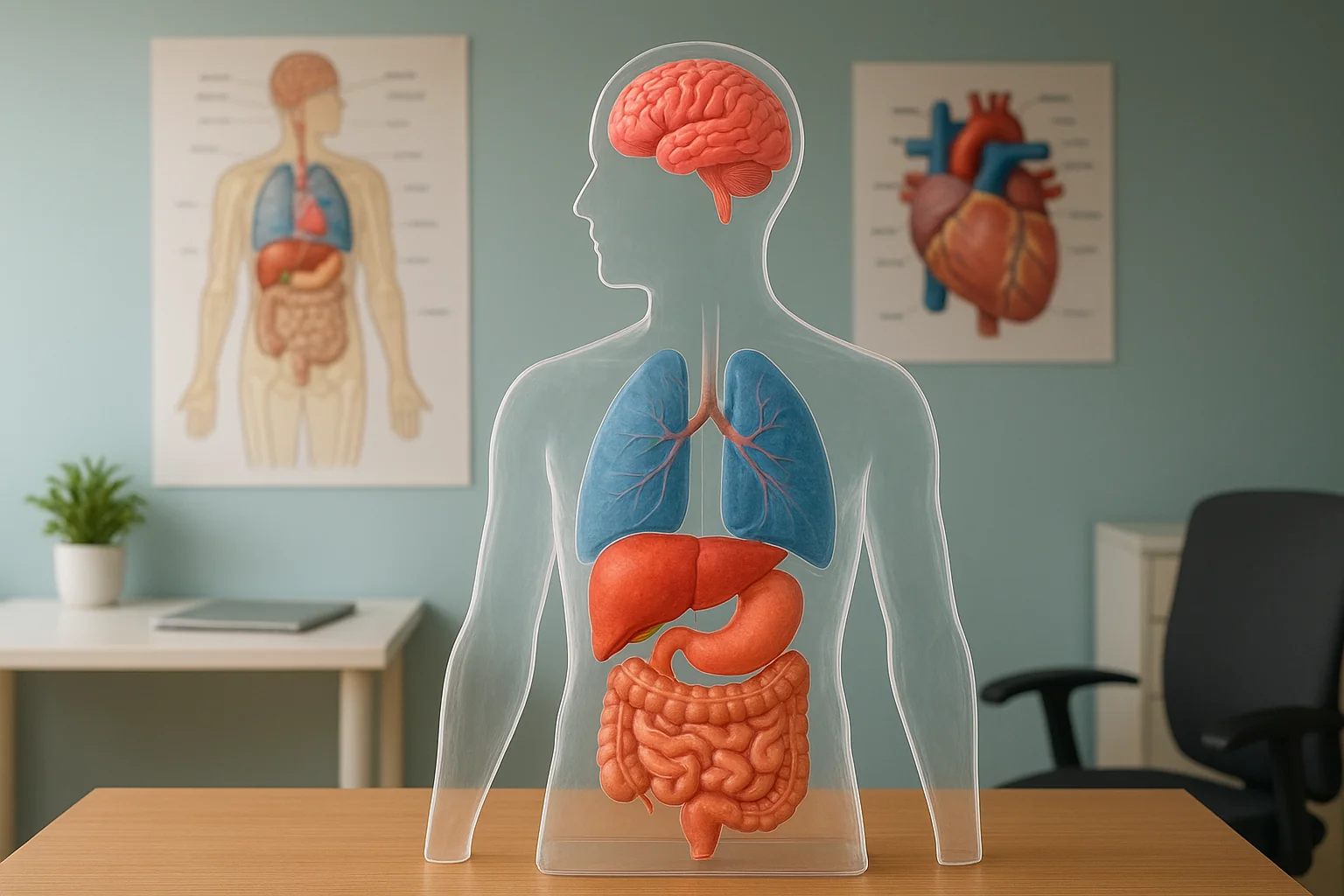
Alcohol's effects go far beyond hangovers. Years of regular drinking can cause lasting changes to nearly every organ system in your body.
What You'll Learn:
• How alcohol affects your brain over time.
• The impact on your liver, heart, and pancreas.
• Why alcohol increases cancer risk.
• How chronic drinking damages your immune system.
• What happens to your body when you stop drinking.
• Whether the damage can be reversed.
The long term effects of alcohol on the body are more extensive than most people realize. According to the National Institute on Alcohol Abuse and Alcoholism, alcohol contributes to more than 200 health conditions and over 178,000 deaths in the United States each year.
Understanding what chronic drinking does to your body can help you make informed decisions about your drinking habits and whether it's time to make a change.
How Alcohol Affects Your Brain Over Time
The brain is one of the organs most affected by long term alcohol use. Alcohol interferes with the brain's communication pathways, changing mood, behavior, and the ability to think clearly.
With continued drinking, progressive changes occur in brain structure and function. A 2025 study from Johns Hopkins found that chronic alcohol exposure causes dramatic functional changes in the dorsomedial striatum, a brain region critical for decision-making. The research showed these cognitive impairments persisted even after months of abstinence.
Specific brain effects include:
Memory and learning problems - Alcohol damages the hippocampus, the brain region responsible for forming new memories. This can lead to blackouts during drinking and longer-term memory issues with chronic use.
Impaired decision-making - The prefrontal cortex, which controls judgment and impulse control, is particularly vulnerable to alcohol damage. This can make it harder to control drinking even when you want to stop.
Increased stroke risk - A 2025 study from Mass General Brigham found that heavy drinkers who experienced brain bleeds were younger (average age 64 vs. 75) and had bleeds about 70% larger than non-drinkers. They also showed more evidence of small blood vessel damage linked to dementia.
Peripheral nerve damage - Alcohol misuse is linked to peripheral neuropathy, causing numbness in the arms and legs and painful burning in the feet.
For more on how alcohol changes brain chemistry and drives addiction, see our article on the stages of alcohol addiction.
Long Term Effects of Alcohol on the Liver
The liver processes about 90% of the alcohol you consume, which makes it particularly vulnerable to damage. According to the NIAAA, of the 96,610 liver disease deaths in 2023, 44.5% involved alcohol.
Alcohol-related liver damage typically progresses through stages:
Fatty liver (steatosis) - This is the earliest stage and can occur after just a few days of heavy drinking. Fat accumulates in liver cells, causing the liver to enlarge. At this stage, the damage is usually reversible with abstinence.
Alcoholic hepatitis - Continued drinking can cause liver inflammation. Symptoms include jaundice, fever, and abdominal pain. Mild cases may be reversible, but severe alcoholic hepatitis can be life-threatening.
Cirrhosis - This is permanent scarring of the liver. The scar tissue replaces healthy tissue and prevents the liver from functioning properly. Cirrhosis cannot be reversed, though stopping drinking can prevent further damage.
The number of patients with alcohol-associated liver disease listed for liver transplant increased by 63% from 2007 to 2017. In 2016, alcohol-related liver disease replaced hepatitis C as the leading cause of liver transplantation.
Effects on the Heart and Cardiovascular System
Chronic alcohol use takes a significant toll on heart health. Heavy drinking increases blood pressure and blood cholesterol levels, both major risk factors for heart attacks and strokes.
Cardiomyopathy - Long term alcohol use can weaken and stretch the heart muscle, reducing its ability to pump blood effectively.
Arrhythmias - Alcohol can cause irregular heartbeats, even in people without other heart problems. A pattern called "holiday heart syndrome" describes arrhythmias triggered by binge drinking.
High blood pressure - Regular heavy drinking is a leading cause of hypertension, which increases the risk of stroke, heart attack, and kidney disease.
Stroke - Both ischemic strokes (from blocked blood vessels) and hemorrhagic strokes (from bleeding) are more common in heavy drinkers.
How Alcohol Damages the Pancreas
The pancreas produces digestive enzymes and hormones that regulate blood sugar. Alcohol misuse over time can lead to pancreatitis, a dangerous inflammation that causes the pancreas to swell and become painful.
Acute pancreatitis can develop into chronic pancreatitis, a condition of constant inflammation. Chronic pancreatitis is a risk factor for both pancreatic cancer and diabetes. The damage occurs because alcohol and its metabolites are directly toxic to pancreatic cells.
Symptoms of pancreatitis include severe abdominal pain, nausea, vomiting, and fever. Chronic pancreatitis can lead to permanent digestive problems and difficulty regulating blood sugar.
Alcohol and Cancer Risk
The link between alcohol and cancer is well established. According to the CDC, research shows that people who misuse alcohol have a greater risk of several types of cancer.
A 2025 U.S. Surgeon General's Advisory highlighted the cancer risk even at moderate drinking levels. Among 100 women who have less than one drink per week, about 17 will develop an alcohol-related cancer. Among 100 women who have one drink daily, 19 will. Among those who have two drinks daily, about 22 will.
Alcohol is linked to increased risk of:
• Mouth and throat cancer.
• Esophageal cancer.
• Liver cancer.
• Colon and rectal cancer.
• Breast cancer (in women).
The risk increases with the amount consumed. There is no established "safe" level of drinking when it comes to cancer risk.
Effects on the Immune System
Both acute and chronic alcohol use interfere with the immune system's ability to fight infection. Alcohol impairs the function of B and T cells, which are critical for identifying and destroying pathogens.
This means heavy drinkers are more susceptible to pneumonia, tuberculosis, and other infections. Recovery from illness and injury also takes longer because the immune system isn't functioning optimally.
Chronic inflammation from alcohol use can contribute to damage in multiple organ systems. The gut barrier becomes compromised, allowing harmful substances to enter the bloodstream and reach the liver, where they trigger additional inflammation.
Effects on the Endocrine System
Heavy alcohol use disturbs the endocrine system, which controls hormones throughout the body. This can affect:
Thyroid function - Alcohol can interfere with thyroid hormone production and regulation.
Reproductive hormones - In men, chronic drinking can lower testosterone levels and cause erectile dysfunction. In women, it can disrupt menstrual cycles and affect fertility.
Blood sugar regulation - Alcohol affects insulin sensitivity and can contribute to diabetes risk, especially when combined with pancreatitis damage.
Stress response - The adrenal glands, which produce cortisol and other stress hormones, can become dysregulated with chronic alcohol use.
Can the Damage Be Reversed?
One of the most common questions about long term effects of alcohol is whether the damage can be undone. The answer depends on what's being measured and how severe the damage has become.
The good news is that many effects begin improving within weeks or months of stopping drinking. According to research from the NIAAA, within a year of stopping, most cognitive damage can be reversed or significantly improved. The brain has remarkable ability to heal when alcohol is removed.
Liver damage is often reversible in earlier stages. Fatty liver can resolve within weeks of abstinence. Even some cases of alcoholic hepatitis can improve. However, cirrhosis represents permanent scarring that cannot be reversed, though progression can be stopped.
Some effects are more persistent. Peripheral nerve damage may not fully recover. Damage from severe episodes of pancreatitis may be permanent. And cancer risk, while it decreases over time after stopping, may remain somewhat elevated.
The key point is that stopping drinking, even after years of heavy use, provides meaningful health benefits. The body's capacity for recovery is significant when given the chance.
What You Can Do About It
If you're concerned about the long term effects of alcohol on your body, there are several practical steps to consider.
Get a health assessment - A doctor can check liver function, blood pressure, and other markers that indicate alcohol-related damage. This gives you a baseline and helps identify any issues that need attention.
Consider your drinking pattern - Heavy drinking is defined as more than 4 drinks per day or 14 per week for men, and more than 3 drinks per day or 7 per week for women. If you're exceeding these limits regularly, your body is being affected.
Know the warning signs - Symptoms like abdominal pain, yellowing skin, persistent fatigue, or numbness in extremities may indicate alcohol-related organ damage and warrant medical attention.
Explore treatment options - Medications like naltrexone can help reduce drinking by blocking the pleasurable effects of alcohol. For more on how this works, see our article on naltrexone and how it reduces alcohol cravings.
Many of the long term effects of alcohol are preventable or reversible with the right support. The earlier you address problematic drinking, the better your chances of avoiding serious health consequences.
Take the Alcohol Use Assessment to see if naltrexone-assisted treatment could help you reduce your drinking and protect your health.