A 2 minute assessment to get a personalized mental health or alcohol recovery plan.

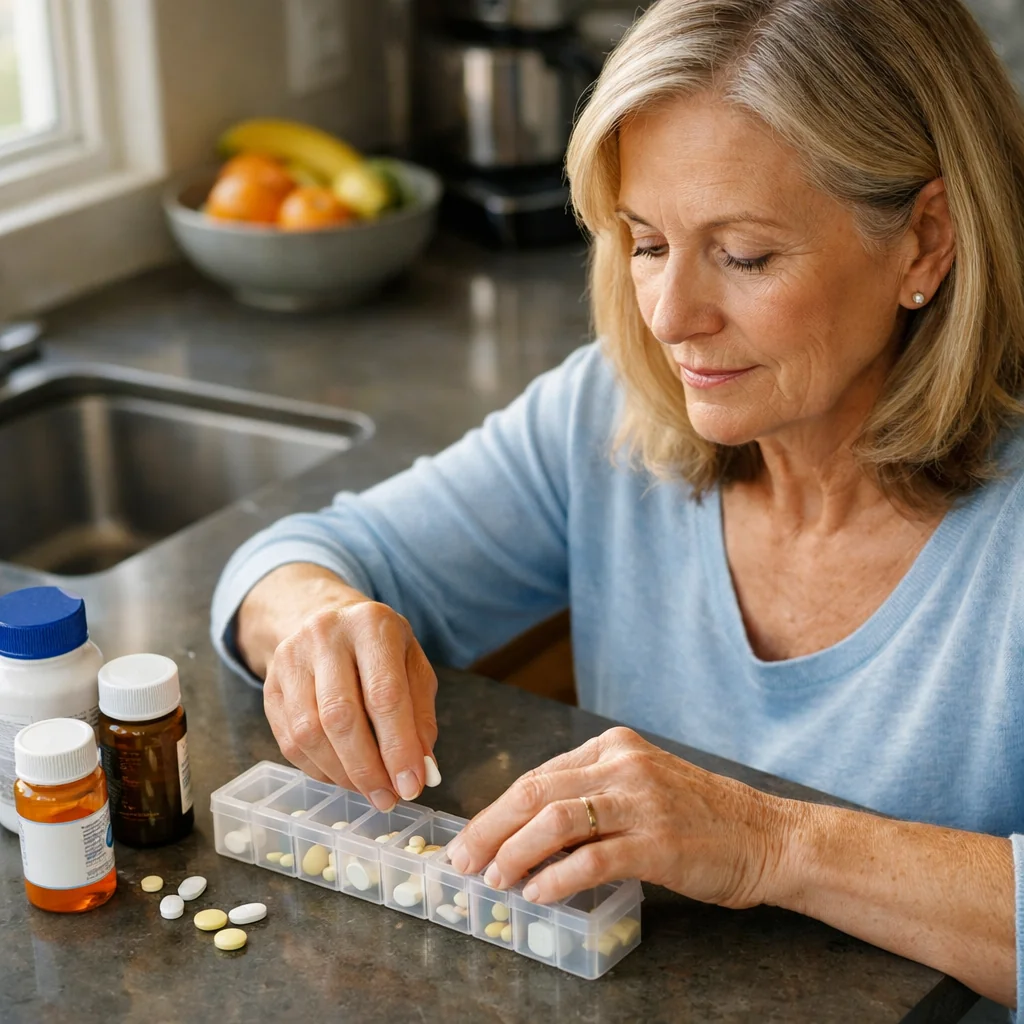
Some people take naltrexone alone to curb their alcohol cravings and reduce drinking while others use naltrexone as one part of a larger alcohol use disorder treatment plan. How naltrexone is incorporated makes a difference.
What You’ll Learn:
• Why AUD often requires multiple forms of treatment.
• The role that naltrexone plays in an AUD treatment plan.
• How to get naltrexone and incorporate it into a treatment plan.
• Additional medications that can help control alcohol cravings.
Naltrexone is an impressive medication because of its versatility as much as its novel mechanisms. Not only is it highly effective at helping reconfigure the brain’s reward system in response to opioid and alcohol use, but you can choose how you use the medication to achieve desired results.
If you have been diagnosed with alcohol use disorder (AUD), naltrexone can be an essential part of your treatment plan. For many people it isn’t a question of whether naltrexone should be included but rather how it should factor into the treatment plan to provide the most benefit.
Why AUD Often Involves Various Forms of Treatment
Any addiction specialist will tell you that alcohol use disorder is a complex condition. It’s both physical and psychological. For that reason, typically one form of treatment isn’t enough to truly solve the underlying problem and reach long-term sobriety.
Today, it’s recognized that effective AUD treatment plans often combine:
Therapy
A therapist that specializes in addiction can help you with the psychological aspect of AUD. Through methods like cognitive behavioral therapy (CBT) you can explore the reasons behind why you drink alcohol and triggers that can initiate the urge to drink. The end goal is to help heal trauma, reduce depression, control anxiety and address other mental health conditions that lead to alcohol use.
Medication
There are several FDA-approved medications for alcohol use disorder that help with the physical aspects of addiction. These medications alter the physical reaction of consuming alcohol. In doing so, they help break the cycle of cravings and dependence.
Lifestyle Changes That Support Self-Care
Key lifestyle changes help to reinforce the work you are doing in therapy and can make it easier to incorporate medication into your daily routine. There are three categories of lifestyle changes that really matter:
Healthy Habits - AUD treatment is largely about breaking a very unhealthy habit - drinking alcohol. It can help to replace it with healthy habits. One common tactic is to find a healthy non-alcoholic beverage that you enjoy drinking and keep it in ready supply. Whenever you start feeling the urge to drink alcohol, indulge in the other beverage instead. Getting into a regular workout routine is also highly recommended. Exercise provides a dopamine boost, especially when you’re doing a physical activity that you enjoy.
Environment - The environment you’re in can be triggering or it can be tempting. In general, it’s a good idea to avoid high-stress environments or places where alcohol is going to be easily accessible. It’s also highly advisable to make changes in your home environment so that it’s more comfortable and calm.
Inner Circle - Who you associate with is often strongly connected with AUD treatment outcomes. The people around you can either support your efforts and make it easier to abstain from alcohol, or they can undermine your efforts and make sobriety much more difficult to achieve in the short-term and long-term. This could mean cutting ties with certain people. On the flip side many people find it beneficial to join support groups where they can make connections with like-minded people that have the same goal.
All of these modalities can be done through an in-patient or out-patient program with oversight from medical professionals, or you can manage the treatment plan on your own. Telehealth platforms like Choose Your Horizon make the latter choice possible by providing medication prescriptions, access to therapists and support from clinicians that can help make adjustments to the treatment plan as needed.
The Role Naltrexone Plays in an AUD Treatment Plan
Trying to simply stop drinking is easier said than done for virtually all people who are struggling with alcohol use disorder. That’s because the brain has been altered by chronic alcohol use, and the body is now used to having alcohol in the system.
Many people in this position have strong cravings for alcohol. They begin to physically need alcohol and dependence forms. This is when quitting alcohol cold turkey can cause dangerous physical reactions during withdrawal.
Naltrexone is considered the gold standard for AUD medication because it addresses the brain changes that result from alcohol addiction and alters how alcohol feels when you’re drinking. When naltrexone is active in your body you won’t feel the euphoric high while drinking because it’s an opioid receptor antagonist. It prevents the release of dopamine, eliminating the rewarding effect.
With time it helps to correct the brain’s reward pathway that was altered by alcohol so that cravings notably diminish. In as little as a few weeks, some people find they have little to no urge to drink, making it much easier to reach and sustain sobriety.
Daily Use vs As-Needed
Unlike some medications that require constant use, naltrexone can be taken daily or as-needed to control alcohol use. It’s a personal choice for every patient, but if you are trying to completely abstain from alcohol daily use is highly recommended.
Some people take naltrexone only before they plan to drink. The problem is the opportunity can present itself when you least expect it. Drinking just one time without naltrexone can set you back. Taking naltrexone at the same time every day ensures that the medication is always active in your system so you’re continuously covered. Naltrexone is completely safe to take daily regardless of whether or not a person consumes alcohol.
Those that are practicing the Sinclair Method combine both dosing methods. For the first 3-6 months naltrexone is taken daily. During this period the goal is to break the addiction cycle and reach sobriety. Once you get to that point, you can then consider whether you want to continue with daily dosing (what most people do for the first 12 months) or start taking it as-needed so that alcohol doesn’t negatively impact reward pathways again.
How to Make Naltrexone Part of Your AUD Treatment Plan
Naltrexone is a prescription medication, but that doesn’t mean you have to find a doctor in your network, schedule an appointment, meet in person to get a doctor’s recommendation and then go to the pharmacy. Specialty telehealth platforms like Choose Your Horizon make the process much easier by offering online naltrexone prescriptions.
• Take the Alcohol Use Assessment to provide information that can be used for an Audit-C score.
• Schedule a time for a virtual visit with a qualified clinician.
• Discuss your current alcohol use, medical history and goals with the clinician.
• Receive a naltrexone prescription online and have the medication delivered to you.
• Get continued monitoring and support from the Choose Your Horizon team as needed.
The entire process is confidential, convenient and improves access to vital medication for millions of people. Choose Your Horizon combines the ease of online services with the assurance of having medical professionals who understand your needs and are there for you. It’s a powerful combination for anyone who is struggling to control their alcohol use.
Looking for another option to control alcohol cravings?
If you’ve experienced naltrexone side effects in the past or you are simply curious about other medication options, Choose Your Horizon has a solution. GLP-1 semaglutide medication has shown promising results in helping people control alcohol cravings in addition to the other potential health benefits like weight reduction and reducing the risk of Type 2 diabetes.
Plus, GLP-1s can be taken with naltrexone to address alcohol cravings from different angles.
If you aren’t sure which medication is best for your situation, our team of specialists can help. Start by taking the Alcohol Use Assessment for more information.