A 2 minute assessment to get a personalized mental health or alcohol recovery plan.

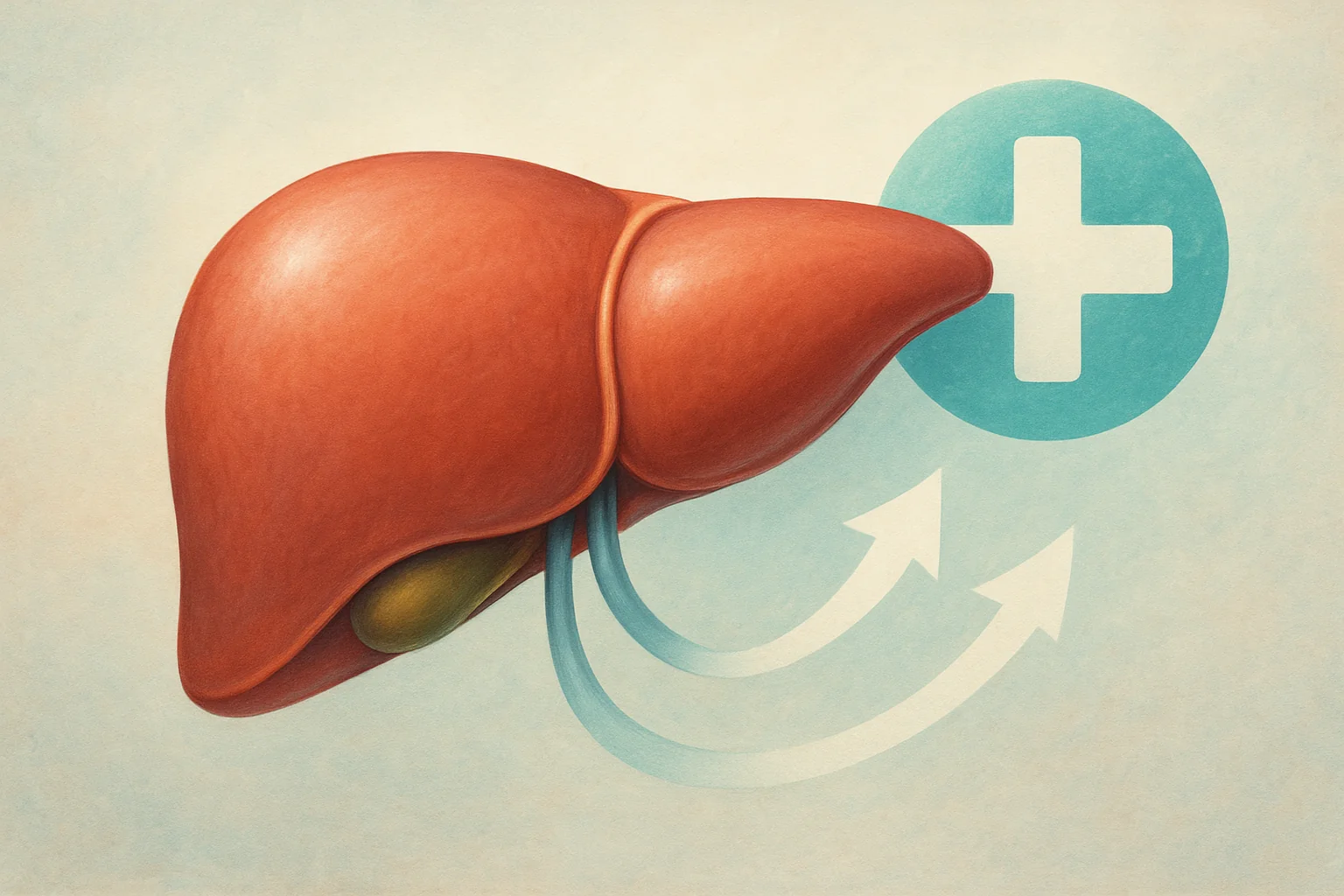
The liver has remarkable healing ability. Here's what actually happens during one week without alcohol and how long complete recovery takes.
What You'll Learn:
• How alcohol damages the liver in the first place.
• What liver changes occur after 7 days without drinking.
• When 7 days is enough versus when more time is needed.
• How to tell if your liver is recovering.
• What supports liver healing during and after the first week.
When people decide to stop drinking, one of their first questions involves the liver. This vital organ bears the brunt of alcohol processing, and concerns about damage drive many decisions to quit. So does seven days of abstinence actually "reset" the liver?
The honest answer: it depends.
How Alcohol Affects the Liver
Understanding liver recovery requires understanding how alcohol causes damage in the first place.
Your liver processes everything you consume, including alcohol. When you drink, the liver prioritizes metabolizing alcohol over other functions. According to the American Liver Foundation, this process generates toxic byproducts that damage liver cells over time.
Liver damage from alcohol progresses through predictable stages. It begins with fatty liver, or steatosis, where fat accumulates in liver cells in a process that remains fully reversible with abstinence. If drinking continues, this can progress to alcoholic hepatitis, where inflammation damages the liver. Mild cases are reversible, though severe cases may not be. The next stage is fibrosis, where scar tissue begins forming. Early fibrosis may be reversible, but advanced fibrosis typically is not. Finally, extensive scarring leads to cirrhosis, which impairs liver function permanently. While cirrhosis cannot be reversed, its progression can be stopped.
Where you fall on this spectrum dramatically affects how much healing can occur in one week.
What Happens to the Liver During 7 Days Without Alcohol
Even in just one week, significant changes occur within your liver.
During the first few days, your liver stops processing incoming alcohol and begins clearing accumulated toxins. Inflammation starts decreasing, recent cellular damage begins repairing, and the liver redirects energy toward regeneration. This represents the immediate response phase where your body recognizes the absence of its usual toxic burden.
As the week progresses into days four through seven, active recovery accelerates. Fat begins leaving liver cells, liver enzymes start returning toward normal ranges, inflammation continues decreasing, new liver cells begin forming, and processing efficiency improves. The National Institute on Alcohol Abuse and Alcoholism confirms that the liver begins healing almost immediately when alcohol intake stops.
When 7 Days Is Enough
For certain situations, one week can produce significant liver improvement.
If damage is limited to fat accumulation without inflammation or scarring, substantial healing can occur in seven days. Studies show fatty liver can begin reversing within days of alcohol cessation. After one week, fat content may decrease noticeably, liver enzymes often improve, processing function normalizes, and inflammation resolves. For people at this stage, seven days produces meaningful "reset."
People who drink lightly to moderately and haven't developed significant liver strain may find one week sufficient to clear any accumulated burden and return to baseline function. Similarly, if heavy drinking is recent rather than long-standing, the liver may recover more quickly because damage hasn't had time to become entrenched.
When 7 Days Isn't Enough
For more advanced damage, one week is a starting point rather than a complete solution.
Inflammation from alcoholic hepatitis requires more than seven days to resolve. Mild cases may need weeks to months of abstinence for full recovery, while severe cases may cause permanent damage. Scar tissue from fibrosis takes considerable time to reverse, if reversal is possible at all. Early fibrosis may slowly improve over months of abstinence, but more advanced fibrosis may be permanent.
Cirrhosis cannot be reversed. However, stopping alcohol can prevent further damage and allow the remaining healthy liver tissue to function better. Even with cirrhosis, abstinence improves outcomes significantly. Years of heavy drinking cause accumulated damage that takes months to years to repair fully. One week is a crucial first step but not a complete reset.
How to Know If Your Liver Is Recovering
Several indicators suggest liver improvement is occurring.
Physical signs of recovery include reduced right-side abdominal discomfort, less fatigue, improved appetite, better digestion, and reduced bloating. These changes often become noticeable within the first week or two of abstinence.
Liver function can also be measured through blood tests. Key markers include ALT (Alanine Aminotransferase), which is often elevated with liver damage and decreases with healing, and AST (Aspartate Aminotransferase), which follows a similar pattern. GGT (Gamma-Glutamyl Transferase) is particularly sensitive to alcohol and drops quickly with abstinence. Bilirubin becomes elevated when liver function is impaired and normalizes with recovery. If you've had elevated liver enzymes, retesting after a period of abstinence can show improvement.
The Liver's Remarkable Regenerative Capacity
The liver is unique among organs in its ability to regenerate. According to research in hepatology, the liver can regenerate from as little as 25% of its original mass.
This means even significant damage may be partially reversible if alcohol intake stops, damage hasn't progressed to advanced cirrhosis, and the body is otherwise healthy enough to support regeneration. However, regeneration takes time. Full recovery from substantial damage may require six months to two years of abstinence.
Supporting Liver Recovery
Several factors can support and accelerate liver healing.
The most important factor is sustained absence of alcohol. Each additional day without drinking allows continued healing. Nutrition also plays a vital role, as the liver needs protein to support tissue regeneration, antioxidants to help neutralize free radical damage, B vitamins that are often depleted by alcohol and essential for liver function, and adequate calories to provide energy for repair. A balanced diet supports recovery better than any supplement.
Proper hydration supports liver function and toxin elimination. Aim for adequate water intake throughout the day. While the liver heals, minimize other demands by avoiding unnecessary medications that stress the liver, limiting high-fat foods, reducing processed food intake, and avoiding environmental toxins when possible. If you've had elevated liver enzymes or known liver damage, medical follow-up can track recovery and catch any complications.
The Bigger Picture: One Week in Context
Seven days is an important milestone in the first week without alcohol, but liver recovery exists within a larger timeline.
At one week, initial healing begins as fat starts leaving the liver, enzymes begin normalizing, and inflammation decreases. At two weeks, recovery accelerates with more noticeable improvement in function and markers. By one month, substantial healing occurs for fatty liver, with significant enzyme improvement and inflammation largely resolved.
At three months, major recovery milestones are reached. Even moderate fibrosis may show improvement, and energy and function become noticeably better. Between six months and one year, deep healing continues. Fibrosis that will reverse has done so, and maximum recovery for most damage levels is achieved. Beyond one year, the liver enters a maintenance phase where it has recovered as much as it will, and focus shifts to protecting gains.
What If Liver Damage Concerns You?
If you're worried about liver health, consider getting baseline testing through a liver function panel to assess current status and provide a reference point for improvement. Start your recovery period knowing that even one week produces measurable changes. Use this as a starting point for longer-term abstinence. Follow up by retesting after a period of abstinence to see improvement and confirm recovery is occurring. Seek support because quitting alcohol is challenging, and support systems, whether medical, social, or both, improve success rates.
When Quitting Is Difficult
If concern about liver health motivates you to stop drinking but staying stopped proves difficult, medical support can help.
Naltrexone reduces cravings and blocks some of alcohol's rewarding effects, making abstinence more sustainable. This FDA-approved medication addresses the neurological aspects of alcohol use that make quitting challenging.
Summary
Is seven days enough to reset your liver? The answer depends on your starting point.
Yes, substantially, if you have fatty liver without advanced inflammation, you're a light to moderate drinker, or heavy drinking is recent rather than long-standing. In these cases, one week produces meaningful healing.
No, but it's a crucial start, if you have alcoholic hepatitis, fibrosis, or cirrhosis, or if you've been a heavy drinker for years. In these situations, seven days begins a process that continues for months.
Regardless of damage level, one week of abstinence allows the liver to begin healing. The liver's regenerative capacity is remarkable, but full recovery from significant damage takes months to years.
If you're concerned about liver health and want support with reducing or stopping alcohol, take an Alcohol Use Assessment to explore your options.