A 2 minute assessment to get a personalized mental health or alcohol recovery plan.

Straight spirits are consistently the lowest-calorie alcoholic drinks at about 97 calories per serving, but what you mix them with, and how much you drink, matters far more than the drink itself.
What You'll Learn:
• The lowest-calorie alcoholic drinks ranked across every major category
• Why spirits, hard seltzers, and dry wines are the lightest options
• How mixers turn a 97-calorie spirit into a 400-calorie cocktail
• Smart ordering strategies that work at any bar or restaurant
• Why reducing how much you drink is the most powerful calorie strategy
If you have ever Googled "lowest calorie alcoholic drinks" while deciding what to order, you are not alone. Whether you are watching your weight, training for something, or just curious about what you are actually putting in your body, the calorie content of alcohol is worth understanding -- and it is more nuanced than most lists make it seem.
The short answer is that straight spirits are almost always the lowest-calorie option per standard serving, and sugary mixed drinks are almost always the highest. But the full picture involves mixers, serving sizes, drink categories, and some metabolic realities that go well beyond a simple calorie count.
This guide ranks the lowest-calorie alcoholic drinks across every major category, explains why certain drinks are lighter than others, and covers the practical strategies that actually help. We will also talk about why alcohol calories behave differently in your body than food calories -- and why reducing how much you drink may matter more than perfecting what you drink.
How Alcohol Calories Actually Work (and Why They Are Different)
Before diving into the ranked list, it helps to understand what makes alcohol calories unique.
Pure alcohol (ethanol) contains about 7 calories per gram. That places it between carbohydrates and protein (4 calories per gram each) and fat (9 calories per gram). But unlike carbs, protein, or fat, alcohol provides zero nutritional value. There are no vitamins, no minerals, no fiber, and no essential amino acids. Every calorie from ethanol is what nutritionists call "empty."
According to the National Institute on Alcohol Abuse and Alcoholism, a standard drink in the United States contains roughly 14 grams of pure alcohol. That works out to about 98 calories from the ethanol alone -- before you factor in any sugars, mixers, or residual carbohydrates in the beverage.
Here is where it gets interesting from a metabolic standpoint. Your liver treats alcohol as a priority toxin. When you drink, your liver essentially pauses its other jobs -- including burning fat for energy -- and focuses on breaking down the ethanol first. This means that while your body is processing alcohol, the calories from the food you ate alongside it are more likely to be stored as fat rather than burned. This metabolic shift is one reason why alcohol's impact on your body goes beyond simple calorie math.
The Lowest-Calorie Alcoholic Drinks, Ranked by Category
Not all alcoholic drinks are created equal when it comes to calories. Here is how the major categories stack up, from lowest to highest, using standard serving sizes.
Spirits Neat or on the Rocks
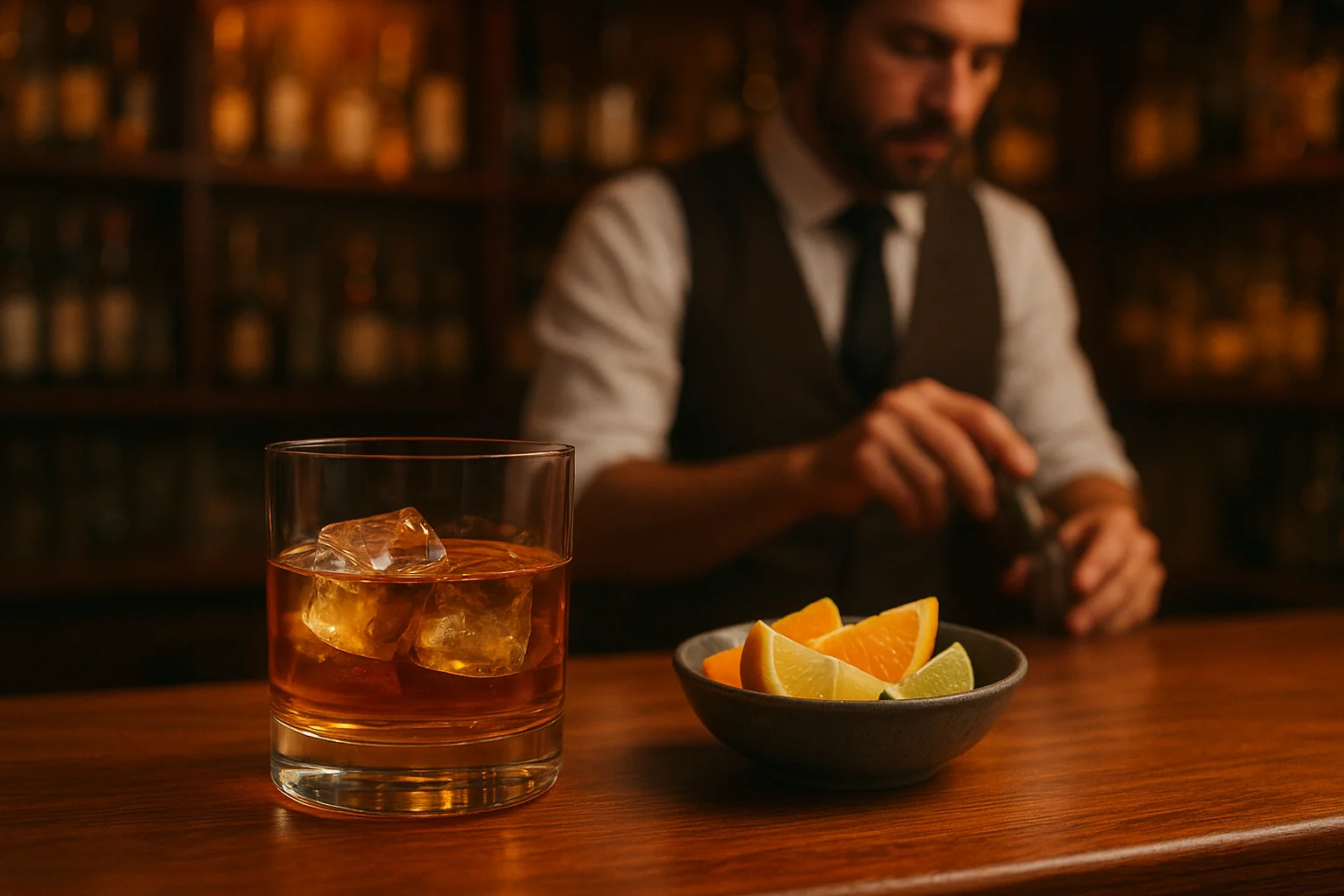
Straight spirits are consistently the lowest-calorie alcoholic drinks per standard serving. A 1.5-ounce pour of 80-proof liquor contains roughly 97 calories, and that number stays remarkably consistent across spirit types:
• Vodka (1.5 oz, 80 proof): approximately 97 calories
• Tequila (1.5 oz, 80 proof): approximately 97 calories
• Gin (1.5 oz, 80 proof): approximately 97 calories
• Rum (1.5 oz, 80 proof): approximately 97 calories
• Whiskey (1.5 oz, 80 proof): approximately 97 calories
• Brandy (1.5 oz, 80 proof): approximately 97 calories
The reason spirits are so low-calorie is straightforward: distillation removes virtually all residual sugars and carbohydrates. What remains is ethanol and water. There is no meaningful calorie difference between vodka, tequila, gin, whiskey, or rum at the same proof -- the calories come from the alcohol content, not the grain or fruit it was made from. As we detail in our guide to vodka calories, a higher proof does mean more calories, but at the standard 80 proof, all spirits land in the same narrow range.
Hard Seltzers and Sparkling Options
Hard seltzers have carved out a major category in the low-calorie space, and the numbers back it up:
• Hard seltzer (12 oz can, ~5% ABV): approximately 95 to 110 calories
• Champagne or brut sparkling wine (5 oz): approximately 90 to 105 calories
• Prosecco (5 oz): approximately 90 to 98 calories
Most hard seltzers achieve their low calorie count by using a simple alcohol base (often fermented cane sugar) with minimal added sweeteners. Brut sparkling wines are naturally low in residual sugar, which is why a glass of champagne or prosecco can actually be lighter than many beers.
Light Beers
Light beers were the original "low-calorie alcoholic drink" and they remain a solid option:
• Corona Premier (12 oz): approximately 90 calories
• Michelob Ultra (12 oz): approximately 95 calories
• Miller Lite (12 oz): approximately 96 calories
• Coors Light (12 oz): approximately 102 calories
• Bud Light (12 oz): approximately 110 calories
Light beers cut calories by reducing both the alcohol content (typically 3.5 to 4.2% ABV versus 5% or more for regular beer) and the residual carbohydrates. For a deeper look at how different beers compare, our breakdown of beer calories covers everything from IPAs to stouts. The gap between a light lager at 95 calories and a craft double IPA at 300-plus calories is enormous.
Dry Wines
Wine calories depend heavily on sweetness and alcohol content. Dry wines -- those with little residual sugar -- tend to fall in a moderate range:
• Dry white wine like Sauvignon Blanc (5 oz): approximately 119 calories
• Pinot Grigio (5 oz): approximately 122 calories
• Dry red wine like Pinot Noir (5 oz): approximately 121 calories
• Cabernet Sauvignon (5 oz): approximately 122 calories
• Dry rose (5 oz): approximately 120 calories
Sweet wines like Moscato, Riesling, or port can run 150 to 230 or more calories per serving. If you are choosing wine with calories in mind, "dry" is the keyword to look for. Our guide to wine calories breaks down the full spectrum from bone-dry to dessert wines.
Simple Mixed Drinks
Once you add a mixer to a spirit, the calorie count changes dramatically. These are the simplest, lowest-calorie mixed drink options:
• Vodka soda with lime: approximately 97 calories
• Gin and soda with lime: approximately 97 calories
• Tequila and soda with lime: approximately 97 calories
• Rum and diet cola: approximately 97 to 100 calories
• Whiskey and diet ginger ale: approximately 97 to 100 calories
The pattern is clear: a spirit plus a zero-calorie mixer keeps you in the same range as drinking the spirit straight. The moment you switch from soda water to tonic water, juice, or a sugar-sweetened soda, the numbers start climbing.
The Mixer Trap: How 100 Calories Becomes 400
This is where most calorie-conscious drinkers get caught off guard. The spirit itself is not the problem -- it is what goes in with it.
Consider gin as an example. A 1.5-ounce pour of gin contains about 97 calories. Here is what happens when you change the mixer:
• Gin neat: 97 calories
• Gin and soda water: 97 calories
• Gin and tonic: approximately 171 calories (tonic water adds about 74 calories from sugar)
• Gin and cranberry juice: approximately 207 calories
• Tom Collins: approximately 200 calories (simple syrup and lemon juice)
• Gin-based tropical cocktail: 300 to 500 calories (fruit juices, syrups, liqueurs)
The same spirit goes from under 100 calories to potentially 400-plus depending solely on what surrounds it. Tonic water is a particularly common trap because people assume it is similar to soda water. It is not -- regular tonic contains roughly the same amount of sugar as a soft drink.
Syrups compound the issue further. Simple syrup, agave, honey, grenadine, and flavored liqueurs like triple sec or amaretto can each add 50 to 150 calories per cocktail. When a recipe calls for two or three of these, you are looking at a drink that rivals a full meal in calorie content. Our guide to tequila calories illustrates this well: a straight shot of tequila is 97 calories, but a standard margarita made with triple sec and sweetened lime juice can climb past 275.
Smart Ordering Strategies That Actually Work
Knowing which drinks are lowest in calories is useful, but having a few reliable strategies makes it practical in real-world situations.
Lead with the spirit, not the cocktail menu. Instead of scanning the specialty cocktail list (where calorie counts are rarely posted and recipes tend to be sugar-heavy), pick a spirit you enjoy and ask for it with soda water and fresh citrus. This gives you a drink in the 97-calorie range every time, regardless of the bar.
Ask about the "skinny" version. The skinny cocktail movement has become widespread enough that many bartenders and restaurants now offer lighter versions of classic drinks. A skinny margarita, for instance, typically swaps triple sec and sweet-and-sour mix for fresh lime juice and a splash of agave, cutting the calorie count from roughly 275 down to 150 or less. It does not hurt to ask.
Watch the refills. A single vodka soda at 97 calories is a light choice. Four of them across an evening is 388 calories -- roughly equivalent to a meal -- and that does not account for the late-night food decisions that often follow. The calorie savings of choosing a lighter drink can be entirely undone by drinking more of them.
Be skeptical of "healthy" cocktails. Drinks described with words like fresh-pressed, superfood, organic, or antioxidant-rich sound virtuous but often contain as many calories as conventional cocktails. Fresh juice still has sugar. Organic agave still has calories. Evaluate the ingredients, not the marketing.
Choose still water as your alternating drink. According to a study from the McMaster University, alternating alcoholic drinks with water is one of the most effective strategies for controlling both total intake and total calorie consumption in a single session.
Why Alcohol Calories Matter Beyond the Scale
If you are thinking about alcohol calories purely in terms of weight management, you are only seeing part of the picture. The way your body handles alcohol creates a cascade of metabolic effects that go beyond the number on the calorie label.
Your liver puts everything else on hold. When you drink, your liver prioritizes metabolizing ethanol above all other tasks, including processing the fats, carbohydrates, and proteins from your food. Research published in The American Journal of Clinical Nutrition has shown that even moderate alcohol consumption significantly reduces the body's ability to oxidize fat. In practical terms, this means the dinner you ate alongside those drinks is more likely to end up stored as body fat.
Alcohol increases appetite. Multiple studies have found that alcohol stimulates appetite and lowers inhibitions around food choices. This is why late-night pizza or fast food after a few drinks feels almost irresistible. The calories from the drinks themselves are only part of the equation -- the calories from alcohol-influenced eating can easily double or triple the total.
The cumulative effect is significant. Two glasses of wine four nights a week adds roughly 1,000 calories to your weekly intake. Over a month, that is an extra 4,000 calories -- more than a full day's worth of food. Over a year, it adds up to approximately 52,000 surplus calories. These numbers explain why people who exercise regularly and eat reasonably well can still struggle with weight when regular drinking is part of the picture.
This is one reason why the relationship between alcohol and weight gain is more complicated than most people realize. It is not just about choosing a lighter drink. It is about how alcohol fundamentally changes the way your body processes everything you consume.
The Most Effective Low-Calorie Strategy: Drinking Less
Here is something worth saying plainly: optimizing your drink choice is a smart move, but reducing how much and how often you drink is a far more powerful one.
Swapping a 275-calorie margarita for a 97-calorie vodka soda saves you 178 calories per drink. That is meaningful. But going from four drinks on a Saturday night to two saves you roughly 200 to 550 calories regardless of what you are drinking -- and it also means less metabolic disruption, better sleep, fewer impulsive food decisions, and a clearer Sunday morning.
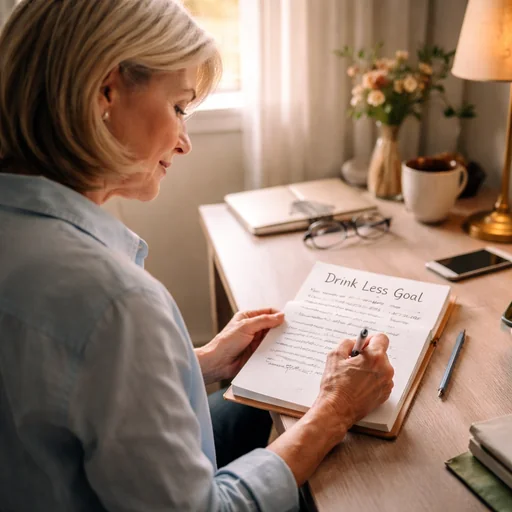
If you have been researching low-calorie drinks as part of an effort to feel better and take more control of your health, that instinct is worth following further. Many people start by fine-tuning their drink choices and eventually realize that the frequency and quantity of their drinking is what really needs attention. That realization is not a failure -- it is a sign of honest self-assessment, and it is far more common than you might think.
For people who find that cutting back on their own is harder than expected, evidence-based support exists. Naltrexone is an FDA-approved medication that works by reducing the rewarding effects of alcohol in the brain. It does not force you to stop drinking or make you ill if you do -- it simply makes the experience less reinforcing, which helps many people naturally drink less over time. According to a large-scale meta-analysis published in JAMA covering more than 20,000 participants across 118 clinical trials, naltrexone was shown to significantly reduce heavy drinking days and overall alcohol consumption.
The point is not that calorie counting does not matter. It does, and choosing lighter drinks is a perfectly reasonable strategy. But the most effective "low-calorie" approach to alcohol is almost always consuming less of it overall.
Moving Forward on Your Own Terms
Whether you walked into this article looking for a quick calorie comparison or you are starting to think more seriously about your relationship with alcohol, both paths are valid. Small changes -- like choosing spirits over sugary cocktails, or soda water over tonic -- add up over time. And bigger changes, like deciding to drink less frequently or seeking support to help you get there, can transform how you feel physically and mentally.
You do not need to be in crisis to decide you want something different. Noticing that alcohol is affecting your weight, your energy, your sleep, or your sense of control is reason enough to explore your options. And if you have tried to moderate on your own without lasting success, that is not a reflection of willpower. It is a reflection of how alcohol interacts with the brain's reward system -- something that medical support can genuinely help with.
If you are curious about whether a structured, evidence-based approach could work for you, Choose Your Horizon offers a quick, private online Alcohol Use Assessment to help you understand your options, including whether naltrexone might be a good fit. It takes just a few minutes, it is completely discreet, and there is no obligation.
Every step toward a healthier relationship with alcohol -- whether it is choosing a lighter drink or choosing to drink less -- is a step worth taking.