A 2 minute assessment to get a personalized mental health or alcohol recovery plan.

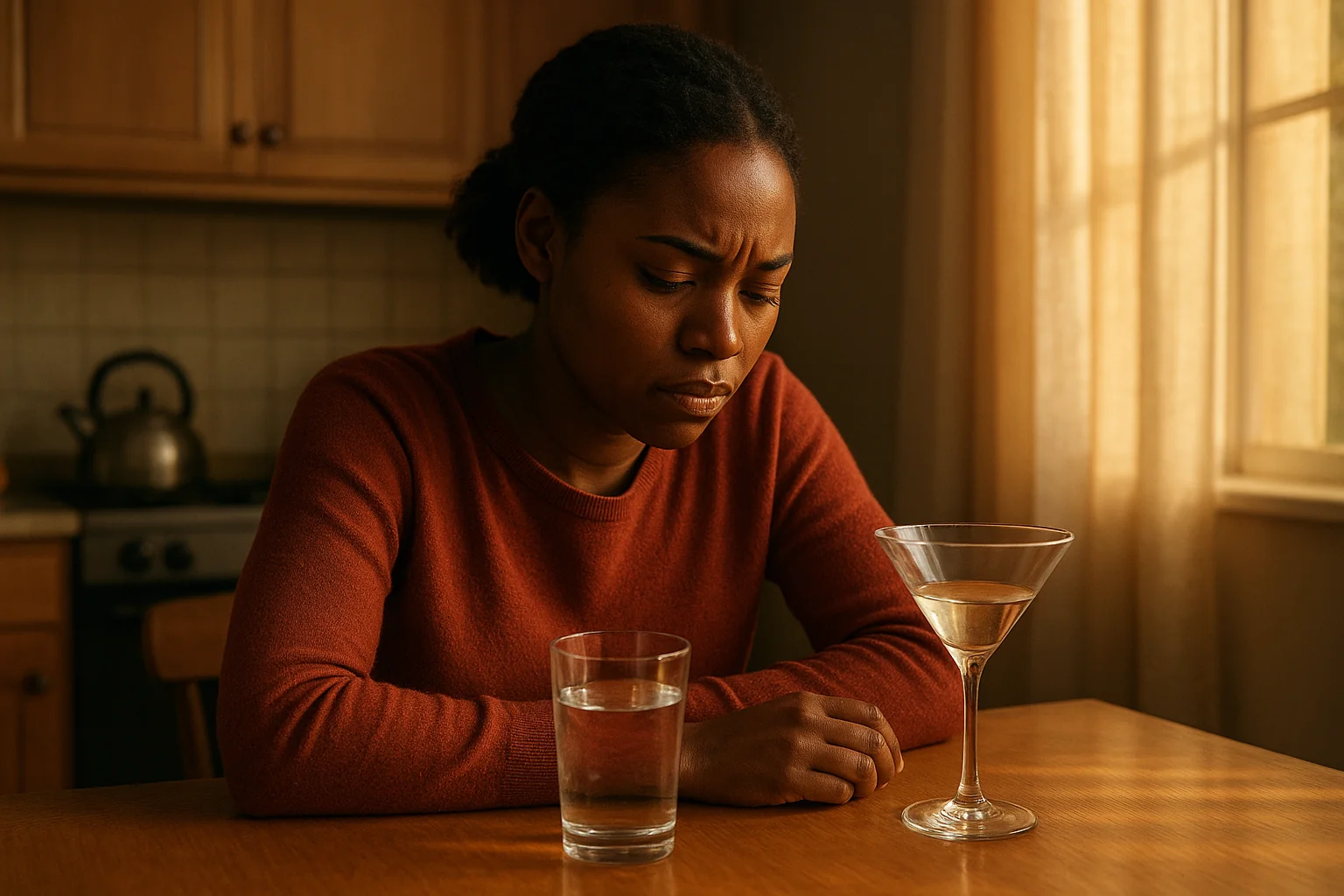
Alcohol doesn't create anger, but it removes the guard rails that keep it in check.
What You'll Discover:
• Why alcohol suppresses the brain regions controlling emotion and judgment
• How repeated drinking rewires your baseline mood and irritability
• The direct link between alcohol and aggressive behavior
• Concrete strategies to interrupt the anger-alcohol cycle
• How evidence-based treatment can restore emotional regulation
Your spouse mentions something mildly critical. Normally, you'd brush it off. But three drinks in, you're furious. The anger feels disproportionate, unstoppable. You say things you regret.
This isn't character weakness. When you drink, your brain undergoes measurable chemical changes that hijack emotional control.
How Alcohol Disrupts Emotional Regulation
Alcohol is a central nervous system depressant. It slows down the signals traveling between your brain cells, but not uniformly. The first regions it affects are those responsible for judgment and impulse control.
Your prefrontal cortex handles emotional regulation, social behavior, and decision-making. Alcohol suppresses this area within minutes of your first drink.
Simultaneously, your amygdala, the brain region processing raw emotions and fear, remains highly active. You're left with a powerful emotional circuit firing without the logical governor that normally moderates it.
Think of it as a car with a revved engine but faulty brakes. The anger circuits light up, but your brain can't apply the brakes.
According to research highlighted by the NIH on alcohol and aggression, alcohol reduces activity in the orbitofrontal cortex (OFC), which communicates with the amygdala to calm emotional intensity.
Without this communication, emotional responses become exaggerated and uncontrolled.
Why Suppressed Emotions Emerge When You Drink
Alcohol doesn't generate anger from nothing. Instead, it unmasks feelings that already exist beneath the surface.
You might feel resentment toward your partner, insecurity about work, or unresolved hurt from the past. Sober, you manage these feelings through rational reframing, distraction, or healthy coping.
Alcohol dissolves that protective layer of inhibition.
The specific emotional flavor that emerges depends on what's lying dormant. Someone carrying resentment becomes verbally lashing. Someone with shame about themselves becomes defensive and aggressive.
The emotion was already there, dormant, waiting for the chemical key that unlocks it.
Binge drinking intensifies this effect. Studies show binge drinkers express aggression more frequently than steady drinkers, even when consuming similar total amounts of alcohol.
The rapid spike in blood alcohol concentration creates an acute suppression of impulse control that steady, slower drinking doesn't produce.
The Neurotransmitter Cascade
Beyond the structural changes in brain regions, alcohol disrupts neurotransmitter balance.
Alcohol increases dopamine in the short term, which fuels rewarding sensations and can amplify emotional arousal. Simultaneously, it disrupts serotonin, the neurotransmitter that maintains mood stability and emotional composure.
Low serotonin is associated with irritability, impulsivity, and aggression.
Chronic drinkers develop tolerance. Their brain adapts to high alcohol exposure by downregulating dopamine and serotonin production. Over time, their baseline serotonin drops, leaving them irritable and emotionally volatile even when sober.
This is why someone who drinks heavily every night may seem angry and reactive throughout the day. Their brain chemistry has shifted permanently until they stop drinking and allow the system to recalibrate.
The Anger-Alcohol Feedback Loop
Here's where the cycle becomes self-reinforcing.
You feel angry. You drink to suppress the anger through alcohol's sedative effect. Alcohol works temporarily, providing numbing and avoidance. But as the alcohol clears, your anger returns amplified, along with guilt and shame about your behavior.
You drink again to avoid these painful feelings. Each cycle further damages the neural pathways that regulate emotion and deepens the habit.
Over weeks and months of repetition, your brain rewires itself. Anger and drinking become linked pathways in your neural network. Your tolerance for frustration shrinks. Minor irritations trigger disproportionate responses.
You're more reactive, less able to self-soothe without alcohol.
The CDC reports that heavy alcohol use is associated with increased rates of intimate partner violence, assault, and criminal behavior. This isn't accidental.
It's the direct result of alcohol's impact on the brain regions controlling impulse and aggression.
Chronic Alcohol Use and Baseline Irritability
The relationship between anger and alcohol changes over time.
In early drinking, alcohol might feel relaxing and socially lubricating. You feel more confident, looser, less inhibited. But with repeated heavy drinking, your baseline mood shifts.
Research in neuroscience has shown that chronic alcohol exposure causes lasting changes in the brain's stress-response system. Your body becomes hypersensitive to perceived threats. Your cortisol and adrenaline spike more easily.
You're primed for fight-or-flight responses.
This is why someone with a history of heavy drinking often reports being "angrier" overall, even when sober. Their nervous system has become dysregulated. Stress tolerance has shrunk.
The brain's calming systems have been dampened by chronic alcohol exposure.
As we explain in our guide to alcohol and cortisol, chronic drinking keeps your stress hormone system in overdrive, making irritability and rage more likely.
Gender and Genetic Differences in Alcohol-Related Anger
Not everyone becomes angry when they drink, and not everyone has equal risk.
Genetics play a significant role. Twin studies show that susceptibility to alcohol-related aggression has a heritable component. If your parents or siblings showed anger when drinking, your risk is higher.
Your genetic makeup influences how you metabolize alcohol and how your neurotransmitter systems respond to it.
Sex hormones also matter. Research suggests that men and women may metabolize alcohol differently and have different baseline tendencies toward aggression.
Hormonal fluctuations across the menstrual cycle can influence how alcohol affects mood and behavior in women.
Personality factors contribute too. People with higher baseline impulsivity, lower empathy, or histories of trauma are more prone to alcohol-fueled aggression.
Alcohol disinhibits whatever emotional patterns are present, so someone with latent hostility becomes overtly hostile when drinking.
Age matters as well. Younger drinkers show higher rates of alcohol-related violence than older drinkers, possibly because impulse control and emotional regulation continue developing into the mid-20s.
Why Anger Gets Worse the More You Drink
The relationship between alcohol and anger intensifies with drinking frequency and quantity. This isn't linear. There's a critical threshold where regular drinking fundamentally shifts your baseline nervous system state.
After weeks of daily heavy drinking, your brain adapts by adjusting neurotransmitter receptor sensitivity. GABA receptors decrease in number. Glutamate sensitivity increases. Your system becomes hardwired for hyperarousal.
Your nervous system stays in a constant state of readiness for threat, even when sober.
This is why heavy drinkers often describe themselves as perpetually angry. They're not angrier because they're worse people. They're angrier because alcohol has rewired their emotional baseline toward reactivity.
The anger you express when drinking reflects a nervous system that's been chemically altered.
Stopping drinking reverses this. Within weeks, as we describe in our guide on alcohol recovery timeline, the nervous system begins recalibrating. Baseline irritability decreases.
Stress tolerance increases. You become capable of emotional responses proportionate to actual situations.
The Specific Brain Regions Involved
Understanding the specific neural circuits helps clarify why this happens. The ventromedial prefrontal cortex assesses reward and punishment, helping you anticipate consequences.
The dorsolateral prefrontal cortex handles working memory and logical reasoning. Together, these regions help you think through the consequences of anger before acting.
Alcohol impairs both regions, but it impairs them unequally. The ventromedial system (focused on emotions) gets suppressed less than the dorsolateral system (focused on logic).
This creates an imbalance where emotional intensity dominates without logical counterweight.
The anterior insula detects bodily sensations and emotional states. In angry people, the insula becomes hyperactive.
Alcohol amplifies this hyperactivity, making you intensely aware of anger sensations without the ability to regulate them rationally.
The hippocampus, critical for memory consolidation, is also affected. This is why people often have fragmented or absent memories of angry outbursts when drinking.
The anger was happening, but your brain couldn't encode what was occurring into stable memory.
The Alcohol-Anger Cycle in Relationships
The impact of alcohol-fueled anger extends beyond the moment of anger. It damages relationships in ways that persist long after the anger subsides.
Your partner becomes anxious and hypervigilant, waiting for the next angry episode. Children internalize the unpredictability and develop their own anxiety, depression, or behavioral problems. Trust deteriorates.
The relationship becomes transactional rather than secure.
Many people stay in the cycle for years because they promise change and genuinely mean it while sober. But without addressing the underlying neurochemical disruption, the pattern repeats. Each cycle deepens hurt and erodes the relationship further.
The shift comes when the drinking stops. As your brain recalibrates and anger episodes decrease, your partner's nervous system begins relaxing. Trust slowly rebuilds as they see consistent behavioral change. The relationship can begin healing.
This recovery isn't instant. Trust takes time to rebuild after years of damage. But the trajectory shifts clearly. Within weeks of reducing drinking, relationship conflict typically decreases.
Within months, most people report significantly improved connection and reduced arguing. The shift is noticeable and undeniable.
Breaking the Cycle: Evidence-Based Solutions
The good news: you can interrupt this pattern. The neurotransmitter systems and brain structures damaged by alcohol are plastic. They can heal and rebalance.
Stop or reduce drinking. The most direct intervention is abstinence or significant reduction. Within weeks of stopping, cortisol levels normalize, serotonin production begins recovering, and emotional volatility decreases. The brain's regulatory capacity rebuilds.
The timeline matters. Days 1 to 5 often feel turbulent as your nervous system adjusts. Irritability may temporarily increase. This is withdrawal, not evidence that stopping was wrong. By week 2, most people notice improvements.
By week 4, the shift is often unmistakable. Situations that previously triggered rage now provoke manageable anger.
Address underlying emotions. Therapy helps identify and process the feelings driving drinking. Cognitive behavioral therapy (CBT) teaches concrete skills to regulate emotions without alcohol. You learn to notice anger building and apply techniques to de-escalate before it reaches explosive intensity.
Exploring trauma or unmet needs with a therapist removes the emotional fuel for anger. Many people discover that their rage wasn't actually about the immediate situation. It was about years of unprocessed pain seeking an outlet.
Processing that pain through therapy transforms rage into sadness, grief, or understanding.
Rebuild stress tolerance. Exercise, meditation, sleep, and social connection all support nervous system recovery. These aren't optional nice-to-haves. They're foundational for rebalancing the neurotransmitter and stress-response systems damaged by heavy drinking.
Aerobic exercise increases dopamine and serotonin production. Meditation trains your prefrontal cortex to maintain control even under stress. Quality sleep allows your brain to consolidate emotional regulation.
Social connection regulates your nervous system through attachment and vagal tone.
Consider naltrexone. The medication naltrexone, FDA-approved since 1994, reduces cravings and alcohol's rewarding effect by blocking opioid receptors. In clinical trials spanning over 118 studies and 20,976 participants, naltrexone showed consistent effectiveness. Users drank less, experienced fewer heavy drinking days, and maintained improvements for 6+ months.
Naltrexone works silently. It doesn't change your mood directly. Instead, it reduces the compulsion to drink, allowing you to build new habits and emotional patterns without alcohol's interference.
Many people report emotional improvements within 2-4 weeks as they stop drinking and start healing.
The medication is particularly effective when combined with behavioral support. The combination of reduced drinking impulse plus therapy plus lifestyle change creates powerful synergy.
What Recovery Looks Like
Stopping drinking doesn't instantly erase anger. For weeks, emotions can feel raw and intense as your brain chemistry rebalances.
But over time, the shift is unmistakable. Small frustrations stop triggering major rage. You respond to conflict with logic instead of reactivity. Sleep improves. Relationships stabilize.
You recognize patterns in your thinking that previously escaped your awareness.
As we explore in our guide on benefits of quitting alcohol, the emotional and relational improvements often rank among the most meaningful changes people report.
The World Health Organization has noted that alcohol is more closely associated with aggressive behavior than any other psychoactive substance. That's not a personal failing. It's brain biology.
But biology is not destiny. Your brain can heal. The circuits that anger and alcohol activated can be rewired toward calm and connection.
The Path Forward
If you or someone you care about struggles with anger when drinking, recognize that this is a solvable problem. It's not about willpower or character. It's about neurochemistry and habit patterns that can be changed.
The first step is honest assessment. Do you drink to manage anger? Does your anger emerge or intensify when drinking? Do you regret things you've said or done while intoxicated?
If so, you have options. Many people have found that combining medication like naltrexone with behavioral support and therapy creates lasting change in weeks and months, not years.
Choose Your Horizon offers an online Alcohol Use Assessment that can help you understand your relationship with drinking and identify the best path forward. No judgment, no pressure.