A 2 minute assessment to get a personalized mental health or alcohol recovery plan.

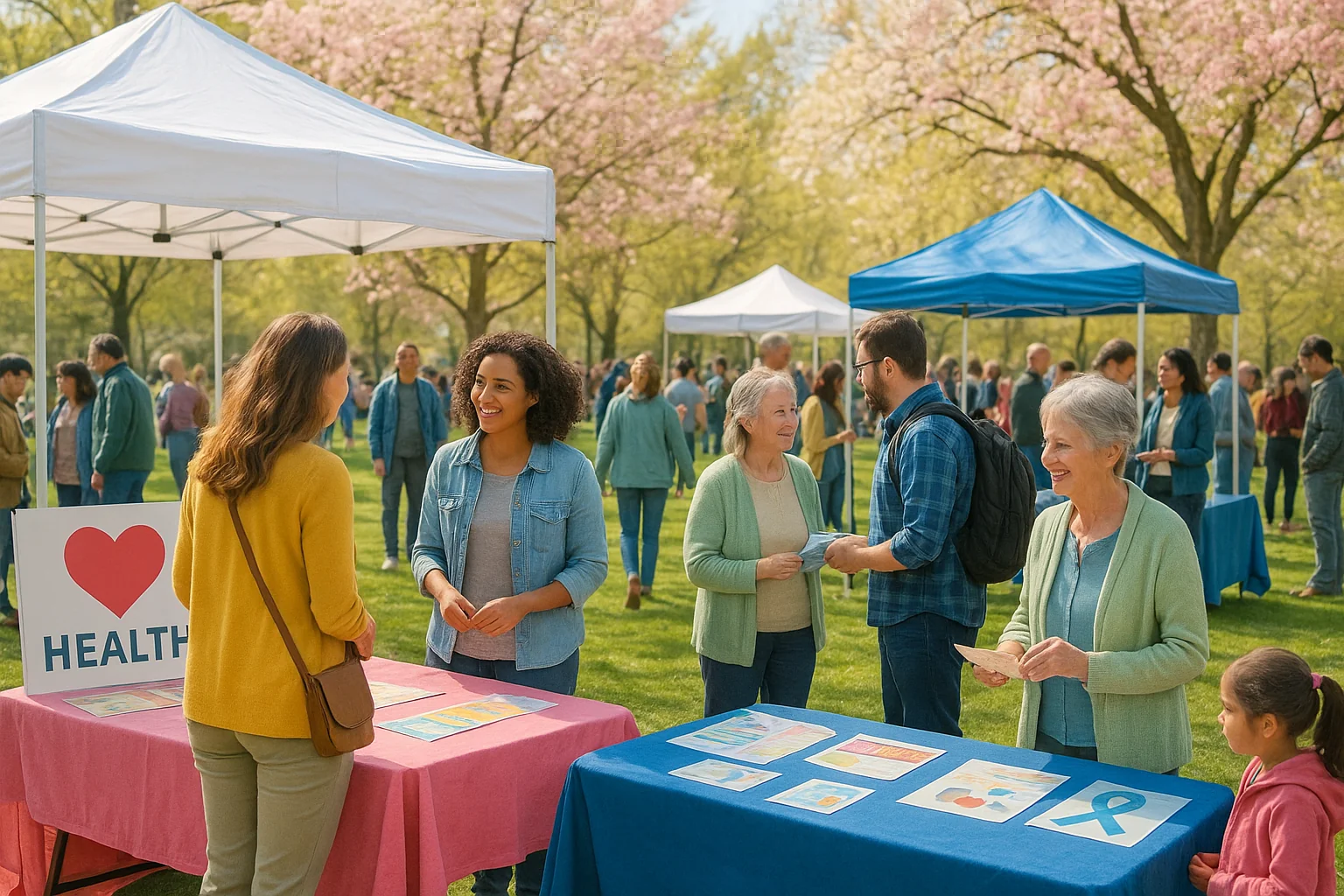
Alcohol Awareness Month each April provides resources, education, and an opportunity to evaluate your own drinking.
What You'll Discover:
• What Alcohol Awareness Month is.
• History and purpose of the initiative.
• Key statistics about alcohol use.
• How communities participate.
• Personal reflection during this month.
• Resources available.
• Taking action beyond awareness.
Alcohol Awareness Month occurs every April in the United States. Established in 1987 by the National Council on Alcoholism and Drug Dependence (now merged with other organizations), this annual observance aims to increase public awareness about alcohol use disorder and reduce stigma around seeking help. According to the National Institute on Alcohol Abuse and Alcoholism, approximately 29 million Americans had alcohol use disorder in 2022.
What Is Alcohol Awareness Month?
The first thing to know is that Alcohol Awareness Month is a national public health initiative observed each April.
Purpose:
• Increase awareness about alcohol-related issues
• Reduce stigma surrounding alcohol use disorder
• Provide education about prevention
• Encourage people to evaluate their drinking
• Highlight treatment and recovery resources
Who organizes it: Various organizations participate, including:
• National Council on Alcoholism and Drug Dependence (historic founder)
• Substance Abuse and Mental Health Services Administration (SAMHSA)
• National Institute on Alcohol Abuse and Alcoholism (NIAAA)
• State and local health departments
• Treatment providers and advocacy groups
Activities during the month:
• Educational campaigns
• Community events
• School and workplace programs
• Media coverage of alcohol-related topics
• Free screening events
Something to consider is that Alcohol Awareness Month provides an opportunity for personal reflection, not just general education.
Key Statistics About Alcohol Use
Understanding the scope of alcohol-related issues provides context.
Prevalence:
• Approximately 29 million Americans had alcohol use disorder in 2022
• Only about 10% receive any treatment
• Alcohol is the third leading preventable cause of death in the United States
Health impacts:
• Alcohol contributes to over 140,000 deaths annually in the US
• Associated with liver disease, heart disease, and certain cancers
• Increases risk of accidents, injuries, and violence
Economic costs:
• Alcohol misuse costs the US approximately $249 billion annually
• Costs include healthcare, lost productivity, and criminal justice
Who is affected:
• All ages, backgrounds, and demographics
• Men more likely to develop alcohol use disorder than women
• Genetics, mental health, and environment all play roles
For that reason, alcohol use affects far more people than many realize. The stigma often keeps problems hidden.
How Communities Participate
Organizations and communities engage in various Alcohol Awareness Month activities.
Educational events:
• Workshops on recognizing alcohol problems
• Presentations at schools and workplaces
• Information tables at community gatherings
• Webinars and online educational content
Screening programs:
• Free self-assessment opportunities
• Anonymous screening tools
• Healthcare provider screenings
Media campaigns:
• Public service announcements
• Social media awareness campaigns
• News coverage of alcohol-related topics
• Feature stories about recovery
Support for treatment:
• Information about treatment options
• Reduced-cost or free assessments
• Connection to resources
• Recovery celebrations
Workplace initiatives:
• Employee education programs
• Information about employee assistance programs
• Lunch-and-learn sessions
• Resource distribution
All that said, community activities vary widely by location. Some areas have extensive programming; others have minimal observance.
Personal Reflection During This Month
Alcohol Awareness Month provides an opportunity for honest self-evaluation.
Questions to consider:
• How much do I drink in a typical week?
• Has my consumption increased over time?
• Do I drink more than I intend to?
• Have I tried to cut back without success?
• Has anyone expressed concern about my drinking?
• Do I use alcohol to cope with stress or emotions?
• Would I be uncomfortable going a week without alcohol?
Using the month constructively:
• Track your consumption for the month
• Try reducing or eliminating alcohol temporarily
• Notice how you feel without alcohol
• Research what problematic drinking looks like
• Learn about treatment options if concerned
If it seems like you're overthinking your drinking, consider that people without problems rarely analyze their consumption this carefully. Concern itself is meaningful information.
For more on self-assessment, see our article on alcoholic quiz.
Resources Available
Various resources support those evaluating or addressing their drinking.
Self-assessment tools:
• AUDIT (Alcohol Use Disorders Identification Test)
• CAGE questionnaire
• Online screening tools from NIAAA
Information resources:
• NIAAA Rethinking Drinking website
• SAMHSA resources
• CDC alcohol information
Treatment resources:
• SAMHSA National Helpline (1-800-662-4357)
• Telehealth treatment providers
• Local treatment programs
• AA and SMART Recovery meetings
Support communities:
• Alcoholics Anonymous
• SMART Recovery
• Online communities like r/stopdrinking
• Support groups for family members
For more on available support, see our article on alcohol support.
Understanding Treatment Options
For those who realize they need help, various treatment options exist.
Medication: FDA-approved medications like naltrexone can reduce cravings and help people change their drinking. Naltrexone works by blocking opioid receptors, making alcohol less rewarding. It's taken as a daily 50mg tablet and is available through telehealth.
Counseling and therapy: Various therapeutic approaches help address underlying issues and develop coping skills.
Support groups: AA, SMART Recovery, and other peer support programs provide community connection.
Structured programs: Outpatient and inpatient programs offer intensive support for those who need it.
Telehealth options: Remote treatment provides convenient, private access to medication and support.
Our article on how naltrexone helps you regain control explains medication options in detail.
Taking Action Beyond Awareness
Awareness without action has limited value. Consider concrete steps.
If you're concerned about your own drinking:
If you're concerned about someone else:
• Express concern from a place of care
• Share specific observations, not judgments
• Provide information about resources
• Avoid ultimatums or trying to control
• Consider support for yourself (Al-Anon)
Supporting the broader cause:
• Share educational information
• Reduce stigma by talking openly about alcohol problems
• Support treatment access in your community
• Advocate for policies that reduce alcohol harm
Making This Month Count
Alcohol Awareness Month offers an annual reminder to examine drinking patterns and access resources. Whether this means general education, personal reflection, or taking concrete steps toward change, the month provides a framework for action.
If your reflection this month raises concerns about your drinking, take the online Alcohol Use Assessment to see if naltrexone and the Choose Your Horizon program might be right for you.