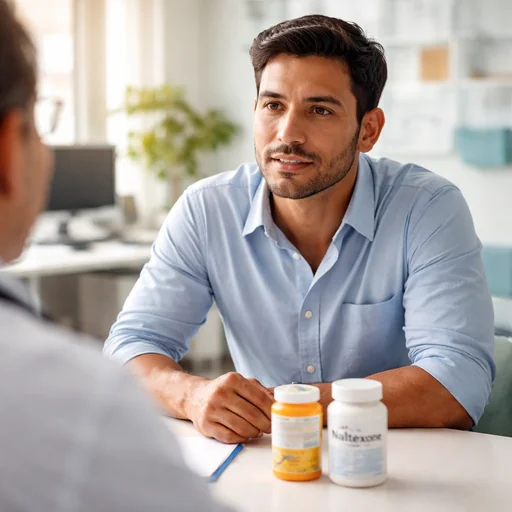
A 2 minute assessment to get a personalized mental health or alcohol recovery plan.

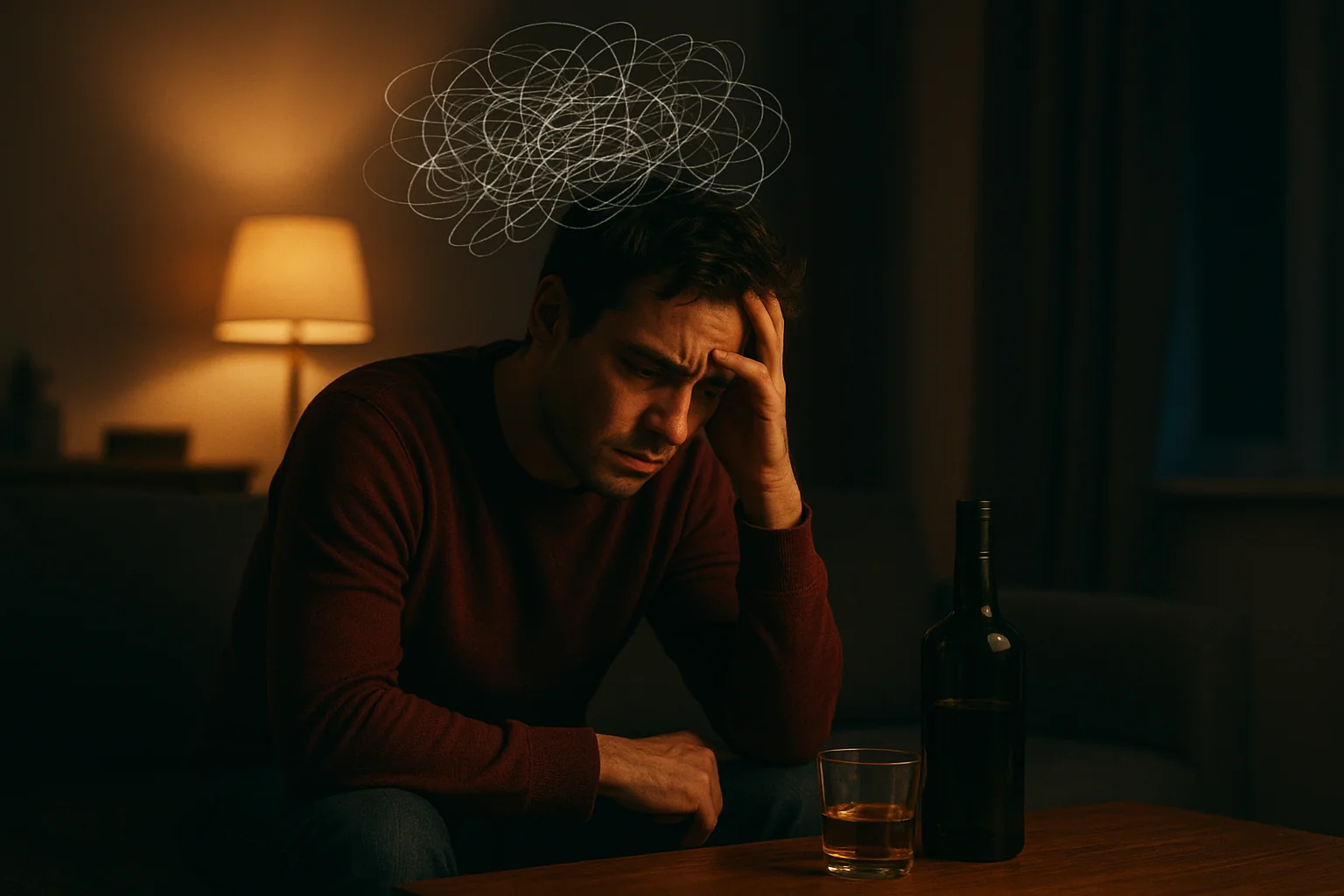
Alcohol can both temporarily relieve and ultimately cause anxiety. While drinking initially reduces anxiety through its sedative effects, the rebound as alcohol leaves your system increases anxiety. Regular drinking creates a cycle where anxiety worsens over time.
What You'll Discover:
• How alcohol temporarily relieves anxiety.
• Why alcohol ultimately causes or worsens anxiety.
• The "hangxiety" phenomenon and what causes it.
• How the anxiety-alcohol cycle develops.
• Why people with anxiety are vulnerable to alcohol problems.
• How to break the anxiety-drinking cycle.
Many people drink to calm their nerves. Alcohol's immediate effect on anxiety is real and explains why social drinking and "liquid courage" are such common patterns.
But the relationship between alcohol and anxiety is more complicated than it first appears. Understanding how alcohol affects anxiety helps explain why drinking to manage worry often backfires.
How Alcohol Temporarily Reduces Anxiety
Alcohol is a central nervous system depressant that creates immediate anti-anxiety effects.
GABA enhancement - Alcohol increases the activity of GABA, an inhibitory neurotransmitter that calms brain activity. This creates feelings of relaxation, reduced tension, and lowered inhibitions. The effect is similar to how anti-anxiety medications like benzodiazepines work.
Reduced cortisol sensitivity - Alcohol temporarily blunts the stress response, making you less reactive to anxious thoughts and situations. The usual worry signals feel muted.
Social lubrication - For people with social anxiety, alcohol reduces the self-consciousness and worry that make social situations uncomfortable. This is why alcohol is so commonly used in social settings.
Muscle relaxation - Alcohol relaxes tense muscles, reducing the physical symptoms of anxiety that often accompany worried thoughts.
Distraction effects - The cognitive impairment from alcohol makes it harder to ruminate on worries. Anxious thoughts become less persistent when attention is impaired.
These effects explain why drinking feels helpful in the moment. For someone experiencing anxiety, the relief is genuine and reinforcing. The problem comes later.
Why Alcohol Causes Anxiety to Worsen
Despite its short-term benefits, alcohol makes anxiety worse through several mechanisms.
Rebound anxiety - As alcohol leaves your system, your brain compensates for the depressant effects by becoming more excitable. This creates a rebound of heightened anxiety that's often worse than the original anxiety you were trying to relieve.
Neurotransmitter disruption - Research from the National Institutes of Health shows that regular alcohol use disrupts the balance of brain chemicals involved in mood regulation. GABA function becomes impaired, and glutamate (an excitatory neurotransmitter) activity increases. This creates a more anxious baseline state.
Sleep disruption - Alcohol fragments sleep and reduces sleep quality. Even if you fall asleep easily after drinking, you spend less time in restorative deep sleep. Poor sleep is strongly associated with increased anxiety.
Physical symptoms - Hangovers involve dehydration, blood sugar fluctuations, and inflammation that can trigger physical anxiety symptoms like racing heart, shakiness, and sweating.
Increased cortisol - Chronic drinking elevates baseline cortisol levels, making you more prone to stress responses even when not drinking.
Prefrontal cortex effects - Regular alcohol use impairs the prefrontal cortex, the brain region involved in emotional regulation and rational thinking. This makes it harder to manage anxious thoughts effectively.
The net effect is that while alcohol provides temporary relief, it creates conditions that increase anxiety over time.
Understanding "Hangxiety"
"Hangxiety" is the term for the intense anxiety that often accompanies hangovers. Many people experience worse anxiety the day after drinking than they did before drinking.
Several factors contribute to hangxiety:
GABA rebound - Your brain adapted to alcohol's GABA-enhancing effects during drinking. As alcohol clears, GABA activity drops below normal, leaving you in an anxious, hyperexcitable state.
Glutamate surge - The excitatory neurotransmitter glutamate, which was suppressed during drinking, rebounds strongly. This creates feelings of agitation and nervous energy.
Dehydration effects - Dehydration affects brain function and can worsen anxiety symptoms. The brain is sensitive to fluid balance.
Blood sugar fluctuations - Alcohol disrupts blood sugar regulation, and blood sugar drops can trigger anxiety-like symptoms including shakiness and panic.
Memory uncertainty - If you drank heavily, uncertainty about what you said or did can fuel anxious rumination. This social anxiety compounds the neurochemical effects.
Physical symptoms - Racing heart, sweating, and shakiness from hangovers feel like anxiety symptoms because they involve the same bodily responses. The body can't distinguish hangover symptoms from anxiety symptoms.
Shame and regret - Behavior while drinking may trigger guilt or embarrassment that feeds into the next day's anxiety.
Hangxiety is not imagined. It reflects real neurochemical changes that produce genuine anxiety symptoms. For people prone to anxiety, hangxiety can be severe enough to significantly affect functioning.
The Anxiety-Alcohol Cycle
A destructive cycle often develops between anxiety and drinking.
Stage 1: Using alcohol to manage anxiety - You discover that drinking reduces your anxiety. Maybe you have a few drinks before social events or drink in the evening to unwind from daily stress.
Stage 2: Increased reliance - Because it works in the moment, you begin relying on alcohol more frequently to manage anxiety. You might start drinking more or in more situations.
Stage 3: Baseline anxiety increases - Regular drinking starts affecting your brain chemistry. Your anxiety when not drinking becomes worse than it was before you started using alcohol to cope.
Stage 4: Needing more - Now you need alcohol just to feel normal. What started as relief has become necessity. Drinking brings you back to baseline rather than providing enjoyment.
Stage 5: Dependency - Physical and psychological dependence develop. Not drinking causes significant anxiety, and the only relief comes from drinking again.
This cycle explains why people with anxiety are at elevated risk for alcohol use disorder. The initial relief is genuine, but it sets up a pattern that worsens the underlying problem.
Why People With Anxiety Are Vulnerable
Several factors make anxious individuals more susceptible to problematic drinking.
Immediate relief is powerful - For someone suffering from anxiety, the fast-acting relief alcohol provides is highly reinforcing. The short-term benefit feels worth the long-term cost, even though it isn't.
Self-medication - Many people with anxiety disorders never receive proper treatment. Alcohol becomes their default coping mechanism because it's accessible, socially acceptable, and works immediately.
Social anxiety specifically - Social anxiety disorder puts people in situations where alcohol is available as a solution. Drinking at parties, work events, or dates provides immediate relief from social discomfort.
Avoidance tendencies - Anxiety often involves avoiding uncomfortable situations. Alcohol allows participation in avoided situations by numbing the discomfort, reinforcing drinking as a solution.
Genetic overlap - Some research suggests genetic factors that increase anxiety risk may also increase vulnerability to alcohol problems. The same genetic variants may influence both.
Sensitivity to effects - Some anxious people may be particularly sensitive to alcohol's anti-anxiety effects, making the reinforcement even stronger.
Anxiety During Alcohol Withdrawal
Anxiety is a primary symptom of alcohol withdrawal.
When someone who has been drinking regularly stops or significantly reduces consumption, anxiety often spikes dramatically. This is because the brain has adapted to alcohol's presence and is now in an unbalanced state.
Withdrawal anxiety can include:
• Intense worry and dread
• Panic attacks
• Restlessness and inability to relax
• Physical symptoms like trembling, sweating, and rapid heartbeat
• Difficulty sleeping due to racing thoughts
• Irritability and agitation
• Feeling like something terrible is about to happen
For heavy drinkers, withdrawal anxiety can be severe enough to require medical management. This is why supervised detox is sometimes necessary.
The anxiety of withdrawal often drives people back to drinking. They drink to relieve the anxiety that not drinking has caused, perpetuating the cycle.
How Long Does Alcohol-Related Anxiety Last?
The timeline for anxiety improvement after reducing drinking varies.
First few days: Anxiety typically increases initially, especially for regular drinkers experiencing withdrawal effects. This is often the hardest period.
One to two weeks: Acute withdrawal anxiety begins subsiding. Sleep starts improving, which helps with anxiety.
One month: Many people notice significant improvement in baseline anxiety levels by this point. The neurochemical disruption from regular drinking is beginning to resolve.
Three months and beyond: Studies show continued improvement in anxiety symptoms for up to a year after significant drinking reduction. Full normalization of brain chemistry takes time.
The key is understanding that early increases in anxiety are temporary and don't mean you need alcohol. Pushing through this period leads to improvement.
Breaking the Anxiety-Alcohol Cycle
Breaking free from the anxiety-alcohol cycle requires addressing both issues.
Recognize the pattern - Understanding that alcohol is worsening your anxiety, not helping it, is the first step. The temporary relief isn't worth the longer-term increase in baseline anxiety.
Expect temporary increases - When you first reduce drinking, anxiety will likely increase temporarily as your brain chemistry rebalances. This is withdrawal and adjustment, not evidence that you need alcohol.
Seek appropriate treatment - Anxiety disorders are highly treatable with therapy, medication, or both. Getting proper anxiety treatment reduces the need to self-medicate with alcohol.
Gradual reduction - For people who've been drinking heavily, gradual reduction is often safer and more tolerable than abrupt cessation.
Alternative coping strategies - Developing other ways to manage anxiety, such as exercise, breathing techniques, or cognitive strategies, provides alternatives to drinking.
For people whose drinking has become problematic, medication-assisted treatment with naltrexone can help reduce consumption.
Naltrexone works by blocking alcohol's pleasurable effects, reducing the reinforcement that drives continued drinking. As consumption decreases, the brain chemistry disruption that worsens anxiety begins to resolve.
What the Research Shows
Studies consistently show a connection between alcohol use and anxiety disorders.
People with anxiety disorders are 2-3 times more likely to develop alcohol use disorder than the general population. The relationship goes both ways: anxiety increases drinking risk, and drinking increases anxiety risk.
Research also shows that anxiety symptoms improve significantly when heavy drinkers reduce or stop drinking. The improvement may take several weeks as brain chemistry normalizes, but studies show meaningful reductions in anxiety after sustained changes in drinking.
This means that addressing drinking is often an important part of addressing anxiety. For someone with both conditions, treating one without addressing the other may not produce good results.
Common Questions About Alcohol and Anxiety
Can alcohol cause anxiety attacks?
Yes. Alcohol withdrawal, even mild withdrawal between drinking sessions, can trigger panic attacks. The rebound of excitatory neurotransmitters as alcohol clears can produce panic symptoms in susceptible individuals. Many people experience their first panic attack during a hangover.
Does anxiety go away if you stop drinking?
For many people, anxiety significantly improves after sustained reduction or abstinence from alcohol. However, if you had an underlying anxiety disorder before drinking became a problem, that condition may still need treatment. The anxiety worsened by alcohol should improve with time, usually within weeks to months.
Why does alcohol help my anxiety at first?
Alcohol genuinely does reduce anxiety in the short term through its effects on GABA and the stress response. The problem is that these short-term benefits come with long-term costs that worsen anxiety overall. The relief is real but temporary, and the price is paid later.
Is my anxiety causing me to drink, or is drinking causing my anxiety?
Often both. The relationship is bidirectional. Anxiety can drive drinking as self-medication, and drinking worsens anxiety over time. Both need to be addressed to break the cycle.
Can I have one drink to calm my nerves?
One drink occasionally is unlikely to cause significant anxiety problems for most people. However, if you find yourself needing that drink regularly, or one becomes two or three, a problematic pattern may be developing. Relying on alcohol to manage anxiety tends to escalate.
Should I take anxiety medication while reducing drinking?
This is a conversation to have with a healthcare provider. Some anxiety medications can help during the initial period when anxiety increases after reducing drinking. However, certain medications (like benzodiazepines) carry their own risks and may not be appropriate for people with alcohol problems.
Why is my anxiety worse the morning after drinking?
Morning-after anxiety (hangxiety) results from the neurochemical rebound as alcohol clears your system. GABA activity drops below normal while glutamate activity increases, creating an anxious state. This is compounded by dehydration, blood sugar changes, and poor sleep quality. The effect is usually worst 12-24 hours after your last drink.
Conclusion
Alcohol temporarily relieves anxiety but ultimately makes it worse. The short-term benefits of drinking create long-term increases in anxiety through neurotransmitter disruption, sleep impairment, and withdrawal effects.
People with anxiety are vulnerable to using alcohol as a coping mechanism, which can lead to a cycle where both anxiety and drinking worsen over time.
Breaking this cycle requires recognizing the pattern, getting appropriate treatment for anxiety, and reducing alcohol consumption. Medication-assisted treatment can help with the drinking component while other interventions address the underlying anxiety.
Take the online Alcohol Use Assessment to see if medication-assisted treatment could help you reduce drinking and break the anxiety-alcohol cycle.