A 2 minute assessment to get a personalized mental health or alcohol recovery plan.

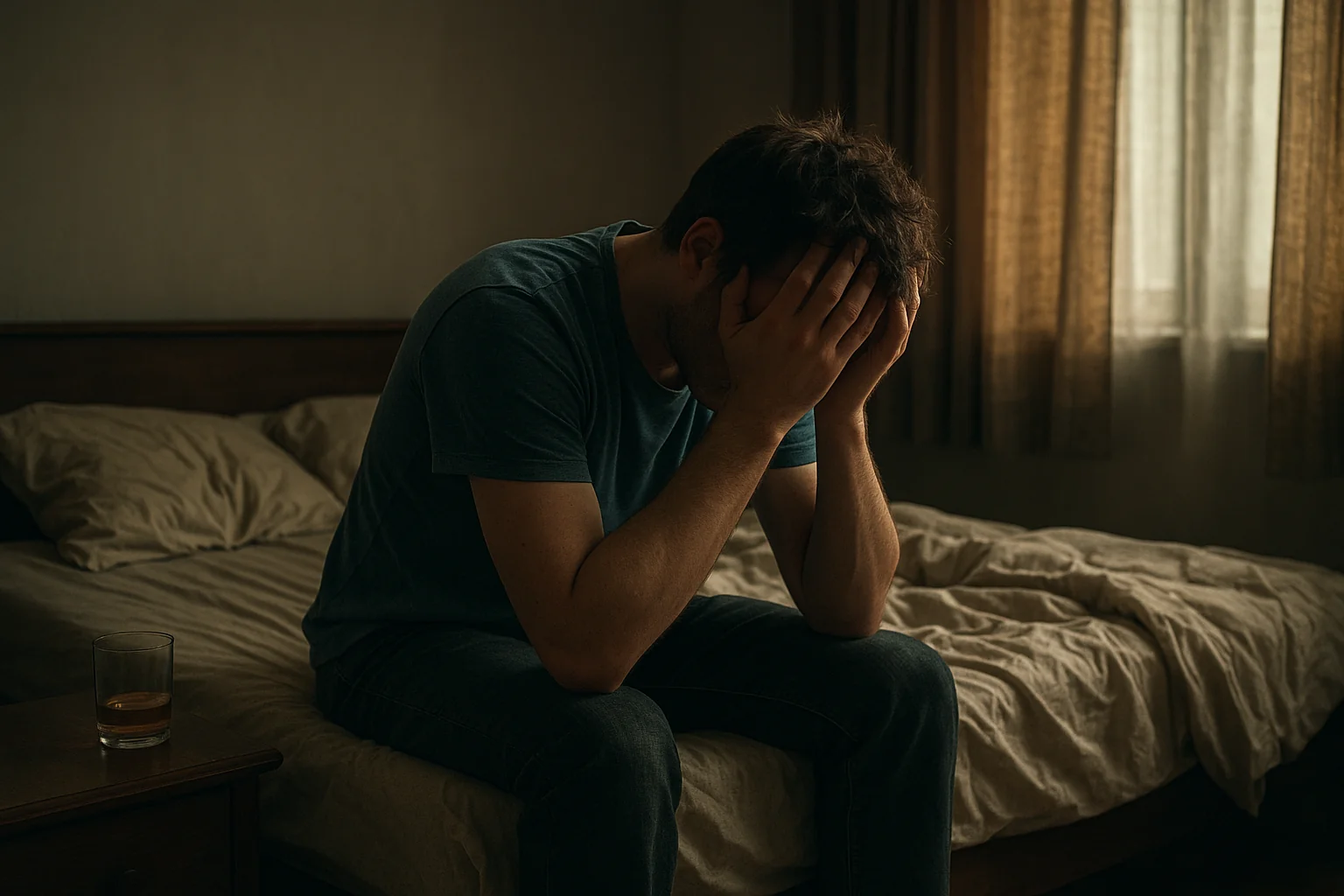
Feeling depressed the day after drinking is a real phenomenon caused by changes in brain chemistry. As alcohol leaves your system, neurotransmitter imbalances create low mood, sadness, and hopelessness that can last hours to days. Understanding this pattern helps you decide how to address it.
What You'll Discover:
• Why alcohol causes depression the day after drinking.
• The brain chemistry behind post-alcohol low mood.
• How long day-after depression typically lasts.
• The difference between hangover depression and clinical depression.
• Who is most vulnerable to this effect.
• How to reduce or prevent day-after depression.
Many people wake up the day after drinking feeling emotionally low. Beyond the physical hangover symptoms, there's a heaviness, sadness, or sense of hopelessness that seems disproportionate to anything that happened the night before.
This post-alcohol depression is not imagined. It has real and measurable neurochemical causes and affects some people more severely than others.
Why Alcohol Causes Depression the Next Day
Several mechanisms explain why you might feel depressed after drinking.
Dopamine crash - Alcohol triggers dopamine release during drinking, creating feelings of pleasure and reward. The next day, dopamine levels drop below baseline as your brain compensates. This creates a neurochemical state associated with low mood and lack of motivation.
The dopamine system works on a balance principle. Artificially high dopamine during drinking is followed by artificially low dopamine afterward. The bigger the high, the lower the subsequent low.
Serotonin depletion - Alcohol initially increases serotonin activity, which contributes to the relaxed, happy feeling of intoxication. As alcohol clears, serotonin function is temporarily impaired. Since serotonin regulates mood, this depletion contributes to depression.
GABA rebound - Alcohol enhances GABA, an inhibitory neurotransmitter that reduces anxiety and creates calm. The next day, GABA activity drops and glutamate (an excitatory neurotransmitter) increases. This creates a state of nervous agitation that can manifest as anxious depression.
Cortisol elevation - Research shows that alcohol increases cortisol, the stress hormone. Elevated cortisol is linked to depression and anxiety. The day after drinking, cortisol may still be elevated, contributing to stressed, depressed feelings.
Sleep disruption - Alcohol fragments sleep and reduces time in restorative sleep stages. Poor sleep is strongly associated with depression. Even if you slept for eight hours, the quality was impaired.
Blood sugar fluctuations - Alcohol affects blood sugar regulation. Drops in blood sugar can cause symptoms that overlap with depression, including fatigue, irritability, and difficulty concentrating.
Inflammation - Alcohol causes systemic inflammation, which research from the National Institutes of Health links to depression. Inflammatory markers remain elevated the day after drinking.
Depression vs. Anxiety After Drinking
Day-after depression often occurs alongside post-alcohol anxiety ("hangxiety"). While related, they're distinct experiences.
Depression symptoms:
• Sadness or hopelessness
• Lack of motivation
• Feelings of worthlessness
• Loss of interest in activities
• Fatigue and low energy
• Difficulty experiencing pleasure
Anxiety symptoms:
• Racing thoughts and worry
• Physical tension
• Feeling on edge
• Restlessness
• Panic or dread
• Heart palpitations
Many people experience both simultaneously, creating a mixed state of agitated depression or anxious low mood. The neurochemical disruption affects multiple systems, producing overlapping symptoms.
The Timeline of Day-After Depression
Post-alcohol depression typically follows a predictable pattern.
6-12 hours after drinking - As blood alcohol levels drop, you may begin noticing mood changes. Initial euphoria gives way to neutral or slightly low mood.
12-24 hours after drinking - This is typically when day-after depression peaks. Neurotransmitter imbalances are at their most pronounced. If you drank heavily the night before, this often corresponds to the morning and afternoon after.
24-48 hours after drinking - For most people, mood begins normalizing. Neurotransmitter function is recovering, and physical hangover symptoms are resolving.
48-72 hours - Mood should be largely back to baseline. If depression persists beyond this point after moderate drinking, other factors may be involved.
Heavy drinking can extend this timeline significantly. The more you drank, the longer recovery takes. Binge drinking episodes may require several days for full mood recovery.
For regular heavy drinkers, the timeline can become distorted. Their baseline mood may already be depressed due to chronic neurotransmitter disruption, making post-drinking depression harder to distinguish from their everyday state. This is one way chronic drinking masks its own effects.
How It Differs from Clinical Depression
Day-after depression and clinical depression (major depressive disorder) share symptoms but are different conditions.
Day-after depression:
• Onset clearly linked to drinking
• Resolves within 1-3 days
• Severity proportional to amount drunk
• No depression history required
• Doesn't require treatment beyond time
Clinical depression:
• Persists regardless of alcohol use
• Lasts weeks or months without improvement
• Present even during periods of sobriety
• Often has genetic or environmental causes
• Typically requires treatment
If you experience depression only after drinking and it resolves within a few days, you're likely experiencing day-after depression. If depression persists when you're not drinking, that suggests a separate condition.
However, regular drinking can worsen or trigger clinical depression. The two can coexist and interact in complex ways.
Who Is Most Vulnerable?
Some people experience more severe day-after depression than others.
People with depression or anxiety - Those with underlying mood disorders often have more pronounced post-alcohol depression. Their neurotransmitter systems may be more sensitive to alcohol's disruption.
Heavy drinkers - More alcohol means more neurotransmitter disruption. People who drink heavily experience more severe day-after effects.
Women - Some research suggests women may be more vulnerable to alcohol-related mood effects due to differences in metabolism and hormonal interactions.
Older adults - Alcohol metabolism slows with age, potentially prolonging day-after effects.
Those with sleep disorders - If alcohol worsens existing sleep problems, the mood impact can be magnified.
People taking certain medications - Some medications interact with alcohol to worsen mood effects. Antidepressants, in particular, can have complex interactions with alcohol.
Those under stress - If you're already stressed or going through a difficult period, day-after depression can feel more intense.
Family history of depression - Genetic factors influencing depression risk may also affect vulnerability to alcohol-induced mood changes.
The Role of Shame and Regret
Psychological factors compound the neurochemical causes of day-after depression.
Memory uncertainty - If you drank enough to impair memory, uncertainty about what you said or did can fuel anxious rumination. The unknown feels threatening.
Regret over behavior - Things you said or did while drunk may cause genuine regret. This psychological weight adds to the chemical depression.
Shame about drinking - If you intended to drink less or not drink at all, the shame of breaking that commitment contributes to low mood.
Social comparison - Seeing others apparently unbothered while you feel terrible can amplify negative self-perception.
Self-criticism - People often criticize themselves harshly when hungover. This negative self-talk deepens the depressive state.
The emotional and neurochemical factors reinforce each other. Chemical depression makes you more prone to negative thinking, and negative thinking deepens the depression.
Reducing Day-After Depression
Several strategies can help minimize post-alcohol depression.
Drink less - The most effective approach is reducing how much you drink. Less alcohol means less neurotransmitter disruption and less severe next-day effects.
Eat before and during drinking - Food slows alcohol absorption, reducing peak blood alcohol levels and the subsequent crash.
Stay hydrated - Dehydration worsens hangover symptoms including mood effects. Alternating alcoholic drinks with water helps.
Get quality sleep - While alcohol impairs sleep, getting to bed at a reasonable hour and sleeping in a dark, quiet room helps your body recover.
Avoid drinking multiple days in a row - Back-to-back drinking days compound the effects, giving your brain no chance to recover between sessions.
Be mindful of your baseline - If you're already stressed, anxious, or depressed, drinking is more likely to worsen mood afterward. Consider whether it's worth it.
Plan for the next day - Knowing you'll feel low the next day, avoid scheduling important activities, stressful conversations, or major decisions.
Exercise - Physical activity can help boost mood the day after drinking by increasing endorphins and helping metabolize remaining alcohol.
Limit caffeine - While caffeine might seem helpful, it can increase anxiety, which compounds depression.
When Day-After Depression Indicates a Problem
Day-after depression sometimes signals that drinking has become problematic.
It happens frequently - If you regularly experience post-alcohol depression, you may be drinking too often or too much.
It's getting worse - If day-after depression has intensified over time, your relationship with alcohol may be changing.
You drink despite expecting it - Continuing to drink while knowing depression will follow suggests alcohol may have more grip than you'd like.
It lasts longer than expected - Depression persisting beyond 2-3 days may indicate your brain is struggling to recover, suggesting heavy or chronic drinking.
Others have expressed concern - If people close to you have noticed mood patterns related to your drinking, their perspective matters.
You need alcohol to feel okay - If sobriety itself feels depressing and drinking is required to feel normal, that's a red flag.
Breaking the Cycle
Day-after depression can create a cycle where drinking provides temporary relief from low mood, only to cause more depression the next day.
The cycle:
Breaking this cycle requires recognizing it and finding other ways to manage mood.
Strategies include:
• Identifying triggers that lead to drinking
• Developing non-alcohol coping mechanisms
• Treating underlying depression or anxiety
• Reducing or stopping drinking
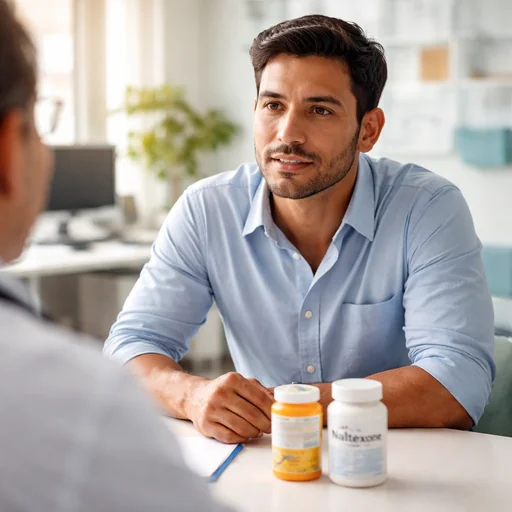
For people whose drinking has become problematic, medication-assisted treatment with naltrexone can help break the cycle. Naltrexone reduces alcohol's pleasurable effects, which naturally decreases consumption over time.
Common Questions About Day-After Depression
Is hangover depression the same as regular depression?
No. Hangover depression is triggered specifically by alcohol and resolves within days. Regular depression persists regardless of drinking and typically requires treatment. However, regular drinking can contribute to or worsen clinical depression.
Why do I feel depressed after drinking but my friends don't?
Individual differences in brain chemistry, genetics, and mental health status affect vulnerability. Some people's neurotransmitter systems are more sensitive to alcohol's disrupting effects. This variation is normal but worth noting.
Can drinking make depression medication less effective?
Yes. Alcohol can interfere with antidepressant effectiveness and worsen depression symptoms. If you're taking medication for depression, discuss alcohol use with your prescribing provider.
How much alcohol causes day-after depression?
Any amount can potentially affect mood, but effects are typically proportional to consumption. Heavy drinking produces more severe next-day depression than moderate drinking.
Will I always feel depressed after drinking?
Not necessarily. Some people rarely experience day-after depression. However, if you're prone to it, that's unlikely to change. The pattern tends to be consistent for individuals.
Does the type of alcohol matter?
The type of alcohol (beer, wine, spirits) matters less than the total amount consumed. However, drinks with more congeners (darker spirits like whiskey or red wine) may produce worse hangovers overall, potentially affecting mood more than cleaner alcohols like vodka.
Should I take supplements or vitamins?
B vitamins, particularly B1 (thiamine), can be depleted by alcohol. Some people find B-complex supplements helpful. However, supplements don't prevent the neurotransmitter disruption that causes day-after depression. They may help with physical symptoms but won't eliminate mood effects.
What Research Shows
Studies consistently link alcohol to next-day mood disruption. Research on alcohol's neurochemical effects shows measurable changes in dopamine, serotonin, and GABA function that persist after blood alcohol levels reach zero.
Population studies find that people who drink regularly have higher rates of depression than non-drinkers. While some of this reflects people using alcohol to self-medicate existing depression, research suggests alcohol itself contributes to mood disorders.
Importantly, studies show that mood typically improves when heavy drinkers reduce or stop drinking. This improvement happens gradually over weeks as brain chemistry normalizes. Most people report feeling significantly better after 30-90 days of reduced drinking, though initial weeks may be challenging as the brain adjusts.
This research supports the recommendation that addressing drinking is often the most effective treatment for alcohol-related mood problems, including day-after depression.
Conclusion
Depression the day after drinking is caused by neurotransmitter disruption as alcohol leaves your system. Dopamine, serotonin, and GABA imbalances create low mood that typically resolves within 1-3 days.
While occasional day-after depression may be an acceptable trade-off for some, frequent or severe post-alcohol depression suggests reconsidering your drinking patterns. The temporary pleasure of drinking isn't worth persistent mood problems.
If day-after depression has become a regular part of your life, addressing your drinking is likely the most effective solution. The mood improvement from reducing alcohol often exceeds expectations.
Take the online Alcohol Use Assessment to see if your drinking patterns indicate a problem and what treatment options might help.