A 2 minute assessment to get a personalized mental health or alcohol recovery plan.

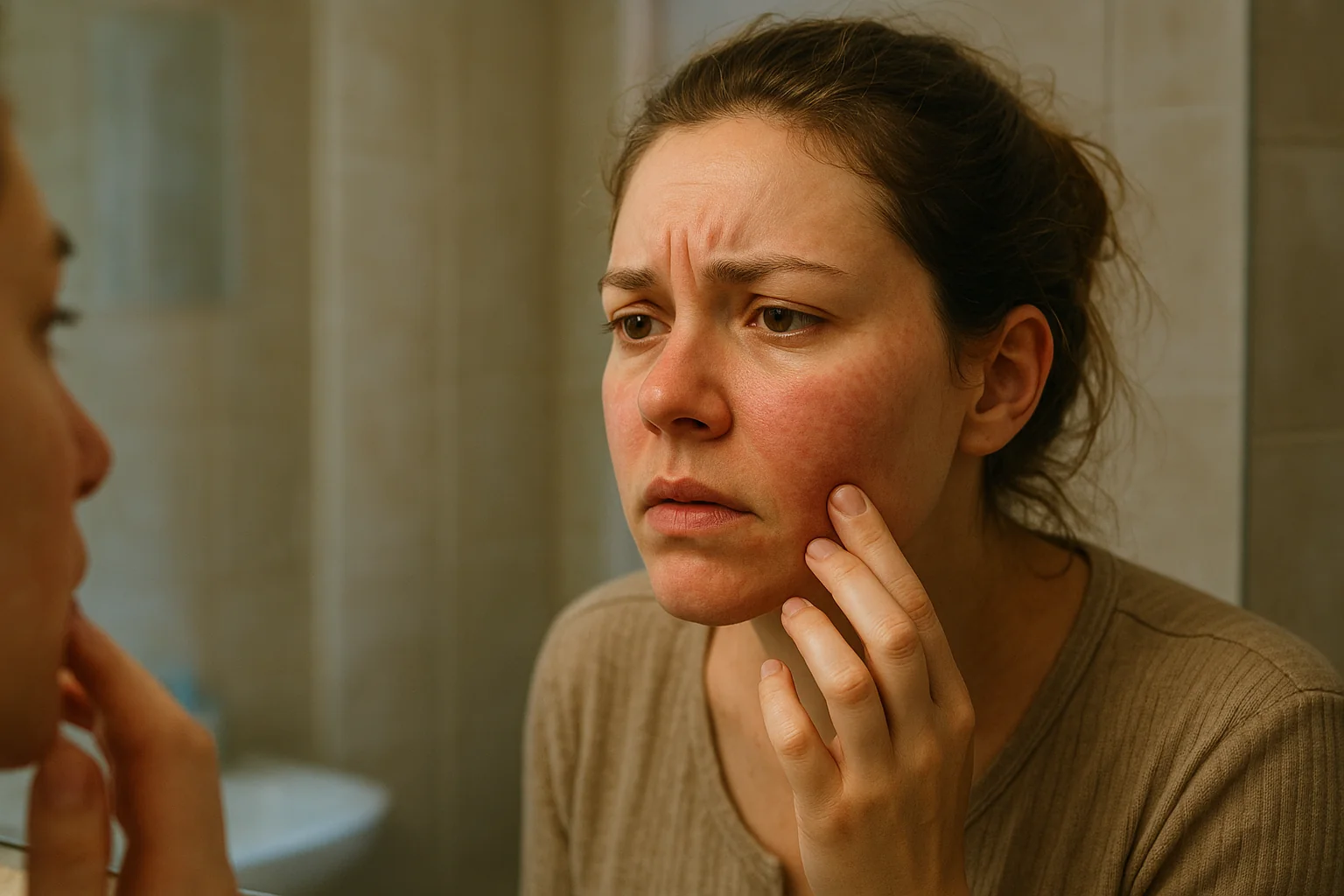
Alcohol affects your skin immediately and creates lasting damage with regular use. The visible changes often motivate people to quit, but understanding why reduction is difficult matters as much as knowing what alcohol does to your appearance.
What You'll Discover:
• How alcohol damages skin through multiple mechanisms.
• The timeline of skin changes from first drink to chronic use.
• Which specific skin conditions alcohol triggers or worsens.
• How quickly skin improves when you stop drinking.
• Why visible damage alone isn't enough to make most people quit.
If you've noticed changes in your skin and suspect alcohol might be responsible, you're likely correct. Research from Medical News Today confirms that alcohol affects skin health through dehydration, inflammation, immune suppression, and nutritional deficiencies.
The straightforward answer is that alcohol damages skin significantly. The effects range from immediate flushing and puffiness to long-term premature aging and increased disease risk. However, much of the damage reverses when drinking stops.
How Alcohol Immediately Affects Your Skin
The first skin changes begin within hours of drinking.
Alcohol is a diuretic, meaning it increases urine production. This leads to rapid dehydration that shows up visibly in your skin. Dehydrated skin looks dull, feels tight, and shows fine lines more prominently. The area around your eyes becomes sunken, making you look tired even if you've slept.
Blood vessels dilate when you drink, causing facial flushing. This is why many people look red or flushed during and after drinking. The dilation affects approximately 540 million people worldwide to varying degrees. For some people, flushing is mild and temporary. For others, it's pronounced and lasts hours.
Puffiness develops as alcohol disrupts normal fluid balance. Your face, particularly around the eyes, retains fluid and appears swollen. This puffiness typically peaks the morning after drinking and gradually resolves over 24 to 48 hours.
Sleep disruption compounds these immediate effects. Alcohol interferes with sleep cycles, preventing the deep restorative sleep your skin needs. Poor sleep shows up as dark circles, dull complexion, and slower skin cell turnover.
These immediate effects resolve relatively quickly once you stop drinking. Hydration improves within hours. Puffiness decreases over a day or two. However, with regular drinking, these temporary effects become persistent problems.
Short-Term Effects with Regular Drinking
When drinking happens weekly or more frequently, temporary skin changes become ongoing issues.
Persistent redness develops as blood vessels remain dilated more often than not. The flushing that used to resolve between drinking sessions now stays visible most of the time. This is particularly noticeable on the face, especially the cheeks and nose.
Broken capillaries start appearing. These are small blood vessels that have dilated so frequently they've lost the ability to constrict back to normal size. They show up as red lines or spider veins on the face, most commonly around the nose and cheeks.
Skin texture becomes rougher. The chronic dehydration from regular drinking reduces skin elasticity and smoothness. Your complexion looks duller as cell turnover slows and dead skin cells accumulate on the surface.
Pore size increases. Dehydrated skin produces more oil to compensate, which can enlarge pores. At the same time, the inflammation from alcohol makes pores more visible.
These short-term effects accumulate over weeks and months. Someone who drinks regularly for a few months will show noticeably different skin compared to before they started drinking. However, much of this damage still reverses with sustained abstinence.
Long-Term Effects from Years of Heavy Drinking
Chronic heavy drinking creates skin damage that becomes increasingly difficult to reverse.
Premature aging is one of the most visible long-term effects. Alcohol accelerates the breakdown of collagen and elastin, which are proteins that keep skin firm and elastic. Without adequate collagen, skin sags earlier and wrinkles form more deeply than they would naturally.
Facial volume loss occurs as fat pads beneath the skin shrink. This creates a hollow, aged appearance particularly around the eyes and cheeks. The face takes on a gaunt look that makes people appear significantly older than their actual age.
Skin becomes permanently thinner and more fragile. Years of inflammation and poor nutrition reduce the skin's structural integrity. Thin skin tears more easily, bruises more readily, and heals more slowly.
Yellowing of the skin develops if liver damage occurs. As liver function declines, bilirubin accumulates in tissues, creating a yellowish tint called jaundice. This typically appears first in the whites of the eyes before becoming visible in the skin.
Spider angiomas appear on the upper body. These are small red spots with tiny blood vessels radiating outward like spider legs. They're a sign of liver dysfunction and increased estrogen levels that occur with chronic alcohol consumption.
The timeline for these changes varies by individual, but they generally become apparent after several years of heavy drinking. Some damage persists even after quitting, though improvement continues for months or years after stopping.
Specific Skin Conditions Affected by Alcohol
Alcohol triggers or worsens several specific dermatological conditions.
Rosacea is strongly linked to alcohol consumption. This chronic inflammatory condition causes persistent redness, visible blood vessels, and sometimes acne-like bumps on the face. Alcohol is one of the most common triggers for rosacea flares. For people who already have rosacea, drinking makes it significantly worse.
Psoriasis, an autoimmune condition causing scaly skin patches, worsens with alcohol use. Research shows that people who drink heavily have more severe psoriasis and respond less well to treatment. The inflammation and immune system effects of alcohol directly aggravate this condition.
Eczema and dermatitis can worsen with drinking. Alcohol's effects on the immune system and skin barrier function make these inflammatory skin conditions harder to control. Flares become more frequent and severe in people who drink regularly.
Seborrheic dermatitis, which causes scaly patches and dandruff, is more common in heavy drinkers. According to WebMD, the yeast that contributes to this condition thrives in the altered skin environment that alcohol creates.
Skin infections become more frequent as alcohol suppresses immune function. Bacterial infections like cellulitis, fungal infections, and viral infections all occur more readily in people who drink heavily. The skin's natural protective barriers become less effective.
For people with any of these conditions, alcohol reduction or elimination often leads to significant improvement. However, quitting becomes difficult when the brain chemistry driving drinking overrides concerns about visible skin problems.
How Much Alcohol It Takes to Damage Skin
The threshold for skin effects varies by individual, but patterns emerge from research.
Heavy drinking, defined as three or more drinks daily for women or four or more for men, consistently causes visible skin damage. At this level, the dehydration, inflammation, and nutritional deficiencies are constant enough to create ongoing problems.
Moderate regular drinking, meaning several drinks per week, still affects skin noticeably. While the damage is less severe than with heavy drinking, the cumulative effects over time are substantial. Someone who has two drinks most nights will show skin changes.
Even light drinking can affect skin in people who are sensitive. Individuals with rosacea, for example, often notice flares from a single drink. People with certain genetic variations in alcohol metabolism experience more pronounced flushing and skin reactions from small amounts.
Binge drinking creates acute stress on skin. A night of heavy drinking causes immediate and visible effects that last several days. Regular binge drinking, even if you don't drink between episodes, damages skin over time through repeated inflammatory cycles.
The type of alcohol matters less than the amount and frequency. The dehydration and other mechanisms work similarly whether you're drinking beer, wine, or spirits. What matters is total alcohol consumption patterns.
The Timeline for Skin Improvement When You Stop Drinking
Skin begins healing quickly once alcohol consumption stops.
Within the first week, dehydration lines start filling out. Skin becomes more hydrated and plump. The dullness that comes from chronic dehydration begins lifting. Most people notice their skin looks fresher and more rested within just a few days.
By two weeks, inflammation decreases noticeably. Persistent redness and puffiness reduce. For people with conditions like rosacea, flares become less frequent and less severe. Sleep quality improves, which allows skin to repair more effectively overnight.
At one month, more significant changes become apparent. Pore size decreases as oil production normalizes. Skin texture smoothes out as cell turnover improves. Dark circles and under-eye bags diminish. The face looks less puffy and more defined, particularly around the cheekbones and jawline.
By three months, collagen production improves. Fine lines become less pronounced. Skin firmness increases slightly as collagen and elastin begin rebuilding. The overall complexion appears healthier and more even-toned.
At six months to one year, long-term improvements continue. Broken capillaries may fade, though some persist permanently. Skin thickness increases gradually. Premature aging slows dramatically compared to continued drinking.
However, some damage remains permanent. Spider angiomas may not resolve completely. Deep wrinkles formed from years of collagen loss don't fully reverse. Jaundice resolves only if liver function recovers, which depends on the extent of damage.
For anyone considering quitting after heavy use, understanding how alcohol withdrawal works is important. Medical supervision makes the process safer.
Why Visible Skin Damage Isn't Enough to Make People Quit
If alcohol's effects on skin are so visible and unattractive, why don't people simply stop drinking?
The answer lies in brain chemistry, not lack of motivation or vanity. Alcohol affects neurotransmitter systems in ways that make continued drinking feel necessary despite negative consequences. The reward pathways in your brain reinforce drinking behavior regardless of what you intellectually understand about the damage.
Many people feel significant shame about visible skin changes but continue drinking anyway. This creates a cycle where the shame itself becomes another reason to drink. The skin damage serves as a constant visible reminder of something they feel powerless to control.
Willpower alone is often insufficient because willpower can't override brain chemistry. The same neurological changes that keep someone drinking despite knowing the health risks also keep them drinking despite visible skin deterioration.
This is where medication-assisted treatment becomes valuable. Naltrexone is an FDA-approved medication that blocks the opioid receptors responsible for alcohol's rewarding effects. When you drink while taking naltrexone, you don't get the same pleasurable feeling.
Over time, this changes the brain chemistry driving your drinking. Many people find they naturally drink less or stop entirely with naltrexone support, even after years of failed attempts through willpower alone.
The medication doesn't make you sick if you drink. It simply removes the reward, making alcohol feel neutral. This makes cutting back feel natural instead of like constant deprivation.
Practical Steps for Protecting Your Skin While Reducing Alcohol
For anyone working to reduce drinking, certain practices support skin recovery.
Hydration makes a significant difference. Drinking water throughout the day helps counteract alcohol's dehydrating effects. Aim for at least eight glasses daily, more if you're actively drinking.
A basic skincare routine protects healing skin. Gentle cleansing, moisturizing, and sunscreen use support the recovery process. As skin repairs itself, protecting it from additional damage maximizes improvement.
Nutrition matters for skin health. Alcohol interferes with absorption of vitamins A, C, E, and B vitamins, all of which are important for skin. Eating a varied diet rich in fruits, vegetables, and lean proteins provides the nutrients your skin needs to heal.
Sleep quality directly affects skin appearance. As alcohol consumption decreases, sleep quality typically improves. This allows for better overnight skin repair and regeneration.
However, for many people, implementing these healthy habits is difficult while still drinking heavily. The brain fog, poor decision-making, and lack of motivation that come with regular drinking interfere with self-care.
Understanding how naltrexone works helps explain why addressing the drinking itself through medication-assisted treatment makes other healthy changes easier to implement.
When Professional Support Makes the Difference
If you've tried reducing alcohol to improve your skin and other aspects of health but found it difficult, you're not alone.
For heavy drinkers, medical supervision during reduction or cessation is important for safety. The withdrawal process can be dangerous without proper management.
Dermatological support helps address specific skin conditions that alcohol has aggravated. Many conditions like rosacea and psoriasis require medical treatment even after drinking stops.
Medication-assisted treatment addresses the root cause of difficulty moderating or quitting. Naltrexone changes how your brain responds to alcohol, making reduction sustainable rather than a constant struggle.
The visible improvements in skin often serve as powerful motivation once drinking decreases. Seeing your face become less puffy, your complexion clear up, and your appearance improve provides tangible feedback that reinforces continued reduction.
Conclusion
Alcohol damages skin through dehydration, inflammation, immune suppression, and nutritional deficiencies. The effects range from immediate puffiness and flushing to long-term premature aging and increased risk of skin conditions and cancer.
Much of the damage reverses when drinking stops. Improvements begin within days and continue accumulating for months. However, some long-term damage persists, particularly from years of heavy drinking.
The challenge is that visible skin damage alone rarely provides sufficient motivation to quit or reduce drinking. Brain chemistry drives continued alcohol use despite negative consequences. For people who struggle to moderate their drinking despite seeing the effects in the mirror, medication-assisted treatment provides a practical solution.
Naltrexone works by changing how your brain responds to alcohol, making reduction feel natural rather than forced. Combined with proper skincare and nutrition, stopping or reducing drinking allows your skin to begin healing.
Take the online Alcohol Use Assessment to see if naltrexone could help you reduce alcohol consumption and allow your skin to recover.