A 2 minute assessment to get a personalized mental health or alcohol recovery plan.

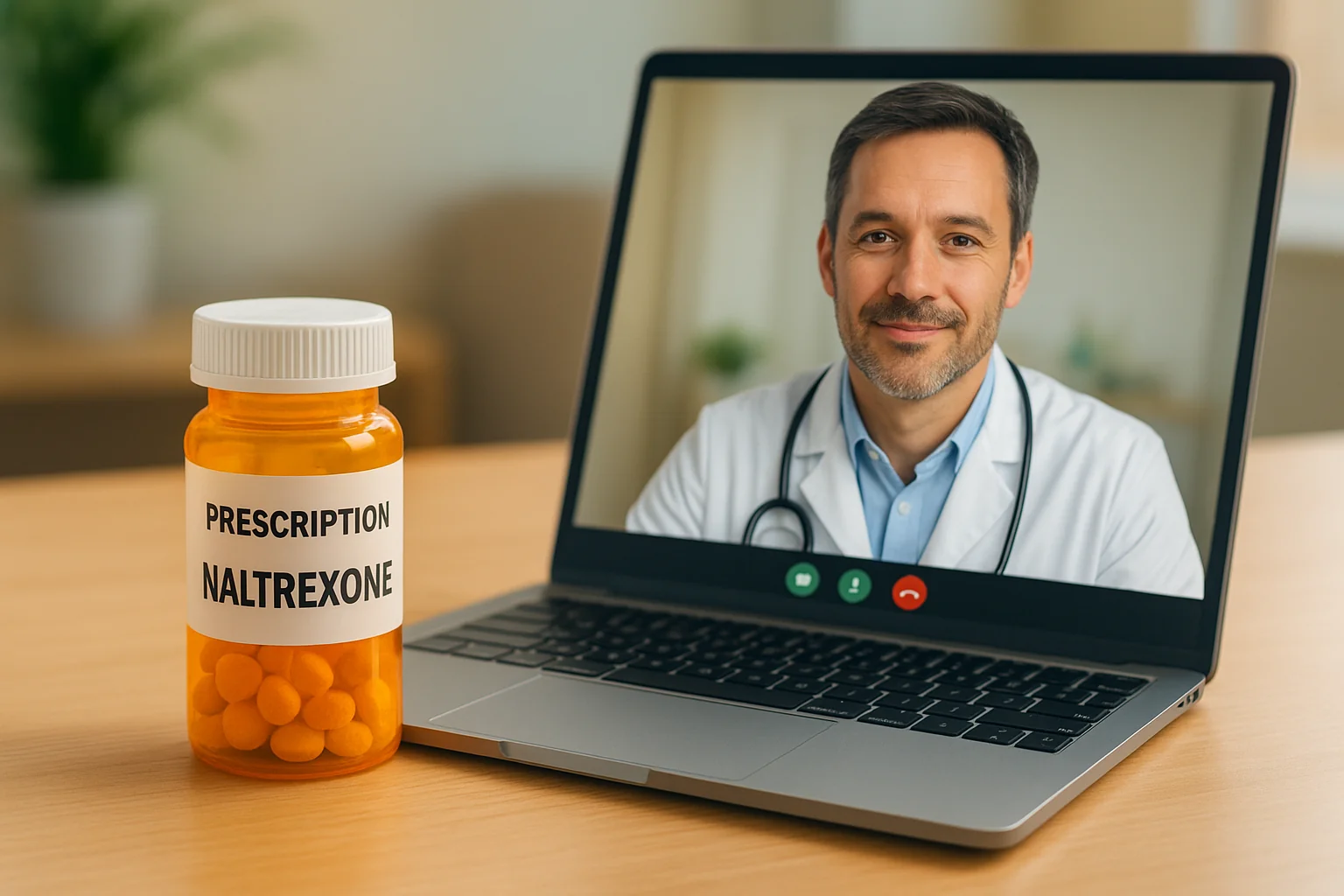
Alcohol meds can help reduce cravings and make it easier to cut back or quit drinking, often without relying on willpower alone.
What You'll Discover:
• What alcohol meds are and how they support behavior change.
• How naltrexone reduces the rewarding effects of alcohol.
• Standard dosage levels and timing considerations.
• Common side effects and what to expect during the first weeks.
• The difference between daily use and as-needed dosing.
• Who makes a good candidate for medication-assisted treatment.
• How to access alcohol meds through telehealth.
Alcohol meds have been FDA-approved for decades, yet many people who could benefit from them don't know they exist. Medication-assisted treatment for alcohol use disorder offers a science-backed way to reduce cravings and make it easier to change drinking habits. According to the Substance Abuse and Mental Health Services Administration, these medications work best when combined with counseling or coaching support.
The most commonly prescribed alcohol medication is naltrexone, a daily tablet that targets the brain's reward system. Unlike approaches that rely solely on willpower, naltrexone changes how alcohol affects you at a biological level.
What Are Alcohol Meds?
Alcohol meds are prescription medications designed to help people reduce or stop drinking. They work by targeting the neurological pathways that make alcohol feel rewarding and create cravings over time. By disrupting this cycle, alcohol meds make it easier to drink less or abstain entirely.
Naltrexone is the most accessible and widely studied option for treating alcohol use disorder. It has been FDA-approved since 1994 and is backed by decades of clinical research. The medication is taken as a daily oral tablet, typically at a dose of 50mg.
It's worth noting that alcohol meds aren't designed to make you sick if you drink. Naltrexone works differently. It reduces the pleasurable effects of alcohol so that drinking becomes less appealing over time. This makes naltrexone particularly useful for people who want to cut back gradually rather than quit cold turkey.
For a deeper understanding of how alcohol affects the brain's reward pathways, our guide on understanding alcohol use disorder covers the basics.
How Naltrexone Works to Reduce Alcohol Cravings
Naltrexone is classified as an opioid antagonist. This means it blocks opioid receptors in the brain. When you consume alcohol, your brain releases endorphins that bind to these receptors and create feelings of pleasure. This is the euphoric sensation that makes alcohol feel rewarding and leads to cravings.
When naltrexone is in your system, it blocks those opioid receptors so the endorphins can't produce their usual effect. The result is that drinking feels different. You don't get the same buzz, and the urge to keep drinking diminishes.
Research from the National Institute on Alcohol Abuse and Alcoholism has shown that this mechanism helps break the cycle of reinforcement that keeps people drinking. Over time, as you repeatedly drink without the same reward, your brain starts to weaken the association between alcohol and pleasure. Researchers sometimes call this pharmacological extinction.
So, does naltrexone stop you from drinking? No. You can still drink while taking naltrexone, and it's actually recommended that you take it when you plan to drink. The medication simply changes the experience so that alcohol loses its grip on your reward system. For more detail on this process, check out our article on how naltrexone works.
Standard Naltrexone Dosage Levels
Naltrexone for alcohol use disorder comes in tablet form at three dosage levels:
• 25mg
• 50mg
• 100mg
The standard daily dose is 50mg. Some patients start at 25mg during the first few days to reduce the likelihood of side effects, then increase to the full dose. Medical professionals typically avoid starting at higher doses because the risk of side effects increases with dosage.
A single 50mg dose of naltrexone stays active in the body for about 20 to 24 hours. The medication has a half-life of approximately four hours, but it remains effective for much longer because the liver converts it into a metabolite called 6-beta-naltrexol. This metabolite has a half-life of about 13 hours and continues to provide some blocking effects.
In practical terms, this means a daily 50mg tablet provides coverage for the full day. If you take naltrexone every morning, it will still be working if you have a drink in the evening.
Daily Use vs As-Needed Dosing
There are two main approaches to taking naltrexone for alcohol use. The right choice depends on your drinking patterns and personal preferences.
Daily Use - Taking naltrexone once a day at the same time ensures the medication is always in your system. This approach is straightforward and doesn't require planning ahead. It's particularly useful for people who may drink spontaneously without advance warning.
Many medical professionals recommend daily use because consistency makes the medication more effective. You don't have to remember to take it before specific events or worry about timing. The medication simply becomes part of your daily routine.
As-Needed Use - Some people prefer to take naltrexone only when they know they'll be drinking. This is sometimes called the Sinclair Method. If you use this approach, you need to take the medication at least one hour before your first drink to give it time to start working.
A good example of when as-needed use works well is a work event at a bar or a social gathering where you know alcohol will be served. Taking naltrexone an hour beforehand means you'll have protection during the event without needing to take medication on days when you don't plan to drink.
Something to consider is that as-needed use requires more planning and discipline. You have to anticipate when you'll drink and take the medication in advance. For people whose drinking tends to happen unexpectedly, daily use may be a better fit.
Research published in PMC has examined combining both approaches. One study found that taking a daily 25mg dose plus an additional 25mg as needed was more effective at reducing heavy drinking days compared to a daily 50mg dose alone.
What to Expect When Starting Alcohol Meds
Starting any new medication comes with questions about what the experience will be like. Here's a general timeline based on how most people respond to naltrexone.
Days 1 through 3 - Some people experience mild side effects during the first few days. The most common include nausea, headache, dizziness, and fatigue. These side effects typically improve as your body adjusts to the medication. Taking naltrexone with food can help reduce nausea.
Week 1 through 2 - You may start to notice that drinking feels different. The buzz might be less intense, or you might find yourself stopping after fewer drinks than usual. Some people describe it as alcohol becoming less interesting.
Week 3 through 4 - By the end of the first month, many people report a noticeable decrease in cravings. The automatic urge to drink becomes weaker because the reward pathway has been disrupted consistently.
Months 2 and Beyond - The effects tend to build over time. A systematic review published in JAMA found that naltrexone significantly reduces heavy drinking days compared to placebo, with benefits continuing throughout treatment.
It's important to have realistic expectations. Naltrexone is a tool that makes behavior change easier, not a medication that eliminates all desire to drink overnight. Combining naltrexone with coaching or therapy tends to produce better results than medication alone.
Common Side Effects of Naltrexone
Most people tolerate naltrexone well, but side effects can occur, especially during the first week. Understanding what to expect can help you stick with the medication through the adjustment period.
Common side effects include:
• Nausea - The most frequently reported side effect. Usually mild and improves within a few days. Taking naltrexone with a meal helps.
• Headache - Can occur during the first few days. Typically resolves on its own.
• Dizziness - Some people feel lightheaded initially. Avoid driving or operating machinery if this happens.
• Fatigue - Feeling tired is common in the first week. Most people adjust within 7 to 10 days.
• Decreased appetite - Some people notice less interest in food. This usually normalizes.
These side effects are generally mild and temporary. If side effects persist beyond two weeks or are severe, you should contact your prescribing physician. In some cases, adjusting the dosage or timing can help.
Liver considerations - Naltrexone is processed by the liver. If you have existing liver conditions, your medical provider will want to monitor liver function during treatment. In most cases, naltrexone is safe for people with mild liver issues, but severe liver disease may be a contraindication.
For more information on dosage adjustments and what factors medical professionals consider, see our article on getting the right naltrexone dose.
Who Is a Good Candidate for Alcohol Medication
One common misconception about alcohol meds is that you have to hit rock bottom before treatment makes sense. This isn't accurate. Medication-assisted treatment can help anyone who wants to change their drinking, whether the goal is moderation or complete abstinence.
Good candidates for naltrexone typically include:
• People who drink more than they intend to and want to regain control.
• People who have tried cutting back on their own without lasting success.
• People who want a private, discreet treatment option.
• People who prefer a medication-based approach rather than group meetings.
• People who want to reduce binge drinking or heavy drinking episodes.
Naltrexone is not appropriate for everyone. You should not take naltrexone if you are currently using opioid medications or have used opioids within the past 7 to 10 days. Because naltrexone blocks opioid receptors, taking it while opioids are in your system can trigger sudden and severe withdrawal symptoms.
People with acute hepatitis or severe liver failure may not be candidates for the medication. A medical professional can review your health history and determine if naltrexone is safe for you.
How to Access Alcohol Meds Through Telehealth
Getting a prescription for alcohol medication used to require scheduling an in-person appointment with a doctor or visiting a specialized clinic. For many people, concerns about privacy, scheduling, or stigma made this a barrier to getting help.
Telehealth has changed this. You can now complete an assessment online, meet with a licensed physician via video call, and have your prescription sent to a pharmacy or delivered directly to your home. The process is designed to be discreet and convenient.
Choose Your Horizon offers a telehealth program that combines naltrexone with ongoing coaching support. The program starts with an online Alcohol Use Assessment that takes just a few minutes to complete. Based on your responses, you'll be matched with a physician who can evaluate whether naltrexone is appropriate for your situation.
Ongoing support matters because medication works best when you have guidance along the way. A coach can help you set goals, troubleshoot challenges, and stay accountable. This combination of medication plus support tends to produce better outcomes than either approach alone.
If you want to learn more about how naltrexone fits into a broader treatment approach, our article on the pill to quit drinking covers how medication and coaching work together.
Starting Treatment With Alcohol Meds
Alcohol meds offer a practical, evidence-based option for people who want to drink less or quit. Naltrexone has been used safely for decades and is supported by substantial clinical research. It works by reducing the rewarding effects of alcohol, which makes it easier to change drinking patterns without relying on willpower alone.
You don't need to wait until alcohol has caused serious problems in your life. Many people find that addressing unwanted drinking patterns earlier makes the process easier.
Take the first step by completing the online Alcohol Use Assessment to see if naltrexone could be a good fit for you.