A 2 minute assessment to get a personalized mental health or alcohol recovery plan.


An alcohol reduction program provides structure, accountability, and tools that make changing your drinking habits significantly easier than going it alone.
What You'll Discover:
• What an alcohol reduction program actually offers.
• Different types of programs available.
• What makes a program effective.
• How medication fits into reduction programs.
• What to expect when you join a program.
• How to choose the right program for you.
• Why structure matters for changing drinking habits.
According to the Substance Abuse and Mental Health Services Administration, people who receive structured treatment have better outcomes than those who try to change on their own. An alcohol reduction program provides the framework and tools that improve your chances of successfully drinking less.
What an Alcohol Reduction Program Offers
The first thing to know is that an alcohol reduction program is more than just advice to drink less. It typically includes multiple components that work together.
Common program elements:
• Assessment - Evaluation of your current drinking patterns, health status, and goals
• Goal setting - Defining specific, measurable targets for your drinking
• Medical evaluation - Review by a healthcare provider to check for health issues and medication appropriateness
• Medication - Prescriptions for FDA-approved medications that reduce cravings
• Behavioral support - Coaching or counseling to address habits and triggers
• Progress tracking - Regular measurement of how you're doing against your goals
• Accountability - Check-ins that keep you engaged and motivated
Something to consider is that these elements reinforce each other. Medication reduces cravings, making behavioral changes easier. Tracking provides data that informs coaching conversations. Accountability maintains engagement.
Types of Alcohol Reduction Programs
Several approaches to structured alcohol reduction exist, each with different characteristics.
Telehealth programs:
• Medical evaluation and prescriptions via video call
• Coaching sessions from home
• Complete privacy and convenience
• Flexible scheduling
• Often medication-focused with behavioral support
• Example: Choose Your Horizon
Outpatient treatment programs:
• In-person appointments at a clinic
• May include group sessions
• More intensive than telehealth
• Typically requires scheduling around clinic hours
• Various program structures available
Intensive outpatient programs (IOP):
• Several hours per week (usually 9 to 12)
• Structured curriculum
• Group and individual components
• More intensive than standard outpatient
• Doesn't require residential stay
App-based programs:
• Self-guided content through a smartphone app
• May include community features
• Lower cost than programs with medical components
• Less personalized support
Therapy-focused programs:
• Regular sessions with a therapist specializing in alcohol issues
• Focus on underlying psychological factors
• May or may not include medication
• Individual attention to your specific situation
For that reason, the best program depends on your needs, preferences, and situation.
What Makes an Alcohol Reduction Program Effective
Research has identified elements that make programs more likely to succeed.
Medication access: Programs that include FDA-approved medications like naltrexone produce better outcomes than behavioral-only approaches. Medication addresses the biological aspect of drinking that behavioral strategies alone cannot reach.
Personalized approach: Cookie-cutter programs that treat everyone the same are less effective than those that adapt to your specific patterns, triggers, and goals.
Regular accountability: Programs with frequent check-ins maintain engagement better than those that leave you on your own between appointments.
Clear goal setting: Vague goals don't work. Effective programs help you set specific, measurable targets for your drinking.
Progress tracking: Being able to see your progress provides motivation and reveals patterns that need attention.
Behavioral support: Understanding your triggers and developing strategies to handle them complements the biological support provided by medication.
So, does the type of program matter more than engaging with it? The short answer is that engagement matters enormously. A less intensive program you actually use consistently will likely outperform a more intensive program you don't complete.
How Medication Fits Into Reduction Programs
Medication is a central component of effective alcohol reduction programs.
The role of naltrexone:
Naltrexone is an FDA-approved medication that blocks opioid receptors in the brain. When you drink with naltrexone in your system, alcohol doesn't produce the same pleasurable effects. This makes it easier to stop after one or two drinks and reduces cravings over time.
How medication enhances program effectiveness:
• Reduces craving intensity - The biological pull toward drinking weakens
• Makes behavioral changes easier - You're not fighting against brain chemistry
• Provides immediate benefit - Effects begin quickly while behavioral changes take longer
• Supports sustained change - Continued use maintains the benefits
Research shows that combining medication with behavioral support produces better results than either alone. The medication handles the biological aspect while coaching handles the behavioral aspect.
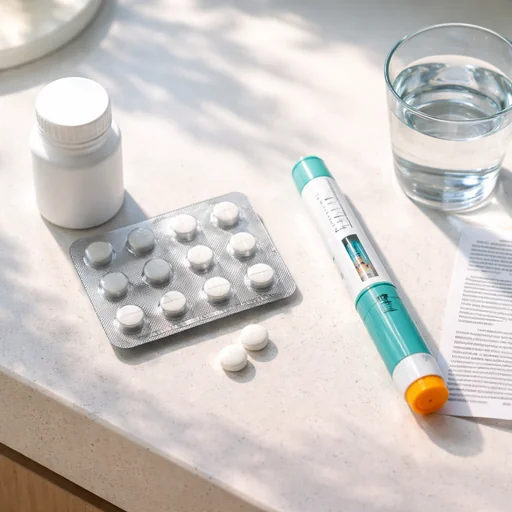
Naltrexone is taken as a daily 50mg tablet. It doesn't require abstinence and works whether your goal is moderate drinking or complete cessation.
Our article on how naltrexone helps you regain control explains the medication in more detail.
What to Expect When You Join a Program
Understanding the typical journey through an alcohol reduction program helps you prepare.
Getting started:
Early weeks:
• Begin taking medication as prescribed
• Notice changes in how drinking feels
• Start implementing behavioral strategies
• Track your consumption
• Check in with your coach about what's working
Ongoing engagement:
• Regular coaching sessions (frequency varies by program)
• Continued medication as recommended
• Refinement of strategies based on what you learn
• Adjustments to approach as needed
Progression:
• Drinking patterns stabilize at target levels
• New habits become established
• Appointments may become less frequent
• Maintenance phase begins
If it seems like programs vary in intensity and duration, that's because they do. Some are intensive short-term interventions. Others provide ongoing support for as long as you need it.
How to Choose the Right Program
Selecting an alcohol reduction program involves considering several factors.
Consider your situation:
• How severe is your drinking problem?
• Do you have health issues that need monitoring?
• How much structure do you need?
• What's your schedule flexibility?
Consider your preferences:
• Do you prefer complete privacy (telehealth) or face-to-face interaction?
• Are you comfortable with group settings or prefer individual support?
• Do you want a program focused on medication, therapy, or both?
• How much are you able to invest financially?
Questions to ask any program:
• Do they include medication as an option?
• What does behavioral support consist of?
• How often will you meet with someone?
• What credentials do their providers have?
• What happens if the program isn't working?
• How long does the typical program last?
All that said, the best program is one you'll actually engage with. A perfect-sounding program you don't complete won't help you.
Why Structure Matters
Many people try to reduce drinking on their own and struggle. Structure helps in several ways.
Accountability: Knowing you'll report on your progress motivates staying on track. Without accountability, it's easy to let goals slip.
Expertise: Program providers have seen many people with similar challenges. They can offer strategies you wouldn't discover on your own.
Consistent support: Having someone to turn to when challenges arise prevents small setbacks from becoming major relapses.
Progress visibility: Tracking within a program shows you how far you've come, which maintains motivation.
Appropriate tools: Programs provide access to medication and other resources that improve success rates.
For more on strategies for changing drinking habits, see our article on tips for quitting alcohol.
Taking the Next Step
An alcohol reduction program provides the structure, accountability, and tools that significantly improve your chances of successfully drinking less. Programs that combine medication like naltrexone with coaching support address both the biological and behavioral aspects of drinking.
If you want to explore how a program combining medication and coaching could help you reduce your drinking, take the online Alcohol Use Assessment to see if naltrexone might be right for you.