A 2 minute assessment to get a personalized mental health or alcohol recovery plan.

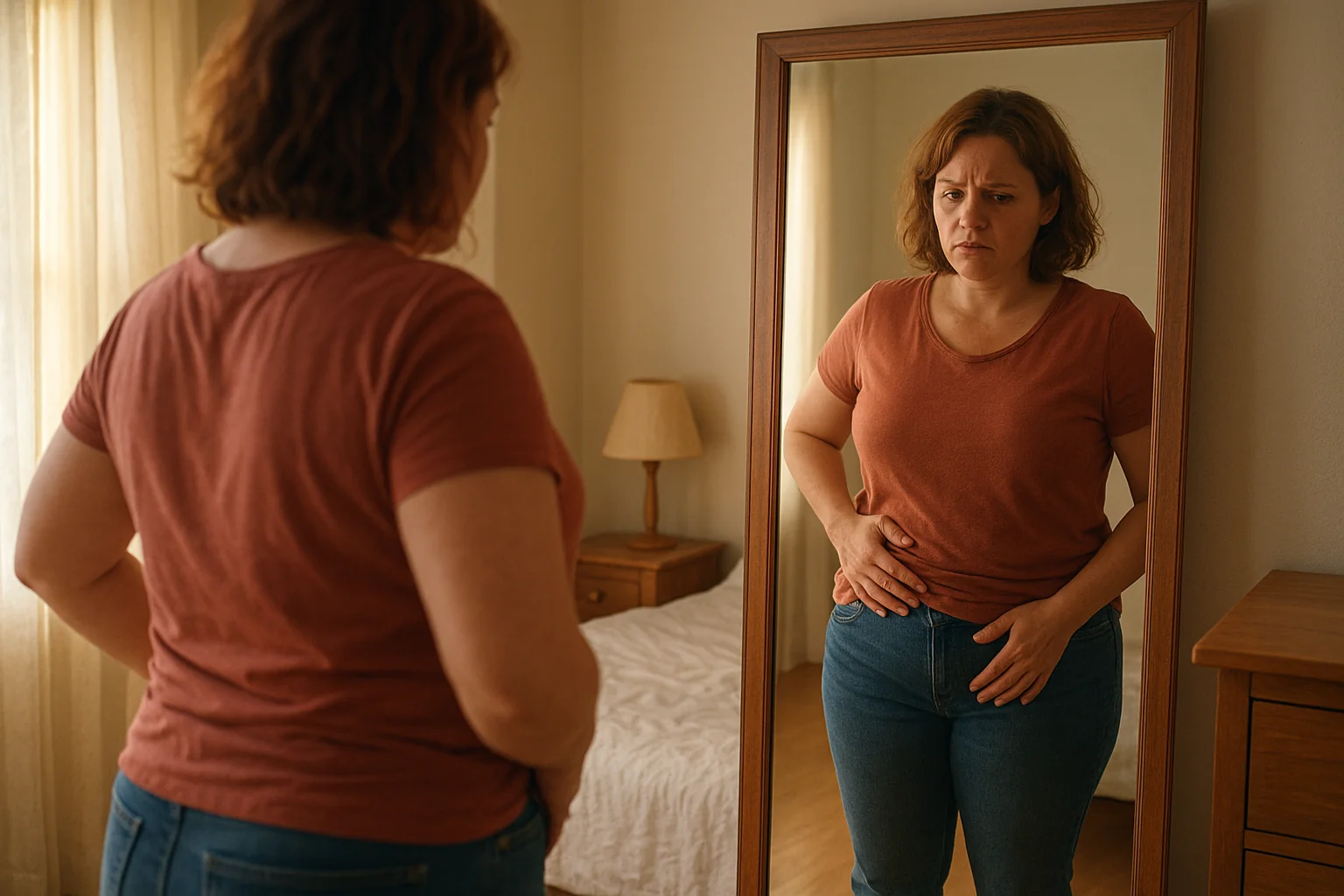
Alcohol contributes to weight gain through multiple mechanisms: empty calories, impaired fat burning, increased appetite, and poor food choices. Reducing alcohol consumption is one of the most effective ways to lose weight for regular drinkers.
What You'll Discover:
• How alcohol causes weight gain.
• The calorie content of popular alcoholic drinks.
• Why alcohol affects metabolism and fat storage.
• How drinking changes eating behavior.
• Which types of alcohol contribute most to weight gain.
• How reducing drinking helps with weight loss.
Many people don't consider alcohol when thinking about weight management. But for regular drinkers, alcohol may be one of the biggest contributors to weight gain and one of the most impactful changes they can make for weight loss.
Understanding exactly how alcohol affects weight helps explain why cutting back often leads to significant results.
How Alcohol Causes Weight Gain
Alcohol contributes to weight gain through several mechanisms.
Empty calories - Alcohol contains 7 calories per gram, nearly as calorie-dense as fat (9 calories per gram). These calories provide no nutritional value. A night of moderate drinking can easily add 500-1000 extra calories.
Impaired fat burning - When you drink, your body prioritizes metabolizing alcohol over burning fat. Your liver stops processing fat and focuses on eliminating the toxin. Fat burning resumes only after all alcohol is processed.
Increased appetite - Alcohol stimulates appetite and reduces inhibitions around food choices. You're more likely to overeat and choose high-calorie foods while drinking.
Reduced metabolism - Regular drinking can affect thyroid function and overall metabolic rate. Heavy drinkers often have slower metabolisms than non-drinkers.
Poor sleep quality - Alcohol disrupts sleep, and poor sleep is associated with weight gain through hormonal effects on hunger and satiety.
Water retention - Alcohol causes temporary water retention that shows up as increased weight on the scale and bloating.
Cortisol effects - Alcohol raises cortisol, the stress hormone. Elevated cortisol promotes fat storage, particularly in the abdominal area.
Each of these factors contributes independently, and they compound when combined.
The Calorie Content of Popular Drinks
Understanding how many calories you're consuming helps put alcohol's impact on weight in perspective.
Beer:
• Light beer (12 oz): 100 calories
• Regular beer (12 oz): 150 calories
• Craft IPA (12 oz): 200-300 calories
• Stout/porter (12 oz): 200-250 calories
• High-ABV craft beer (12 oz): 300-400 calories
Wine:
• White wine (5 oz): 120 calories
• Red wine (5 oz): 125 calories
• Sweet wine (5 oz): 165 calories
• Champagne (5 oz): 90 calories
• Dessert wine (3 oz): 130 calories
Spirits:
• Vodka, gin, rum, whiskey (1.5 oz): 97 calories
• Flavored vodka (1.5 oz): 100-130 calories
• Cream liqueurs (1.5 oz): 150-170 calories
Mixed drinks:
• Vodka soda: 100 calories
• Gin and tonic: 170 calories
• Rum and coke: 185 calories
• Whiskey sour: 165 calories
• Margarita: 300-500 calories
• Piña colada: 500-600 calories
• Long Island iced tea: 400-600 calories
• Mai tai: 300-350 calories
A few drinks can easily match or exceed a full meal in calories. Three beers contain roughly the same calories as a cheeseburger. A night of cocktails can add the caloric equivalent of an extra daily meal.
Why Alcohol Stops Fat Burning
The body treats alcohol as a toxin that must be eliminated quickly. When you drink, your liver shifts its resources to processing alcohol and stops burning fat.
Research from the American Journal of Clinical Nutrition found that alcohol consumption suppresses fat oxidation by approximately 73%. Fat burning doesn't resume until all alcohol is processed.
For a moderate drinker having several drinks, this means hours of suppressed fat burning. For someone who drinks daily, they may rarely be in an optimal fat-burning state.
This is why people can gain weight from alcohol even if their total calorie intake seems reasonable. The calories from food are more likely to be stored as fat when alcohol is also present.
The liver can process roughly one standard drink per hour. Four drinks means approximately four hours of suppressed fat metabolism. Heavy drinking extends this period significantly.
How Alcohol Increases Appetite
Alcohol affects appetite through multiple mechanisms.
Hypothalamic stimulation - Alcohol activates brain regions that signal hunger. Studies show that alcohol consumption increases neural activity in areas associated with food cravings and eating behavior.
Blood sugar effects - Alcohol can cause blood sugar fluctuations that trigger hunger. The drops in blood sugar after drinking create cravings for high-carbohydrate foods.
Reduced inhibition - Alcohol impairs judgment and self-control. Food choices that might be resisted when sober become appealing after drinking. Late-night pizza, fast food runs, and snacking all become more likely.
Social context - Drinking often happens in settings with food readily available. Bars serve high-calorie snacks. Parties have appetizers. Restaurants encourage ordering more.
Ghrelin effects - Some research suggests alcohol may increase ghrelin, the hunger hormone, which further stimulates appetite.
The combination of increased hunger and reduced self-control makes overeating while drinking almost inevitable for many people. Studies suggest people consume 30% more food when drinking compared to when sober.
The Concept of "Beer Belly"
The term "beer belly" reflects a real phenomenon where excess weight accumulates in the abdominal area.
Alcohol appears to promote visceral fat storage, the deep belly fat that surrounds organs. This type of fat is metabolically active and associated with increased health risks.
Research shows that alcohol consumption is associated with increased waist circumference independent of total calorie intake. Even at the same calorie level, drinkers tend to carry more abdominal fat.
Several factors contribute to abdominal fat accumulation:
Cortisol elevation - Alcohol raises cortisol, which promotes abdominal fat storage specifically.
Liver fat - Heavy drinking causes fat accumulation in the liver, contributing to abdominal expansion.
Insulin resistance - Regular drinking can impair insulin sensitivity, which promotes fat storage in the midsection.
This visceral fat is particularly concerning because it's linked to higher risks of:
• Type 2 diabetes
• Cardiovascular disease
• Metabolic syndrome
• Insulin resistance
• Certain cancers
The beer belly isn't just cosmetic. It indicates a pattern of fat storage that increases health risks.
Which Alcohol Types Cause the Most Weight Gain?
All alcohol contributes to weight gain, but some options are worse than others.
Worst for weight gain:
• Sugary cocktails (margaritas, daiquiris)
• Creamy drinks (piña coladas, white russians)
• High-ABV craft beers
• Liqueurs and cordials
• Pre-mixed canned cocktails
• Sweet wines and dessert wines
• Drinks with juice or soda mixers
Relatively better options:
• Spirits with soda water
• Light beer
• Dry wine
• Champagne
• Spirits on the rocks
However, "better" options still cause weight gain if consumed in quantity. The type of alcohol matters less than how much you drink.
Switching from high-calorie cocktails to vodka sodas can help, but it won't eliminate the other mechanisms through which alcohol promotes weight gain.
How Drinking Affects Exercise and Recovery
Alcohol undermines fitness efforts in several ways.
Reduced performance - Drinking affects coordination, endurance, and strength. Workouts following drinking are typically less effective.
Impaired recovery - Alcohol interferes with muscle protein synthesis, the process by which muscles repair and grow. Post-workout drinks can reduce the benefits of exercise by up to 37% according to some research.
Decreased motivation - Hangovers make exercise unappealing. Regular drinkers often skip workouts or exercise less intensely.
Dehydration - Alcohol is dehydrating, which affects athletic performance and recovery.
Reduced testosterone - Alcohol lowers testosterone levels, which affects muscle building and fat burning in both men and women.
Impaired sleep - Poor sleep quality reduces workout capacity and recovery.
For people trying to build muscle or improve fitness, alcohol works against their goals.
Why Cutting Alcohol Leads to Weight Loss
Many people who reduce or eliminate alcohol experience significant weight loss, often quickly.
Eliminated calories - Removing 300-1000 daily calories from alcohol creates an immediate deficit. A regular drinker eliminating 500 calories daily from alcohol could lose a pound per week from this alone.
Restored fat burning - Without alcohol suppressing fat oxidation, the body can burn fat normally again.
Better food choices - Without alcohol impairing judgment, people typically make healthier food choices and eat less overall.
Improved sleep - Better sleep supports weight management through hormonal regulation.
More exercise - Without hangovers, people have more energy for physical activity.
Reduced water retention - The initial drop in weight when stopping drinking partly reflects reduced water retention, but sustained weight loss follows.
Normalized cortisol - Lower cortisol levels help reduce abdominal fat storage.
The compound effect of these changes explains why people often lose weight rapidly when they stop drinking.
Alcohol and Specific Diets
Alcohol interacts with popular diets in various ways.
Keto/low-carb - Alcohol is technically low-carb, but it disrupts ketosis and fat burning. Drinking while keto often stalls weight loss despite the carbs being low.
Calorie counting - Alcohol calories count but are often forgotten or underestimated. Accurate tracking reveals how much alcohol contributes.
Intermittent fasting - Alcohol during eating windows adds calories and impairs fasting benefits. Drinking during fasting periods breaks the fast.
Mediterranean diet - While this diet includes moderate wine, the overall pattern matters more than the wine itself.
No diet successfully counteracts heavy drinking. Reducing alcohol is more effective for weight loss than optimizing diet around continued drinking.
Signs Alcohol Is Affecting Your Weight
Several patterns suggest alcohol is contributing to weight problems.
Weight gain despite diet efforts - If you're trying to eat well but not losing weight, alcohol may be the hidden factor.
Difficulty losing belly fat - Stubborn abdominal fat often relates to alcohol consumption.
Weight correlates with drinking periods - Gaining weight during periods of heavier drinking and losing during lighter periods indicates a connection.
Cravings for unhealthy food when drinking - If drinking triggers junk food consumption, alcohol is affecting your diet beyond its own calories.
Morning-after bloating - Regular bloating and water retention after drinking indicates the body is responding to alcohol stress.
For people whose drinking has become more than they intended, medication-assisted treatment with naltrexone can help reduce consumption.
Naltrexone works by reducing the pleasurable effects of alcohol, which naturally leads to drinking less. Many people who reduce drinking with naltrexone experience weight loss as a secondary benefit.
How Much Weight Can You Lose By Quitting Alcohol?
Weight loss from stopping or reducing alcohol varies by individual, but results can be significant.
Short-term (first week): Many people lose 2-5 pounds in the first week, largely from reduced water retention and eliminated alcohol calories. This initial drop can be motivating.
First month: Depending on previous consumption levels, people often lose 5-10 pounds in the first month. Those who were heavy drinkers may lose more.
Long-term: Sustained weight loss continues as long as drinking remains reduced. Someone who was consuming 500 extra calories daily from alcohol could lose about 50 pounds over a year just from eliminating those calories.
These numbers assume no other dietary changes. Many people who stop drinking also improve their food choices, which accelerates weight loss further.
The heavier your previous drinking, the more dramatic the weight loss potential. Someone having a few drinks weekly will see modest changes. Someone having drinks daily will likely see substantial results.
Common Questions About Alcohol and Weight
Can I drink and still lose weight?
You can lose weight while drinking, but it's harder. You'll need to account for alcohol calories, accept slower progress, and manage the appetite and food choice effects. Reducing consumption makes weight loss significantly easier.
Does wine cause less weight gain than beer?
Per standard drink, wine and beer have similar calorie content. Wine has slightly fewer calories per unit of alcohol. However, serving sizes vary, and the difference is minimal. Both contribute to weight gain through the same mechanisms.
How long after quitting drinking will I lose weight?
Most people notice reduced bloating within days. Actual fat loss begins within the first few weeks as calories are reduced and fat burning normalizes. Significant visible changes often appear within 4-8 weeks.
Does drinking make you gain weight even if you stay within calorie limits?
Yes. Even if total calories are controlled, alcohol impairs fat burning and promotes abdominal fat storage. The metabolic effects occur independent of total calorie intake.
Why do some people drink heavily and stay thin?
Genetics, metabolism, and overall activity levels vary. Some people compensate by eating less when drinking. However, even thin heavy drinkers often carry excess visceral fat that isn't visible externally.
Conclusion
Alcohol contributes to weight gain through empty calories, suppressed fat burning, increased appetite, and poor food choices. For regular drinkers, alcohol may be one of the most significant obstacles to weight management.
The most effective approach isn't switching to "lighter" drinks or counting alcohol calories more carefully. It's drinking less overall.
If you're struggling with weight and drink regularly, reducing alcohol consumption is one of the most impactful changes you can make. Many people find that cutting back on drinking produces weight loss results they couldn't achieve through diet and exercise alone.
Take the online Alcohol Use Assessment to see if medication-assisted treatment could help you reduce drinking and achieve your weight goals.