A 2 minute assessment to get a personalized mental health or alcohol recovery plan.

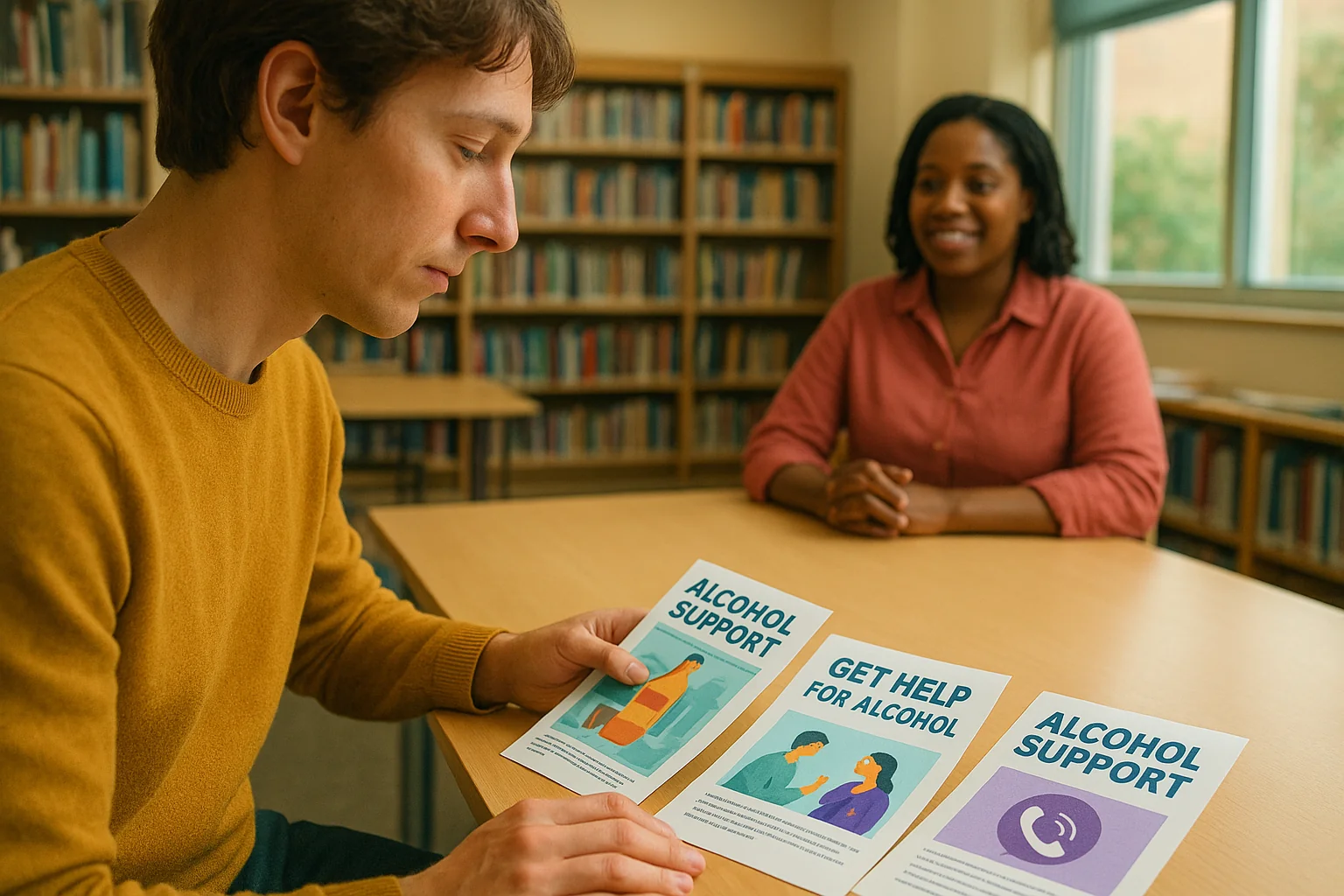
Alcoholic resources are more accessible than ever, ranging from telehealth programs to medication to support communities.
What You'll Discover:
• Types of resources available for alcohol problems.
• How to access treatment and medication.
• Support group options and alternatives.
• Online and telehealth resources.
• Free and low-cost options.
• How to choose the right resource for your situation.
• Getting started with available help.
According to the Substance Abuse and Mental Health Services Administration, effective treatment for alcohol problems is available but underutilized. Less than 10% of people with alcohol use disorder receive treatment, often because they don't know what resources exist or how to access them. This guide covers the full range of available help.
Types of Resources Available
The first thing to know is that resources for alcohol problems extend far beyond traditional rehab. Multiple options exist at different intensity levels.
Medical resources:
• Primary care physicians who can evaluate and prescribe medication
• Addiction medicine specialists
• Telehealth physicians specializing in alcohol treatment
• Outpatient clinics
• Intensive outpatient programs
• Residential treatment centers
Medication resources:
• Naltrexone prescriptions (available via telehealth)
• Pharmacies carrying FDA-approved alcohol medications
• Patient assistance programs for medication costs
Counseling resources:
• Therapists specializing in alcohol issues
• Coaches focused on drinking behavior change
• Family therapists
• Online counseling platforms
Support group resources:
• Alcoholics Anonymous (AA)
• SMART Recovery
• Online recovery communities
• Local support groups
Information resources:
• NIAAA educational materials
• SAMHSA treatment locator
• Research-based websites
• Books on alcohol recovery
Something to consider is that these resources can be combined. Many people use medication, coaching, and peer support simultaneously.
How to Access Treatment and Medication
Getting treatment and medication is more accessible than many people realize.
Telehealth option (most convenient):
This entire process can happen from home, often within days.
Traditional medical route:
Specialty treatment:
For more intensive needs:
Medication access:
Naltrexone is the most commonly prescribed medication for alcohol problems. It's:
• FDA-approved since 1994
• Available in generic form (affordable)
• Accessible via telehealth
• Not a controlled substance
• Covered by many insurance plans
Our article on how naltrexone helps you regain control explains the medication in more detail.
Support Group Options
Multiple support group approaches exist, each with different philosophies.
Alcoholics Anonymous (AA):
• Free and widely available
• 12-step approach
• Emphasizes spiritual component
• Strong tradition and community
• Meetings in-person and online
• Goal is complete abstinence
• Works well for those who connect with its approach
SMART Recovery:
• Science-based alternative to 12-step
• Uses cognitive-behavioral techniques
• No spiritual component required
• Self-empowerment model
• In-person and online meetings
• Supports both abstinence and moderation
• Appeals to those preferring evidence-based approaches
Online communities:
• Reddit communities (r/stopdrinking and others)
• Various forums and groups
• Available 24/7
• Anonymous participation possible
• Free to access
• Diverse perspectives
So, which support group is best? The short answer is that the best group is one you'll actually participate in. Different approaches work for different people. Try a few and see what resonates.
Online and Telehealth Resources
Digital resources have expanded access significantly.
Telehealth treatment programs:
• Medical evaluation via video call
• Prescription medications delivered
• Coaching support online
• Complete privacy
• Flexible scheduling
• No time off work required
Choose Your Horizon offers a telehealth program combining medication with coaching support, accessible from anywhere.
Online therapy:
• Video sessions with licensed therapists
• Often more flexible than in-person
• May be covered by insurance
• Can specialize in alcohol issues
Apps and digital tools:
• Drink tracking apps
• Sobriety counters
• Mindfulness and meditation apps
• Progress tracking tools
Educational websites:
• NIAAA.nih.gov (National Institute on Alcohol Abuse and Alcoholism)
• SAMHSA.gov (treatment locator and information)
• Rethinking Drinking (NIAAA)
Online communities:
• Peer support forums
• Reddit communities
• Social media groups
All that said, online resources work best when combined with some form of professional support rather than as complete substitutes for treatment.
Free and Low-Cost Options
Cost shouldn't be a barrier to getting help. Several free or affordable options exist.
Free resources:
• AA meetings (completely free, worldwide)
• SMART Recovery meetings
• SAMHSA National Helpline: 1-800-662-4357 (free, 24/7)
• Online communities and forums
• Many hospital emergency rooms for acute needs
• Some community health centers
Lower-cost options:
• Generic naltrexone (significantly cheaper than brand name)
• Sliding scale community mental health centers
• University clinics with reduced fees
• Patient assistance programs from pharmaceutical companies
• State-funded treatment programs
Insurance coverage:
Most insurance plans cover:
• Outpatient treatment
• Medication for alcohol use disorder
• Some telehealth services
Check with your insurance about specific coverage.
For that reason, lack of money shouldn't prevent you from accessing basic help. Free resources exist, and treatment often costs less than continued drinking.
How to Choose the Right Resource
Selecting appropriate resources depends on your specific situation.
Consider your severity:
• Mild problems → Self-help resources, apps, brief medical intervention
• Moderate problems → Telehealth program with medication, outpatient counseling
• Severe problems → More intensive treatment, possibly residential
Consider your preferences:
• Privacy-focused → Telehealth options
• Community-oriented → Support groups
• Science-focused → SMART Recovery, medication-based approaches
• Spiritually-oriented → AA and 12-step programs
• Independent → Self-directed with medical support
Consider your practical constraints:
• Limited time → Telehealth, online resources
• Limited money → Free options, generic medication
• Rural location → Telehealth, online meetings
• Concerned about privacy → Telehealth, individual rather than group
Questions to ask any resource:
• Do they offer medication as an option?
• What does their program involve?
• How long does treatment typically last?
• What are the costs and payment options?
• What credentials do providers have?
• What happens if the approach isn't working?
Getting Started
The most important step is taking action. Perfect resource selection matters less than beginning somewhere.
Immediate steps you can take:
Which first step is right for you?
• If you want medication → Start with telehealth or your doctor
• If you want community → Try a meeting
• If you want information → Explore NIAAA resources
• If you're unsure → Take an online assessment
Something to consider is that resources can be combined and changed. Starting with one approach doesn't lock you in. Many people begin with medication and add support, or start with meetings and add medication later.
Taking the Next Step
Resources for alcohol problems are more accessible than ever. From telehealth programs providing medication and coaching to free support groups to online communities, help exists at every level of need and every budget. The key is taking the first step.
If you want to explore medication-based treatment with coaching support, take the online Alcohol Use Assessment to see if naltrexone could help you meet your goals.