A 2 minute assessment to get a personalized mental health or alcohol recovery plan.

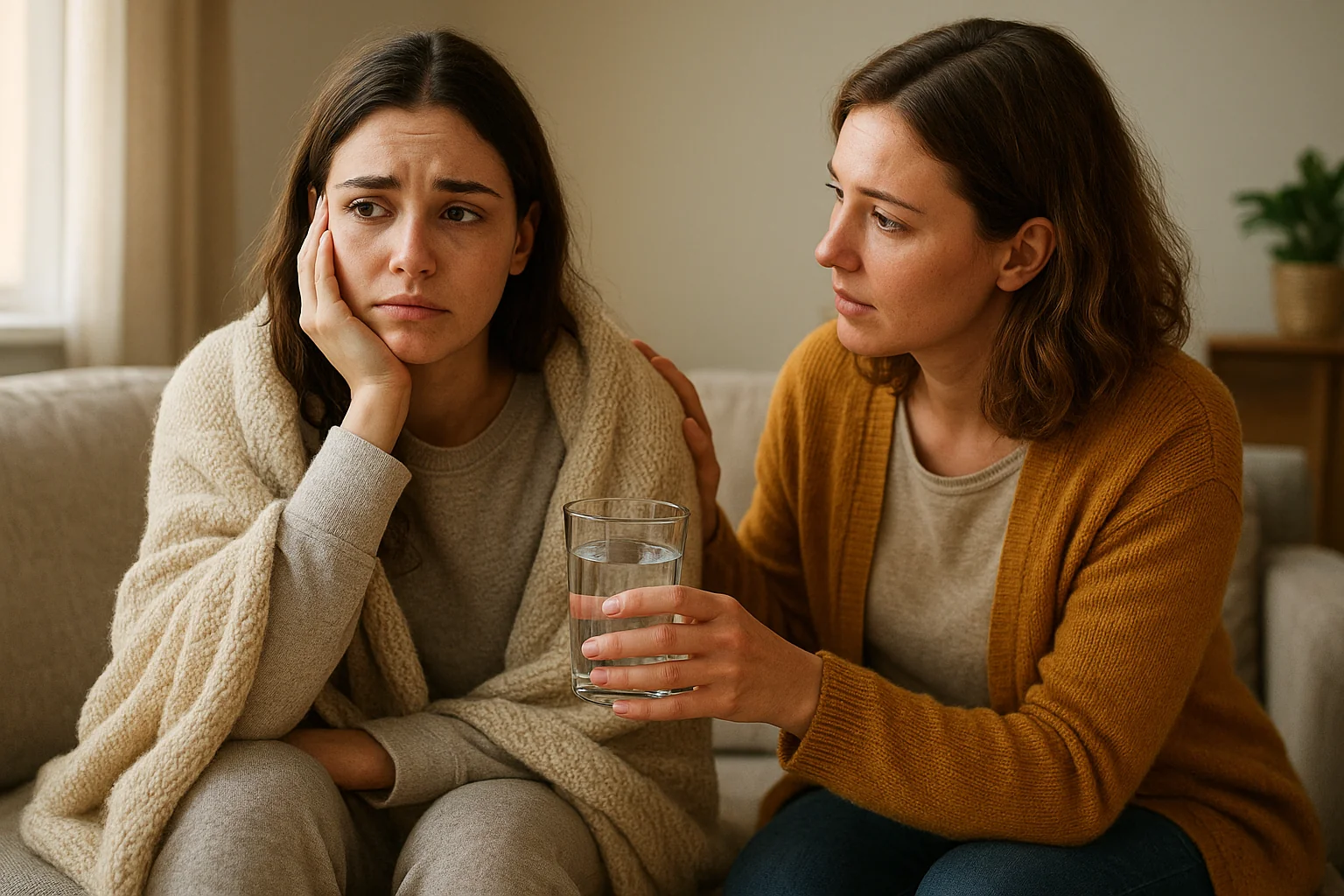
Coming off alcohol affects everyone differently, but understanding the timeline and potential symptoms can help you approach it with the right level of support.
What You'll Learn:
• What happens to your body when you stop drinking.
• The hour-by-hour and day-by-day withdrawal timeline.
• How to tell if your symptoms are mild, moderate, or severe.
• Risk factors that make withdrawal more dangerous.
• When you can safely stop at home versus when you need medical help.
• How to prepare for coming off alcohol.
• What happens after physical withdrawal ends.
• Medication options that can help you stay alcohol-free.
The first thing to know about coming off alcohol is that the experience varies widely from person to person. For some people, it means a few days of discomfort. For others, it can involve serious symptoms that require medical supervision.
Several factors determine which category you fall into, including how much you drink, how long you've been drinking, and your overall health. Understanding the timeline and potential symptoms can help you plan accordingly.
What Happens When You Stop Drinking Alcohol
When you drink regularly, your brain adapts to alcohol's presence. Alcohol enhances the effects of GABA, a neurotransmitter that slows brain activity, while suppressing glutamate, which excites the brain. Over time, your brain compensates by producing less GABA and more glutamate.
When you suddenly stop drinking, your brain is left in an overexcited state. There's not enough GABA to calm things down and too much glutamate revving things up. This imbalance causes withdrawal symptoms.
Your brain can rebalance itself. For most people, acute physical symptoms resolve within a week. The exact timeline depends on individual factors.
The Coming Off Alcohol Timeline
Withdrawal symptoms follow a fairly predictable pattern, though timing varies based on individual factors.
6 to 12 Hours After Your Last Drink
The earliest symptoms usually appear within 6 to 12 hours. These tend to be mild: anxiety, headache, nausea, insomnia, and slight tremors. Many people describe feeling shaky, restless, or unable to settle down.
At this stage, symptoms are usually manageable. However, they can signal that more significant withdrawal is coming.
12 to 24 Hours After Your Last Drink
Symptoms typically intensify during this period. You may experience increased sweating, elevated heart rate, and more pronounced anxiety. Some people develop symptoms of alcohol withdrawal like visual, auditory, or tactile hallucinations.
Hallucinations at this stage don't necessarily mean severe withdrawal is developing. They can occur even in mild to moderate cases and usually resolve within 24 to 48 hours.
24 to 72 Hours After Your Last Drink
This is when symptoms typically peak. For most people with mild to moderate withdrawal, symptoms will be at their worst around the 48 to 72 hour mark and then begin to improve.
For those at risk of severe withdrawal, this is the danger zone. According to the National Institutes of Health, seizure risk is highest 24 to 48 hours after the last drink. Delirium tremens, the most severe form of withdrawal, typically begins 48 to 72 hours after stopping alcohol.
3 to 7 Days After Your Last Drink
Physical symptoms begin to subside for most people during this period. Psychological symptoms like anxiety, irritability, and sleep disturbances may persist.
A survey of over 2,000 adults who had detoxed from alcohol found that withdrawal symptoms lasted an average of 4.83 days. About 95% reported symptoms lasting between two and eight days.
Beyond the First Week
Acute physical withdrawal typically resolves within a week. However, some people experience prolonged symptoms. Sleep problems, mood swings, and low energy can persist for weeks or even months. This is sometimes called post-acute withdrawal syndrome.
Mild vs. Moderate vs. Severe Withdrawal Symptoms
Not all withdrawal is the same. Healthcare providers often use a scale called the Clinical Institute Withdrawal Assessment (CIWA-Ar) to measure severity.
Mild Withdrawal (CIWA Score 8 or Below)
• Anxiety and restlessness.
• Mild tremors.
• Headache.
• Nausea or stomach upset.
• Sweating.
• Insomnia.
• Difficulty concentrating.
Most people who drink moderately or have only been drinking heavily for a short period experience mild withdrawal. These symptoms are uncomfortable but not dangerous.
Moderate Withdrawal (CIWA Score 8 to 15)
Moderate symptoms include everything above plus:
• More pronounced tremors.
• Rapid heart rate.
• Elevated blood pressure.
• Agitation.
• Mild confusion.
• Low-grade fever.
Moderate withdrawal may require medical supervision, especially if symptoms don't begin improving within 48 to 72 hours.
Severe Withdrawal (CIWA Score Above 15)
Severe withdrawal can be life-threatening:
• Seizures.
• Delirium tremens (severe confusion, disorientation, hallucinations).
• High fever.
• Dangerous changes in blood pressure and heart rate.
According to Cleveland Clinic, delirium tremens has a mortality rate of up to 37% if left untreated. With proper medical care, this drops to around 1%.
Risk Factors That Make Withdrawal More Dangerous
Several factors increase the likelihood of severe withdrawal symptoms.
Heavy, Long-Term Drinking - The more you drink and the longer you've been drinking, the more your brain has adapted. Heavier adaptation means more significant withdrawal.
Previous Withdrawal Episodes - Each time you go through withdrawal, your brain becomes more sensitized. This phenomenon, called kindling, means symptoms tend to get worse with each subsequent episode.
History of Withdrawal Seizures or Delirium Tremens - If you've experienced seizures or delirium tremens during previous attempts, you're at high risk of experiencing them again.
Age Over 65 - Older adults have higher rates of complications during withdrawal due to age-related metabolic changes and other health conditions.
Coexisting Health Conditions - Liver disease, heart conditions, and other medical problems make withdrawal more dangerous and harder to manage.
Dehydration and Poor Nutrition - Being dehydrated or malnourished going into withdrawal puts additional stress on your body.
Concurrent Drug Use - Using other substances, particularly sedatives like benzodiazepines, complicates the withdrawal process and increases risk.
When You Can Come Off Alcohol at Home vs. When You Need Help
The safest approach is to talk to a healthcare provider before attempting to stop drinking, especially if you drink heavily. However, understanding general guidelines can help you assess your situation.
Home Detox May Be Appropriate If:
• You drink moderately (not more than a few drinks per day).
• You haven't been drinking heavily for more than a few months.
• You have no history of withdrawal seizures or delirium tremens.
• You don't have serious medical conditions.
• You have someone who can stay with you and monitor your symptoms.
Even with mild withdrawal, having support matters. Symptoms can be unpredictable, and having someone nearby provides both practical help and peace of mind.
Medical Supervision Is Needed If:
• You drink heavily (more than 8 drinks per day) or have been drinking heavily for years.
• You've had seizures or delirium tremens during previous withdrawal attempts.
• You have liver disease, heart problems, or other significant health conditions.
• You're over 65.
• You're also withdrawing from other substances.
• You experience moderate to severe symptoms.
If you're unsure, err on the side of caution. A healthcare provider can assess your risk and recommend the appropriate level of care.
Emergency Warning Signs
Go to the emergency room immediately if you experience:
• Seizures.
• Severe confusion or disorientation.
• Fever above 101 degrees Fahrenheit.
• Hallucinations that feel real.
• Severe vomiting that prevents keeping fluids down.
• Chest pain or difficulty breathing.
How to Prepare for Coming Off Alcohol
If home detox is appropriate for your situation, preparation makes the process safer and more manageable.
Talk to Your Doctor First - Even if you plan to detox at home, talking to a healthcare provider beforehand is wise. They can assess your risk level, recommend medications that might help, and tell you what to watch for.
Clear Your Schedule - Plan to take at least a week off from work and other obligations. Withdrawal symptoms make it difficult to function normally.
Remove Alcohol From Your Home - When withdrawal symptoms hit, the temptation to drink can be intense. Not having alcohol available removes the option.
Stock Up on Supplies - Have plenty of water, electrolyte drinks, easy-to-digest foods, and any medications your doctor recommends. You may not feel like eating, but staying hydrated is essential.
Arrange for Support - Have someone check on you regularly, or ideally stay with you for the first few days. They can monitor your symptoms and get help if needed.
Know Your Emergency Plan - Make sure you and your support person know when to seek medical help and have a plan for getting it quickly if needed.
What Happens After Physical Withdrawal Ends
Completing physical detox is an important first step. However, the weeks and months after stopping drinking bring their own challenges.
Post-Acute Withdrawal Symptoms
Some people experience lingering symptoms for weeks or months after acute withdrawal ends. These include sleep problems, anxiety, depression, difficulty concentrating, and mood swings. These symptoms tend to come and go and gradually improve over time.
Cravings
The physical urge to drink doesn't disappear because withdrawal is over. Cravings can be triggered by stress, social situations, certain places, or simply habit. Understanding the stages of alcohol addiction can help you recognize and manage these triggers.
Mental Health Challenges
Many people who drink heavily have underlying anxiety, depression, or other mental health conditions. Once alcohol is removed, these issues may become more apparent. Addressing them is often key to maintaining sobriety.
The Importance of Ongoing Support
Coming off alcohol is one thing. Staying off alcohol without support is harder. Whether through therapy, support groups, medication, or a combination, having a plan for ongoing support improves your chances of success.
Medication Options for Staying Off Alcohol
Medication can be valuable for preventing relapse after withdrawal. One option that many people don't know about is naltrexone.
How Naltrexone Works
Naltrexone blocks the opioid receptors in your brain that are activated when you drink alcohol. When these receptors are blocked, you don't get the same pleasurable buzz from drinking. Over time, this breaks the association between alcohol and reward, reducing cravings.
The medication doesn't make you sick if you drink, and it's not addictive. It simply removes the rewarding feeling that makes alcohol hard to resist.
Who Naltrexone Helps
Naltrexone is FDA-approved for treating alcohol use disorder. Studies show it can reduce heavy drinking days and help people maintain abstinence. You can learn more about how to use naltrexone to stop alcohol cravings in our detailed guide.
The medication works best when combined with counseling or behavioral support. Addressing both the physical cravings and the psychological factors behind drinking gives you the best chance of success.
Getting Started With Naltrexone
Naltrexone requires a prescription. The recommended approach is to start taking it after you've been alcohol-free for a few days. Taking it daily ensures the medication is in your system whenever you might be tempted to drink.
Coming Off Alcohol: The Bottom Line
Coming off alcohol is a significant undertaking worth approaching with realistic expectations and appropriate support. For many people, the process is uncomfortable but manageable with the right preparation.
The key points to remember: understand your risk level, don't hesitate to seek medical help if you're unsure, have a support system in place, and think beyond detox to your long-term plan for staying alcohol-free.
If you've been recognizing symptoms of alcohol addiction in yourself, taking steps to address it is worth considering. Help is available, and recovery is possible.
Ready to explore your options? Take an online Alcohol Use Assessment to see if naltrexone could help you drink less or stop altogether.