A 2 minute assessment to get a personalized mental health or alcohol recovery plan.

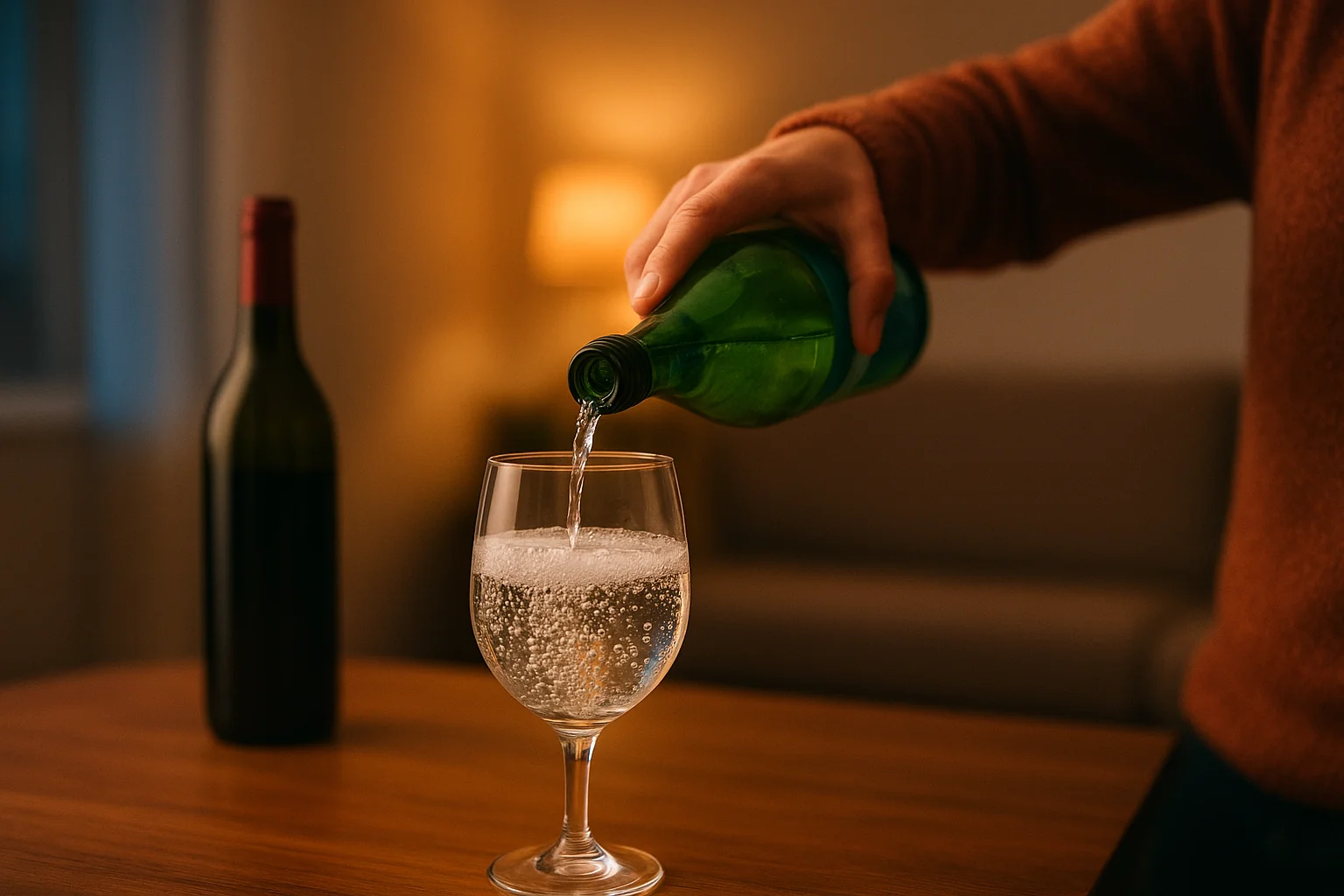
Cutting back on drinking is achievable with the right strategies, and you don't have to quit completely to see real benefits.
What You'll Discover:
• Why cutting back on drinking is a valid goal.
• How to set realistic limits that you can maintain.
• Practical strategies for drinking less.
• Common obstacles and how to overcome them.
• How medication makes cutting back easier.
• What to do if cutting back isn't working.
• When to consider stopping completely.
Many people want to cut back on drinking without quitting entirely. According to the Centers for Disease Control and Prevention, reducing alcohol consumption at any level provides health benefits. You don't need to have a severe problem to benefit from drinking less, and you don't need to commit to lifelong abstinence to make meaningful changes.
This article covers practical approaches that actually work for reducing your alcohol intake.
Why Cutting Back Is a Valid Goal
The first thing to know is that reducing your drinking is a legitimate treatment goal recognized by medical professionals. The all-or-nothing approach that dominated for decades has given way to a more nuanced understanding.
Benefits of cutting back include:
• Improved sleep quality
• More energy and better mood
• Weight loss (alcohol contains significant calories)
• Better liver function
• Lower blood pressure
• Reduced cancer risk
• Clearer thinking
• More money in your pocket
• Fewer regrettable decisions
Research shows that any reduction in heavy drinking produces measurable health improvements. Moving from daily drinking to a few times per week, or from 5 drinks per occasion to 2, makes a real difference.
Something to consider is that cutting back can be a stepping stone. Some people reduce their drinking and find they're satisfied at a moderate level. Others discover that moderation is harder than expected and decide to quit completely. Either outcome is progress.
Setting Realistic Limits
Vague intentions like "drink less" rarely work. Specific, measurable limits are more effective.
Define your limits clearly:
• Maximum drinks per drinking occasion (1 to 2 is typical for moderate drinking)
• Maximum drinking days per week (2 to 3 allows for alcohol-free days)
• Situations where you won't drink at all (driving, work nights, etc.)
Low-risk drinking guidelines:
According to the National Institute on Alcohol Abuse and Alcoholism, moderate drinking means up to 1 drink per day for women and up to 2 drinks per day for men. Staying within these limits significantly reduces health risks.
What counts as one drink:
• 12 ounces of regular beer (5% alcohol)
• 5 ounces of wine (12% alcohol)
• 1.5 ounces of distilled spirits (40% alcohol)
So, are your drinks actually "one drink"? The short answer is that many poured drinks exceed standard sizes. A large glass of wine might be 8 or 9 ounces, which is nearly 2 standard drinks. A strong cocktail can contain 2 or 3 standard drinks. Being honest about actual quantities matters.
Practical Strategies for Drinking Less
These approaches help people successfully cut back on drinking.
Track your consumption - Keep a record of every drink for 2 to 4 weeks. Many people are surprised to find they drink more than they realized. Awareness alone often leads to reduction.
Alternate with water - Have a glass of water between alcoholic drinks. This slows your pace and reduces total consumption.
Start later - If you typically start drinking at 6pm, try waiting until 7pm or 8pm. A later start usually means fewer total drinks.
Choose lower-alcohol options - Light beer, wine spritzers, or drinks with less alcohol let you have a drink in your hand without consuming as much.
Set drink-free days - Designate certain days as alcohol-free. Many people find that not drinking on weekdays is easier than moderating every day.
Avoid keeping alcohol at home - If you have to go out to get alcohol, you'll drink less. Removing the convenient option eliminates impulse drinking.
Change your routine - If you always drink in certain situations (watching TV, cooking dinner), substitute a different beverage during those times.
Tell someone your goal - Having accountability helps. Tell a friend, family member, or partner what you're trying to do.
For more specific tips, see our article on tips for quitting alcohol, which also applies to cutting back.
Common Obstacles and How to Overcome Them
Most people encounter predictable challenges when trying to cut back on drinking.
Social pressure - Friends or colleagues may encourage you to drink more. Strategies include having a go-to response ready, arriving late to events, or being the designated driver.
Stress - If alcohol is your primary stress reliever, you need alternatives. Exercise, meditation, calling a friend, or other activities can fill the gap.
Habit and routine - Automatic behaviors are hard to break. Changing your environment helps. Sit in a different spot, take a different route home, or change your after-work routine entirely.
The "just one more" voice - Once you've had one drink, the urge for another is stronger. Planning exactly how many you'll have before you start, and telling someone your plan, helps.
Special occasions - Weddings, holidays, and celebrations can derail good intentions. Decide in advance how you'll handle these events. Having a specific plan beats making decisions after you've already started drinking.
If it seems like cutting back requires more effort than you expected, that's because it often does. The neural pathways that drive drinking behavior are strong, and changing them takes consistent effort.
How Medication Makes Cutting Back Easier
Naltrexone is an FDA-approved medication that can significantly help when you're trying to cut back on drinking. It reduces cravings and makes drinking less rewarding, which makes it easier to stop after one or two drinks.
How naltrexone works:
The medication blocks opioid receptors in the brain. When these receptors are blocked, drinking doesn't produce the same pleasurable "buzz." You can still drink, but the drive to continue drinking is reduced.
Benefits for cutting back:
• Easier to stop after your planned number of drinks
• Reduced cravings between drinking occasions
• Less mental energy spent fighting the urge to drink more
• Gradual weakening of the drinking habit over time
Naltrexone is taken as a daily 50mg tablet. It doesn't make you sick if you drink, and it doesn't require abstinence. For people trying to cut back rather than quit completely, it can be a valuable tool.
Research shows that people taking naltrexone have significantly fewer heavy drinking days compared to those using willpower alone.
For that reason, programs like Choose Your Horizon combine naltrexone prescriptions with coaching. The medication addresses the biological aspect while coaching addresses behavioral patterns.
Our article on how naltrexone helps you regain control explains the medication in more detail.
What to Do If Cutting Back Isn't Working
Some people try to cut back and find it consistently difficult. This doesn't mean you've failed. It means you've learned something important about your situation.
Signs that cutting back may not be working:
• Regularly exceeding your limits
• Needing to constantly reset and try again
• Spending significant mental energy on managing your drinking
• Feeling deprived or resentful of your limits
• Experiencing problems even at reduced levels
Options if moderation is difficult:
• Try medication if you haven't already
• Add coaching or therapy for additional support
• Consider a trial period of complete abstinence
• Explore whether abstinence might actually be easier for you
All that said, many people find abstinence is easier than moderation. Not drinking at all removes the constant decision-making about how much is acceptable. For some people, the mental peace of not managing limits outweighs any benefits of occasional drinking.
Our article on understanding alcohol use disorder can help you assess your situation.
Taking the Next Step
Cutting back on drinking is achievable for many people. Setting clear limits, using practical strategies, and having accountability all increase your chances of success. Medication like naltrexone can make the process significantly easier by reducing cravings and the rewarding effects of alcohol.
If you want to explore how medication could help you cut back, take the online Alcohol Use Assessment to see if naltrexone could be a good fit for your goals.