A 2 minute assessment to get a personalized mental health or alcohol recovery plan.

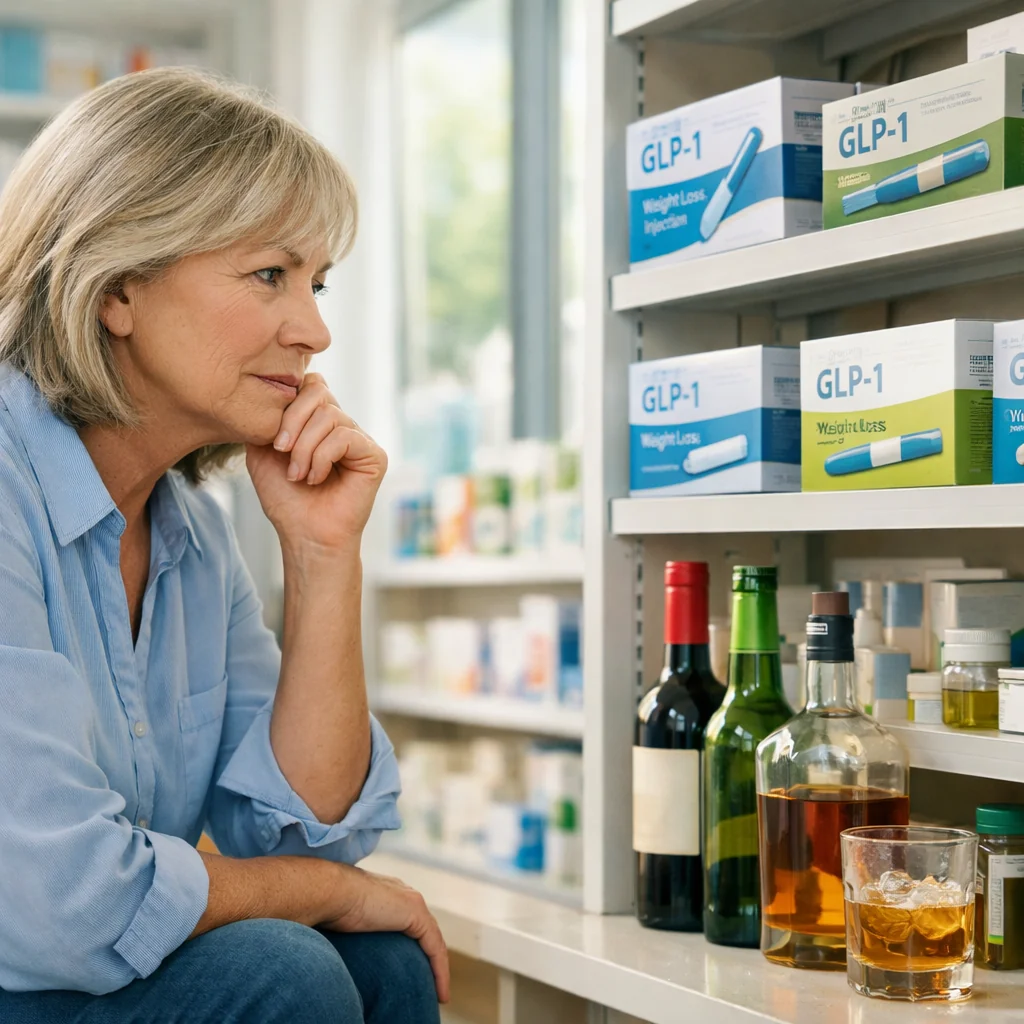
Drinking can quietly slow your GLP-1 progress through calories, paused fat-burning, blood-sugar swings, and food choices. Here is the honest breakdown and how to cut back.
What You'll Discover:
• How GLP-1 medications drive weight loss in the first place.
• The specific ways alcohol works against that progress.
• Why fat-burning pauses and blood sugar swings while you drink.
• How drinking stacks side effects and derails food choices.
• How naltrexone can help you cut the drinking that stalls results.
If you are on a GLP-1 like Ozempic, Wegovy, or Zepbound and still enjoying a few drinks, you have probably wondered whether the wine is undoing the work. It is a fair question, and the honest answer is yes, drinking can slow your progress.
It does not mean one glass ruins everything. It means alcohol works against your goal through several mechanisms at once, and the effect adds up over weeks.
The good news is that once you understand how, you can make informed choices. And if cutting back feels harder than it should, there is real support for that too.
This guide walks through each mechanism in plain terms, then covers what actually helps. No scare tactics, just an honest look at the trade-offs and your options.
How GLP-1 Medications Drive Weight Loss
A quick primer helps, because it explains why alcohol interferes.
GLP-1 medications mimic a gut hormone that does a few things at once. They slow how fast your stomach empties, so you feel full longer. They quiet appetite and cravings. And they help steady your blood sugar.
The result is that you eat less without feeling starved, and your body has an easier time tapping into stored fat. Weight comes off gradually and more comfortably than through willpower alone.
Every one of those benefits, fullness, quiet cravings, steady blood sugar, and fat access, is something alcohol can undercut. That is why drinking matters more on a GLP-1 than people expect.
Many people assume alcohol is a minor variable, a treat that sits outside the plan. On a GLP-1 it sits right in the middle of it, tugging on several of the same levers the medication is pulling.
Mechanism One: Empty Calories
Start with the simplest one. Alcohol is calorie-dense and nutrient-poor.
Alcohol carries about seven calories per gram, nearly as much as pure fat, and those calories come with essentially no nutrition. Two or three drinks can quietly add several hundred calories to a day you thought was on track.
The National Institute on Alcohol Abuse and Alcoholism keeps a tool that shows just how fast those empty calories add up fast across a week. For many people, the weekly total is a genuine shock.
On a GLP-1, this stings extra. The whole point of the medication is to lower your calorie intake, so pouring liquid calories back in works directly against the tool you are paying for.
There is a math version of this that helps. If your GLP-1 helps you cut five hundred calories a day, a few weekend drinks can quietly hand a big share of that back.
You are still ahead, but not as far ahead as the scale could be. That gap is often the difference between fast progress and a plateau.
And drinks are sneaky. A cocktail with juice or soda can rival a dessert, but it does not register as food, so it slips past the appetite control the medication is providing.
Beer and sweet wine carry their own loads too. A couple of pints can match a full meal in calories, without any of the protein or fiber that would have kept you full.
Because the calories are liquid, they do little to satisfy hunger. You drink them, and you are still just as ready to eat afterward.
Mechanism Two: Paused Fat-Burning
This one surprises people. When you drink, your body stops burning fat to deal with the alcohol first.
Your body treats alcohol like a toxin, so it drops everything to metabolize it. Fat oxidation, the process of burning stored fat for energy, gets pushed to the back of the line until the alcohol is cleared.
The liver handles most of this work, and it can only process alcohol so fast. While it does, your metabolism shifts toward clearing the alcohol and away from burning fat.
This happens regardless of how disciplined the rest of your day was. A perfect eating day still hits this metabolic detour the moment you drink.
Research shows that even a single bout of drinking can shift metabolism so that alcohol suppresses fat burning for a stretch afterward, not just during the drinks themselves. The effect can linger into the next day.
So on the nights you drink, the fat-access advantage your GLP-1 is working to create gets put on hold. We break this down further in our guide to how alcohol stops fat burning.
Stack a few drinking nights across a week and you have several windows where the fat-burning your medication enables is simply switched off.
Think of it as pressing pause. The medication is trying to keep the fat-burning tape rolling, and each drinking night hits the pause button for hours at a time.
Over a month, those pauses are not trivial. They are a meaningful chunk of the fat-burning time you were counting on.
Mechanism Three: Blood-Sugar Swings
GLP-1s help steady your blood sugar, and stable blood sugar means fewer cravings and more even energy. Alcohol throws a wrench in that.
Drinking can cause blood sugar to spike from sugary mixers, then drop lower than normal hours later as the liver prioritizes clearing alcohol over releasing glucose. That dip can leave you shaky, tired, and hungry.
Those low-blood-sugar moments are exactly when cravings for quick carbs hit hardest. So alcohol can trigger the very snack attacks your GLP-1 was helping you avoid.
It is a frustrating loop. The medication smooths your blood sugar, the drink roughens it, and you end up fighting hunger the medication had already handled.
The timing makes it worse. The blood-sugar dip often lands late at night or the next morning, right when your defenses are down and easy carbs are within reach.
Mechanism Four: Side-Effect Stacking
GLP-1s come with their own gut side effects, especially early on. Nausea, slow digestion, and a queasy stomach are common as your body adjusts.
Alcohol irritates the stomach and the gut lining on its own. Put the two together and you can amplify nausea, discomfort, and digestive upset well beyond what either causes alone.
Beyond feeling miserable, this stacking has a practical cost. It can make it harder to eat the balanced meals and protein your body needs to lose fat while keeping muscle.
There is also a tolerance angle worth knowing. Because GLP-1s slow stomach emptying, alcohol can hit differently and sometimes harder. We cover that in our piece on whether Ozempic can lower your alcohol tolerance.
If you do choose to drink, going slow and staying hydrated matters more than usual. Our overview of how to drink alcohol on a GLP-1 walks through doing it more safely.
Mechanism Five: Willpower and Food Choices
Even setting biology aside, alcohol changes behavior in ways that undercut weight loss.
A few drinks lower your inhibitions, and that includes your resolve around food. The late-night fries, the second helping, the snack you would have skipped sober all become much easier to reach for.
This is a real effect, not a personal failing. Alcohol dampens the brain's judgment and self-control while boosting appetite, which is a rough combination when you are trying to eat less.
Studies have long shown that people eat more when they drink, both during and after. The drink lowers the guardrails, and the food that follows was never part of the plan.
On a GLP-1, this can partly override the appetite suppression you are relying on. The medication says you are full, and a few drinks talk you into eating anyway.
It also tends to derail the routines that support weight loss. A big night out often means a skipped workout and a rough morning, and those add up over time.
Consistency is most of the battle with any weight goal. Drinking chips away at consistency, not just through calories but through the tired, foggy days that follow a heavier night.
How Alcohol Works Against GLP-1 Goals
Here is the whole picture in one place. Each mechanism chips away at a different part of your progress.
No single row is a catastrophe. Together, though, they explain why drinking can quietly flatten a scale that should be moving.
This is why people are often puzzled by a stall. They are eating well and taking the medication faithfully, but the two or three drinks a night are working against every one of those efforts.
Once you see the full list, the stall stops being a mystery. It becomes a lever you can actually pull.
How Naltrexone Helps Cut the Drinking That Stalls Progress
If you have read this far and realized alcohol is the thing holding your progress back, the natural next question is how to drink less. For many people, that is easier said than done, and that is where medical support helps.
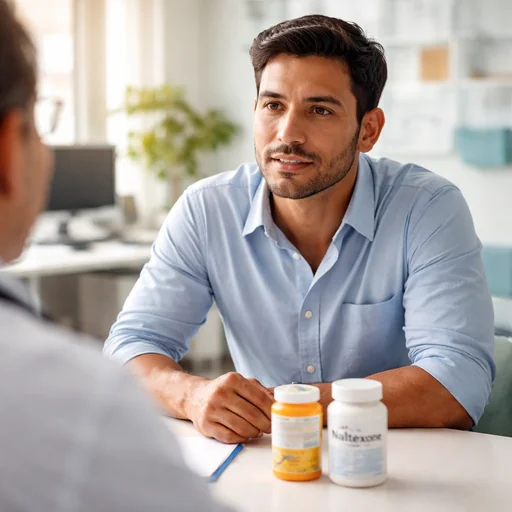
Naltrexone is a daily 50mg tablet that targets the reward behind drinking. When you drink, alcohol releases endorphins that create a pleasant buzz. Naltrexone blocks the opioid receptors those endorphins act on, so the buzz is muted.
With the reward turned down, cravings fade and it gets easier to stop at one or skip drinking altogether. Over time, the brain unlearns the pull toward alcohol.
This pairs naturally with GLP-1 goals. Your GLP-1 quiets food cravings, and naltrexone quiets alcohol cravings, so the drinking that was stalling your results loses its grip.
It is worth noting that GLP-1 medications themselves may curb drinking for some people. Early research shows they may nudge drinking down for some people in studies.
That said, for alcohol specifically, naltrexone is the tool with the track record and the approval for alcohol use disorder.
We compare the two directly in our article on naltrexone vs GLP-1 for alcohol, if you want the full picture.
You do not have to choose between your weight-loss goal and getting a handle on drinking. The two goals support each other, and there are tools for both.
In fact, many people find that as their drinking drops, their weight loss speeds up noticeably. The stalls ease, the cravings quiet, and the plan finally works the way it was supposed to.
That momentum tends to build on itself. Better results make it easier to stay motivated, which makes the whole thing feel less like a grind.
Frequently Asked Questions
Does drinking alcohol stop weight loss on Ozempic or Wegovy?
Drinking can slow it. Alcohol adds empty calories, pauses fat-burning, disrupts blood sugar, and loosens food restraint, all of which work against the way GLP-1 medications help you lose weight.
How long does alcohol pause fat-burning?
Your body prioritizes clearing alcohol over burning fat, and research shows the metabolic shift can linger for hours to the next day after drinking. On nights you drink, fat-burning is largely on hold.
Can I drink at all on a GLP-1?
Many people have an occasional drink, but it can worsen nausea and other side effects and slow your results. If you do drink, go slow, stay hydrated, and keep the amount modest.
Why do I get more cravings after drinking on a GLP-1?
Alcohol can cause a blood-sugar dip hours later, and those lows drive cravings for quick carbs. It also lowers your food restraint, which can override the appetite control your GLP-1 provides.
How can naltrexone help my weight-loss goals?
Naltrexone reduces alcohol cravings by muting alcohol's reward, so drinking loses its pull. Cutting back the drinking that stalls your progress lets your GLP-1 do its job without alcohol working against it.
The Bottom Line
Drinking does not erase your GLP-1 progress in one night, but it works against it on several fronts at once. Empty calories, paused fat-burning, blood-sugar swings, stacked side effects, and looser food choices all add up.
Understanding the mechanisms puts you back in control. You can decide how much drinking is worth to you, knowing exactly what it costs your goals.
If cutting back is the missing piece, Choose Your Horizon can help. Naltrexone quiets alcohol cravings so the drinking that stalls your results loses its grip, and it fits right alongside your weight-loss plan.
To see if it makes sense for you, take our online Alcohol Use Assessment to learn if naltrexone could be a good fit.