A 2 minute assessment to get a personalized mental health or alcohol recovery plan.

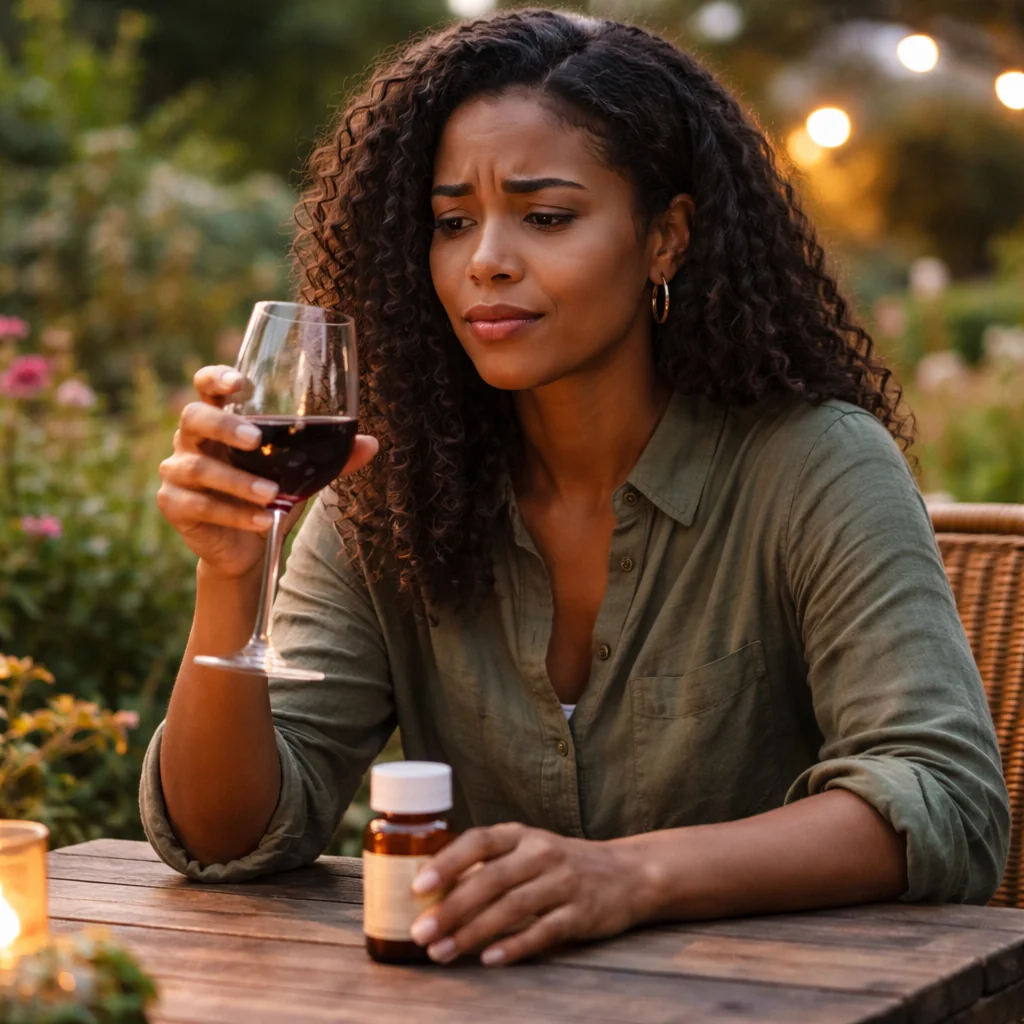
Wine turning sour. Beer feeling heavy. The second drink losing its point. Taste change is one of the most reported effects of GLP-1 medications, and there are real reasons behind it.
What You'll Discover:
• The taste changes people report most often on a GLP-1.
• Why alcohol's reward pathway in the brain is the likely driver.
• How slowed digestion changes the way a drink lands.
• Why taste tends to shift before drinking does.
• How long the change usually takes to show up.
• Where the science is solid and where it is still thin.
The pattern comes up constantly. Someone starts a GLP-1 for weight or blood sugar, and a few weeks in, the glass of wine they used to look forward to tastes sharp and oddly sour.
Beer feels heavy and filling. Cocktails read as cloying. The drink has not changed. The person drinking it has.
This is one of the most widely reported and least directly studied effects of these medications.
The short version: taste change on a GLP-1 is almost certainly real, the explanation is probably not happening on your tongue, and it varies a lot between people.
What People Actually Report on a GLP-1
The descriptions are strikingly consistent across thousands of accounts. Red wine gets called sour, metallic, or vinegary. White wine gets called flat and watery.
Beer draws the most complaints. People say it feels heavy, filling, or bloating in a way it never did before, and they stop halfway through the first one.
Sweet drinks take the biggest hit. Cocktails, liqueurs, and anything sugary get described as sickly, syrupy, or just too much.
Spirits tend to hold up better. Even then, people often say the warmth and the buzz feel muted rather than pleasant.
A smaller group reports no taste change at all, just less interest in drinking. None of that is formal evidence. These are user-reported patterns and should be read as exactly that. The consistency is what makes them worth taking seriously.
The Reward Pathway Is the Most Likely Explanation
Here is where the science gets more solid. Alcohol produces its pull largely through the brain's reward circuit, specifically a dopamine surge in a region called the nucleus accumbens.
GLP-1 receptors sit in that same circuit. They show up in the nucleus accumbens and the ventral tegmental area, the two structures most involved in wanting something and liking it.
Turn GLP-1 signaling up and that reward response gets quieter. Animal studies have shown that activating GLP-1 receptors in those exact regions reduces how reinforcing alcohol is, which is about as direct as mechanism evidence gets.
A broader review of GLP-1 medications as an emerging option in alcohol use disorder describes the same picture. These drugs appear to blunt the rewarding properties of alcohol rather than block its absorption or metabolism.
That matters for taste because flavor is not purely chemical. What you taste is heavily colored by how rewarding your brain expects the thing to be.
Turn the reward down, and the sensory experience genuinely shifts. That is the same territory we cover in our explainer on how GLP-1 medications affect alcohol cravings.
Appetite Signaling and Taste Signaling Share Wiring
There is a second explanation, and this one is much more local. GLP-1 is not only a gut and brain hormone. It is produced inside taste bud cells.
Researchers studying whether semaglutide changes sweet taste perception note that GLP-1 receptors sit on gustatory nerves right next to the taste cells that make GLP-1. That local signaling looks specifically involved in perceiving sweetness.
That fits the reports neatly. The drinks people complain about hardest are the sweet ones.
The honest caveat is that this research is early. The same team points out that the role of GLP-1 in human taste perception remains largely unaddressed in clinical studies. Plausible and biologically grounded is not the same thing as proven.
Slower Digestion Changes How a Drink Lands
GLP-1 medications slow gastric emptying. Food and liquid sit in the stomach longer before moving into the small intestine, and that has two consequences worth knowing.
The first is fullness. A beer that used to go down easily now competes for space in a stomach that is already signaling full. That is exactly why beer draws the most complaints.
The second is timing. Alcohol is absorbed slowly from the stomach and quickly from the small intestine, so a slower stomach means a slower, flatter rise in blood alcohol.
A clinical review of delayed gastric emptying with GLP-1 medications and tirzepatide documents how consistently this effect shows up across the class.
The practical result is that the first-drink lift arrives later and softer, and people read that as the drink being weaker or worse.
Worth understanding alongside the way these medications can change your alcohol tolerance, because eating less and absorbing slower pull in opposite directions.
Nausea Teaches the Brain Something About the Glass
Nausea is the most common side effect of GLP-1 medications, and it peaks during dose increases. Alcohol is a stomach irritant on its own.
Put those together and a lot of people have one genuinely unpleasant experience with a drink in the first month or two.
The brain is very good at learning from that. Taste aversion learning is one of the fastest forms of conditioning humans have. A single episode of feeling sick after a specific food or drink can permanently change how appealing it seems.
So part of what people call a taste change may be a learned response rather than a sensory one. The drink tastes different because the brain has quietly reclassified it as a bad idea.
What People Report and What Is Likely Behind It
How Long It Takes to Show Up
Most accounts land in a similar window. People notice the shift somewhere between week two and week six, which lines up with the first dose increases rather than the very first injection.
That timing is informative. If taste change were purely a stomach effect, it would arrive with the first dose. If it tracks with dose escalation, reward signaling is the more likely driver.
Some people describe it as sudden, a single night where the wine tasted wrong. Others describe a slow fade where they only noticed in hindsight that they had stopped reaching for it.
Neither version is more valid. The medication does not follow a script, and there is no schedule you are supposed to be on.
Dose escalation is also when nausea peaks, which muddies the picture. Two different mechanisms are ramping up at the same time, and from the inside they feel like one thing.
That overlap is part of why the taste question has been so hard to study cleanly. Separating a reward effect from a nausea effect takes a trial designed to do it, and that trial has not been run.
Taste Usually Changes Before Drinking Does
One detail gets missed in most coverage. For most people the sensory change comes first, and the behavior change follows it.
The typical sequence looks like this. Drinks start tasting off. Then glasses get left half full. Then, somewhere down the line, a person realizes they have not thought about drinking in days.
That order makes sense given the mechanism. Reward signaling shifts quickly. Habits take longer to catch up.
It also explains why so many people describe the change as passive. Nobody decided to stop wanting the wine. The wanting just quietly left. We go deeper into that experience in our piece on why some people on Ozempic stop wanting to drink.
Not Everyone Gets This Effect
This is the part that gets flattened everywhere else. The taste change is common, not universal.
Plenty of people on a GLP-1 report no change whatsoever in how alcohol tastes or how much they want it. Some report the opposite, where drinks hit harder because they are eating less and their tolerance has dropped.
Dose appears to matter. Reports of taste change cluster at higher doses, though nobody has run the study that would confirm that.
Baseline drinking pattern matters too. Someone drinking heavily every day is a different case from someone having two glasses of wine on a Saturday, and the effect looks less reliable in heavier drinkers.
Beverage type matters as well, which is why wine drinkers and beer drinkers describe such different experiences. Our look at GLP-1 medications and wine covers that split in more detail.
Where the Evidence Is Solid and Where It Is Thin
Being straight about this matters more than making the story tidy.
Solid: GLP-1 receptors are present in reward circuitry, these medications slow gastric emptying, and nausea is a common side effect. All three are well documented.
Reasonably supported: GLP-1 medications reduce alcohol craving and consumption in some people.
A randomized trial of once-weekly low-dose semaglutide in adults with alcohol use disorder found reduced weekly craving and less drinking in a laboratory session compared with placebo.
That trial enrolled 48 people, which is small by any standard.
Thin: taste itself. There is no published trial measuring how alcohol tastes to people on a GLP-1. Every account of wine turning sour is user-reported.
And the framing that matters most: GLP-1 medications are not FDA-approved for alcohol use disorder. The evidence here is genuinely emerging, not established, and anyone telling you otherwise is getting ahead of the data.
What to Do With a Taste Change You Did Not Expect
If drinks have lost their appeal on a GLP-1 and you are glad about it, that is a useful signal. It usually means the reward loop that kept the habit running has loosened its grip.
The practical move is to build on it while it is happening. A habit that is not being reinforced comes apart far more easily than one you are fighting head-on.
That can look small. Not restocking the fridge, moving the wine out of eye level, or letting a Tuesday pass without the automatic pour.
The window matters more than the tactics. Reward signaling is doing work for you that willpower usually has to do alone, and that is a good time to change the surrounding habits.
If drinking less is what you actually want, there is a medication built specifically for that.
Naltrexone has been FDA-approved for alcohol use disorder since 1994 and works on the opioid receptors that release dopamine when you drink.
At Choose Your Horizon the care is physician-guided, and for some people a GLP-1 and naltrexone combination is an option worth discussing. Both are supported where they make clinical sense.
Anything you do here should run through a clinician who knows your full history. Do not adjust a GLP-1 dose to chase an alcohol effect, and do not stop a prescribed medication on your own.
The Bottom Line
Alcohol really does taste different to many people on a GLP-1, and the most likely reason is a quieter reward response in the brain rather than anything happening on your tongue.
Slowed digestion and nausea add to it. Learned aversion probably locks it in. The effect is common but not guaranteed, and the direct research on taste is still missing.
If that shift has opened a door for you, it is a good moment to be honest about what you want your drinking to look like. Wanting to drink less does not require a crisis, a label, or anyone's permission.
Getting help early is a lot easier than getting help late, and plenty of people arrive at this decision from exactly where you are standing.
Frequently Asked Questions
Why does wine taste sour on Ozempic?
The most likely reason is a dampened reward response in the brain, which changes how flavor registers. Slowed digestion and nausea sensitivity add to it. No study has measured wine taste on a GLP-1 directly.
Does the taste change go away over time?
For many people the strongest effects show up during dose increases and soften afterward. Others report the change lasts as long as they stay on the medication. Both patterns are common in user accounts.
Is a taste change a sign the medication is working?
Not reliably. Taste change is not a clinical marker of anything, and plenty of people get full benefit from a GLP-1 with no change in how alcohol tastes.
Can I use a GLP-1 to quit drinking?
GLP-1 medications are not FDA-approved for alcohol use disorder, so that would be off-label use. Early trial evidence is promising but limited, and naltrexone remains the option with decades of approval behind it.
Does the effect happen with tirzepatide too?
User reports describe similar patterns with tirzepatide, and it acts on the same GLP-1 pathway. The published alcohol research so far has focused on semaglutide.
Should I tell my prescriber that drinks taste different?
Yes. It is useful information for your clinician, especially if it comes with nausea or if you are drinking noticeably less or more than you were before.
Find out whether naltrexone fits what you are trying to change about your drinking. Take the online Alcohol Use Assessment and a physician will review your history and talk through the options with you.