A 2 minute assessment to get a personalized mental health or alcohol recovery plan.

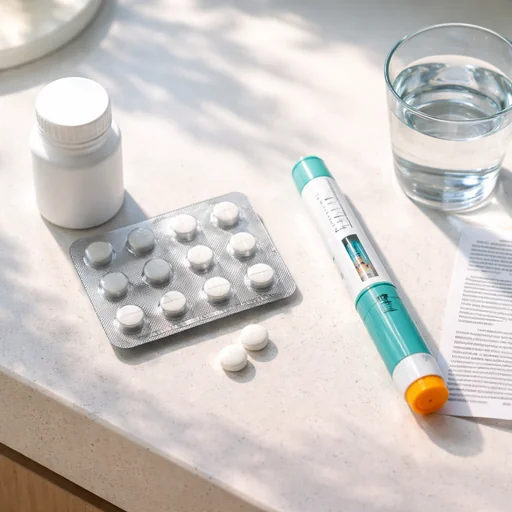
Get all of the essential information on GLP-1 medications for alcohol reduction. We make it easy to understand so you can make the best decisions for your health.
What You’ll Learn:
- The science behind GLP-1 drugs and what it’s used for currently
- Additional ancillary GLP-1 uses
- If it’s safe to drink alcohol while taking GLP-1 medications
- Why GLP-1 meds are a promising new therapy for alcohol use disorder
- How GLP-1 reduces alcohol cravings
- How GLP-1 drugs compare to naltrexone for alcohol reduction
- The additional benefits of GLP-1 agonist meds
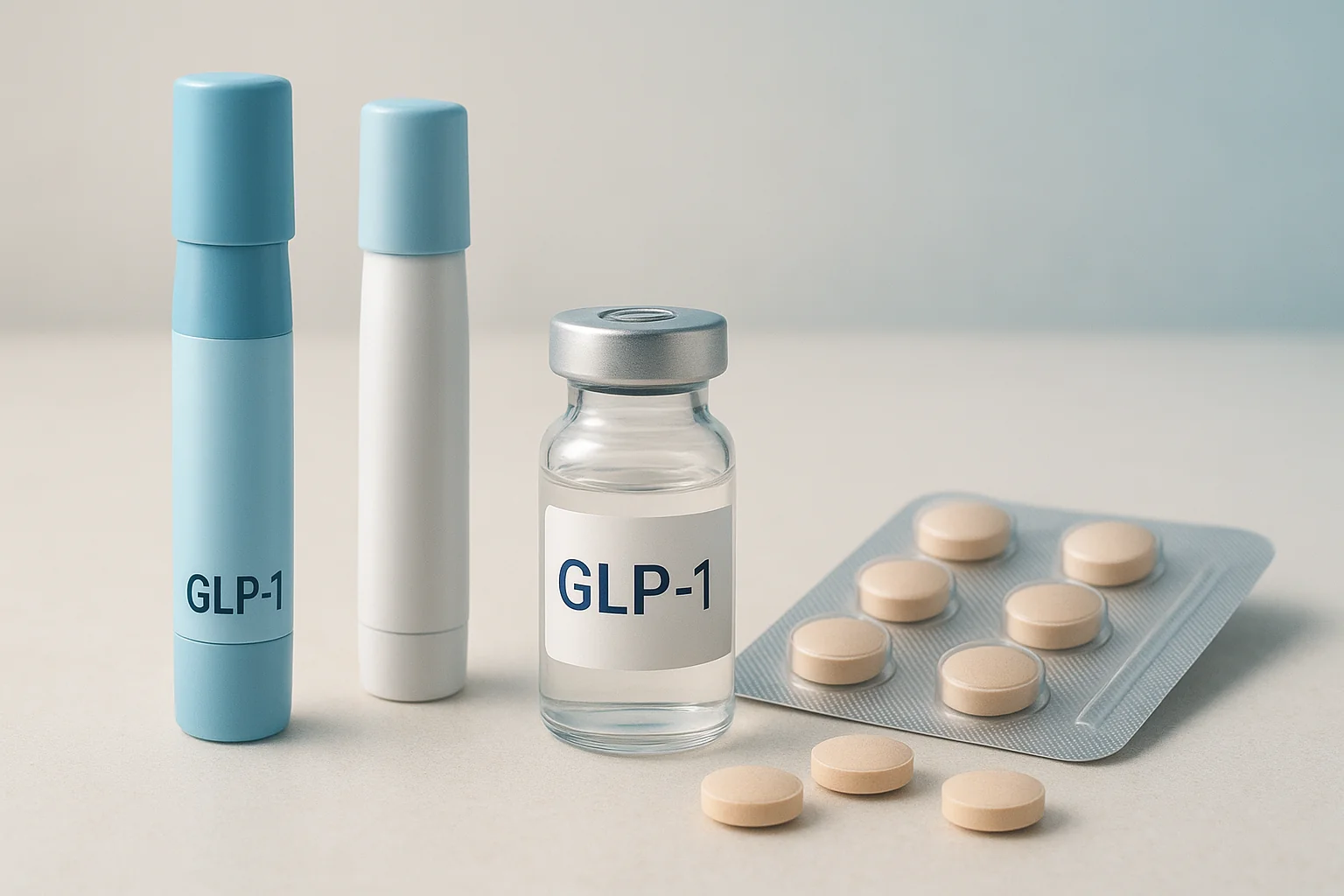
- What types of GLP-1 medications are available today
- GLP-1 injections
- GLP-1 tablets
- GLP-1 patches
- GLP-1 drops
- The most common GLP-1 side effects
- Short-term side effects of GLP-1 drugs
- GLP-1 long-term side effects
- Why GLP-1 injection side effects differ from oral medication
Glucagon-Like Peptide 1, better known as GLP-1, is a hormone that is naturally produced in the gut to curb appetite, slow digestion and keep blood sugar levels in check. The class of medications that mimic the hormone are called GLP-1 agonists. They produce the same effect as the hormone, providing a whole host of benefits that have researchers exploring GLP-1s beyond what they are used for currently.
At Choose Your Horizon we’ve become very familiar with GLP-1 agonists since they are considered the next game changer in treating alcohol use disorder. We’ve been studying the science and analyzing the research to gain a better understanding of how GLP-1s work and how safe they are to take so we can share that information with you.
How GLP-1 Drugs Work and What They’re Currently Used For
The origins of GLP-1 medications date back to 1906. It was discovered that components in the intestines that were called incretines could lower blood glucose. Fast forward to the 1960s and researchers found evidence that there could be hormones in the gut that could regulate insulin. But the specific hormone wasn’t identified, and GLP-1 went undiscovered until 1983.
Then in 1986 researchers showed that GLP-1 was produced in the intestines. Researchers began analyzing it and found that GLP-1 could prompt insulin secretion. By the early 1990s studies involving people with diabetes noted that GLP-1 could increase insulin and decrease glucose levels.
From there, things really took off as pharmaceutical companies worked to create a synthetic version that was stable and had a much longer half-life than the natural hormone. Once that was achieved it cleared the way for GLP-1 agonists to be tested and approved by the FDA.
The FDA-Approved Uses For GLP-1 Agonist Meds
Currently, GLP-1 medications are being explored for a number of purposes, but they are already approved for a few uses.
Type 2 Diabetes
The first GLP-1 drug (exenatide) was approved in 2005 to treat type 2 diabetes. Treating diabetes was the original intent from the beginning when it was discovered that the GLP-1 hormone could help regulate blood sugar levels. Over the years GLP-1 agonists for diabetes have expanded and improved.
Weight Loss/Chronic Weight Management
In the mid-1990s it was already observed that GLP-1 reduced food intake, which led to patients losing weight. At that point patients with diabetes who participated in studies were losing 5% of their body weight on average.
Further development of medications for diabetes led to the development of semaglutides, an ultra-stable GLP-1 agonist. Semaglutides proved to be even more effective at promoting weight loss. On average patients treated with semaglutides lost 10% of their body weight. When researchers increased the dose the average weight loss went up to 12.4% of the starting body weight.
In 2014 the first GLP-1 agonist for weight loss was approved. Since that time a number of other weight loss GLP-1 agonists have been approved. They are also used for long-term weight management to help people keep the weight off. However, while there is an approved tablet for type 2 diabetes all weight loss medications are still administered by injection.
Ancillary Uses For Prescribed GLP-1 Medications
While not specifically FDA-approved, there are some ancillary uses for GLP-1 medications that are related to type 2 diabetes and obesity.
Cardiovascular Health
GLP-1s have been shown to reduce major adverse cardiovascular events (MACE) in patients with type 2 diabetes.
Obstructive Sleep Apnea
When used for weight loss, GLP-1 drugs are an approved treatment for reducing obstructive sleep apnea.
Drinking Alcohol While Taking GLP-1 Medications
Like the medication naltrexone, you can drink alcohol while you are taking GLP-1s. Drinking alcohol doesn’t cause any drug interactions or adverse effects in connection to GLP-1 meds. But don’t be surprised if you don’t want to since it appears GLP-1 agonists reduce the urge to consume alcohol.
Why GLP-1 Meds Could Be the Next Treatment For Alcohol Use Disorder
In the many studies that have been done on GLP-1 agonists there have been some observations that were consistently noted. One of those observations was that patients craved alcohol less and ultimately consumed less alcohol. The effect has been patient reported and documented in the research data.
Now researchers are looking further into this effect to determine how GLP-1s reduce alcohol cravings.
How GLP-1 Reduces Alcohol Cravings
There is still research to be done, but already the studies on rodents and primates are revealing factors that influence alcohol consumption when GLP-1 medications are administered. It appears that there could be several things going on that reduce a person’s urge to consume alcohol while taking GLP-1 agonists:
- Increased Satiety - Feeling full for longer could be part of the reason people have less of an urge to drink. Since the urge to binge eat and stress eat is reduced, it stands to reason that the same applies to consuming alcohol.
- Gastrointestinal Side Effects - GLP-1s are closely linked to the GI system and can cause constipation, nausea or other conditions that don’t pair well with drinking alcohol. While the side effects are tolerable for many of the people that experience them, they can certainly reduce someone’s desire to drink.
- Appetite Suppression - Some researchers have theorized that appetite suppression is also at play. GLP-1s could suppress the urge to drink alcohol in the same way it suppresses the desire to consume food.
- Reduction in Dopamine Production - Activating GLP-1 receptors in the brain appears to reduce dopamine signaling when alcohol is consumed. Reducing dopamine lowers the motivation to drink and can make triggers less impactful.
Something to keep in mind is that research into GLP-1’s effect on consuming alcohol is still being conducted.
How GLP-1 Drugs Compare to Naltrexone For Alcohol Reduction
Naltrexone is currently the frontrunner when it comes to medication for alcohol reduction. When you compare naltrexone to GLP-1s, naltrexone has more of an effect with less risk of side effects. There’s also a larger body of research looking specifically at alcohol use that suggests naltrexone is the better option at the moment.
Physiological vs. Psychological
The mechanisms involved are also different for GLP-1s and naltrexone. While GLP-1 medications have a physiological effect that curbs alcohol cravings, naltrexone is psychological.
Naltrexone curbs alcohol cravings by blocking opioid receptors that produce dopamine. Without the dopamine there’s no euphoric feeling while drinking. Over time the feel good association is gone and there’s no desire to drink alcohol. This is what The Sinclair Method refers to as pharmacological extinction.
Additional Benefits of Taking GLP-1 Agonist Meds
One of the most exciting things about GLP-1 agonists is the benefits that go well beyond diabetes management, weight loss and alcohol reduction. The hormone has protective properties that span numerous bodily systems and can have a positive impact on over health and wellbeing.
The additional benefits of GLP-1 that have been noted include:
- Reduction in inflammation throughout the body
- Reduced risk of developing diabetes due to insulin regulation
- Protection against neurodegenerative diseases
- Improved blood vessel function
- Decreased risk of sleep apnea
- Improved cardiovascular health
These are just some of the direct benefits that have been clinically observed. The improvements in weight and alcohol consumption alone can also improve mood and encourage more physical activity, two important indirect benefits.
The Different Types of GLP-1 Medications That Exist Today
GLP-1 treatment options are rapidly expanding. Twenty years ago things were fairly limited, but now there are more administration methods with more in the process of being studied.
GLP-1 Shots
The type of GLP-1 medication that’s been around the longest are injectables. Not only do they deliver GLP-1 directly into the bloodstream, they also help reduce side effects since the GI system is bypassed. The one big problem is many people are against the idea of regularly sticking themselves with a needle.
GLP-1 Pills
The GLP-1 pill form is still being developed, however there is one FDA-approved tablet. While taking a daily tablet is more convenient than giving yourself a shot, GLP-1 tablets have been found to be effective but less so compared to injections.
GLP-1 Patches
The FDA warns against using any GLP-1 patches because they have not been approved for use. The idea is that the medication would be
GLP-1 Drops
Another type of GLP-1 that is being tested out is oral drops. However, oral drops present the same challenges as the GLP-1 pill form in that they pass through the GI system, reducing efficacy and increasing the likelihood of side effects.
GLP-1 Agonist Side Effects
It isn’t solely upsides all of the time with GLP-1 drugs. Like any medication, there’s the potential for side effects that range from very mild to debilitating.
The adverse effects of GLP-1 agonists that can be experienced in the short-term include:
- Nausea
- Vomiting
- Diarrhea
- Constipation
- Abdominal Pain
- Hypoglycemia
- Loss of appetite
With GLP-1 nausea is the most common side effect, which makes total sense when you consider that the hormone slows down digestion and is produced naturally in the gut. In fact, most of the side effects are related to the gastrointestinal system.
There can also be less common but sometimes serious side effects of taking GLP-1 medications. These side effects include:
- Pancreatitis
- Gallbladder Problems
- Bowel Obstruction
- Gastroparesis
- Joint Pain
- Headaches
- Upper Respiratory Infections
- Acute Kidney FailurePancreatitis
- Gallbladder Problems
- Bowel Obstruction
- Gastroparesis
- Joint Pain
- Headaches
- Upper Respiratory Infections
- Acute Kidney Failure
It’s extremely important that patients only take GLP-1 agonists as prescribed through a qualified clinician that they feel comfortable working with. It may take a while to adjust the dosage so that you’re able to experience the benefits and stick with your treatment.
Long-Term Side Effects of Taking GLP-1s For Alcohol Use
There is still a lot of ongoing research looking specifically at taking GLP-1s for alcohol use. The information that currently exists for GLP-1 side effects involves looking at the adverse effects when the medication is used for diabetes or obesity.
Because the subjects had one or both of those medical conditions, it’s hard to say what the side effects will be for those who aren’t diabetic or obese but do have issues with drinking alcohol.
How GLP-1 Injection Side Effects Compare to Oral Medications
There are some notable differences between GLP-1 injectables and oral medications. Typically, an injectable would be a higher dose, which would increase the likelihood of side effects. But that isn’t the case with GLP-1 medications.
Injecting GLP-1 has been the preferred method in part because there are less likely to be adverse effects compared to taking the medication orally. The pill form of GLP-1 agonists passes through the GI tract, further promoting activity in the gastrointestinal system. There’s a higher chance of GI-related symptoms like nausea when it’s ingested.
GLP-1 semaglutide medications hold a lot of promise and are being explored for a whole range of conditions. Soon it could be an additional treatment option for alcohol use disorder along with naltrexone medication.
Don’t wait to start the process of taking control of your drinking. Take a few minutes to complete the Alcohol Use Assessment to explore treatment options that are clinically proven to make it easier to reduce alcohol consumption and improve your health.