A 2 minute assessment to get a personalized mental health or alcohol recovery plan.

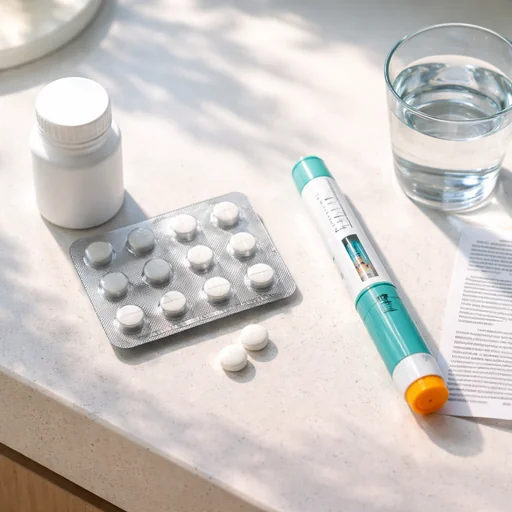
For years we’ve known that alcohol can cause fatty liver disease, and now research suggests that GLP-1s could be a treatment option that does more than reduce the symptoms.
What You’ll Learn:
- Why the FDA recently approved GLP-1 semaglutide medication for certain fatty liver disease conditions.
- The connection between alcohol use and fatty liver disease.
- Who’s most at risk for developing alcohol-associated fatty liver disease.
- How GLP-1 medications compare to other treatments for fatty liver disease.
- Why testing for and treating fatty liver disease is important.
LP-1 medications continue to expand, there’s another reason for people who drink alcohol to take notice. The FDA has recently approved semaglutide for the treatment of fatty liver diseases. Given the known effects on the metabolic system, it makes sense that GLP-1 semaglutide medications would be beneficial for conditions related to excess fat cells building up in the liver.
However, there’s a stipulation. It’s an accelerated approval, which means long-term outcomes are still being measured. And although GLP-1 medications haven’t been specifically approved for alcohol-associated liver disease (ALD), clinical trials are ongoing.
How Alcohol Consumption Disrupts Liver Metabolism
Fatty liver disease is a very descriptive name. It’s the term for a group of conditions that are present when fat builds up in liver cells. Alcohol causes the liver to store fat. This metabolic disruption significantly increases the risk of fatty liver disease for a number of reasons:
Alcohol Damages Liver Cells
The toxic byproducts that are produced when the liver processes alcohol does damage to liver cells.
Alcohol Makes Fat Burning Impossible
As the liver processes alcohol it can’t burn fat. This makes fat more likely to accumulate virtually anywhere in the body, including liver cells.
Alcohol Increases Fat Synthesis
On top of blocking the fat burning process, alcohol also increases fat synthesis in two ways. It jumpstarts SREBP-1c, which increases fat synthesis. At the same time it inhibits the PPAR-α gene that helps burn fat. It’s a scenario where more fat is created and less of it is burned.
The Liver Doesn’t Transport Fat as Easily
Under normal circumstances, the liver could get rid of fat by transporting it to the bloodstream. When there’s alcohol in your system, the process is impaired and fat gets trapped inside the liver.
Alcohol Triggers Inflammation in the Liver
Alcohol is associated with elevated levels of inflammation everywhere in the body, especially the liver. It happens because of the oxidative stress that is generated. It further injures liver cells and can worsen fatty liver disease, increasing the risk of fibrosis and hepatitis.
Alcohol Causes Leaky Gut That Makes Liver Inflammation Worse
Alcohol directly and indirectly causes inflammation in the liver, which can make conditions worse. Just as alcohol acts on the Hypothalamic-Pituitary-Adrenal (HPA) Axis to disrupt testosterone production and estrogen production, it also messes with the gut-liver axis. Gut-liver axis disruption causes leaky gut, a condition that can allow bacterial elements into the blood. It will prompt the liver to produce immune cells and elevate inflammation levels.
The basis of the problem is metabolic changes from alcohol consumption. Not only will it cause alcohol-associated fatty liver disease it can also make non-alcoholic fatty liver disease (NAFLD) worse. While heavy or chronic drinking can cause alcohol-associated fatty liver disease, all it takes is moderate drinking to make NAFLD worse.
Who’s Most at Risk For Developing Fatty Liver Disease
Any alcohol consumption can be disruptive for the liver. It’s especially risky depending on your alcohol use habits and other compounding factors.
The risk of developing fatty liver disease is elevated for anyone who:
- Drinks alcohol regularly for a long period of time
- Has alcoholic beverages daily
- Binge drinks alcohol
- Women are more susceptible due to estrogen-induced inflammation and higher levels of alcohol per drink
- Some people are genetically predisposed to fibrosis and fat accumulation
- Hispanic people
- People with type 2 diabetes or insulin resistance
- People who are clinically obese
- People who are sedentary
- People who have a low protein and high-fructose diet
What Fatty Liver Conditions GLP-1 Semaglutides Have Been Approved to Treat
The semaglutide medication Weegovy gained FDA approval specifically for metabolic dysfunction-associated steatohepatitis (MASH) with moderate to advanced liver fibrosis (scarring). It helped improve inflammation and fibrosis through indirect mechanisms. Unfortunately, stage 4 fatty liver disease (cirrhosis) hasn’t yet been shown to respond to semaglutide medication, but the research is still very promising for anyone with fatty liver disease.
Two clinical studies have shown:
- 63% of patients taking semaglutide achieved steatohepatitis resolution without fibrosis worsening compared to just 34% patients that were on a placebo.
- Semaglutide medication improved fibrosis for 37% of patients versus 22% who took a placebo placebo
- A dual GLP-1/GIP medication still in clinical trials improved MASH without fibrosis worsening in 44% to 62% of patients (depending on dose level) compared to 10% in the placebo group.
It’s semaglutide’s metabolic effects that improve liver health through:
- Weight loss - The fat supply to the liver is decreased.
- Insulin Sensitivity
- Inflammation Reduction
These effects are the result of how GLP-1 receptor agonists mimic incretin hormones. It has an indirect effect that reduces liver fat.
Why Testing For Fatty Liver Disease and Getting It Under Control is Essential
Fatty liver disease is a silent condition. The first stage (steatosis) develops without a person knowing it until there are serious related issues. To begin with the liver enzymes may still appear normal, but once it progresses that can be the first indicator that a person has developed fatty liver disease.
Anyone who is concerned that fatty liver disease could be a problem should take a liver function test that measures key enzymes, inflammation levels and visceral fat. It’s one of the few ways to gauge if fat is accumulating in the liver.
Making changes to treat fatty liver conditions is also critical because they are reversible if addressed early enough before cirrhosis forms. Even though GLP-1s can help improve fatty liver disease symptoms, doctors still stress that dietary changes are needed to improve the condition. One recommendation is that alcohol consumption be limited or avoided completely.
Within weeks of quitting alcohol fat deposits start to decrease in the liver and inflammation can start to improve. Fibrosis can also be partially resolved simply by changing your drinking habits, especially when you increase physical activity.
For anyone who has difficulty controlling their drinking there’s another medication that can help. Naltrexone is a daily pill that helps control alcohol cravings so that it’s much easier to reduce consumption or stop altogether. It’s a great step to take in the interim while researchers look into the efficacy of taking GLP-1s for alcohol-associated fatty liver disease.
If you’re interested in learning more about getting an online naltrexone prescription, take the Alcohol Use Assessment. It only takes a few minutes and will help gauge if naltrexone is right for your situation.