A 2 minute assessment to get a personalized mental health or alcohol recovery plan.

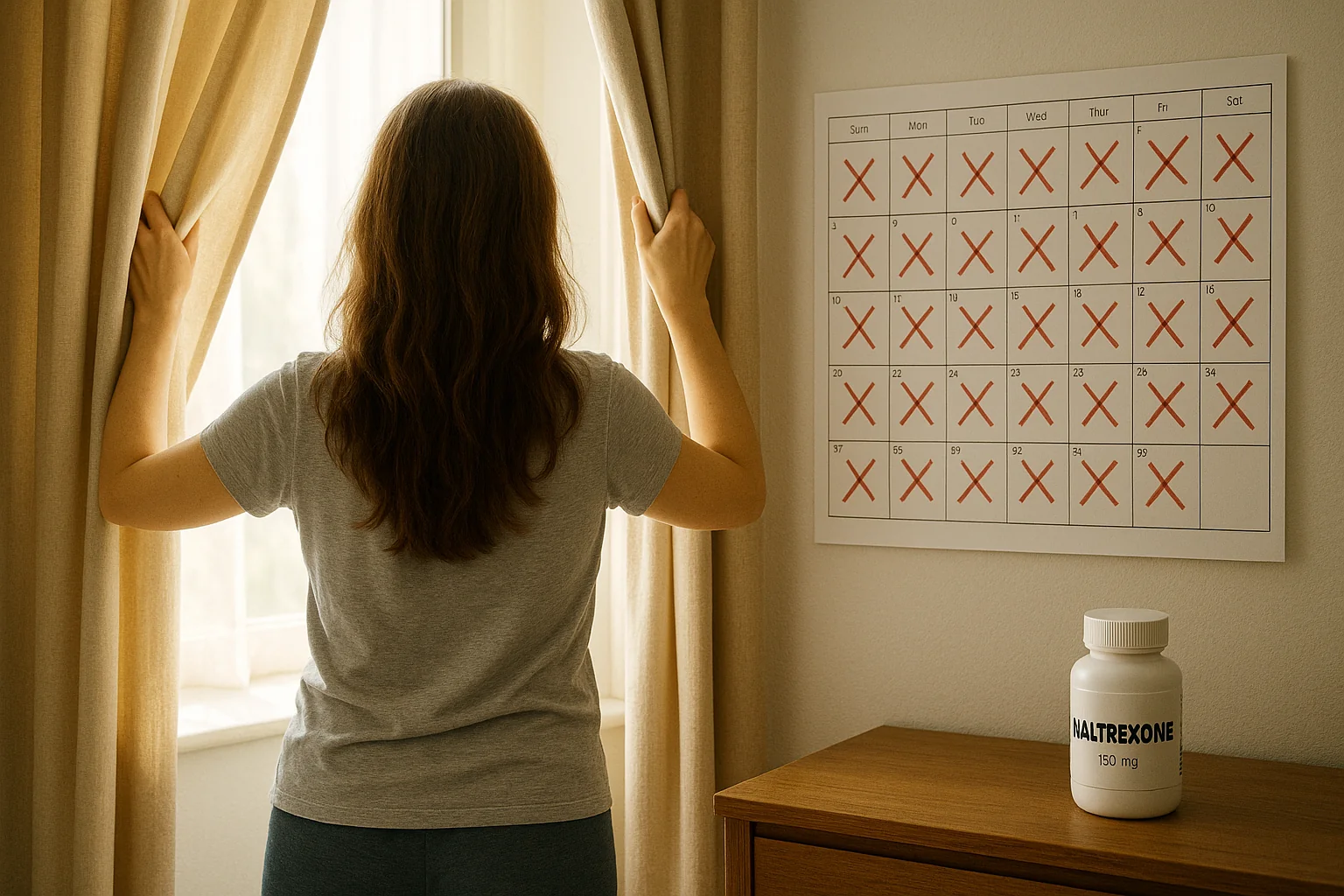
Taking naltrexone to get a handle on alcohol consumption could last for as little as three months or the medication could be taken for several years. It’s all based on your goals.
What You’ll Discover:
- If naltrexone is safe for long-term use.
- The naltrexone dosage duration if reducing alcohol intake is the goal.
- How long to take naltrexone to reduce the chance of relapse.
- Why some people choose to take naltrexone for extended periods of time.
Sometimes taking a medication is as much about duration as it is about the dose amount. Let’s be honest, no one wants to be on a daily medication for years on end. For some prescription drugs it’s a necessity, but others are intended to be taken for a shorter period of time.
Taking a dose of naltrexone for alcoholism can actually fall into either category. How long you need to take naltrexone depends on your goals since the medication gives you control over alcohol consumption. You can use it to simply reduce how much alcohol you consume on a regular basis or use it to reach full remission from alcohol use disorder and continue taking it to avoid a relapse.
Now that naltrexone has been used to treat alcohol use disorder for over a decade (and treat opioid addiction for over two decades) there’s enough time and data for medical professionals to come up with recommendations for how long patients should take naltrexone.
Is naltrexone safe for long term use?
Before going into detail about efficacy and duration of taking naltrexone, let’s address safety. Many people wonder if naltrexone is safe for long term use. Research has shown that a standard 50mg dose of naltrexone is safe to use for extended periods.
Fifty milligrams is the typical naltrexone dose for alcohol use disorder. Even when taken daily, for most people there’s little risk of developing serious side effects like liver damage.
The 3-Month Minimum Rule For Alcohol Reduction
If your goal is to simply dial back your drinking for a period to reset and reestablish normalcy in your consumption, you’ll want to take naltrexone for at least three months. That’s the amount of time that’s needed to begin truly changing habitual use of alcohol and curbing cravings.
Of course, it’s perfectly fine to continue using naltrexone to keep alcohol cravings in check. You can keep taking naltrexone daily or as-needed on the occasions when you may indulge in a drink or two. As long as you take naltrexone an hour before drinking, you’ll curb the cravings.
The Standard 1-Year Treatment Protocol For Reaching Alcohol Remission
For people who want to stop drinking entirely or treat alcohol use disorder, the typical protocol is to take naltrexone for a year. This is enough time to reach remission even if you were drinking heavily before taking naltrexone.
This is also a crucial time for receiving whatever support you need to maintain sobriety. The first year is the period when you’re most likely to relapse, and naltrexone has been shown to decrease the risk of relapsing.
Long-Term Use For Full Alcohol Addiction Recovery
Here’s the thing about alcohol remission: it happens in stages. It isn’t something that you reach as soon as alcohol is out of your system. The process looks like this:
Initial Remission: 3 months sober
Early Remission: 3 months to 1 year sober
Sustained Remission: Up to 5 years sober
Stable Remission: Over 5+ years of sobriety
If the long-term goal is stable remission, then it’s understandable for someone to take naltrexone for more than a year to get completely into sustained remission that’s easier to manage on your own.
How long you need to take naltrexone to break free of alcohol cravings is up to you. Naltrexone gives you control in the process, unlike other alcohol use programs that focus solely on eliminating alcohol completely all at once. If you want to take longer to get there or your goal is to cut back on the number of drinks you have per week, naltrexone offers essential support.
Interested in using naltrexone in the short-term to take a break from drinking? Want to try medication-assisted treatment to quit alcohol for good? Take the Alcohol Use Assessment to see if you’re a candidate for a naltrexone prescription.