A 2 minute assessment to get a personalized mental health or alcohol recovery plan.

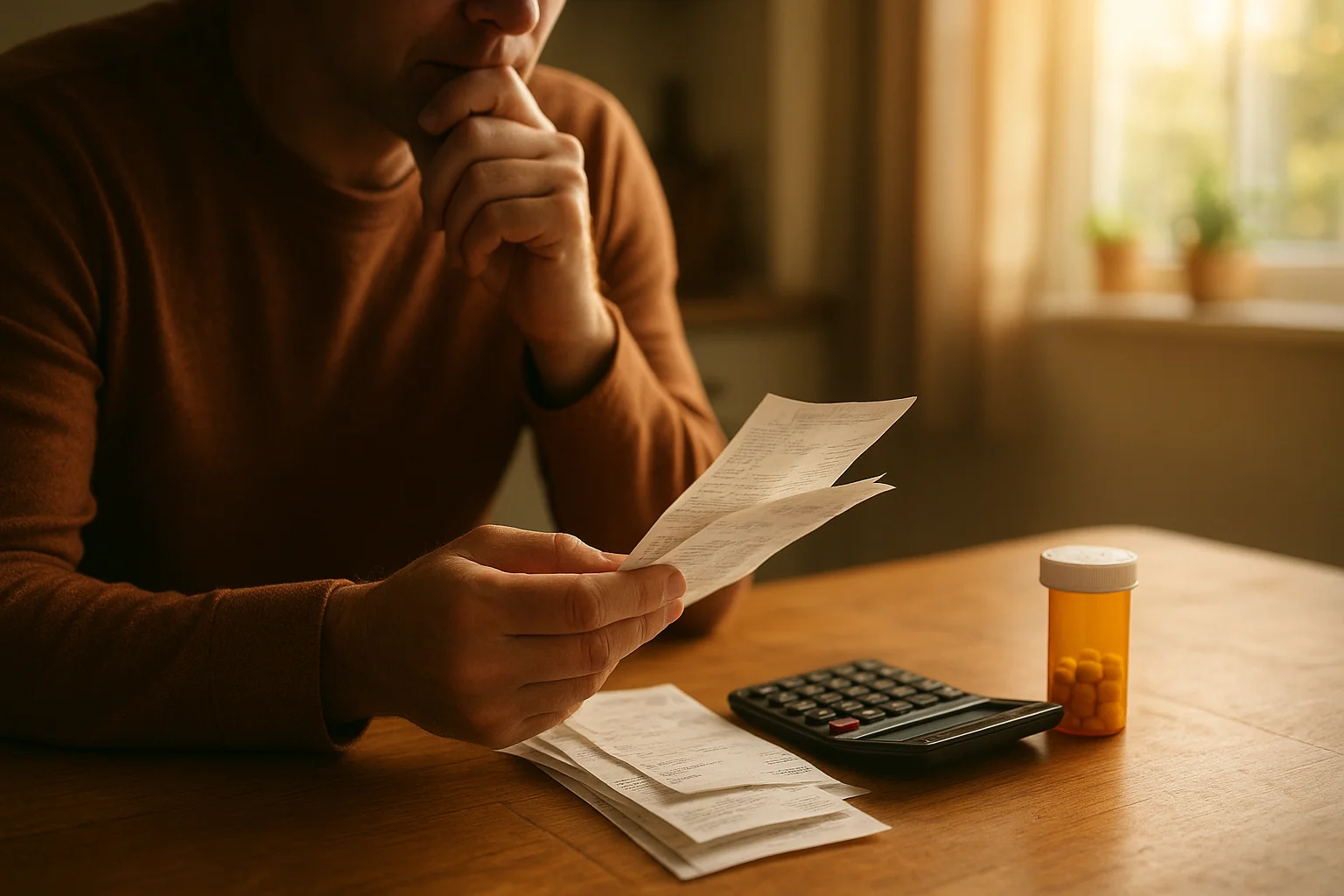
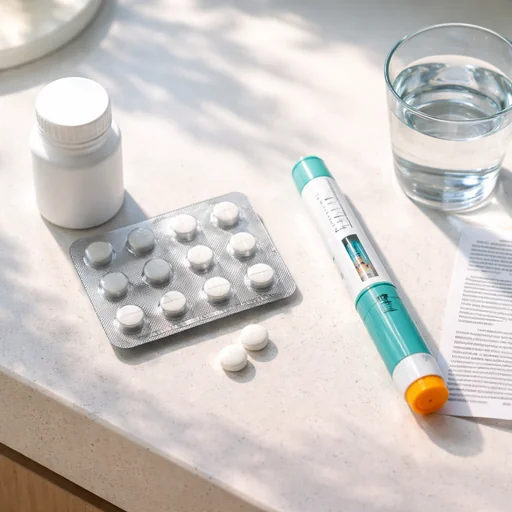
The cost of naltrexone medication is a fraction of how much people spend on alcohol when they're chronic drinkers, and that doesn't factor in the hidden and related costs of drinking.
Quick Answer
Most chronic drinkers spend $400–$2,000+ a month on alcohol alone, before adding ride shares, hangover-day productivity loss, medical issues, and legal risk.
A typical month of telehealth naltrexone runs $66–$89, often less than a single weekend of drinking. Per the NIAAA, excessive alcohol use is also linked to lost productivity, lost wages, and significant healthcare costs across the U.S. economy.
For most heavy drinkers, naltrexone pays for itself within days.
Key Takeaways
- Direct alcohol spending alone is often $400–$2,000 a month for chronic drinkers.
- Related expenses, delivery fees, ride shares, parking, impulse buys, add hundreds more.
- Hidden costs (medical issues, DUIs, lost income) can be tens of thousands in a single year.
- The biggest cost may be lost time with family, which can't be priced.
- A monthly naltrexone prescription typically costs less than what most heavy drinkers spend in three days.
What You'll Learn:
- How much chronic drinkers spend on alcohol alone
- Related costs that make drinking more expensive
- The hidden costs of drinking that most people don't consider
- How alcohol costs people money in lost income
- Why time that's lost is the biggest cost of all
A recent Reddit thread on r/stopdrinking asked how much people spent on alcohol, and the answers led to some striking observations about chronic alcohol consumption. Spending $100+ a week minimum just on direct alcohol costs was a very common answer. Many users estimated $500 a month, and a significant number landed in the $800–$2,000 a month range.
But that's just the tip of the iceberg. There are a lot of related costs that pile onto chronic drinking. Some are small and easy to overlook; others are huge unexpected expenses that cause immediate financial harm.
If you're wondering how much you're really spending on alcohol, and how much an online naltrexone prescription could save you, you have to consider all of the related costs.
Cost Comparison at a Glance
For a deeper breakdown of naltrexone pricing specifically, see What Naltrexone Costs Without Insurance Coverage.
What Are the Direct Costs of Drinking Alcohol Regularly?
Many people are shocked when they actually add up what they spend on alcohol. When you're buying it on a regular basis, it's easy to lose track of how the bills accrue.
Drinking at Home
This is the cost most people think of first, and it's the easiest to calculate. Buying alcohol at the store to drink at home is the most economical option, but it's still very costly. This is what Reddit users were referring to when they estimated about $100–$150 a week.
Given that production costs and taxes on alcohol have increased and will likely keep climbing, store prices are only going up over time.
Drinking Outside the Home
This is where alcohol gets expensive, even if you're drinking beer or hitting happy hour specials.
- Even domestic beers on special run $4–$5, while specialty beers commonly cost $7–$9.
- A glass of wine at a restaurant typically costs $6–$10. A bottle is often at least twice the store price.
- Depending on where you live, a regular mixed drink can easily run $10+, sometimes over $15.
On top of the cost per drink, you're also paying tax and (if you're at a bar) tip, usually about $1 per drink.
What Are the Costs Related to Drinking?
The cost of the alcohol itself is just the start. Several directly-related expenses make drinking even more expensive.
Delivery Charges
Today, alcohol is more accessible than ever thanks to delivery apps. It prevents drunk driving, but the convenience comes at a cost. Every delivery comes with a fee plus a tip, and many products are priced at a premium.
Ride Shares and Cabs
Many people who drink heavily use ride shares or cabs to avoid driving impaired. That's the right call for safety, but it adds up fast, easily $10+ per ride, often $20–$30 in busier markets.
Parking Tickets and Fees
Another related cost: higher parking fees or parking tickets when you drove to a location, ended up unable to drive home, and left your car overnight. That can run $25+ per incident.
What Are the Hidden Costs of Drinking?
There are still more expenses connected to drinking, some small and recurring, others large and sudden.
Impulse Buys
A common occurrence when drinking: impulse purchases. Sometimes it happens at the bar. Today, it can also happen at home through online shopping. Alcohol reduces impulse control and decision-making, which is exactly why those purchases stack up.
Medical Issues
Liver damage, accident injuries, worsened mood disorders, increased risk of diabetes, that's a short list of medical problems linked to chronic drinking. The CDC and NIAAA both document the broader health risks of excessive alcohol use. Related medical issues can cost thousands at once if you have to pay an insurance deductible, and they accumulate over years for long-term care and medications.
Legal Trouble
Just one DUI can cost thousands of dollars whether or not you're formally charged. There's also a good chance you'll need to take defensive driving and safety courses, which can run hundreds. Then there's the car interlock device, which can be $120+ a month.
If you injure someone while impaired, that can lead to other legal issues that are extremely expensive. You may even lose your insurance coverage, and at minimum, your premium will go up.
How Does Drinking Hurt Your Income Potential?
Out-of-pocket expenses are easier to calculate than lost income. Many people leave a lot of money on the table by choosing alcohol over career advancement. It's a decision that compounds year after year.
Lost Time and Productivity
How much higher could your earning potential be if you weren't drinking regularly? It's not just the time you're impaired. Hangovers the next day kill productivity too.
Reddit user E-Stoye captured this: "I spent $900 a month on drinks for home . . . Plus dinners out, missed work and opportunities. I'd put it at $50k a year, possibly more. I'm in sales, can't sell if I can't think or show up or quote five days a month."
Less Time for Career Advancement
Often, advancing your career means putting in work outside the regular 9-to-5: certifications, training courses, side projects, picking up additional responsibility at work. If your focus is on drinking as soon as you clock out, you're much less likely to climb.
Job Loss
When alcohol use becomes a disorder, it's hard to hold a job. Studies show people with alcohol use disorder are more than twice as likely to be fired, in part because chronic drinkers are absent from work 4–8 times more than average. Being let go has a cascading effect on income, finding the next job is harder when there's a recent termination on the record.
What's the Biggest Cost of Drinking?
For some people, the biggest cost is lost time with loved ones. It's especially notable for people with young children or aging parents. Children won't be young forever, that time can't be made up. And once a parent is gone, their presence is missed forever.
Time is a finite resource and arguably the most valuable one we have. It's not just the hours spent drinking; it's also the time spent acquiring alcohol and the next-day recovery time.
The hours, days, weeks, and even years missed with loved ones can never be fully calculated.
How Much Could Naltrexone Save You?
With Choose Your Horizon, you can get a month's worth of naltrexone medication for less than what alcohol costs in a single week. The money you save by drinking less far exceeds what you'll spend on a prescription, and that doesn't account for what you save by reducing the risk of major expenses like medical issues and DUI charges.
Among FDA-approved medications for alcohol use disorder, oral naltrexone has the strongest evidence base, with clinically meaningful reductions in heavy drinking days. That's where most of the cost (financial, medical, and legal) comes from in the first place.
Frequently Asked Questions
How much does the average drinker spend on alcohol per month?
Self-reported figures from chronic drinkers commonly range from $400 to $2,000+ a month, depending on drinking patterns and whether drinking happens at home or out.
How does naltrexone help reduce drinking-related spending?
Naltrexone reduces cravings and dampens alcohol's reward, which leads to fewer heavy drinking days. Less alcohol means lower direct costs, fewer ride shares and delivery fees, and fewer high-cost downstream events like DUIs or medical emergencies.
Is naltrexone a one-time cost or ongoing?
Naltrexone is taken for at least 3–4 months for most people, with many continuing for 6–12 months or longer. Even at 12 months, the total cost is typically less than what a heavy drinker spends on alcohol in a single month.
Will my insurance cover naltrexone?
Often yes. Most major insurance plans now cover naltrexone for alcohol use disorder, typically reducing the cost by about 50%.
How fast will I see savings?
Many people notice fewer heavy drinking days within 3–4 weeks of starting naltrexone. That's also when alcohol-related spending typically starts dropping.
What if I don't quit drinking entirely?
Naltrexone doesn't require abstinence. Even a meaningful reduction in heavy drinking days produces real financial savings, fewer bar tabs, fewer impulse purchases, fewer hangover-day productivity losses.
Ready to Start Saving?
Start saving your time, money, and health. Take the online Alcohol Use Assessment to get customized recommendations that will help you drink less. New patients can receive a 30% off discount.